
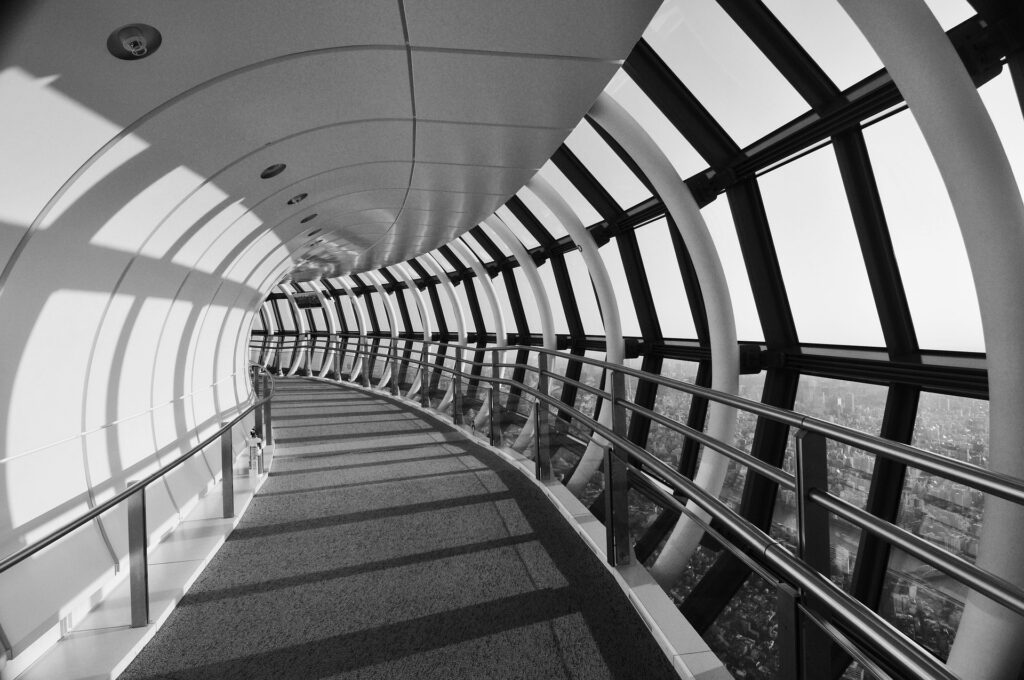
Tokyo has several excellent free observation decks and high-floor viewpoints. You can see the skyline from around 200 meters above the city, look for Mount Fuji on clear winter mornings, and watch Tokyo Bay light up at night without buying a ticket.
The catch is that free decks are not all the same. Some are best for night views, some work better as quick photo stops, and some are useful only if they fit naturally into your sightseeing route. This guide compares the best free observation decks in Tokyo and helps you decide when paying for Tokyo Skytree or Shibuya Sky is actually worth it.
Quick Answer: Best Free Observation Decks in Tokyo
If you only have time for one free view, start with the Tokyo Metropolitan Government Building in Shinjuku. It is free, high, easy to reach, and gives you the most classic big-city skyline experience without a ticket.
| Free View Spot | Best For | Glass or Open-Air? | Best Time to Visit | Current Note |
|---|---|---|---|---|
| Tokyo Metropolitan Government Building | Best overall free skyline view | Indoor glass | Clear mornings for Mount Fuji; evenings for night views | Free entry; check the latest North/South observatory schedule before visiting |
| Yebisu Garden Place Sky Lounge | Tokyo Tower, Tokyo Skytree, Rainbow Bridge, and calmer night views | Indoor glass | After sunset | Free 38th-floor lounge; ideal as an Ebisu evening stop |
| Caretta Shiodome SKY VIEW | Tokyo Bay, Odaiba, and Rainbow Bridge | Indoor glass | Blue hour and night | Free viewing area on the 46th-floor restaurant level |
| Asakusa Culture Tourist Information Center | Senso-ji, Nakamise Street, and Tokyo Skytree | Open-air terrace | Late afternoon or evening | Best no-glass photo stop near Kaminarimon |
| Shibuya Hikarie Sky Lobby | Quick Shibuya views without Shibuya Sky tickets | Indoor glass | Any time during a Shibuya visit | Convenient, but not a full Shibuya Sky replacement |
| LUFTBAUM at NEWoMan Takanawa | Late-night high-floor views, garden terraces, and Tokyo Bay angles | Indoor areas and outdoor terraces | Sunset to late evening | Newer public high-floor area; check facility access before making a special trip |
Important update as of June 2026: Bunkyo Civic Center Observation Lounge, once one of Tokyo’s best free Mount Fuji photo spots, is temporarily closed for renovation and is expected to reopen in early December 2026. It is worth bookmarking for a future trip, but it should not be part of a current Tokyo itinerary.
Choose a free deck if you want a budget-friendly view, a quick stop between attractions, or a specific angle of Tokyo Tower, Tokyo Skytree, Mount Fuji, Shibuya, or Tokyo Bay.
Consider paying for Tokyo Skytree or Shibuya Sky if you want a full 360-degree panorama, a major once-in-Tokyo highlight, or a more polished observation deck experience rather than a quick viewpoint.
Top Free Observation Decks in Tokyo
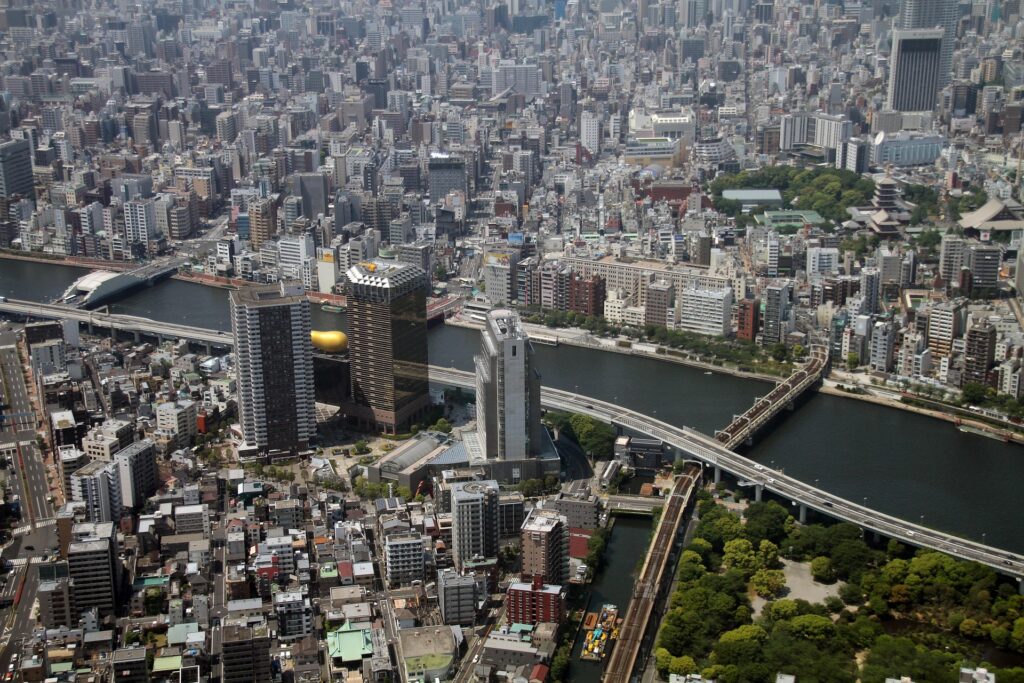
1. Tokyo Metropolitan Government Building, Shinjuku
Often called Tocho, the Tokyo Metropolitan Government Building is the best overall choice for most first-time visitors looking for a free observation deck in Tokyo. The observatories are on the 45th floor, around 202 meters above the city, and entry is free.
The view works well because Shinjuku already feels like the vertical heart of Tokyo. From here, you can see dense skyscrapers, wide city grids, and, on very clear winter mornings, Mount Fuji in the distance. At night, the endless lights of western Tokyo make this one of the easiest free night views to recommend.
- Best for: First-time visitors, classic Tokyo skyline views, Mount Fuji on clear mornings, and free night views.
- Height: Around 202 meters.
- Cost: Free.
- Best time: Clear winter mornings for Mount Fuji; after sunset for city lights.
- Access: Directly connected to Tochomae Station on the Toei Oedo Line, or about a 10-minute walk from Shinjuku Station’s west side.
- Hours: The observatories usually operate during the day and evening, with last entry before closing. South and North Observatory schedules differ, so check the official observatory schedule before visiting.
- Things to know: Expect a brief bag check before taking the elevator. Tripods may be restricted, and indoor lighting can reflect on the glass at night.
If you want the simplest answer to “which free Tokyo observation deck should I visit?”, this is it. It is not as dramatic as Tokyo Skytree or Shibuya Sky, but it is free, high, central, and easy to fit into a Shinjuku itinerary.
2. Yebisu Garden Place Sky Lounge, Ebisu
Yebisu Garden Place Sky Lounge is a strong replacement for Bunkyo Civic Center while Bunkyo’s observation lounge is closed. Located on the 38th floor of Yebisu Garden Place Tower, this free indoor viewing area is especially useful if you want a calmer evening view with Tokyo Tower, Tokyo Skytree, and Rainbow Bridge in the distance.
This is not a huge tourist-style observation deck. It feels more like a refined sky lobby attached to restaurants, which is part of its appeal. It works best as a relaxed stop before or after dinner in Ebisu rather than as a destination you build your whole day around.
- Best for: Night views, Tokyo Tower, Tokyo Skytree, Rainbow Bridge, Ebisu evenings, and a quieter alternative to busier decks.
- Height: 38th floor, roughly around 160 meters.
- Cost: Free.
- Best time: After sunset, especially if you are already eating or drinking in Ebisu.
- Access: From JR or Tokyo Metro Hibiya Line Ebisu Station, take the Yebisu Skywalk toward Yebisu Garden Place.
- Hours: Commonly listed as late-opening, but restaurant-floor and lounge access can change for inspections, maintenance, or events. Check the official Yebisu Garden Place information before making a special trip.
- Things to know: The view is through glass, so reflections can affect night photos. It is better for enjoying the atmosphere than for perfect tripod-style photography.
Choose Yebisu Garden Place if you want a free night view that feels more local and less crowded than the major tourist towers.
3. Caretta Shiodome SKY VIEW, Shiodome
Caretta Shiodome SKY VIEW is one of the best free observation spots in Tokyo for Tokyo Bay. Tucked inside a large office, dining, and shopping complex near Shimbashi and Shiodome, the free viewing space sits on the 46th-floor restaurant level and looks toward Odaiba, Rainbow Bridge, Hamarikyu Gardens, and the bay area.
The viewing area is smaller than the Tokyo Metropolitan Government Building, but the angle is very different. Instead of a dense inland skyline, you get water, bridges, islands, and the futuristic side of Tokyo. The elevator ride up to the high floors also makes the visit feel more special than a normal shopping complex stop.
- Best for: Tokyo Bay, Odaiba, Rainbow Bridge, romantic night views, and a quieter indoor viewpoint.
- Height: Around 200 meters.
- Cost: Free.
- Best time: Blue hour and after dark, when the bridges and bayfront buildings light up.
- Access: Close to Shiodome Station and within walking distance of Shimbashi Station. Use the shuttle elevator to the upper restaurant floors.
- Hours: Access usually follows the restaurant-floor schedule, but shop and restaurant hours can vary. Check the official Caretta Shiodome information before going.
- Things to know: The viewing space is compact, so it is better as a short stop than a long observation deck visit. Glass reflections can be noticeable at night.
Caretta Shiodome is a good choice if you are visiting Ginza, Shimbashi, Hamarikyu Gardens, or the bay area and want a free view without crossing town.
4. Asakusa Culture Tourist Information Center, Asakusa
The Asakusa Culture Tourist Information Center is the best free observation deck in Tokyo if you want an open-air view without glass. It sits directly across from Kaminarimon Gate, making it one of the easiest viewpoints to add to an Asakusa half-day itinerary.
The 8th-floor terrace looks straight down Nakamise Street toward Senso-ji Temple. Turn toward the Sumida River and you also get a clear view of Tokyo Skytree, which makes this one of the most useful free photo stops in eastern Tokyo.
- Best for: Senso-ji Temple, Nakamise Street, Tokyo Skytree views, and no-glass photography.
- Height: 8th floor.
- Cost: Free.
- Best time: Late afternoon for softer light, or evening when Senso-ji and Tokyo Skytree are lit up.
- Access: Very close to Asakusa Station and directly across from Kaminarimon Gate.
- Hours: The information center and terrace have separate operating hours, and the terrace is commonly listed as open later than the main information center. Check the official Asakusa Culture Tourist Information Center page for current details.
- Things to know: The terrace is outdoors, so rain, wind, summer heat, and winter cold matter more here than at indoor decks. Tripods may be restricted in busy conditions.
This is not the highest viewpoint in Tokyo, but it is one of the most photogenic. If your priority is a clear shot rather than maximum height, Asakusa is one of the best free options.
5. Shibuya Hikarie Sky Lobby, Shibuya
Shibuya Hikarie Sky Lobby is a convenient free viewpoint if you are already exploring Shibuya and could not get tickets for Shibuya Sky. The 11th-floor lobby has large windows looking over the station area, surrounding towers, and the constant movement of central Shibuya.
This is not a true replacement for Shibuya Sky. You do not get the same open-air rooftop experience, dramatic sunset atmosphere, or full skyline panorama. But as a free, air-conditioned, easy-to-reach stop near Shibuya Station, it is a useful way to see Shibuya from above without committing to a paid ticket.
- Best for: A quick Shibuya view, resting your feet, and a free alternative when Shibuya Sky is sold out.
- Height: 11th floor.
- Cost: Free.
- Best time: Any time you are already passing through Shibuya.
- Access: Directly connected to Shibuya Station via the east side of the station area.
- Hours: Building access can vary by facility schedule, events, and maintenance. Check the official Shibuya Hikarie site before visiting late at night.
- Things to know: The view is useful but limited. Do not choose this if your main goal is a full view of Shibuya Crossing from above.
Choose Shibuya Hikarie if convenience matters more than spectacle. Choose Shibuya Sky if you want the big open-air Shibuya experience.
6. LUFTBAUM at NEWoMan Takanawa
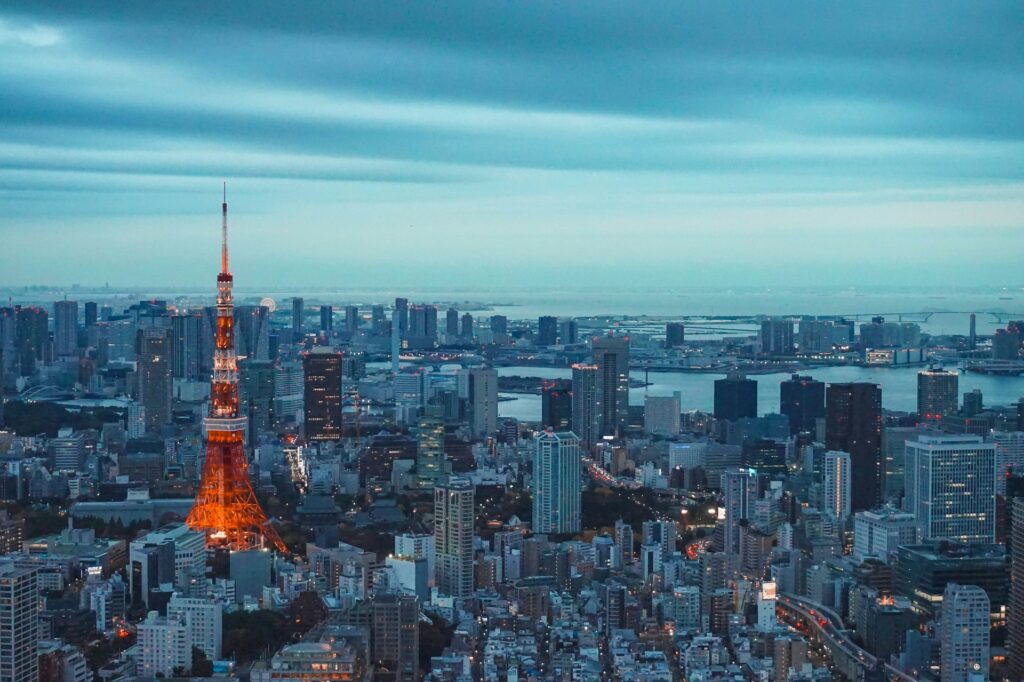
LUFTBAUM at NEWoMan Takanawa is a newer high-floor public area near Takanawa Gateway Station. It is not a classic old-school observation deck, but it gives travelers another free-to-enter high-rise option with a different angle from Shinjuku, Shibuya, and Asakusa.
The appeal is the combination of a modern sky-lounge atmosphere, high-floor views, and access to the Takanawa Gateway area. Depending on the exact spot and weather conditions, the area can work well for Tokyo Bay, city lights, and a more relaxed evening stop along the southern side of the Yamanote Line.
- Best for: Late-evening views, a newer Tokyo viewpoint, Takanawa Gateway, Tokyo Bay angles, and a modern indoor-outdoor atmosphere.
- Height: High-floor area around the upper levels of NEWoMan Takanawa.
- Cost: Free to enter the public area, though restaurants and shops cost extra.
- Best time: Sunset through evening, especially if you are already near Shinagawa, Sengakuji, or Takanawa Gateway.
- Access: Directly connected to JR Takanawa Gateway Station, with Sengakuji Station also nearby.
- Hours: NEWoMan Takanawa lists LUFTBAUM 28F and 29F area access as 8:00–24:00, but shop hours and area operations can differ. Check the official NEWoMan Takanawa hours before making a special trip.
- Things to know: Outdoor terrace access can be affected by weather, events, or facility operations. Treat it as a flexible add-on, not a guaranteed observation-deck experience.
LUFTBAUM is especially useful if you are staying near Shinagawa, using the Yamanote Line’s southern side, or want a free high-floor stop later in the evening.
Temporarily Closed: Bunkyo Civic Center Observation Lounge
Bunkyo Civic Center Observation Lounge used to be one of the best free observation decks in Tokyo for photographing Mount Fuji behind the Shinjuku skyline. Its slanted windows made it especially popular with photographers because they helped reduce indoor light reflections.
Update as of June 2026: the 25th-floor observation lounge is temporarily closed for renovation and is expected to reopen in early December 2026. Because of that, it should not be included in a current Tokyo itinerary. Check the official Bunkyo City notice before planning around it.
When it reopens, Bunkyo Civic Center will be worth reconsidering for clear winter mornings and sunset photography. For now, use the Tokyo Metropolitan Government Building for a free high-rise view, Yebisu Garden Place Sky Lounge for a calmer evening skyline, or LUFTBAUM at NEWoMan Takanawa for a newer late-evening option.
Free vs. Paid Observation Decks in Tokyo
Free observation decks in Tokyo are absolutely worth visiting, but they are not the same experience as Tokyo Skytree, Shibuya Sky, Tokyo Tower, or Roppongi Hills Tokyo City View. The right choice depends on whether you want a quick view, a specific photo angle, or a major paid attraction.
| Decision Point | Free Observation Decks | Tokyo Skytree | Shibuya Sky |
|---|---|---|---|
| Ticket needed? | No ticket or reservation for most spots | Paid ticket required; prices vary by deck, date, age category, and booking method | Paid ticket required; prices and time slots can vary |
| Best for budget travelers? | Excellent | Less ideal if you only want a quick view | Less ideal if you only want a quick view |
| Best for maximum height? | Usually up to around 200 meters | Tembo Deck at 350 meters and Tembo Galleria at 450 meters | Open-air rooftop area around 229 meters |
| Best for 360-degree views? | Usually limited by building layout | Very strong 360-degree observation deck experience | Very strong open-air panorama |
| Best for Mount Fuji? | Possible on clear winter mornings, especially from the Tokyo Metropolitan Government Building | Better height, but still weather-dependent | Possible on clear days, but not guaranteed |
| Best for night photography? | Mixed because of glass reflections and facility rules | More controlled observation deck environment, though still indoors behind glass | Strong for open-air skyline photos, but weather and rules matter |
| Best for a once-in-Tokyo highlight? | Good as an add-on | Stronger as a main attraction | Stronger for sunset atmosphere and rooftop drama |
| Best for open-air feel? | Asakusa Culture Tourist Information Center and LUFTBAUM are the most useful free options | Mostly indoor observation deck experience | Best open-air paid option |
Free decks are enough if you mainly want to see the skyline, take a few photos, save money, or add a viewpoint to a day you already planned around Shinjuku, Asakusa, Shiodome, Ebisu, Shibuya, or Takanawa.
Tokyo Skytree is worth paying for if you want the highest viewpoint, a full 360-degree panorama, and a more polished observation deck experience. It is also the better choice if this is your first Tokyo trip and you want one major skyline attraction.
Shibuya Sky is the better paid choice if you want an open-air rooftop atmosphere and sunset drama. It is shorter than Skytree, but the experience can feel more immersive because you are outside above Shibuya rather than behind indoor glass.
Tokyo Tower is more about the classic landmark experience. Roppongi Hills Tokyo City View is a good paid option if you want an indoor skyline view with an art museum nearby.
Verdict: Visit at least one free observation deck if you have the time. Pay for Tokyo Skytree or Shibuya Sky if you want Tokyo’s biggest skyline experience, not just a free glimpse from above.
If Tokyo Skytree sounds like the right fit for your trip, check the latest ticket details, prices, deck options, and available entry times before you go:
Check TOKYO SKYTREE® ticket prices and availability →
Practical Tips for Clearer Tokyo Views
- Go in the morning for Mount Fuji: Your best chance is usually a clear, cold winter morning. Even on sunny days, haze and humidity can hide Mount Fuji.
- Arrive before sunset for night views: Getting there 30 to 45 minutes before sunset gives you daylight, blue hour, and night views in one visit.
- Expect glass reflections indoors: Most free decks are inside office, public, or commercial buildings. At night, indoor lights can reflect strongly on the windows.
- Use a dark jacket for photos: Hold a dark jacket or cloth close around your phone or camera lens to reduce reflections, but follow each facility’s rules.
- Do not rely on tripods: Many free observation decks restrict tripods, especially in busy public spaces. Bring a small handheld setup instead.
- Check for maintenance closures: Free viewpoints can close for renovation, private events, building maintenance, weather, or facility schedule changes.
- Match the deck to your route: Choose Tocho for Shinjuku, Asakusa Culture Tourist Information Center for Senso-ji, Caretta Shiodome for Tokyo Bay, Yebisu Garden Place for Ebisu, Shibuya Hikarie for Shibuya, and LUFTBAUM for Takanawa Gateway.
- Do not over-plan free decks: Because they are free, they work best as flexible add-ons. If the weather is hazy or the deck is crowded, you can leave without feeling you wasted a ticket.
If photography is your main goal, pair this guide with the best photo spots in Tokyo so you can plan skyline views, street scenes, and landmark shots together.
Free Observation Decks in Tokyo FAQ
Is the Tokyo Metropolitan Government Building observation deck really free?
Yes. The Tokyo Metropolitan Government Building observatories are free to enter. You do not need to buy a ticket or make a reservation, though you should expect a security check before taking the elevator.
Which free observation deck in Tokyo is best overall?
The Tokyo Metropolitan Government Building is the best overall choice for most visitors. It is high, central, free, and easy to combine with a Shinjuku itinerary.
Which free observation deck is best for night views?
For classic city lights, choose the Tokyo Metropolitan Government Building. For a calmer night view with Tokyo Tower, Tokyo Skytree, and Rainbow Bridge in the distance, choose Yebisu Garden Place Sky Lounge. For Tokyo Bay and Odaiba, choose Caretta Shiodome SKY VIEW.
Which free deck has the latest opening hours?
LUFTBAUM at NEWoMan Takanawa is one of the most useful late-evening free high-floor options because the facility lists LUFTBAUM area access until midnight. Still, access can change due to facility operations, weather, or events, so check the latest official information before making a special trip.
Where can I take photos without glass reflection?
Asakusa Culture Tourist Information Center is the most reliable free option because its 8th-floor terrace is open-air. LUFTBAUM also has outdoor terrace areas, but access can depend on facility operations and weather. Most other free decks are indoors, so glass reflections can be an issue at night.
Can I see Mount Fuji from Tokyo for free?
Yes, but it depends heavily on the weather. The Tokyo Metropolitan Government Building can offer Mount Fuji views on clear days, especially in winter mornings. Bunkyo Civic Center was also excellent for Mount Fuji photography, but its observation lounge is currently closed for renovation.
Can I visit multiple free decks in one day?
Yes. A practical route would be to visit the Tokyo Metropolitan Government Building in Shinjuku, stop at Shibuya Hikarie while exploring Shibuya, then continue to LUFTBAUM at Takanawa Gateway for an evening view. Travel times vary by route, transfers, and walking speed, so treat this as a flexible idea rather than a strict itinerary.
Is Bunkyo Civic Center Observation Lounge open now?
No. As of June 2026, Bunkyo Civic Center Observation Lounge is temporarily closed for renovation and is expected to reopen in early December 2026. Do not plan a current Tokyo itinerary around it.
Which free deck is best near Shibuya?
Shibuya Hikarie Sky Lobby is the easiest free viewpoint near Shibuya Station. It is convenient for a quick look over the area, but it is not a full replacement for Shibuya Sky.
Is Tokyo Skytree worth it if I visit free observation decks?
Yes, if you want the highest viewpoint, a full 360-degree panorama, and a more complete observation deck experience. Free decks are great for budget travelers and quick stops, but Tokyo Skytree feels more like a main attraction. For a deeper breakdown before booking, read this guide to whether Tokyo Skytree tickets are worth it.
Which free deck is best for a date or couple?
Yebisu Garden Place Sky Lounge is a strong choice for a calm evening with city lights, while Caretta Shiodome is better if you want Tokyo Bay and Rainbow Bridge views. LUFTBAUM can also work well if you want a newer high-floor setting near Takanawa Gateway.
Final Verdict: Free Deck or Paid Tower?
Choose a free deck, especially the Tokyo Metropolitan Government Building, if:
- You are on a budget or traveling with a family on a tight itinerary.
- You only want a quick skyline view, not a full observation deck experience.
- You want a chance to see Mount Fuji without paying for a ticket.
- You are already visiting Shinjuku, Asakusa, Shibuya, Ebisu, Shiodome, or Takanawa and want to add a viewpoint without going far out of your way.
Pay for Tokyo Skytree if:
- You want the highest observation deck experience in Tokyo.
- You want a full 360-degree panorama with fewer building obstructions.
- This is your first trip to Tokyo and you want one major skyline attraction.
- You prefer a polished, ticketed observation deck with clear visitor facilities.
Pay for Shibuya Sky if:
- You want an open-air rooftop experience with more atmosphere than an indoor deck.
- Sunset photography and skyline panoramas are your priority.
- You are already spending time in Shibuya and want the full Shibuya rooftop experience.
For families with kids: Free decks are practical because you can leave at any time without worrying about ticket value. The Tokyo Metropolitan Government Building and Asakusa Culture Tourist Information Center are especially easy to combine with other activities.
For first-time visitors: Visit one free deck, usually the Tokyo Metropolitan Government Building, and one paid deck if skyline views are important to your trip. Choose Tokyo Skytree for height and scale, or Shibuya Sky for open-air atmosphere.
For photographers: Asakusa Culture Tourist Information Center is the best free no-glass option, while Caretta Shiodome gives you a useful Tokyo Bay angle. For a paid rooftop photo experience, Shibuya Sky is usually stronger than an indoor glass deck, though weather and rules still matter.
If you decide Tokyo Skytree is the right choice for your trip, check the latest ticket prices, deck options, start times, and availability before you arrive:
Check TOKYO SKYTREE® admission ticket details →
For Shibuya Sky, compare current ticket options on Klook or GetYourGuide. Prices, time slots, weather conditions, and entry rules can vary.
Prices, opening hours, transport access, facility rules, terrace availability, ticket conditions, and seasonal operations can change. Always check official sources and your selected booking page before finalizing your trip.

Hi, I’m Kai. I’m a Tokyo-based travel writer, tourism industry insider, and the author of a published guidebook for international visitors to Japan. With over 10 years of professional experience at a leading Japanese tourism company, my mission is to help you skip the tourist traps and navigate Japan’s best destinations like a local. I believe the perfect day trip is like a traditional kaiseki meal: a beautiful balance of precise planning and unforgettable seasonal discovery. When I’m not out conducting field research, you’ll usually find me drafting new itineraries with one of my favorite fountain pens!