
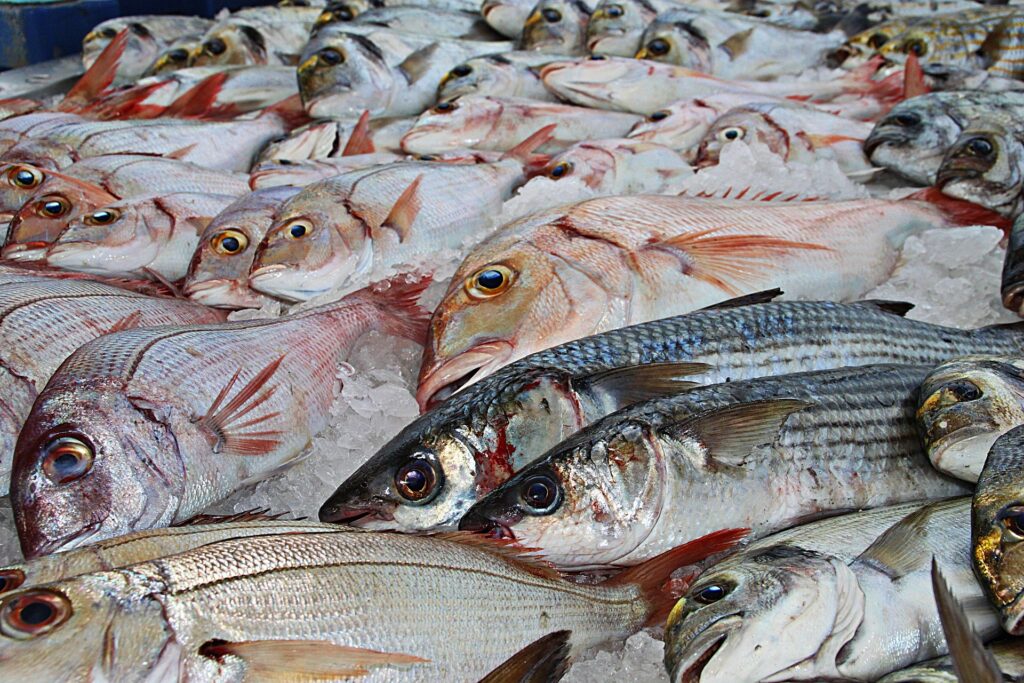
If you are planning a food-focused morning in Tokyo, Tsukiji Fish Market is still worth visiting in 2026 — as long as you understand what moved and what is still there.
The famous inner wholesale market and tuna auction moved to Toyosu in 2018. However, Tsukiji Outer Market is still active, with hundreds of shops, seafood vendors, restaurants, knife stores, tea shops, and casual places to eat.
This guide covers the best food to try at Tsukiji in 2026, rough price expectations, how to avoid closed shops, the local rules tourists often miss, and whether you should visit independently or book a guided market tour.
Updated September 2026: Opening hours, prices, payment methods, and closing days vary by shop. Use this as a planning guide and check the latest official calendar and individual shop details before you go.
Quick Answer for Tsukiji Fish Market Food
The best Tsukiji Fish Market foods to try in 2026 include kaisendon seafood bowls, tamagoyaki, grilled scallops and oysters, wagyu skewers, matcha sweets, and seasonal fruit desserts. Roughly, small snacks may cost a few hundred yen, while seafood bowls and premium grilled items can cost considerably more depending on ingredients, size, and toppings.
- Best time to arrive: Around 9:00 AM for most first-time visitors. If you arrive earlier, remember that professional buyers still have priority before 9:00 AM.
- Days to be careful with: Sundays, Japanese national holidays, and some Wednesdays often have fewer shops open. Check the official Tsukiji Outer Market calendar before visiting.
- Cash tip: Bring Japanese yen, especially 1,000-yen notes and coins. Some shops accept cards, QR payments, or IC cards, but smaller stalls may be cash-only.
- Local rule: Do not eat while walking. Eat beside the stall or in the vendor’s designated eating area.
- Tuna auction note: Go to Toyosu Market, not Tsukiji, if you want to see the tuna auction.
If your priority is food, atmosphere, and easy snacking, choose Tsukiji. If your priority is the professional tuna auction, choose Toyosu. If you want both, plan for a very early start and check the latest Toyosu viewing rules before you go.
How to Get to Tsukiji Outer Market
Tsukiji Outer Market is centrally located and easy to reach from Ginza, Tokyo Station, Shinjuku, Shibuya, and Asakusa.
- Tsukiji Station: Tokyo Metro Hibiya Line. The market is about a 1-minute walk from the nearest exit.
- Tsukiji-shijo Station: Toei Oedo Line. The market is about a 1-minute walk away.
- Higashi-Ginza Station: Tokyo Metro Hibiya Line / Toei Asakusa Line. The market is about a 3-minute walk away.
- From Ginza: You can walk south in about 10 minutes, depending on where you start.
- From Tokyo Station: Direct Toei buses from the Marunouchi South Exit stop at Tsukiji-Sanchome. A subway or taxi also works, depending on your route.
Use Google Maps or Japan Transit Planner on the day of your visit, especially if you are starting early or combining Tsukiji with Toyosu. Trains, buses, taxis, or walking are usually the easiest choices; if you drive, check the official Tsukiji access information for current parking guidance.
Tsukiji vs. Toyosu Market
Many travelers search for Tsukiji and Toyosu as if they are the same place, but they now serve different purposes.
| Decision Point | Tsukiji Outer Market | Toyosu Market |
|---|---|---|
| Best for | Street food, casual eating, shopping, and old-market atmosphere | Tuna auction viewing and modern wholesale-market observation |
| Best arrival time | Around 9:00 AM for most first-time food visitors | Very early morning for the tuna auction on market opening days |
| Food experience | Walkable alleys with snacks, seafood bowls, grilled seafood, sweets, and small restaurants | Sit-down restaurants inside a large modern market complex |
| Tuna auction | No. The auction moved to Toyosu in 2018. | Yes. General viewing is available from the visitor walkway, while the closer observation deck requires advance application and is allocated by lottery. |
| Reservation needed | Usually no for casual food stalls, but popular restaurants may have queues | No reservation is needed for the general visitor walkway, but the closer tuna auction observation deck requires advance application and a lottery |
| First-time visitor difficulty | Easy to enjoy independently if you arrive at the right time and follow local rules | More confusing because of the early start, large buildings, and viewing-area layout |
| Best choice with one morning | Choose Tsukiji if you mainly want to eat | Choose Toyosu if the tuna auction is your main goal |
If you are building this into a Tokyo 1-day itinerary, Tsukiji is usually easier to fit into a normal sightseeing day. Toyosu requires more planning because the auction happens very early and closer viewing is not guaranteed.
Best Tsukiji Fish Market Food to Try
Tsukiji can feel overwhelming on a first visit. The lanes are narrow, the queues move quickly, and there are more tempting foods than you can realistically eat in one morning. Keep your list short, arrive hungry, and decide whether you want one full meal or several small snacks.
The prices below are rough planning ranges only. Actual prices vary by shop, seafood quality, portion size, season, toppings, and menu changes.
Tsukiji is touristy, and it is not necessarily the cheapest place in Tokyo to eat seafood. Its advantage is convenience: many specialist shops and snacks are packed into a few walkable blocks, so it works best as a concentrated food experience rather than a hunt for the city’s lowest prices.
| Food | What It Is | Rough Price Expectation | Best For | Eating Tip |
|---|---|---|---|---|
| Kaisendon | A seafood rice bowl topped with tuna, salmon roe, sea urchin, shrimp, scallop, crab, or seasonal fish | Often mid-range to premium, depending on toppings | A proper sit-down breakfast or lunch | Choose this if you want one filling meal instead of grazing |
| Tamagoyaki | A sweet-savory Japanese rolled omelet made with egg and dashi | Usually one of the more affordable snacks | A classic Tsukiji bite | Eat it hot beside the stall |
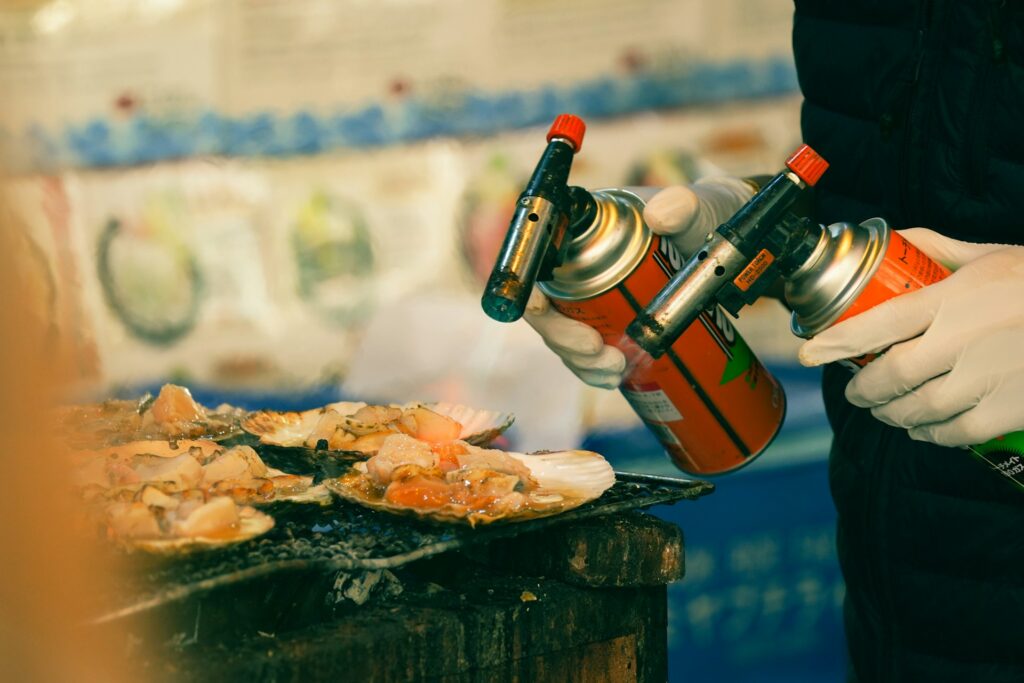
| Grilled scallops and oysters | Fresh shellfish grilled or torched to order, sometimes with butter, soy sauce, cheese, or sea urchin | Varies by size and topping | Quick seafood bites | Check the displayed price before ordering |
| Wagyu skewers | Grilled Japanese beef served on a skewer | Usually a splurge snack | A rich non-seafood option | Share one if you want room for more seafood |
| Matcha sweets and fruit | Green tea desserts, mochi, strawberries, melon, grapes, and seasonal sweets | Often good for a small dessert stop | A lighter finish after seafood | Look for seasonal fruit rather than rushing to the first stall |
| Horumon-don and fried snacks | Beef offal bowls, menchi-katsu, gyoza, and other non-seafood market foods | Varies by shop and portion | Travelers who do not want raw fish | Useful if your group has mixed tastes |
If you only want one filling meal, go for kaisendon. If you prefer grazing, start with tamagoyaki, add grilled shellfish, share a wagyu skewer, and finish with fruit or matcha sweets.
Kaisendon Seafood Bowls
If you want a full meal at Tsukiji, start with kaisendon. These seafood rice bowls are usually topped with combinations of tuna, salmon roe, sea urchin, shrimp, crab, scallop, or seasonal fish.
Kaisendon is a good choice if you want to sit down, slow down, and feel like you have had a proper fish-market meal. It is also easier than trying to balance too many small snacks in a crowded lane.
Prices vary widely depending on the seafood, especially if you choose premium tuna or sea urchin. Check the menu carefully before ordering, and remember that the most photogenic bowl is not always the best value.
For a specific tuna-focused option, Maguroya Kurogin Tsukiji Honten at 4-10-12 Tsukiji serves bluefin tuna as sushi, sashimi, and rice bowls. The official market listing currently shows hours of 8:00 or 8:30 AM to 12:30 PM, while stocks last. Recent 2026 menu listings show examples from around ¥1,100 for a maguro roll to ¥3,400 for premium three-cut sets or bowls, so check the current menu before ordering.
Tamagoyaki Sweet Omelet
Tamagoyaki is one of the easiest Tsukiji foods to try because it is small, warm, and usually quick to order. It is a rolled Japanese omelet with a sweet-savory flavor from egg, dashi, and seasoning.
Well-known tamagoyaki shops around Tsukiji include places such as Shouro, but opening days, queues, and prices can change. Instead of chasing only one famous name, look for a stall that is open, busy, and displaying prices clearly.
If you want one concrete starting point, Tsukiji Yamacho at 4-10-10 Tsukiji is officially listed as open from 6:00 AM to 3:30 PM with no closing day. Recent 2026 visitor reports put its hot tamagoyaki skewer at around ¥250.
This is a good first snack if you want something light before heavier seafood. It is also a useful option for travelers who are not ready for raw fish first thing in the morning.
Grilled Scallops and Oysters
Grilled scallops and oysters are among the most eye-catching foods in Tsukiji. Some stalls serve them plain, while others add butter, soy sauce, cheese, or sea urchin toppings.
These are best treated as quick seafood bites rather than a full meal. Because sizes and toppings vary, always check the price displayed at the stall before ordering.
If you are visiting with someone who is hesitant about raw fish, grilled shellfish is a good middle ground: cooked, warm, and still very much a market seafood experience.
If your travel dates are already fixed and you want to see both Toyosu and Tsukiji in one morning with a guide, check the latest availability for the Toyosu Tuna Auction & Tsukiji Market Gourmet Adventure. Start times, included food, transport details, viewing arrangements, and cancellation rules can vary by date and selected option.
Wagyu Beef Skewers
Tsukiji is famous for seafood, but it is not only a seafood market. You will also find stalls selling grilled wagyu beef skewers, often cooked or torched in front of you.
This is usually a richer and more expensive snack than tamagoyaki, so it works best as a shared bite if you want to save space for sushi, shellfish, or dessert.
Matcha Sweets and Seasonal Fruit
After seafood and grilled snacks, look for matcha sweets, mochi, strawberries, melon, grapes, or other seasonal fruit desserts. These are especially useful if you are visiting with someone who does not eat raw seafood.
Popular sweets can be just as crowded as seafood stalls, so avoid blocking the lane while choosing or taking photos. Buy your dessert, step to the side or the vendor’s designated eating area, and enjoy it there.
For a specific dessert stop, Tsukiji Soratsuki at 4-11-10 Tsukiji is officially listed from 8:00 AM to 3:00 PM with no fixed holiday; its July 2026 menu lists ichigo daifuku at ¥500. For a drink afterward, Matcha Stand Maruni Tokyo Tsukiji at 4-14-18 Tsukiji is officially listed from 8:00 AM to 4:00 PM, with Sunday and national-holiday hours of 9:00 AM to 3:00 PM and Wednesdays closed. Current menu listings put matcha and matcha lattes at around ¥600.
Beyond Seafood: What Else to Eat at Tsukiji
Tsukiji is not just about raw fish. If you have a non-seafood eater in your group, or if you simply want variety, look for cooked and non-seafood options too.
- Horumon-don: A hearty beef offal bowl simmered in a rich sauce. It is a classic market-worker style meal. One concrete option is Kitsuneya at 4-9-12 Tsukiji, officially listed from 6:30 AM to 1:30 PM and closed on Sundays, national holidays, and some Wednesdays. Recent September 2026 menu reports put the horumon-don at around ¥900.
- Menchi-katsu: A deep-fried minced meat cutlet that works well as a quick snack.
- Gyoza: Japanese-style dumplings, sometimes available from dedicated food stalls around the market area.
- Tea, pickles, and sweets: Good options if you want something lighter or a souvenir to take away.
If you are traveling with someone who does not eat fish at all, these foods make it easier to share the Tsukiji experience without forcing everyone into raw seafood.
Sample Eating Route for First-Time Visitors
Tsukiji’s lanes can feel chaotic on a first visit. Instead of wandering aimlessly, try one of these two simple routes depending on how much time you have.
90-Minute Grazing Route
This route is best if you prefer several small snacks instead of a full meal.
- Stop 1 — around 9:00 AM: Start at Tsukiji Yamacho with one tamagoyaki skewer.
- Stop 2 — around 9:10–9:15 AM: Make Maguroya Kurogin your main tuna stop while stock is still available. If you prefer cooked seafood, grilled scallops or oysters are an easy substitute.
- Stop 3 — optional: Add Kitsuneya if you are still hungry or want a filling non-seafood dish. If you want something smaller, a wagyu skewer or another cooked snack leaves more room for dessert.
- Stop 4 — around 10:00 AM: Stop at Tsukiji Soratsuki for ichigo daifuku or another sweet.
- Stop 5 — around 10:10–10:20 AM: Finish at Matcha Stand Maruni with matcha or a matcha latte.
If tuna is your highest-priority stop, go there first because Kurogin can sell out. On a busy Saturday, allow closer to two hours because queues are unpredictable.
For the four-stop core route, roughly ¥2,500–¥5,000 per person is a sensible planning budget, depending mainly on your tuna order. Add around ¥900 if you also eat a full horumon-don.
2-Hour Full Meal Route
This route is best if you want a proper seafood meal and a slower visit.
- Stop 1: Begin with a small snack such as tamagoyaki.
- Stop 2: Sit down for kaisendon at a shop with a clear menu board and prices you are comfortable with.
- Stop 3: Walk through the side lanes and browse tea, pickle, dried seafood, or kitchenware shops.
- Stop 4: End with fruit, matcha sweets, or one final grilled seafood bite if you still have room.
Both routes work well for first-time visitors. The key is avoiding major closing days when possible and walking slowly enough to notice side stalls instead of only following the biggest queue.
Tsukiji Market Hours and Local Rules
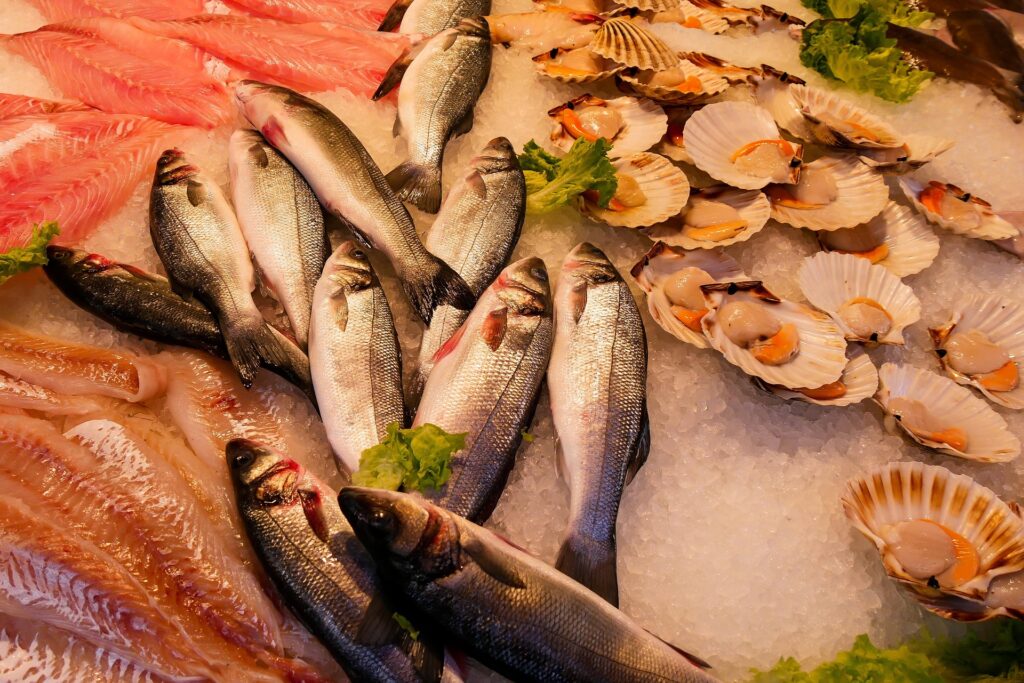
Tsukiji is easy to enjoy, but it is still a working food district serving professional buyers as well as tourists. A little preparation will help you avoid closed shops, awkward etiquette mistakes, and unnecessary stress.
Best Time and Days for Food Stalls
For most first-time visitors, around 9:00 AM is the safest arrival time. Many food shops are active, the market atmosphere is lively, and you are not arriving so late that popular items have already sold out. The market’s official schedule describes 6:00–9:00 AM as professional buyer’s hours and 9:00 AM–2:00 PM as public buyer’s hours.
If you arrive before 9:00 AM, be extra careful not to block shop entrances, carts, or workers. Early morning is still an important business time for professional buyers.
Do not plan your visit too late. By early afternoon, many food stalls and restaurants may already be closing or running out of popular items.
Sundays, Japanese national holidays, and some Wednesdays can have limited openings, depending on the shop and market calendar. Always check the latest official calendar and individual shop listings before you go.
Cash, Cards, and IC Payments
Bring Japanese yen with you. Some larger restaurants and modern vendors may accept credit cards, QR payments, or IC cards such as Suica and PASMO, but smaller food stalls may still prefer cash.
Carry 1,000-yen notes and coins so you can pay quickly without holding up the line. If you plan to eat several snacks and a seafood bowl, bring enough cash for a flexible food budget rather than relying on one fixed estimate.
Look for payment logos at the register, but do not assume every vendor accepts cards or IC payments. Cash is still the safest backup.
No Eating While Walking
The most important Tsukiji food rule is simple: do not eat while walking.
Tsukiji’s lanes are narrow, crowded, and still used by local workers moving goods. Walking with skewers, hot food, drinks, or seafood trays can create a safety problem and is considered poor manners.
After buying food, eat beside the stall or in the vendor’s designated eating space. When you finish, return trash to the same vendor if they ask you to do so.
Luggage, Strollers, Shoes, and Photos
Avoid bringing large suitcases into Tsukiji. The lanes can be crowded, and bulky luggage makes it harder for visitors and shop staff to move safely. Use coin lockers at nearby stations when possible.
Baby strollers: A compact stroller can work, but some lanes are tight, especially on weekends and holidays. A large travel stroller may be difficult to maneuver during busy hours.
If it is too crowded to maneuver comfortably, the Plat Tsukiji information center offers temporary stroller storage for ¥500 per stroller.
Wear comfortable shoes that can handle wet or uneven surfaces. Fish-market streets and shop fronts may be damp, especially in the morning or after rain.
Ask before taking close-up photos of shop staff, counters, or seafood displays. Some vendors welcome photos, while others prefer that you order first or avoid photographing certain areas.
Shopping at Tsukiji: Knives, Tea, Pickles, and Souvenirs
If you finish eating and have energy to browse, Tsukiji is also a good place to look for Japanese kitchen gear and food souvenirs.
- Knife shops: Tsukiji has long-running kitchenware and knife stores selling everything from everyday knives to professional-grade tools. Prices vary widely, so ask questions and confirm how to pack knives safely for travel.
- Pickles and dried seafood: Several small shops sell tsukemono, dried fish, nori, and other compact food souvenirs.
- Dashi ingredients: Kombu, bonito flakes, and other pantry staples are compact options if you want a food souvenir you can use at home.
- Green tea and matcha: Tea shops around the market area may sell matcha, hojicha, senbei, and packaged gifts.
Some souvenir and kitchenware shops may accept cards, but cash is still useful, especially at smaller stores.
Toyosu Tuna Auction and Tsukiji Food Route
Many travelers want to combine both markets in one morning: Toyosu for the early tuna auction and Tsukiji for breakfast or street food afterward.
This can work well, but it requires an early start. The tuna auction happens at Toyosu, not Tsukiji. On market opening days, the auction is typically held from around 5:30 AM to 6:30 AM. The second-floor visitor walkway does not require advance application, while the closer observation deck requires advance application and is allocated by lottery.
A simple route looks like this:
- Before dawn: Travel to Toyosu Market for the tuna auction viewing areas on a market opening day.
- Early morning: Watch the auction from the second-floor visitor walkway, or use the closer observation deck if you applied in advance and won the lottery.
- After the auction: Move from Toyosu to Tsukiji Outer Market.
- Around 9:00 AM: Start eating at Tsukiji, beginning with a seafood bowl or a few classic snacks.
This is easier if you are staying somewhere with good early-morning transport. If you are still deciding where to stay in Tokyo, choose a location that makes early trains or taxis realistic if Toyosu is a priority.
DIY Visit vs. Guided Food Tour
You can absolutely visit Tsukiji on your own. For many travelers, a DIY visit is the best option, especially if you only care about food and do not need to see the tuna auction.
A guided tour becomes more useful if you want to combine Toyosu and Tsukiji in one morning, understand what is happening at the tuna auction, and avoid figuring out the early-morning logistics alone.
| Decision Point | DIY Visit | Guided Food Tour |
|---|---|---|
| Best for | Travelers who mainly want to eat at Tsukiji at their own pace | Travelers who want Toyosu tuna auction context plus Tsukiji food in one morning |
| Start time | Flexible if you only visit Tsukiji | Usually very early if Toyosu is included |
| Cost | You pay only for transport and the food you choose | Higher upfront cost, often including guiding and some food or transport elements |
| Food choices | You choose every stall yourself | The guide may choose or recommend specific stops |
| Transport between markets | You handle trains, taxis, walking routes, and timing yourself | The route between markets is explained or coordinated for you |
| Language support | You may need pointing, translation apps, or simple Japanese phrases | A guide can explain ingredients, ordering, and market customs |
| Tuna auction context | You can watch from visitor areas, but may not understand the process | A guide can explain what you are seeing and why it matters |
| What is not guaranteed | Popular shops may close, sell out, or have long queues | Specific stalls, foods, transport details, and closer auction viewing may still depend on shop hours, tour details, date, and access rules |
Best Choice for Independent Travelers
Choose a DIY visit if your main goal is to eat Tsukiji food without a strict schedule. Focus on two or three foods instead of trying to eat everything.
This is the better option if you want flexibility, lower cost, and time to wander. It also works well if you are not interested in the Toyosu tuna auction.
Best Choice for First-Time Visitors With Limited Time
Choose a guided tour if you want to see Toyosu and Tsukiji in one morning without managing every detail yourself. The value is not just the food; it is the early-morning timing, market explanations, and help understanding the difference between the two locations.
Before booking, read the tour details carefully. Check the start time, meeting point, included food, cancellation policy, transport details, and whether any closer auction viewing support is available for your date.
Verdict: If you only want to eat, visit Tsukiji independently. If you want the Toyosu tuna auction plus a guided food route through Tsukiji, a combined tour can reduce schedule stress.
Check availability for the Toyosu Tuna Auction & Tsukiji Market Gourmet Adventure — start times, included food, transport details, viewing arrangements, and cancellation policies vary, so review the latest tour page before booking.
Tsukiji Fish Market FAQ
Which station is closest to Tsukiji Outer Market?
Tsukiji Station and Tsukiji-shijo Station are both very close to the market. Higashi-Ginza Station is also convenient if you are coming from the Ginza area or using the Asakusa Line.
How long should I spend at Tsukiji Outer Market?
Plan on 2 to 3 hours if you want to eat, browse, take photos politely, and sit down for a seafood bowl. If you only want a few snacks, 60 to 90 minutes can be enough.
Is Tsukiji Fish Market good with kids?
Yes, with some planning. Tamagoyaki, grilled shellfish, wagyu skewers, fruit, and sweets give children more options than raw seafood alone. A compact stroller is easier than a large travel stroller, especially during busy hours.
Final Verdict for Tsukiji Food Lovers
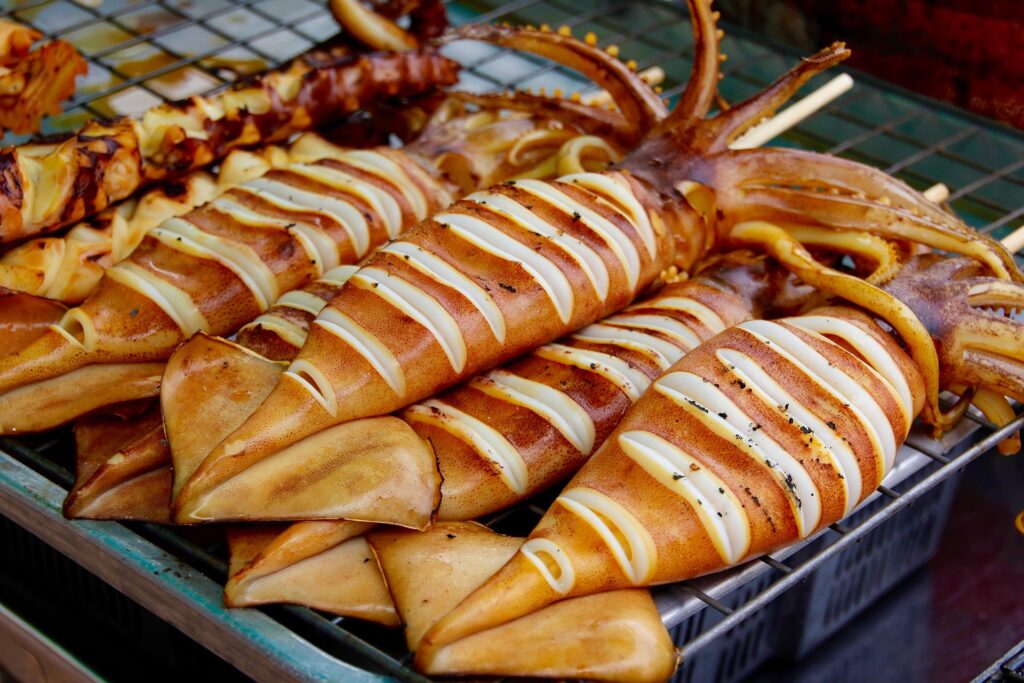
Choose Tsukiji if…
You want a food-first Tokyo market experience with casual eating, shopping, and the lively outer-market atmosphere.
Choose Toyosu if…
The tuna auction is your main goal. Toyosu is more modern, more spread out, and better for observing the wholesale market than casual street-food grazing. Check the latest access rules in advance if you want closer tuna auction viewing.
Choose a guided tour if…
You want to combine the Toyosu tuna auction with a guided Tsukiji food route in one morning. Compare the start time, included food, meeting point, viewing details, transport arrangements, and cancellation policy before booking.
If you are ready to compare both markets in one early morning, check current availability and tour details for the Toyosu Tuna Auction & Tsukiji Market Gourmet Adventure.
Prices, opening hours, closing days, transport schedules, Toyosu viewing rules, payment methods, shop availability, and tour inclusions can change. Always check official sources and your selected booking page before finalizing your trip.

Hi, I’m Kai. I’m a Tokyo-based travel writer, tourism industry insider, and the author of a published guidebook for international visitors to Japan. With over 10 years of professional experience at a leading Japanese tourism company, my mission is to help you skip the tourist traps and navigate Japan’s best destinations like a local. I believe the perfect day trip is like a traditional kaiseki meal: a beautiful balance of precise planning and unforgettable seasonal discovery. When I’m not out conducting field research, you’ll usually find me drafting new itineraries with one of my favorite fountain pens!