
Kyoto is on almost every Japan family itinerary, but if you are traveling with a baby or toddler, the hillside temples, stone steps, and crowded city buses can make the ancient capital feel intimidating before you even arrive.
The honest answer: Kyoto is stroller-manageable, not stroller-easy. It is safe, clean, and absolutely possible with young children, but the best family days usually combine a compact stroller, a baby carrier, trains where possible, taxis for steep approaches, and one realistic indoor break when temple fatigue hits.
This guide gives you the practical breakdown of visiting Kiyomizu-dera and Fushimi Inari with a stroller, where to rent a buggy, how to avoid the most stressful transport choices, and when a private driver-guide may be worth comparing before you commit to a full DIY route.
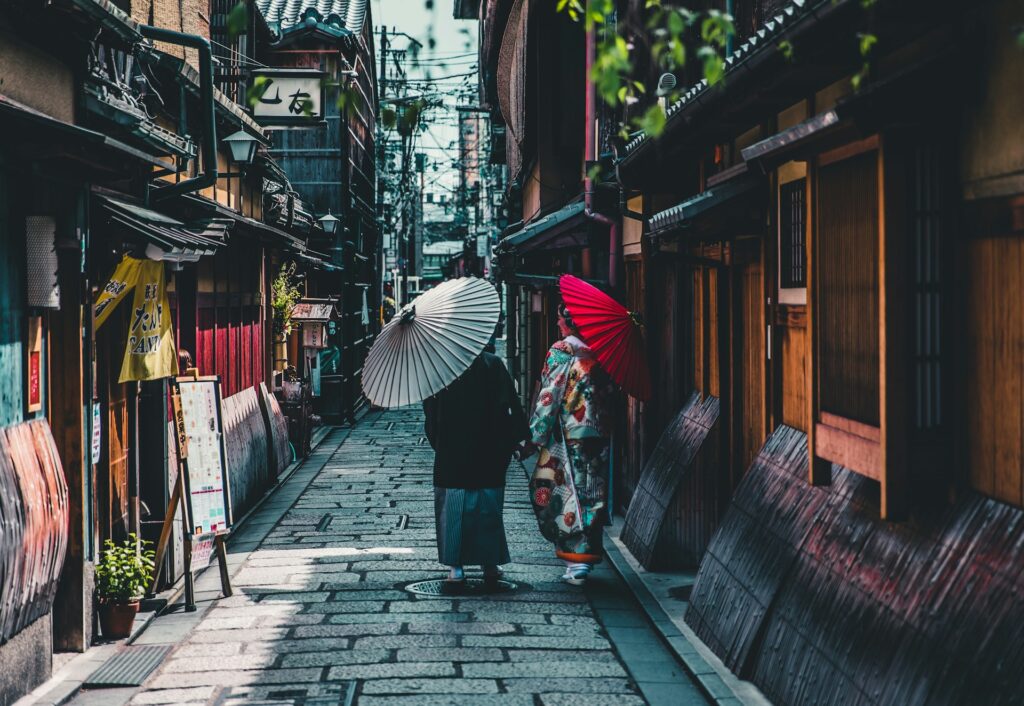
Quick Answer: Is Kyoto Stroller-Friendly?
Yes, but not every street, temple, or bus route is easy with a stroller. Here is the realistic version:
- Safety: Kyoto is generally very safe for families. Streets are clean, violent crime is rare, and Japan’s tap water is generally safe to drink.
- Stroller accessibility: Some major sights, including Kiyomizu-dera, have barrier-free routes, but you should still expect slopes, crowds, and some uneven surfaces.
- Public transport: Trains and subways are usually the easiest option with a stroller. City buses can technically accept strollers on some vehicles, but popular tourist routes are often too crowded to be comfortable with an unfolded stroller.
- Fushimi Inari: The lower shrine area is manageable with a stroller, but the upper mountain trail is not stroller-friendly. Bring a baby carrier if you want to hike.
- Temple fatigue: Most young children lose interest after one or two temples. Mixing sightseeing with hands-on or indoor activities makes the day much easier.
- Best upgrade for families: If you have more than one young child, grandparents, or a lot of gear, compare a private driver-guide before building your day around buses and uphill walks.
Should You Bring a Stroller or Rent One in Kyoto?
This is one of the first decisions parents face. In Kyoto, the best setup for many families is a compact stroller plus a baby carrier. Use the stroller for flat streets, stations, museums, and naps. Use the carrier for stairs, temple approaches, and crowded areas.
| Option | Best For | What to Know |
|---|---|---|
| Bring your own stroller | Families with babies or toddlers who nap in the stroller | A lightweight, foldable stroller is best. Avoid heavy jogging strollers on Kyoto’s narrow streets and stone-paved lanes. |
| Rent at MK Kyoto Travel Center | Families arriving at Kyoto Station who want to pack lighter | MK lists stroller rental at Kyoto Station’s Hachijo Exit area. At the time of writing, the service is listed as cash-only, with daily rental and a maximum rental period, but you should check the latest MK details before relying on it. |
| Rent via Babycal / Crosta Kyoto | Families who prefer reserving a stroller in advance | Babycal-style rentals usually require online registration and reservation. Availability, location, price, and pickup rules can vary, so confirm before your travel day. |
Our recommendation: Bring a compact stroller if your child naps in one, but do not rely on the stroller alone. A baby carrier is extremely useful for Fushimi Inari’s upper paths, temple stairs, train transfers, and crowded lanes.
Getting Around Kyoto with a Stroller
Transport can make or break a family day in Kyoto. The goal is not to avoid all public transport; it is to choose the routes that are least stressful with a child, bags, and a stroller.
City Buses: Possible, But Often Stressful
Kyoto city buses are useful for many travelers, but they are not ideal with an unfolded stroller on busy sightseeing routes. Some buses are designed to accommodate strollers, but in practice the bus may be packed, the aisle may be narrow, and boarding can feel rushed.
If you are traveling at a quiet time and can fold the stroller quickly, a bus may be manageable. If the stop has a long queue, your child is asleep in the stroller, or you are carrying luggage, choose a train, subway, or taxi instead.
Kai’s tip: The mistake I see travelers make is treating Kyoto buses like a guaranteed solution. With a stroller, the better rule is simple: if the bus stop already has a long line, change the plan before everyone gets tired. A short taxi hop or train detour can save more energy than waiting for a crowded bus you may not want to board.
Subway and Trains: Usually the Best Option
The Kyoto City Subway, JR lines, Hankyu, and Keihan railways are usually much easier with a stroller than buses. Look for elevator signs, use wide ticket gates where available, and allow extra time for station transfers.
Good stroller-friendly rail connections include:
- Kyoto Station: Best for shinkansen, JR lines, hotels, taxis, Kyoto Aquarium, and Kyoto Railway Museum.
- Inari Station: Very convenient for Fushimi Inari Taisha.
- Gion-Shijo / Kawaramachi area: Useful for central dining, shopping, and access to eastern Kyoto.
Taxis: Best for the Final Uphill Stretch
Taxis are useful in Kyoto when the final approach is steep, your child is tired, or you want to avoid a crowded bus. This is especially helpful around Higashiyama and Kiyomizu-dera. Fares depend on distance, traffic, and time of day, so treat any estimate as approximate.
You can flag a taxi on major streets, ask your hotel to call one, or use a ride-hailing app where available. Many taxis in Japan have automatic doors, so let the driver open and close the door for you.
When I Would Compare a Private Driver-Guide
If your Kyoto day includes Kiyomizu-dera, Fushimi Inari, Gion, naps, diaper bags, and possibly grandparents, the hardest part is not one attraction. It is the transfer between attractions. This is where a private driver-guide can be a serious upgrade rather than a luxury.
Why I’d book this one:
- It reduces the bus problem: You avoid the most stressful part of Kyoto with a stroller: crowded sightseeing buses and repeated folding, lifting, and re-opening.
- It helps with Kyoto’s hills: For places like Kiyomizu-dera, being dropped closer to the upper approach can save the energy you actually need for the visit itself.
- It fits families who need flexibility: Booking-page reviewers tend to emphasize easier drop-offs and pick-ups, better use of limited time, and the comfort of having a friendly local driver help connect the day.
If your family has more than one young child, a stroller plus luggage, or a traveler who struggles with long walks, check the current route, vehicle format, pickup rules, inclusions, and availability for the Kyoto: Family-Friendly Private Tour with Driver-Guide before you build the whole day around public transport.
| Option | Best For | Price / Details |
|---|---|---|
| Family-Friendly Private Tour with Driver-Guide | Families with toddlers, grandparents, multiple stops, or stroller-heavy logistics | Check the booking page for current availability, pickup rules, route, vehicle format, and price. |
| Guided Kyoto Route: Kiyomizu-dera, Fushimi Inari & Gion | Families with older children who can walk more and want guided sightseeing rather than private vehicle support | Check the booking page for current route, meeting point, walking level, inclusions, and price. |
Kiyomizu-dera with a Stroller: The Smart Route
Kiyomizu-dera is famous for its wooden stage and hillside location, so many parents assume it is impossible with a stroller. It is more manageable than it looks, but only if you avoid the hardest uphill approach.
The temple has barrier-free route information, and there are step-free paths in parts of the grounds. However, you should still expect slopes, crowds, and some gravel or uneven surfaces. A lightweight stroller is much easier here than a heavy one.
The Mistake Most Parents Make
The hardest option is taking a bus to the Gojozaka or Kiyomizu-michi area and then pushing a stroller uphill through crowded lanes toward the temple. The streets are atmospheric, but the climb can be exhausting with a toddler, diaper bag, and stroller.
The Better Stroller Route
- Use a taxi for the uphill section: Ask to be dropped near the upper Chawan-zaka side or as close as legally and practically possible to the temple approach. This helps you avoid the worst of the climb.
- Follow the barrier-free route: Once inside the grounds, look for accessibility signs or ask staff. The main areas are more manageable than many parents expect, but move slowly on slopes and uneven sections.
- Walk downhill afterward: After visiting the temple, roll downhill through the traditional streets around Matsubara-dori, Sannenzaka, and Ninenzaka. This is much easier than pushing uphill and gives you the classic Kyoto atmosphere.
Kai’s tip: I always tell readers to think of Kiyomizu-dera as a downhill day, not an uphill day. Spend your taxi money before the temple, not after it. Rolling down through the old streets is far easier than pushing a stroller up them while everyone else is stopping for photos.
Good to know: Accessible restrooms and baby-changing facilities may be available in major temple areas, but details can change. For current admission, opening hours, seasonal night visits, and access details, see our complete Kiyomizu-dera guide and check the official temple information before visiting.
Fushimi Inari with a Stroller: What Is Realistic?
Fushimi Inari Taisha is one of Kyoto’s most iconic sights, but it is also built around a mountain trail. With a stroller, the key is to enjoy the lower area and be realistic about the stairs.
Where You Can Go with a Stroller
The lower shrine grounds are the easiest part. You can usually manage the main shrine area and the beginning of the famous torii gate path with a stroller. This section gives you the classic Fushimi Inari experience without committing to the mountain hike.
The Turning Point
Once the path begins to slope upward and turns into uneven stone steps, the stroller portion of your visit is over. Turn around here if you are not carrying a baby carrier. You will still have seen the famous red gates and taken the key photos without dragging a stroller up stairs.
Kai’s tip: If I had one stroller day in Kyoto, I would treat the upper Fushimi Inari hike as optional. The lower shrine and first torii sections already give most families the memory they came for. Pushing higher only makes sense if you have a carrier, enough time, and a child who is still comfortable.
If You Want to Hike Higher
The upper Fushimi Inari route is not stroller-friendly. If you want to continue beyond the lower gates, use a baby carrier and leave the stroller at your hotel, in a station locker if available, or with one adult waiting below. Do not rely on large lockers being available at the exact time you arrive, especially during busy seasons.
For a detailed trail map, section-by-section timing, and night access tips, see our full Fushimi Inari guide.
Beating Temple Fatigue: Hands-On Activities for Kids
After one or two temples, many young children are done. Kyoto’s history may be fascinating for adults, but toddlers often need something more active, creative, or snack-related. Planning one indoor or hands-on break can make the whole day smoother.
Kyoto Ramen Bowl Painting & Cooking Class
The Kyoto: Ramen Bowl Painting and Michelin Cooking Class can work well for families because it is short, indoors, and centered around food and creativity. Before booking, check the latest details carefully, including age suitability, start time, what is included, and whether painted items are available for same-day takeaway, later pickup, or shipping.
For families, the value is not only the ramen. It is the reset. Booking-page reviewers commonly describe this kind of activity as hands-on and easy to follow, which matters when children have already spent the morning walking, waiting, and being asked to stay quiet at temples.
| Feature | Traditional Temple Hopping | Ramen Painting & Cooking Class |
|---|---|---|
| Kid Engagement | Often low after the first few stops | Higher because it is hands-on and food-focused |
| Weather Dependency | Rain, heat, and cold can make temple visits harder | Indoor activity, useful for bad weather or midday breaks |
| Schedule Fit | Can stretch into a long half-day | Usually easier to fit between sightseeing stops, depending on available times |
| Practical Benefit | Great photos and cultural learning | Can double as a meal break if the selected option includes food |
Best for: Families who want a short, creative break from temples and a food-related activity that children can understand easily.
Skip this if: Your family does not eat noodles or broth-based dishes, you need a fully flexible schedule, or the available start times do not fit your child’s nap routine.
If your travel dates are fixed, compare the current availability, start times, age guidance, inclusions, and meal details for the ramen class here before building your day around it.
Other Indoor Backup Options
If the ramen class does not fit your family’s style, Kyoto has several indoor or weather-friendly options that can work well with children:
- Kyoto Aquarium Admission Ticket: Convenient if you are staying near Kyoto Station and need an indoor break.
- Toei Kyoto Studio Park / Uzumasa Kyoto Village Ticket: Better for older children who are interested in ninja, samurai, film sets, and performances. Check the latest attraction schedule before going.
- Kyoto Railway Museum: A strong option for train-loving children and families who want an indoor activity near Kyoto Station. Check current opening days, ticket rules, and activity availability before visiting.
If you need more dining ideas during your trip, see our guide to kid-friendly restaurants in Kyoto.
Where to Stay in Kyoto with a Stroller
Your hotel location matters more in Kyoto than in some other Japanese cities because temple areas can be hilly and bus routes can be crowded. Staying near a station or taxi-friendly area makes family travel much easier.
| Area | Why It Works for Families | Best For |
|---|---|---|
| Kyoto Station Area | Easy access to JR lines, subway, taxis, shinkansen, restaurants, and indoor family attractions. | First-time visitors, families with luggage, rainy-day backup plans |
| Shijo-Kawaramachi / Gion | Central dining, shopping, riverside walks, and easier evening options without long transfers. | Families who want to explore on foot and stay near restaurants |
| Higashiyama | Traditional atmosphere and proximity to Kiyomizu-dera, Sannenzaka, and Ninenzaka. | Families prioritizing atmosphere and temple access over transport convenience |
What to check before booking: Confirm elevator access, room size, stroller storage, coin laundry, and whether the property has stairs at the entrance. Some traditional stays are beautiful but not practical with a stroller.
Parenting Essentials: Diapers, Food & Baby Supplies in Kyoto
Kyoto is well equipped for families, but knowing where to look saves time when your child needs something immediately.
- Diapers and wipes: Look for drugstores, large supermarkets, and major electronics stores with baby sections. Common Japanese diaper brands may differ from what you use at home, so bring a small backup supply for the first day.
- Baby food and snacks: Drugstores, supermarkets, and convenience stores usually carry simple toddler-friendly foods such as rice balls, bananas, yogurt, bread, and packaged snacks. Japanese baby food brands may have different textures and ingredients, so check labels carefully if your child has allergies.
- Nursing rooms: Major train stations, department stores, shopping centers, and larger attractions often have nursing rooms or multi-purpose restrooms. Look for baby room signs or ask staff.
- Tap water: Tap water in Japan is generally safe to drink. For infant formula or medical needs, follow your usual pediatric guidance and use boiled or prepared water if that is what your child requires.
- Medicine: Bring essential children’s medicine from home if possible. Japanese children’s medicine can use different ingredients, dosages, and labeling, so speak with a pharmacist if you need to buy something locally.
Seasonal Tips for Families Visiting Kyoto
Spring: Cherry blossom season is beautiful but very crowded. Start early, keep the schedule light, and avoid packing too many major sights into one day.
Summer: Kyoto can be very hot and humid. Plan indoor breaks, carry water, use sun protection, and avoid long outdoor temple walks during the hottest part of the day.
Autumn: Fall foliage season is another peak period. The weather is often pleasant for strolling, but popular temples can be extremely busy.
Winter: Kyoto is colder than many first-time visitors expect, especially in the morning and evening. Crowds are usually lighter outside major holiday periods, and indoor attractions become more appealing.
Kai’s tip: What catches people out in Kyoto is not just distance; it is the combination of crowds, slopes, weather, and waiting. In summer or peak foliage season, I would rather plan one major sight properly than squeeze in three and spend the afternoon managing meltdowns. A lighter schedule usually feels more expensive on paper but much better on the ground.
Sample Family Itinerary: One Day in Kyoto with a Stroller
This is a flexible sample day, not a fixed schedule. Adjust it based on your child’s nap time, your hotel location, weather, and attraction opening hours.
Morning: Fushimi Inari Lower Area
Start with Fushimi Inari while your child still has energy. Stay in the lower shrine area and the beginning of the torii gate path. Turn around when the route becomes stairs or starts climbing too much for the stroller.
Late Morning or Lunch: Indoor Activity
Add a short indoor activity or lunch break before everyone gets tired. If the timing works, check the current availability for the Kyoto Ramen Bowl Painting and Cooking Class. Otherwise, choose a simple lunch spot or a Kyoto Station-area backup.
Early Afternoon: Kamo River, Nishiki Market, or Rest
If your child still has energy, take a flat walk along the Kamo River or explore a covered shopping area. If not, return to the hotel for a nap. A rested toddler is more valuable than one extra sightseeing stop.
Later Afternoon: Kiyomizu-dera by Taxi
Use a taxi for the uphill approach to Kiyomizu-dera, follow the barrier-free route where possible, and then walk downhill through the traditional streets afterward. Keep expectations realistic if the area is crowded.
Easier Version: Driver-Guide Day
If the above plan sounds good but the transfers sound exhausting, compare the Kyoto family-friendly private tour with driver-guide before finalizing your route. This is especially worth checking if your group includes toddlers, grandparents, or anyone who would struggle with repeated train transfers and uphill approaches.
Frequently Asked Questions
Are Kyoto buses stroller-friendly?
They can be, but they are often not the easiest choice. Some Kyoto buses can accommodate strollers, but tourist routes are frequently crowded. With an unfolded stroller, trains, subways, taxis, and sometimes a private driver-guide are usually less stressful.
Where can I rent a stroller in Kyoto?
Options may include MK Kyoto Travel Center near Kyoto Station and reservation-based services such as Babycal / Crosta Kyoto. Rental fees, hours, payment methods, and availability can change, so check the latest official details before relying on a rental.
Can I take a stroller into Kiyomizu-dera?
Yes, parts of Kiyomizu-dera can be visited with a stroller using barrier-free routes, but the temple is still on a hillside. Expect slopes, crowds, and some uneven or gravel surfaces. A lightweight stroller is strongly recommended.
Can I visit Fushimi Inari with a stroller?
Yes, you can visit the lower shrine area and the beginning of the torii gates with a stroller. The upper mountain trail is not stroller-friendly because it involves slopes and many stone steps. Bring a baby carrier if you want to hike higher.
Is a private driver-guide worth it in Kyoto with kids?
It can be worth comparing if you have toddlers, grandparents, multiple sightseeing stops, or a stroller-heavy day. The biggest benefit is not luxury; it is reducing transfers, crowded buses, uphill approaches, and route-planning stress.
Where can I find baby changing facilities in Kyoto?
Baby-changing facilities are commonly found in major train stations, department stores, shopping malls, and larger attractions. Look for multi-purpose restrooms or baby room signs.
Is tap water safe for toddlers in Kyoto?
Tap water in Japan is generally safe to drink. For infants, formula preparation, or medical concerns, follow your usual pediatric guidance.
What should I do on a rainy day in Kyoto with kids?
Good rainy-day options include Kyoto Aquarium, Kyoto Railway Museum, a short indoor cooking or craft activity, department-store dining floors, or a covered shopping arcade. Always check opening hours and ticket rules before heading out.
Where can I buy baby food and diapers in Kyoto?
Try drugstores, supermarkets, convenience stores, and large electronics stores with baby sections. If your child has allergies or specific brand needs, bring enough from home for the first few days.
Final Verdict: What Is the Best Plan for Your Family?
Choose the DIY stroller + train plan if: You have one child, a hotel near a station, and you are comfortable navigating Japan’s rail system.
Choose taxis strategically if: You want to visit hillside areas like Kiyomizu-dera without exhausting everyone before the visit begins.
Choose a private driver-guide if: You have more than one young child, are traveling with grandparents, want to connect several major sights in one day, or simply want to reduce route-planning stress.
For those families, I would compare the Kyoto: Family-Friendly Private Tour with Driver-Guide first. Check the current route, vehicle type, pickup rules, stroller practicality, inclusions, cancellation terms, and price before booking, because those details can change and they matter more when you are traveling with young children.
Choose a guided walking route if: You want help connecting major sights such as Kiyomizu-dera, Fushimi Inari, and Gion without planning every transfer yourself, and your children are old enough to walk comfortably. You can review the current details for this guided Kyoto route covering Kiyomizu-dera, Fushimi Inari, and Gion.
For infants: Prioritize short routes, indoor breaks, and a baby carrier. Do not build the whole day around a stroller-only plan.
For toddlers: Plan one major sight in the morning and one easy activity or rest period later. A compact stroller plus carrier is the safest combination.
For older kids: You may not need a stroller at all. Hands-on attractions, food experiences, and railway or film-studio-style activities may be bigger hits than another temple.
Prices, opening hours, transport schedules, rental conditions, pass rules, tour inclusions, payment methods, accessibility details, and seasonal operations can change. Always check official sources and your selected booking page before finalizing your trip.

Hi, I’m Kai. I’m a Tokyo-based travel writer, tourism industry insider, and the author of a published guidebook for international visitors to Japan. With over 10 years of professional experience at a leading Japanese tourism company, my mission is to help you skip the tourist traps and navigate Japan’s best destinations like a local. I believe the perfect day trip is like a traditional kaiseki meal: a beautiful balance of precise planning and unforgettable seasonal discovery. When I’m not out conducting field research, you’ll usually find me drafting new itineraries with one of my favorite fountain pens!