
Kinosaki Onsen is worth it—for the right traveler and the right amount of time. If you want a classic Japanese onsen-town experience, complete with a ryokan stay, yukata walks along the river, and tattoo-friendly public baths, this small town on the Sea of Japan coast delivers it about as well as anywhere in Japan. For most first-time visitors, one night is the sweet spot: arrive in the early afternoon, soak before dinner, walk the town after dark, and take one more bath in the morning. If your Japan itinerary is very short, or you are looking for sightseeing density rather than slow evenings, Kinosaki is much easier to skip.
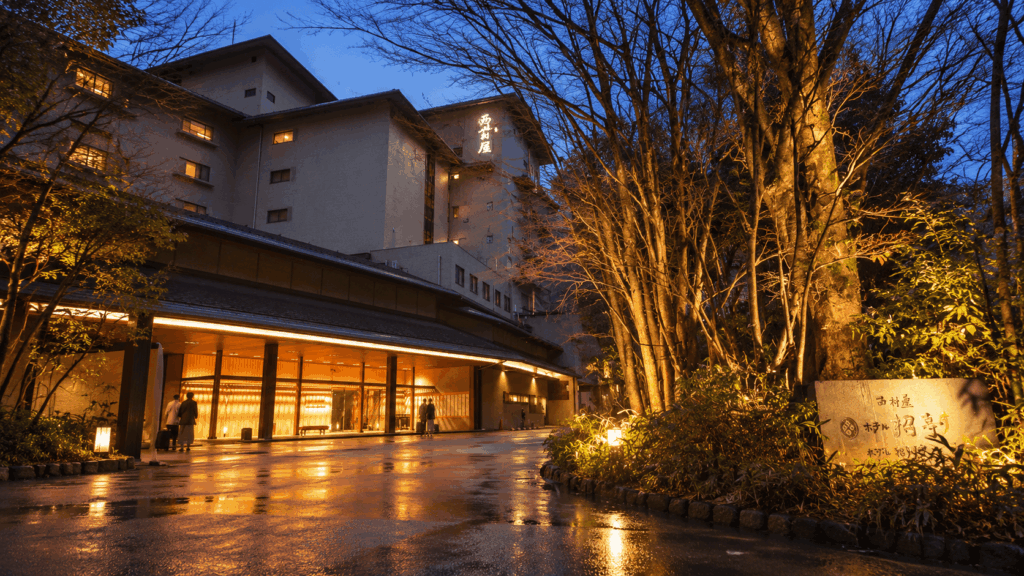
If Kinosaki is making your shortlist, the useful thing to check early is whether a good one-night ryokan plan is available for your dates. See current room options, meal-plan details, and recent guest reviews for Nishimuraya Hotel Shogetsutei.
Is Kinosaki Onsen Worth It? My Honest Verdict
Yes—for most travelers who specifically want an onsen-town and ryokan experience. Kinosaki is roughly 2.5 hours from Kyoto and around 2.5–3 hours from Osaka by limited express, so it is a genuine detour rather than a quick stop. What you get in exchange is a compact, walkable town where the whole place—not just one bathhouse—becomes the experience.
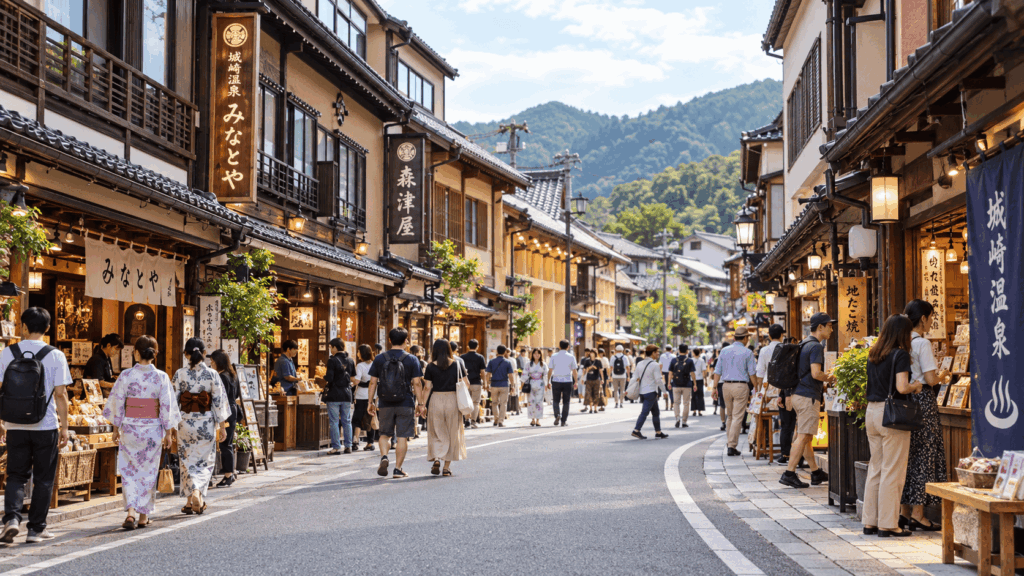
No, or lower priority, if you have a very short Japan itinerary, dislike communal bathing, or expect a long list of sights to check off. Kinosaki rewards slowing down; it does not reward itinerary pressure.
Worth it for:
- First-time ryokan guests who want the full onsen-town package
- Couples and friends looking for a low-effort, atmospheric overnight
- Travelers who enjoy slow travel and don’t need hourly activities
- Tattooed travelers—all of Kinosaki’s public bathhouses accept tattoos
- Anyone who wants a genuine pause between major cities
Less worth it for:
- Travelers on a short first trip (10 days or fewer with Tokyo–Kyoto–Osaka already packed in)
- People who are uncomfortable with naked communal bathing
- Travelers who judge a destination by museum/landmark density
- Anyone planning only a rushed few-hour stop
Pros and cons at a glance
| Pros | Cons |
|---|---|
| Walkable, compact onsen town | A real detour from Kyoto or Osaka |
| The yukata street experience is unique | A ryokan night costs more than a city hotel |
| Tattoo-friendly public baths | Small town with few conventional sights |
| Atmospheric in the evening and morning | Baths can get crowded at peak times |
| Easy to genuinely slow down | Hot water (around 42°C) doesn’t suit everyone |
| Ryokan culture and kaiseki dinners | Weather affects comfort; some baths are closed for renovation as of 2026 |
In my experience guiding international guests here, the moment that gets the strongest reaction is rarely the soaking itself—it is walking between the baths in a yukata as the town lights come on. If that sounds like the kind of stop you are looking for, the booking that shapes everything else is the ryokan. For a first night, I’d compare places that include dinner, breakfast, and access to the public baths, rather than choosing on room price alone.
What Actually Makes Kinosaki Worth Visiting?
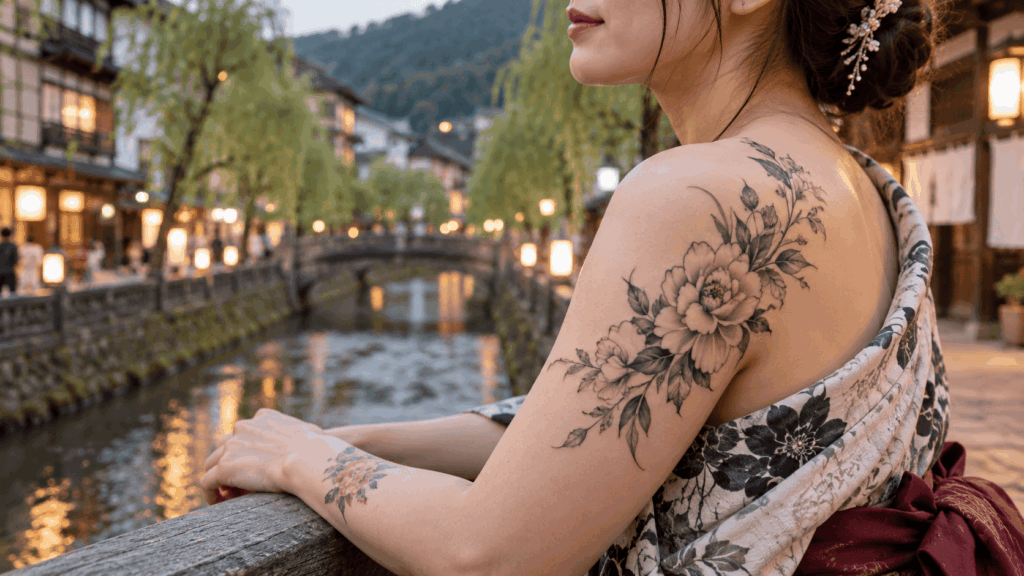
The honest answer is that no single attraction carries the town. There is no castle, no temple complex you need an afternoon for, no famous viewpoint you must queue to see. What makes Kinosaki work is that the town itself is the onsen experience. The seven public bathhouses sit within a few minutes’ walk of each other along the Otani River, connected by wooden bridges, willow trees, and streets designed for walking in a yukata and geta.
In my experience showing international guests around Kinosaki, the simple act of walking the riverside in a yukata often gets a stronger reaction than people expect. Guests remember the steam rising from the canals, the sound of geta on wood, and the small rituals—pausing at a foot bath, buying milk after a soak—more vividly than any single bath.
The yukata-and-onsen-town experience matters more than ticking off seven baths
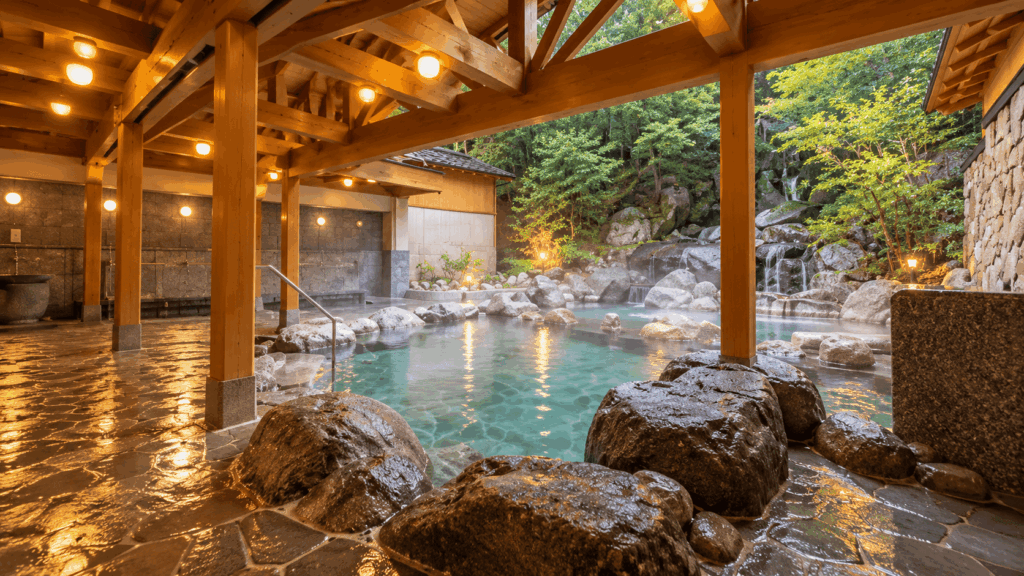
You do not need to “complete” all seven baths for Kinosaki to be worth it. Two to four, chosen by mood and location, give you the full rhythm of the town; trying to collect every bath can turn a relaxing stop into a checklist with a lot of walking and very little rest. If you are unsure which ones to prioritize, check out our guide to the best public baths in Kinosaki.
One accuracy note: Kinosaki is historically a seven-bath town, but not all seven have been operating recently. As of September 2026, five public baths are open: Goshono-yu, Ichino-yu, Jizo-yu, Mandara-yu, and Yanagi-yu. Satono-yu has been closed indefinitely for renovation since April 2024, and Kono-yu is closed for renovation from May through late October 2026. Opening hours differ by bathhouse, and a few are afternoon-only, so check the official Visit Kinosaki site before planning your route.
Recent visitors often say the same thing in different words: a couple of favorite baths beat a full sweep. The baths also run hot—around 42°C by official description—so short soaks followed by a walk and a rest tend to work better than marathon sessions.
Staying overnight changes the experience
This is the single biggest reason I recommend staying rather than day-tripping. During the day Kinosaki is a pleasant, quiet hot-spring town. In the evening and early morning it becomes something else: lanterns along the river, few people about, steam drifting over the water, and the whole town moving at the pace of people in yukata heading to a bath.
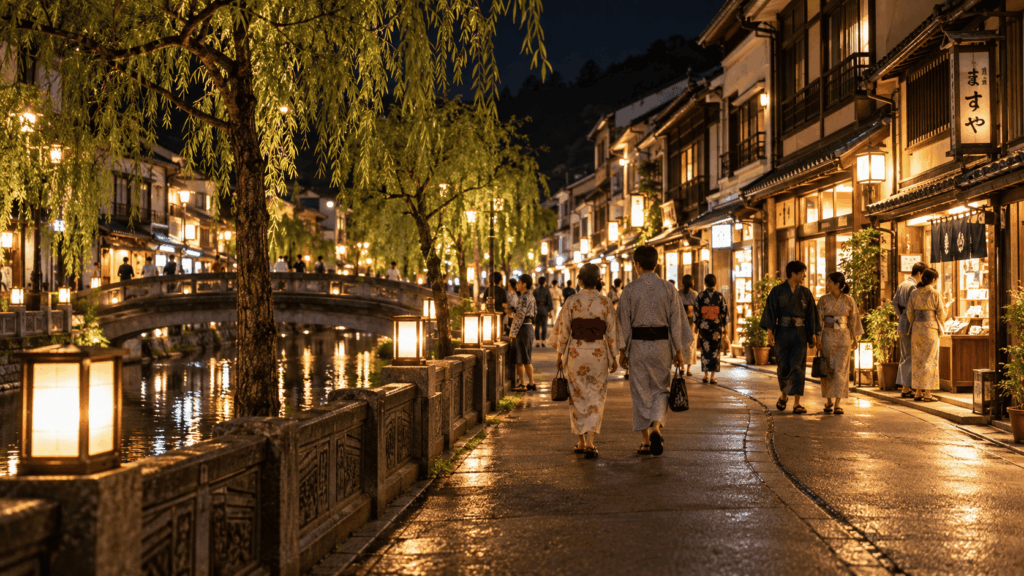
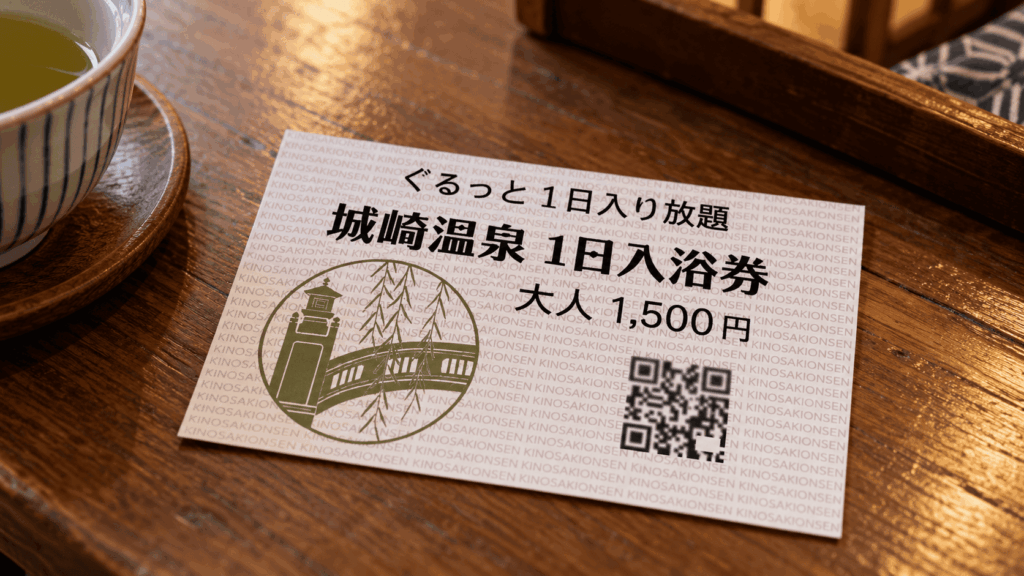
The overnight rhythm is simple: check in, change into the yukata your ryokan provides, soak before dinner, eat a long kaiseki dinner, walk the town, take one more bath, sleep, then start the next day with a morning soak and breakfast. Ryokan guests usually receive a free pass to the public baths at check-in (often called Yumepa), valid from check-in until around 13:00 on checkout day—which makes an early bath on day two essentially free. Day visitors pay around 1,500 yen for a one-day pass, or roughly 800 yen for a single bath.
Two practical points I’d flag before you book: ryokan dinners are usually served at fixed, fairly early times, so plan your evening baths around the meal rather than the other way around. And because some bathhouses open at 7:00 while others open at 15:00, a morning bath plan only works at the right bathhouse.
The Downsides: When Kinosaki May Not Be Worth It
Kinosaki has real drawbacks, and the travelers who leave disappointed usually hit one of them. Being clear-eyed about these before you commit is exactly what this review is for.
- Travel time. Around 2.5 hours from Kyoto and 2.5–3 hours from Osaka each way by limited express. It is not a spontaneous afternoon trip.
- Cost. A ryokan night with dinner and breakfast typically costs well above a mid-range city hotel, and prices climb further in winter crab season.
- Few conventional attractions. There is no packed sightseeing list. The town’s “activities” are walking, bathing, eating, and resting.
- Shared bathing. The public baths are naked, single-gender, and communal. No swimsuits, no exceptions at the public bathhouses.
- Crowds. Weekends, holidays, and winter can be busy, and the popular baths get concentrated traffic at certain hours.
- Weather. Snow and slush in winter, muggy heat in midsummer—both make yukata walking less comfortable than the photos suggest.
- Bath closures. With two of the seven bathhouses closed for renovation through most of 2026, the “seven baths” marketing does not match the current reality.
The disappointment pattern I see is rarely “the town was ugly.” It is usually a mismatch: someone with three days in the Kansai region spends most of a day traveling here, then realizes they would rather have been filling that time with temples or city energy. Kinosaki is excellent at what it does; you just have to want what it does.
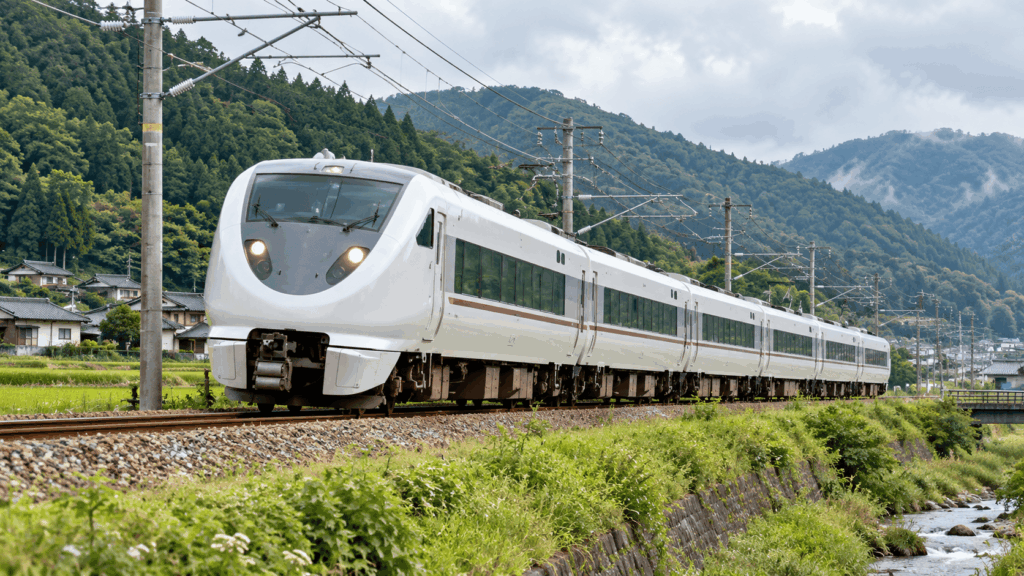
It is a long detour if your Japan itinerary is short
If you have around 10 days and are already covering Tokyo, Kyoto, Osaka, and Hiroshima, adding Kinosaki means giving up roughly a full day of travel plus one hotel night elsewhere. That is a large opportunity cost, and it is fair to skip the town in that situation.
The math gets better with a longer trip. On a 14-day or longer itinerary, or a trip centered on the Kansai region, one night in Kinosaki fits naturally and the travel time stops feeling like a sacrifice. The pattern I hear repeated in traveler discussions is the same: “worth it if the route allows, hard to justify if it doesn’t fit the flow.” Kinosaki does not need to be forced into every Japan trip.
The town is small—and that can be a pro or a con
Kinosaki is genuinely compact: you can walk from one end of the town to the other in about 20 minutes, and even the farthest bathhouse sits within a 15–25 minute walk of the station. There are no subways, no buses you need to learn, and no risk of getting lost.
For sightseeing-driven travelers, that smallness reads as “not enough to do.” For everyone else, it is the point. A relaxed day here looks like: a morning bath, a slow riverside walk, lunch, the Kinosaki Ropeway up Mt. Daishi for the view from Miharashi Terrace, a visit to Onsenji Temple at the ropeway base, foot baths along the river, and an evening bath. That is a full day without ever feeling rushed—but it is a day of soft activities, not monuments.
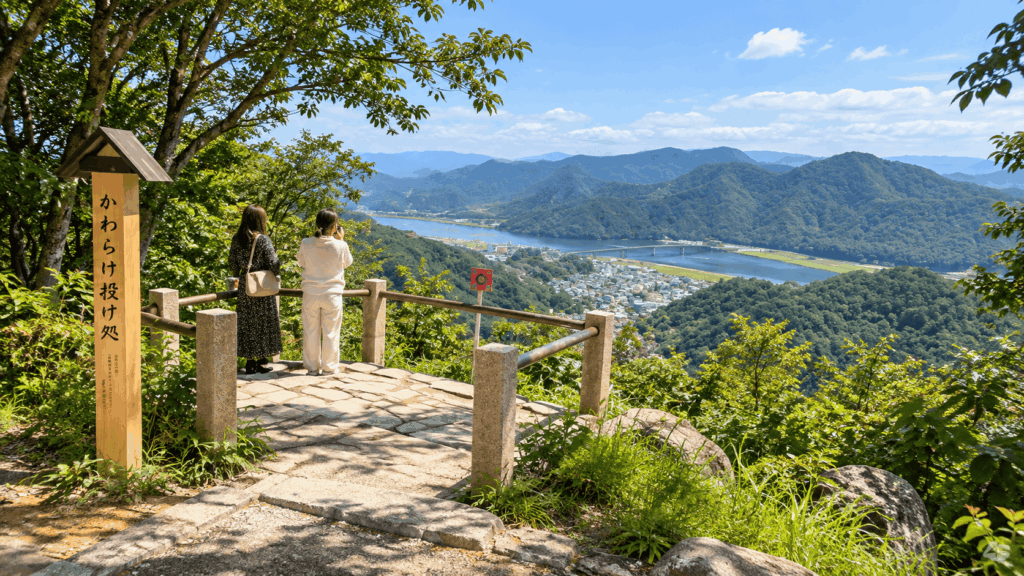
If you want a long checklist of sights, Kinosaki will feel thin. If you want a day where nothing demands your attention, its smallness is exactly the feature.
Kinosaki Day Trip vs 1 Night vs 2 Nights
If you only take one decision from this article, make it this: for most travelers, one night is the right amount. Day-tripping is possible but misses the town’s best hours, and two nights are wonderful for the right traveler but unnecessary for most first visits.
| Day trip | 1 night | 2 nights | |
|---|---|---|---|
| Best for | Travelers on a tight schedule or budget who just want one soak | Most first-time visitors with any flexibility | Slow travelers and onsen-focused trips |
| Time in town | A few daytime hours | Early afternoon to late morning the next day | A full day plus two evenings |
| Evening atmosphere | Missed—you leave before the town transforms | Yes: lanterns, quiet streets, evening bath walk | Yes—twice, with no pressure to fit everything in |
| Morning bath | Not really part of the plan | Yes—use your included pass before checkout | Yes, both mornings |
| Ryokan dinner | No—you’d eat lunch in town instead | Yes—the classic kaiseki dinner | Yes—plus a second night to try a restaurant |
| Pace | Rushed; hard to relax between train times | Relaxed if you arrive early, rushed if you arrive late | Genuinely unhurried |
| Main downside | You see the town without feeling it | A late arrival squeezes the whole rhythm | Diminishing returns if you don’t enjoy unstructured time |
| Verdict | Possible, but misses the core of the experience | Best for most travelers | Best for slow travel or extra activities |
Is a Kinosaki Onsen day trip worth it?
As a practical option, yes. The train connections work, and day visitors can buy a one-day bath pass (1,500 yen for adults, 750 yen for children) at any bathhouse. If you are staying in Kyoto or Osaka, cannot add a hotel night, and simply want to see a proper onsen town, a day trip beats skipping it entirely.
As the best way to experience Kinosaki, no. The evening and the morning—when the town is at its most atmospheric—are exactly what you give up. You also lose the ryokan dinner, which for many visitors is a highlight on par with the baths. My honest position is that if you can only spare daytime hours, it may be worth reconsidering whether Kinosaki belongs on this trip at all; the town’s magic does not operate on a day-trip schedule.
Is one night in Kinosaki enough?
Yes, for most international travelers—on one condition: arrive early enough to use the afternoon. Aim to reach the town by early to mid-afternoon. That gives you time to check in, change into a yukata, take a first bath before dinner, eat at a normal pace, walk the town in the evening, and still fit in one more bath. Arriving after dinner time compresses what should be a gentle rhythm into a rushed one, which is the most common reason one night feels insufficient.
On day two, an early bath before breakfast—most baths open at 7:00, and your ryokan pass is typically valid until around 13:00 on checkout day—followed by a slow riverside walk makes the second morning feel like a bonus rather than a checkout scramble. One night done this way comfortably includes two to four baths, one kaiseki dinner, an evening walk, and a morning soak. That is the full Kinosaki experience.
When are two nights in Kinosaki worth it?
Two nights is not a requirement; it is a luxury of time. It makes sense when your Japan trip is long (three weeks or more), when the onsen itself is a major purpose of the trip, when you want a genuine rest day, or when you plan to add the ropeway, Onsenji Temple, and day-trip options like Takeno Beach. A second night also removes the pressure to fit every bath and meal into a single evening.
If you have a 10–14 day first trip and two nights means cutting something in Kyoto, choose one night instead. The town is small enough that the second full day is only as valuable as your ability to do nothing comfortably.
Is Kinosaki Onsen Too Touristy?
Straight answer: Kinosaki is a popular, tourism-oriented onsen town—yes, it is “touristy” in that sense—but it is not a tourist trap. The two are different things. A tourist trap sells a fake version of an experience; Kinosaki sells the real version of a traditional hot-spring town, just with a well-developed tourism industry around it.
The town’s ryokan, public bathhouses, yukata culture, and riverside layout are not a stage set. Locals live here, the baths are genuinely used, and the onsen-town rituals—changing into a yukata, walking the Otani River between baths, eating a long dinner at your ryokan—are the actual experience, not a performance of one. If you arrive expecting a remote, undiscovered village, you will be disappointed; that version of Kinosaki does not exist.
Traveler opinions split on exactly this point. Some visitors describe the town as crowded and overly commercial, while others use words like relaxed and quaint. Both groups are describing the same place—the difference is what they came for. If you want an empty, off-the-radar onsen town, Kinosaki is not it. If you want the classic, polished version of the experience with good infrastructure and English-friendly services, it is exactly that.
Is Kinosaki Onsen Crowded? When to Visit the Baths
Kinosaki can get genuinely busy—weekends, Japanese holidays, and winter crab season draw the largest crowds—but the town is not crowded at every hour, and the baths are not all busy at the same time. The congestion is concentrated: early evening before dinner, when most ryokan guests head out for their first soak, and again in the late morning around checkout.
If you arrive on a busy Saturday in winter, expect the central baths to feel full and the changing rooms to be tight. That is the trade-off of visiting a popular onsen town at its most popular time. The good news is that the official Visit Kinosaki website publishes live crowd status for each bathhouse, so you can check before you walk over and pick a quieter option.
Kai’s tip: In my experience, the two windows that move easiest are around 19:00, when most guests are seated at dinner, and early morning around 7:00, when the town is still waking up. That is a pattern I’ve relied on, not a guarantee—check the live crowd status on the official site on the day, especially at weekends. The afternoon-only baths (Mandara-yu and Yanagi-yu open from 15:00) tend to be quieter than the all-day ones in the late afternoon, which is a useful loophole when the morning favorites feel busy.
Don’t try to stay in every bath for a long time
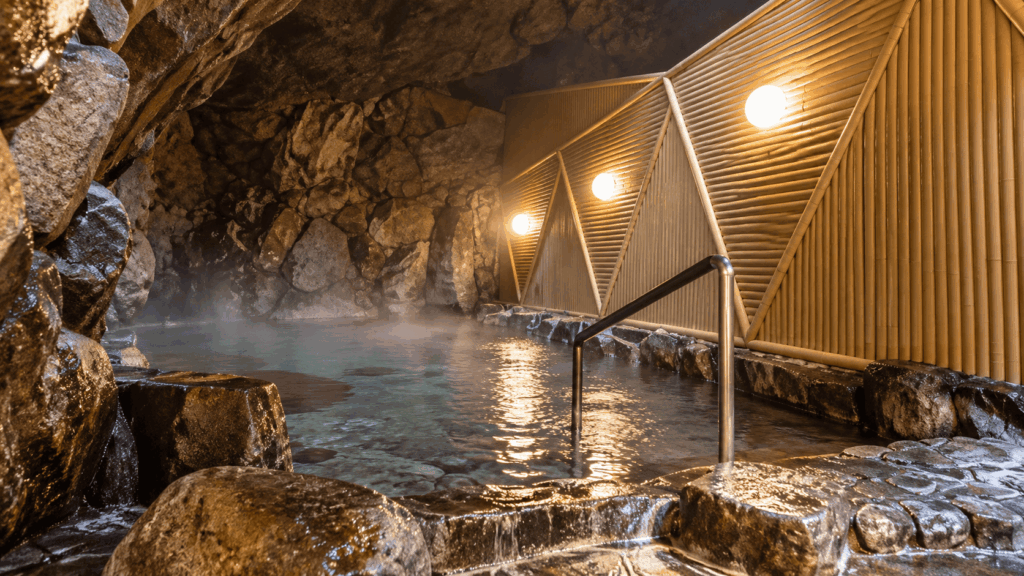
Kinosaki’s baths run hot—around 42°C by the official description—and most first-time visitors find them warmer than expected. Treating each bath as a long soak is a recipe for feeling overheated and then rushing the rest of your evening.
Kai’s tip: I felt most of the baths on the hot side, so I stopped trying to soak for a long time in each one. Short dips—ten minutes or so—followed by a walk along the river, a rest, and maybe a second bath later worked far better for me than marathon sessions. Bath-hopping this way is not a compromise; it is how the town is designed to be enjoyed.
You do not need to enter every open bath to justify the visit. Two or three chosen well—say one of the large all-day baths and one of the smaller traditional ones—give you the full arc of the experience without turning your evening into a relay race.
The Best and Worst Seasons for the Kinosaki Experience
Most “best time to visit” advice focuses on weather averages; this section focuses on the thing that actually shapes your experience: how comfortable it is to walk the town in a yukata.
- Spring and autumn are the most comfortable seasons for the yukata experience—mild days, cool evenings, and the town at its most relaxed. If the onsen-town atmosphere is your priority, these are the seasons I’d aim for.
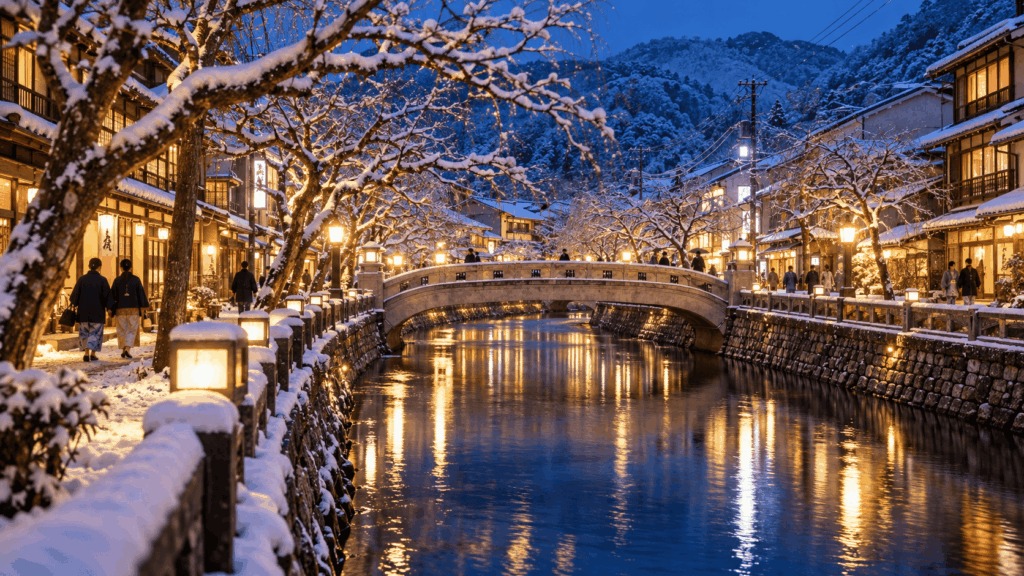
- Winter is Kinosaki’s signature season for a reason: snow on the rooftops, steam rising from the canals, and crab season running roughly from November to March, when ryokan dinners feature matsuba crab. The catch is comfort—walking between baths in cold air with wet feet is less romantic than it sounds. For a detailed breakdown of the pros and cons, see what to expect in Kinosaki during winter.
- Summer has festivals and a lively atmosphere, but hot, humid days make yukata walking less pleasant, and some travelers find the baths too warming in July and August.
Kai’s tip: On a winter visit, slush from melting snow soaked straight through my sneakers, and boots made the difference for the rest of the stay. Not every ryokan lends boots, so ask when you book or check in—and if you are visiting between December and February, water-resistant footwear is the single most practical thing you can pack. My own preference is spring or autumn: on a mild evening, sitting by the river after a bath is the least stressful version of Kinosaki I know.
If winter crab is the draw, book well ahead—weekends in crab season fill up early, and the town’s atmosphere is at its busiest rather than its quietest.

Should You Book a Ryokan With Dinner?
For a first one-night stay, I would book a ryokan that includes dinner and breakfast if the budget allows—and I say this as someone who normally prefers eating out to find local restaurants. In Kinosaki, the half-board ryokan meal is not a side feature; it is a core part of the experience.
Three practical reasons push me toward half-board here. First, it removes the uncertainty of finding dinner: during busy winter periods, relying on a last-minute restaurant can add real friction to an evening that should be effortless. Second, ryokan kaiseki dinners are where Kinosaki’s food culture shows best—seasonal courses built around local ingredients like Tajima beef and, in winter, matsuba crab. Third, the fixed dinner time gives your bath schedule a natural structure: soak before dinner, walk after dinner, soak again if you like.
Half-board is not for everyone. If you have specific dietary needs you are unsure a ryokan can meet, if you prefer the flexibility of eating in town, or if you want to keep costs down, a room-only or breakfast-only plan is a reasonable choice. Kinosaki does have restaurants, and the town is small enough that walking to dinner is easy—just plan ahead in peak season rather than assuming you will walk in somewhere.
If you decide a half-board ryokan fits, compare one-night plans that explicitly include dinner, breakfast, and the public-bath pass, and check the dinner time and cancellation terms before you book. In winter, confirm whether the meal plan actually features crab—not all winter plans do.
If you want the overnight rhythm described above rather than just a room for the night, this is the kind of stay worth comparing carefully.
Why I’d book this one
- Recent travelers consistently highlight the dining and attentive service, which matters when dinner is part of the Kinosaki experience rather than an afterthought.
- The property combines its own onsen facilities with access to the town, while shuttle service can reduce the friction of arriving with luggage.
- Reviews repeatedly mention clean, comfortable rooms and a quieter setting—useful if the point of your Kinosaki stop is to slow down.
Who Will Love Kinosaki—and Who Should Skip It?
By now you can probably place yourself. Here is the decision matrix in its simplest form.
Kinosaki is especially worth it if you:
- Want your first classic onsen-town experience, with ryokan and public baths combined
- Enjoy slow travel and don’t need hourly activities
- Want an easy-to-walk, compact town with no transport logistics
- Have tattoos—all public bathhouses in Kinosaki accept them (ryokan in-house baths may have their own rules, so check yours)
- Are traveling as a couple and want an atmospheric, low-effort overnight
- Have at least one night you can give it without gutting the rest of your itinerary
Consider skipping Kinosaki if you:
- Are uncomfortable with naked communal bathing
- Have a very short Japan itinerary where every night counts
- Prioritize museums, landmarks, or nightlife over relaxation
- Dislike changing hotels for a single night
- Expect a remote, tourist-free village
- Cannot justify ryokan prices, or already have an onsen experience planned elsewhere and only wanted one quick soak
If Kinosaki lands on the “worth it” side for you, treat the ryokan as the anchor of the plan: book the night first, then build the bath and meal rhythm around it. Weekends and winter fill up faster than the rest of the year, so the earlier you compare options, the more choice you will have on dinner plans and bath access.
A Simple One-Night Kinosaki Plan
This is not a minute-by-minute itinerary—it is the shape of a good overnight, which works in any season.
Day 1
- Arrive at Kinosaki Onsen Station by early to mid-afternoon. Guests staying at participating ryokan can use the free inn shuttle that meets limited-express arrivals; otherwise the town center is a short walk.
- Leave your luggage at the ryokan even if the room is not ready, then take a first stroll along the Otani River to get your bearings.
- Check in, change into the yukata your ryokan provides, and head to a bath before dinner. A 15:00-opening bath like Yanagi-yu or Mandara-yu is often quietest in the late afternoon.
- Eat your ryokan dinner at the set time, then walk the town afterward—this is the evening atmosphere day-trippers never see.
- Take one more bath if you feel like it, then sleep.
Day 2
- Start with a bath around 7:00 at one of the morning-opening bathhouses (Goshono-yu, Ichino-yu, or Jizo-yu—check the day’s closure schedule), then return for breakfast.
- Spend the late morning on a slow riverside walk, a visit to Onsenji Temple, or the ropeway up Mt. Daishi if the weather is clear. The ropeway generally runs from about 9:10 in the morning and closes in the late afternoon, with closures on the second and fourth Thursday of the month—confirm on the day.
- Check out and depart around late morning or lunchtime. Your bath pass typically stays valid until around 13:00 on checkout day, so a final quick soak before leaving is possible if you time it.
If you keep the pace loose and let the baths set the rhythm, one night in Kinosaki stops feeling short. That looseness—not the number of baths—is what makes the town worth the journey.
Frequently Asked Questions
Is Kinosaki Onsen worth a day trip from Kyoto?
It is possible—the limited express takes around 2.5 hours, and day visitors can buy a 1,500 yen pass to the public baths—but for a first visit I would not recommend treating Kinosaki as a day trip. The evening and early morning are the town’s best hours, and you give up both, along with the ryokan dinner that many visitors rate as highly as the baths. If your schedule only allows daytime, weigh whether the travel time is worth a partial experience, or save Kinosaki for a trip where you can stay overnight.
Is one night enough in Kinosaki Onsen?
Yes, for most international travelers, as long as you arrive by early to mid-afternoon. That timing lets you take a first bath before dinner, eat at a relaxed pace, walk the town in the evening, and still fit in a morning soak—your ryokan bath pass is typically valid from check-in until around 13:00 on checkout day. A late arrival is the main reason one night feels too short: it compresses the town’s gentle rhythm into a rushed one.
Is Kinosaki Onsen too touristy?
Kinosaki is a popular, tourism-oriented onsen town, so yes in that sense—but it is not a tourist trap. The ryokan stays, yukata street culture, and public bathhouses are the real, working version of a Japanese hot-spring town, not a stage set. What Kinosaki is not, and never claims to be, is a remote undiscovered village. If you want empty streets and no other visitors, it will feel too touristy; if you want the classic onsen-town experience with good infrastructure, it delivers exactly that.
How many public baths should I visit in Kinosaki?
None are required. Two to four baths, chosen by location and mood, give you the full Kinosaki rhythm; trying to visit every open bath usually turns a relaxing evening into a rushed checklist. Also check the current situation before you go: as of 2026, five of the seven bathhouses are operating—Satono-yu has been closed for renovation since April 2024, and Kono-yu is closed for renovation from May through late October 2026. Opening hours and weekly closing days differ by bath, so confirm on the official Visit Kinosaki site.
Can I visit Kinosaki Onsen with tattoos?
Yes. All of Kinosaki’s public bathhouses accept tattoos of any size with no need to cover them, which is rare in Japan. Note that baths are naked and single-gender, and that individual ryokan may apply their own rules to their in-house baths—if you plan to use your ryokan’s private or indoor bath, check its policy when booking. For a deeper dive into the rules and which baths are best, read our complete guide to visiting Kinosaki Onsen with tattoos.
Is two nights in Kinosaki too long?
Only if you are on a tight itinerary or don’t enjoy unstructured time. For slow travelers, onsen-focused trips, or longer Japan tours, a second night removes all pressure: you can add the ropeway, Onsenji Temple, or a coastal side trip like Takeno Beach without squeezing them into a single afternoon. For a typical first visit of 10–14 days, one night is usually the smarter allocation of your trip.
Final Verdict: Should You Go to Kinosaki Onsen?
Choose Kinosaki if you want the classic ryokan-and-onsen-town experience and you have one night you can give it. Skip it, or postpone it, if you are on a very short itinerary, dislike communal bathing, or need dense sightseeing to feel a place was worth the journey.
- For first-time visitors: one night, half-board ryokan, early afternoon arrival. Book the ryokan first, confirm it includes dinner, breakfast, and the public-bath pass, then let the baths set the pace. Two to four baths, an evening river walk, and a 7:00 morning soak add up to the full experience.
- For couples: this is one of the easiest atmospheric overnights in Japan—no logistics, no entry tickets, just a yukata, a river, and a good dinner. Spring or autumn evenings are the sweet spot.
- For families: it can work well if your children enjoy bathing; the town is compact and easy. Public baths are single-gender; the official guidance says children up to age 10 may use the opposite-gender side when necessary, although school-aged children are generally expected to use their own gender’s side. A ryokan with a private bath is worth considering if that setup feels complicated.
- For travelers on a tight schedule: one night only, and only if Kinosaki fits the route without cutting a full day from somewhere you care about more. If it means dropping a city you really wanted, skip it—the town will still be here on a longer future trip.
- For repeat visitors and onsen enthusiasts: two nights, add the ropeway up Mt. Daishi and Onsenji Temple, and use the extra day to try the afternoon-only baths when they are quietest.
What I would tell a friend planning a first trip: arrive early, book the ryokan dinner, and resist the urge to collect baths. Kinosaki is worth the detour not because it is spectacular in any single moment, but because a full evening and morning here feel unlike anything else on a standard Japan itinerary—and one well-planned night is all it takes to get that.
Hi, I’m Kai. I’m a Tokyo-based travel writer, tourism industry insider, and the author of a published guidebook for international visitors to Japan. With over 10 years of professional experience at a leading Japanese tourism company, my mission is to help you skip the tourist traps and navigate Japan’s best destinations like a local. I believe the perfect day trip is like a traditional kaiseki meal: a beautiful balance of precise planning and unforgettable seasonal discovery. When I’m not out conducting field research, you’ll usually find me drafting new itineraries with one of my favorite fountain pens!