
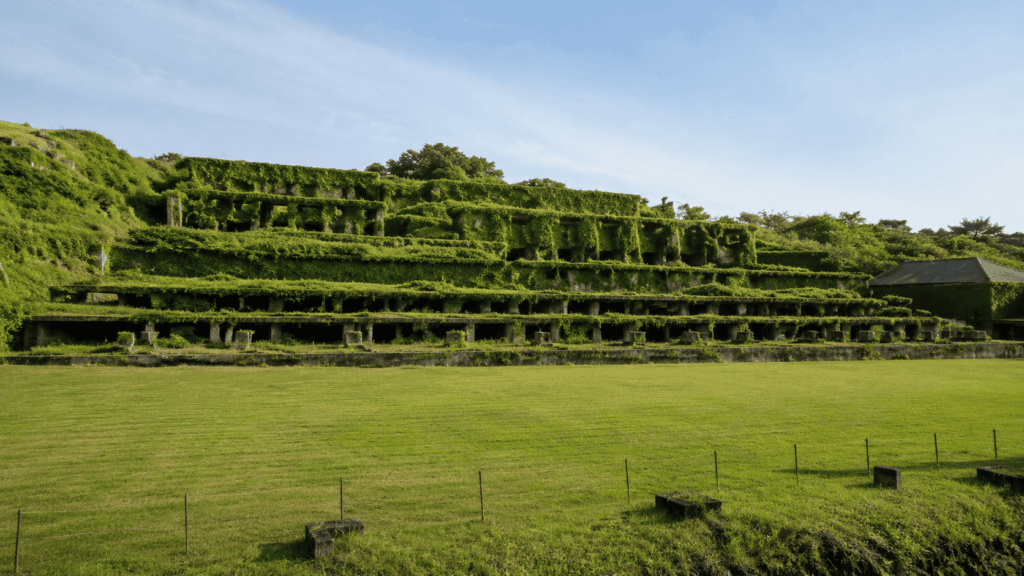
Can you visit Sado Island as a day trip from Niigata? Yes — but only as a focused highlights trip, and only if you decide your transport before you decide your sightseeing. This guide walks you through how much time you realistically have, which way to get around is right for you, and exactly what one well-planned day on the island looks like.
Not planning to drive? There is a private Sado day tour from Niigata that bundles the ferry, island transport, an English-speaking guide, the Gold Mine and south-coast stops into one itinerary. Check the current itinerary, inclusions, and available dates before comparing it with the DIY options below.
Is Sado Island Worth Visiting as a Day Trip?
Short answer: yes, for most first-time visitors staying in Niigata — provided you treat it as a two-stop day rather than a full island tour. Sado is a big island (roughly 855 km² with about 280 km of coastline — larger than Singapore), and the ferry ride from Niigata Port to Ryotsu Port takes as little as 1 hour 7 minutes by jetfoil. That short crossing gives many visitors the wrong impression. The island itself is the part that eats your time.
- A Sado day trip works if you want the two experiences the island is famous for: the Historic Site Sado Gold Mine and a tarai-bune tub-boat ride on the south coast (plus good seafood in between).
- It does not work well if your list includes the Toki Forest Park, the Kitazawa Flotation Plant, the Osado Skyline, and a sunset on Onogame. Those are two-day or three-day experiences, and Visit Sado’s own recommendation is at least two nights for a full island visit.
- Your transport choice decides everything. On a one-day schedule, a rental car, a private tour, and the local bus network produce completely different itineraries — and completely different chances of missing your ferry home.
Prefer not to drive? A guided day trip from Niigata that handles the ferry, the vehicle, and the entrance timing is a legitimate way to fit the highlights into one day — more on that in the transport comparison below, including what it costs and who it suits.
How Much Time Do You Actually Have on Sado?
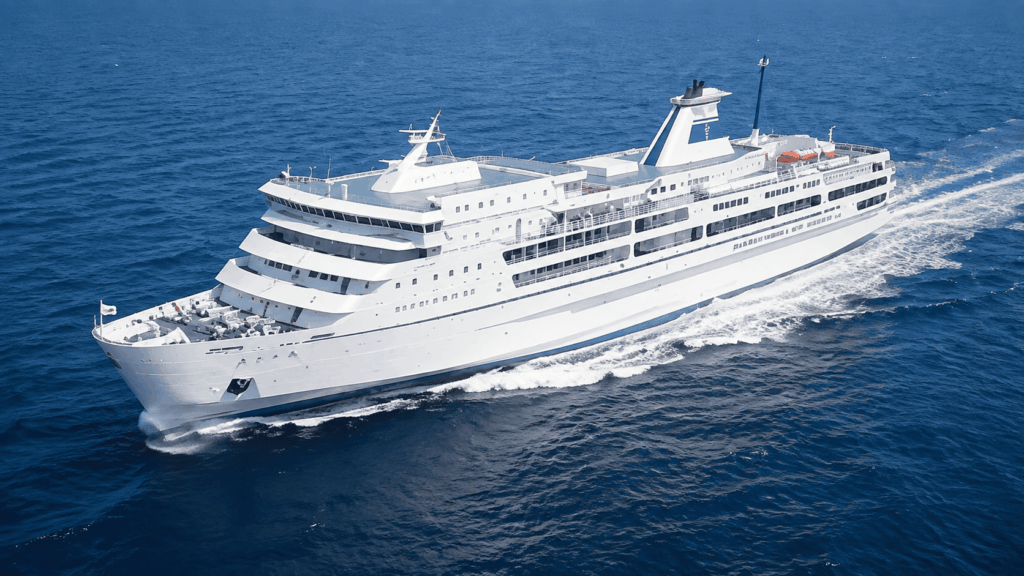
Work backwards from your return ferry. Sado Kisen runs two types of crossing between Niigata Port and Ryotsu Port (if you are traveling from the capital, check our guide on how to get to Sado Island from Tokyo):
- Jetfoil — the fast option, about 1 hour 7 minutes, reserved seating only, and the standard choice for day-trippers without a car.
- Car ferry — about 2 hours 30 minutes, cheaper, carries vehicles, and the only way to bring a rental car over from the mainland side.
Sailings vary by season and weather, so check the Sado Kisen timetable for your actual dates. As a planning rule of thumb: jetfoils depart roughly every 1–2 hours and car ferries roughly every 3 hours in peak season, and the last returns to Niigata are in the late afternoon or evening.
The mistake I see first-time visitors make is treating the crossing time as the whole journey. It isn’t. Once you land at Ryotsu Port, the gold mine is about 50 minutes away by car, and the tub-boat village of Shukunegi is about 60 minutes in the opposite direction. A common pattern is a traveler who assumes the island is small because the ferry was fast, adds “just one more spot,” and ends up doing the return crossing at a jog.
A realistic day looks like this: outbound jetfoil early morning → one main stop (the gold mine, or south-coast Shukunegi) → lunch → one more stop → buffer time at Ryotsu Port → return jetfoil. That gives you roughly 5–6 hours of actual on-island time if you take the first reasonable outbound sailing, and it is enough for two quality stops — not five.
Rental Car vs Bus vs Tour: Which Is Best for One Day?
On a one-day schedule, your transport choice matters more than on any other kind of trip. The local bus network works for a relaxed two-day stay; on a single day it can quietly destroy your plan. Here is the honest comparison, then the detail on each option.
| Option | On-island freedom | Planning effort | Risk of missing your return ferry | Gold Mine + Shukunegi in one day? | Best for |
|---|---|---|---|---|---|
| Rental car (pre-booked on the island) | High — stop when you like, adjust on the fly | Medium — book the car, sort an International Driving Permit, match ferry slots | Low — you control your own clock | Yes, comfortably | Drivers who want one efficient, self-directed day |
| Local bus (Niigata Kotsu Sado) | Low — fixed timetable, few direct routes | High — connections, transfers, limited last-return options | High — miss one connection and the whole plan shifts | Not realistically | Patient budget travelers, ideally on a multi-day visit |
| Sightseeing bus / day package | Medium — set route with guided stops | Low — one booking covers ferry and bus | Medium — depends on the operator’s schedule | Depends on the route | Travelers who want logistics handled but stay flexible on stops |
| Private tour from Niigata | High — private vehicle, guide, pickup at your hotel | Low — one booking, ferry and timing managed for you | Low — the operator coordinates the return sailing | Yes | Non-drivers who want certainty on a tight schedule — at a premium |
Three things to note before you pick an option. First, island buses do not accept IC cards (Suica, ICOCA, etc.), so you need cash or a bus pass. Second, if you plan to drive, the rules are specific: most visitors need a 1949 Geneva Convention International Driving Permit obtained before arriving in Japan, plus your home license and passport; drivers from Belgium, France, Germany, Monaco, Switzerland, and Taiwan need an official Japanese translation (JAF) instead of an IDP. Third, booking the rental car in advance matters far more on Sado than in a big city — peak-season cars sell out, and the rental desks near Ryotsu Port are the practical ones for a day trip.
Option 1 — Rental Car: Best for Most Independent Day-Trippers

For a one-day trip, the practical setup is to take the jetfoil to Ryotsu Port and rent a car on the island from one of the desks near the terminal, booked in advance. Bringing a rental car over from the mainland means taking the 2.5-hour car ferry and paying to ship the vehicle — usually not worth it for a single day.
The drive times are the honest part: Ryotsu Port to the Historic Site Sado Gold Mine is about 50 minutes, Ryotsu to the Ogi / Shukunegi area about 60 minutes, and the two stops sit on opposite sides of the island — allow at least an hour of driving between them, more if you stop. You are looking at roughly two hours of total driving on a two-stop day, which is exactly why this option works and why the bus version struggles.
Before you commit, check the driving rules: most visitors need a 1949 Geneva Convention International Driving Permit obtained before leaving home, plus your home license and passport. Drivers from Belgium, France, Germany, Monaco, Switzerland, and Taiwan can use an official Japanese translation issued by JAF instead of an IDP. Parking at the gold mine is straightforward; the village lanes of Shukunegi are narrow, so follow the marked parking and walk in.
Option 2 — Local Bus: Possible, but Not My First Choice for This Route
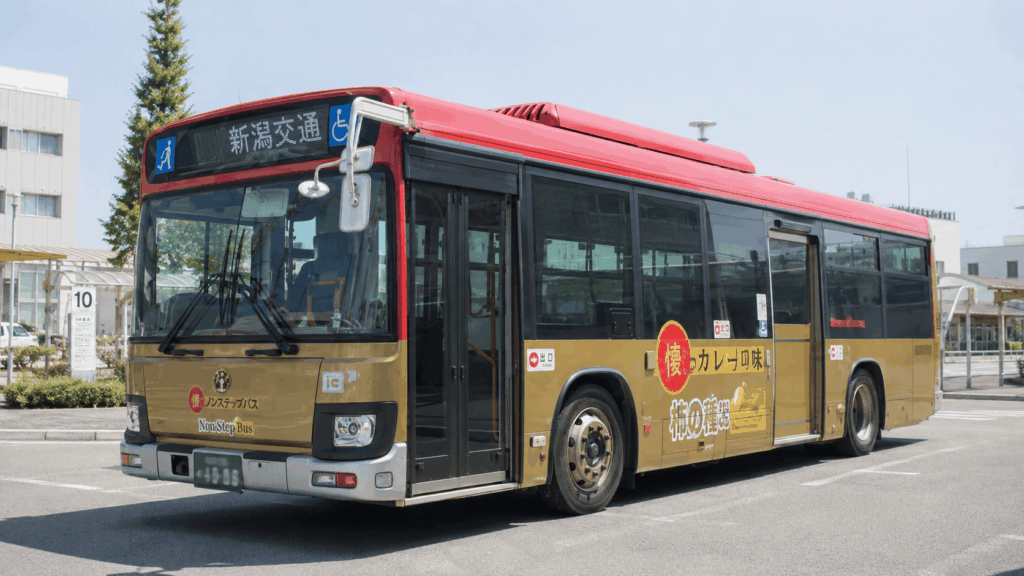
Niigata Kotsu Sado runs the island’s bus network, and it is a perfectly reasonable way to see Sado on a multi-day trip. On a single day it is a different story. The Hon-sen Line runs from Ryotsu through Sawata toward Aikawa and the gold mine, but frequencies are limited. To reach Ogi and the Shukunegi tub-boat area you transfer to the Ogi Line at Mano-shinmachi, and the total one-way trip from Ryotsu is around two hours with the connection. Add the same again to return, and the bus has quietly consumed most of your day before you have seen anything.
Practical points if you still want to try: island buses are cash only (no Suica or ICOCA), timetables run on seasonal blocks with English PDFs issued for set periods, and the last useful return toward Ryotsu comes earlier than you expect. This is a plan for patient travelers — and ideally for visitors who can stay overnight instead.
Kai’s tip: The traveler who comes unstuck here is the one who planned around an online timetable from a previous season and only discovered at Ryotsu Port that the schedule had changed. Sado’s bus timetables are reissued in seasonal blocks, so check the current PDF the day before, and if you are connecting, write down both the departure time and the transfer stop (Mano-shinmachi for Ogi). On a day trip there is no “wait for the next one” luxury — the next one can be two hours away.
Option 3 — Sightseeing Bus or Private Tour: Best If You Do Not Want to Drive
Two ways to hand the logistics to someone else:
- Sado Kisen’s same-day package — a day trip from Niigata that combines the ferry crossing with an island sightseeing bus and lunch. It exists and it is convenient, but it is geared toward Japanese-speaking travelers; confirm English support before you book.
- A private day tour from Niigata — for example, the “Sado Island Secret: 13-Hour Private Tour from Niigata” listed on GetYourGuide. It includes hotel pickup in Niigata, an English-speaking guide, a private vehicle, and an itinerary covering the gold mine, taiko drumming at the Sado Island Taiko Centre (a stop that requires booking around a week ahead — the operator handles it), a seafood lunch in the Ogi area, a tarai-bune ride, and a walk through Shukunegi. Pricing is per group (listed from around $2,000+ per group), with free cancellation up to 24 hours in advance and pay-later options.
Who this is for: non-drivers, travelers who want to spend zero mental energy on connections, and small groups who can split the per-group price. Who it is not for: solo travelers on a budget — for one person the per-group pricing is hard to justify when a rental car costs a fraction of it. If your priority is certainty — not coordinating ferry, car, and attraction times yourself — compare the current guided options and their exact inclusions before you decide.
If you want the Gold Mine and south coast in one day but do not want to drive, this is the option that most directly solves the logistics problem described above.
Why I’d book this one
- Round-trip jetfoil transport, a private vehicle on Sado, and an English-speaking guide are handled within the same booking.
- The itinerary connects the Gold Mine with the tarai-bune and Shukunegi rather than asking you to build the day around infrequent bus connections.
- The listing offers flexible booking conditions; check the live cancellation terms for your date before committing.
A Realistic Sado Island Day Trip Itinerary
Here is what a well-planned day looks like when you can drive (rental car) or are on a private tour — roughly 5–6 hours on the island:
- Early morning — outbound jetfoil from Niigata Port; about an hour later you step off at Ryotsu Port.
- Late morning — pick up your pre-booked rental car near the port (or meet your guide), then drive about 50 minutes to the Historic Site Sado Gold Mine and spend 60–90 minutes underground.
- Early afternoon — drive south toward Ogi and stop for a seafood lunch; the small ports on the south coast are the natural place for it.
- Mid-afternoon — tarai-bune ride and a wander through the shipbuilders’ village of Shukunegi.
- Late afternoon — drive back to Ryotsu (about 60 minutes) with buffer time before your return jetfoil.
Treat this as a structure, not a guaranteed timetable: ferry sailings and bus connections change with the season, so pin your actual times to the current Sado Kisen schedule the day before. If you are driving yourself, finish your last stop earlier than feels necessary — the ferry will not wait, and the next one can be hours away.
Stop 1 — Sado Gold Mine: Bring More Than a T-Shirt
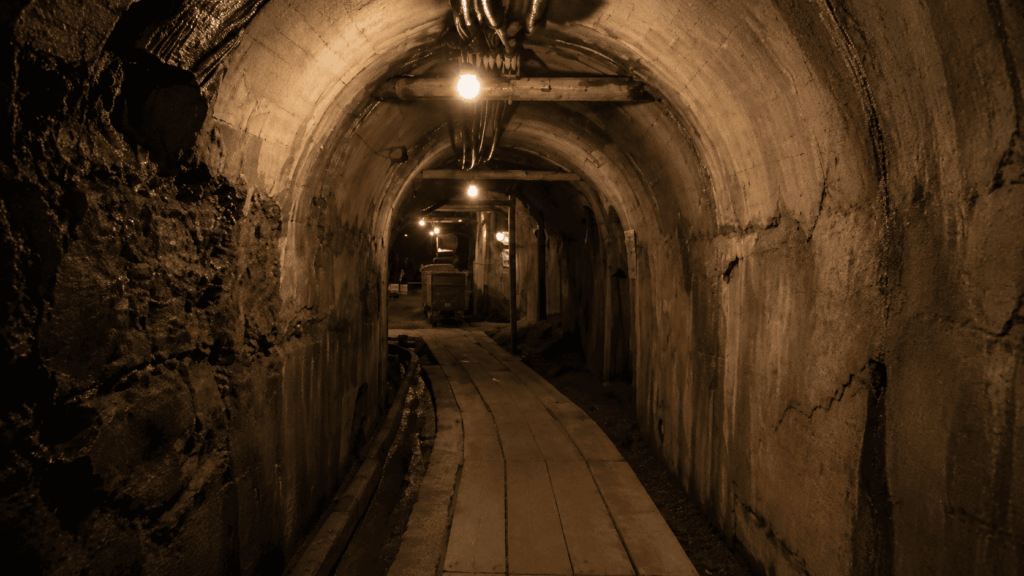
The Historic Site Sado Gold Mine is the island’s headline attraction and the most reliable anchor for a day trip: it is open year-round, the visit takes about 60–90 minutes, and the site is well set up for independent visitors. Admission is 1,500 yen for adults and 750 yen for children, and opening hours run roughly 8:00–16:00 (last entry) from April to October and 8:30–15:30 from November to March. The underground galleries include stairs and some uneven sections, and part of the route is not wheelchair accessible.
Kai’s tip: The mistake I see is arriving in summer clothes. The underground galleries hold at around 10°C (50°F) year-round, and visitors in T-shirts tend to hurry through the tunnels to get back outside. On a day trip, where every minute counts, a light layer is not a comfort detail — it protects your itinerary.
Stop 2 — Which Tarai-Bune Should You Choose?
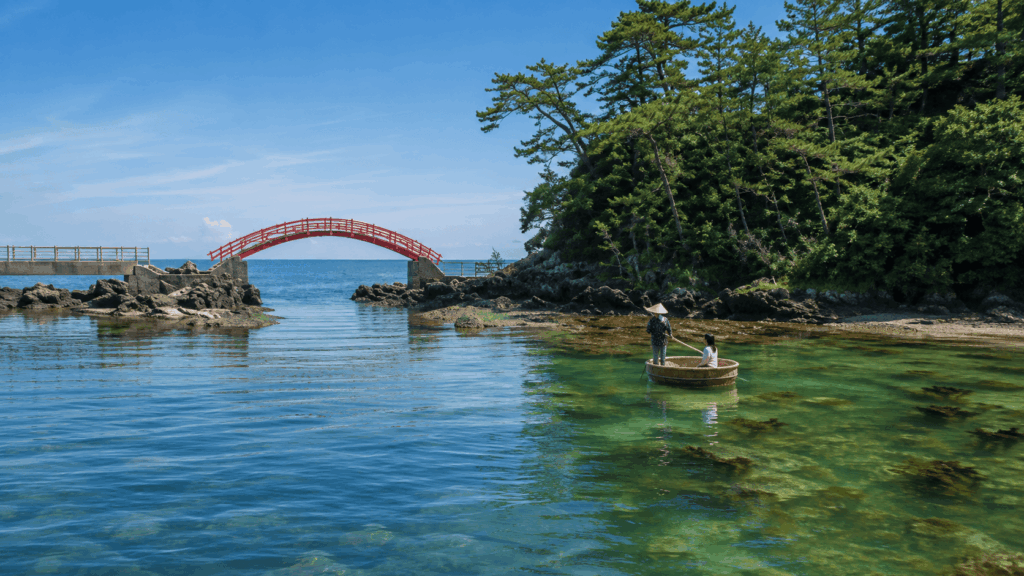
The tarai-bune (tub boat) is the other half of the classic Sado day, and there are two practical bases, each with a different trade-off:
- Ogi Port — Taraibune Rikiya Kanko Kisen. A short ride (about 700 yen per adult), right beside the port, with staff who speak a little English. Best when you are short on time or combining the ride with a seafood lunch at Ogi. Cash only, and hours vary by season.
- Shukunegi — Shukunegi Hangiri, in the shipbuilders’ village about 10 minutes by car from Ogi Port. Courses run 15 minutes (1,300 yen), 25 minutes (2,000 yen), and 35 minutes (3,000 yen). More of a setting: the ride passes the village’s preserved wooden buildings. Note that Shukunegi’s services close for winter, roughly late November to mid-March, so a winter day trip leans more heavily on Ogi (read more about visiting Sado Island in winter). Cash only, no reservation needed for the regular courses, and rides can be shortened or cancelled in rough weather.
Kai’s tip: Choose based on what you want the ride to be. The Ogi course is quick and cheap, right at the port. At Shukunegi, the longer course (25–35 minutes) heads out toward the rocky coast, and the boatman hands you a glass-bottom box — on my visit that box was the highlight: clear water and a striped knifejaw drifting below the boat. Bring insect repellent for the wait around the rocks; the insects there are enthusiastic.
What I Would Skip on a One-Day Sado Trip
The honest part of planning a day trip is deciding what to leave out. On a one-day Sado trip, every extra stop costs more than its entrance fee — it quietly eats the buffer that keeps you on your ferry. The travelers who enjoy the day most are the ones who decide early what to leave out (if you have more time, see the best things to do in Sado Island).
- The Kitazawa Flotation Plant — the famous “castle in the sky” ruins are spectacular, but they sit in the north of the island, far off the day-trip route. That is an overnight-trip stop.
- Toki Forest Park — the crested ibis viewing is not guaranteed on a fixed schedule, and the park is off the route that connects the gold mine and Shukunegi.
- Onogame — a dramatic rock formation best seen at sunset, which is exactly the time you need to be heading for your return ferry.
When You Should Stay Overnight Instead
A day trip works for the two-stop version of Sado. If any of the following sounds like you, book a night instead (and see our realistic 2- or 3-day Sado Island itinerary):
| When a day trip works | When overnight is better |
|---|---|
| You want the gold mine plus one south-coast experience (tarai-bune, Shukunegi) | Your list includes north Sado: the Osado Skyline, Kitazawa Flotation Plant, or the toki (crested ibis) |
| You are renting a car or taking a private tour | You are planning around the local bus — two days make the connections manageable |
| The weather forecast is calm and jetfoil services are running normally | High wind or waves are forecast — an overnight insures you against a cancelled or delayed crossing |
| You have limited days in Japan and want the highlights | You want a relaxed evening in Shukunegi or an onsen stay after a day outdoors |
| Budget is a priority — a day trip costs far less overall | You are a repeat visitor or a slow traveler who dislikes deadlines |
Where to base yourself if you stay: Ryotsu (the port town, most convenient), Aikawa (the gold-mine town, atmospheric), or the Ogi / Shukunegi area (the south coast, where the day trip usually ends anyway).
FAQ: Sado Island Day Trip
Can you visit Sado Island as a day trip from Niigata?
Yes — if you plan it as a two-stop highlights trip. The jetfoil from Niigata Port reaches Ryotsu Port in about 1 hour 7 minutes, leaving roughly 5–6 hours of on-island time on a realistic schedule. That comfortably fits the Historic Site Sado Gold Mine plus one south-coast experience (a tarai-bune ride and a walk through Shukunegi). It does not fit a full island tour — Sado is about 855 km², and Visit Sado recommends at least two nights for a complete visit.
Do you need a car on Sado Island?
For a day trip, a rental car (booked in advance at Ryotsu Port) or a private tour is the difference between a relaxed day and a stressful one. The gold mine is about 50 minutes from Ryotsu by car and Shukunegi about 60 minutes, on opposite sides of the island. The local bus network works but is slow and infrequent — the route from Ryotsu to the south coast takes around two hours each way with a transfer at Mano-shinmachi, which is hard to make work within one day.
Can you visit the Sado Gold Mine without a car?
Yes. The Hon-sen Line of Niigata Kotsu Sado runs from Ryotsu through Sawata toward Aikawa and the gold mine, so it is reachable by bus. The catch on a one-day schedule is frequency: buses on the Hon-sen Line are limited, and once you add the return to Ryotsu plus a second stop in the south, connections start dictating your whole day. If the gold mine is your only island stop, bus-only is workable; if you also want Shukunegi or Ogi, use a car or a tour.
Is the Sado Gold Mine cold in summer?
Yes — the underground galleries sit at around 10°C (50°F) year-round, including in July and August. Visitors in T-shirts regularly rush through the tunnels to get back outside, which shortens the visit on a day when time matters. Bring a light layer even in summer; it costs nothing and protects your schedule.
Which tarai-bune should I choose, Ogi or Shukunegi?
It depends on what you want the ride to be. At Ogi Port, Taraibune Rikiya Kanko Kisen runs short, inexpensive rides (about 700 yen) right beside the port with staff who speak a little English — the practical choice when you are combining the ride with lunch. At Shukunegi, Shukunegi Hangiri offers 15-, 25-, and 35-minute courses (1,300–3,000 yen) through the shipbuilders’ village, with the longer courses heading out toward the rocky coast — more memorable, but note it closes for winter from roughly late November to mid-March. Both are cash only, and rides can be shortened or cancelled in rough weather.
Is a private day tour from Niigata worth the price?
For non-drivers, yes — it converts a one-day trip from a logistics exercise into an actual sightseeing day. A private tour includes hotel pickup in Niigata, an English-speaking guide, a vehicle, and managed ferry timing, typically covering the gold mine, taiko drumming, a seafood lunch near Ogi, a tarai-bune ride, and Shukunegi. The catch is price: listings such as the “Sado Island Secret: 13-Hour Private Tour from Niigata” on GetYourGuide run from around $2,000+ per group, so the value is best for groups who split the cost, not solo budget travelers. If you are comfortable driving, a rental car achieves most of the same itinerary for a fraction of the price.
Final Verdict: Is a Sado Island Day Trip Worth It?
In my experience editing travel guides, the travelers who love Sado on a single day are the ones who treat it as a small, deliberate trip — two stops, one meal, no heroics. The ones who struggle are the ones who try to see an island that deserves two days in the hours left after a fast ferry ride. The day itself is not the problem; the plan is.
Choose this day trip if you want the two experiences Sado is genuinely famous for — the gold mine’s underground galleries and a tarai-bune ride on the south coast — and you are willing to skip the north of the island entirely. With a pre-booked rental car from Ryotsu Port, the plan above is realistic: gold mine in the morning, lunch near Ogi, Shukunegi in the afternoon, and a buffer before the return jetfoil.
Choose another option if your list includes the Osado Skyline, the Kitazawa Flotation Plant, or the toki at Toki Forest Park; if you are planning around the local bus for both the mine and the south coast; or if rough weather is forecast and you cannot afford to be stuck on the island overnight. For all of those, one night on Sado turns a rushed day into a genuinely relaxing trip.
- For first-time visitors staying in Niigata for a few days: this is one of the most rewarding uses of a single day, as long as you accept the two-stop version. The gold mine plus Shukunegi is the classic pairing for a reason.
- For non-drivers: the private tour from Niigata is the honest recommendation if you want the full day without managing connections. If the per-group price is out of reach, skip the south coast and do a bus-only gold-mine day instead — attempting both by bus is the most common way to miss a return ferry.
- For families: the day works well with a rental car, and the gold mine (about 60–90 minutes) is engaging without being exhausting. Keep the second stop flexible — if the kids are done after the mine, a seafood lunch near Ogi is a fine place to stop for the day.
- For travelers on a tight schedule: this is a day trip with a hard deadline. Take the earliest reasonable outbound jetfoil, finish your last stop by mid-afternoon, and treat the return buffer as part of the plan rather than spare time.
- For repeat visitors or slow travelers: skip the day trip. Stay overnight in Shukunegi or Aikawa, let the bus schedule dictate a relaxed two days, and save the sunset for Onogame — where you will actually be able to watch it.
Bottom line: Sado Island is worth the crossing — if you cross it once, see two things properly, and come back on the ferry you planned for. Do that, and the day will feel like a highlight of your trip rather than a race.

Hi, I’m Kai. I’m a Tokyo-based travel writer, tourism industry insider, and the author of a published guidebook for international visitors to Japan. With over 10 years of professional experience at a leading Japanese tourism company, my mission is to help you skip the tourist traps and navigate Japan’s best destinations like a local. I believe the perfect day trip is like a traditional kaiseki meal: a beautiful balance of precise planning and unforgettable seasonal discovery. When I’m not out conducting field research, you’ll usually find me drafting new itineraries with one of my favorite fountain pens!