
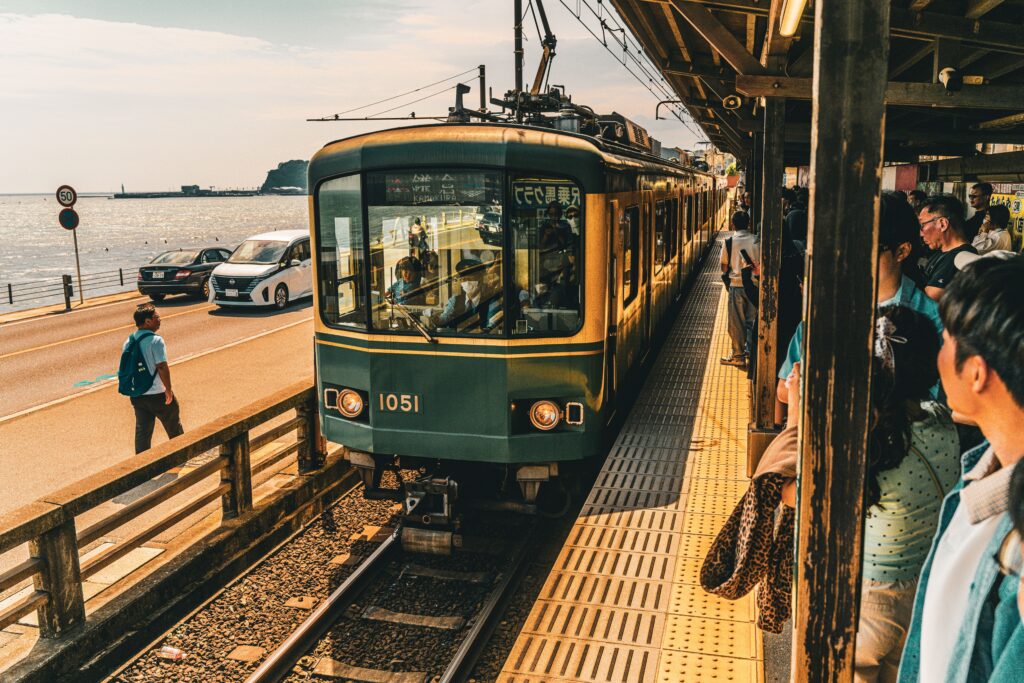
You have one free day from Tokyo, and you’re trying to decide between two of the most popular day trips south of the city: Kamakura and Enoshima. On paper, they sit side by side on the same railway line. In reality, they offer two completely different days out. One is a temple-laced former samurai capital. The other is a seaside island built around sunset views and grilled seafood.
This guide breaks down exactly what each destination offers, who it’s best for, and—most importantly—whether you need to choose at all, or whether you can realistically do both in a single day.
Quick booking note: If you already know you want to cover both Kamakura and Enoshima in one long day without managing Enoden timing yourself, check live availability, start times, and recent traveler reviews for this Tokyo Kamakura and Enoshima day trip with temple stops before you build the DIY version.
Comparison at a Glance
Here is how the two stack up across the factors that matter most for a day trip from Tokyo. Use this table to make a quick call, then read the detailed breakdowns below.
| Comparison Axis | Kamakura | Enoshima |
|---|---|---|
| Vibe | Historic temple town, old samurai capital, quiet lanes | Coastal island, casual seaside resort, open views |
| Top Sights | Great Buddha (Kotoku-in), Tsurugaoka Hachimangu, Hase-dera, Komachi-dori, Hokokuji bamboo grove | Enoshima Sea Candle, Enoshima Shrine, Iwaya Caves, Samuel Cocking Garden, Nakamise Street |
| Time Needed | Half-day (3–5 hours for main sights) | Half-day (3–4 hours including island walk) |
| Best For | History lovers, temple walkers, culture seekers, photographers of classic Japan | Sunset chasers, seafood lovers, casual explorers, Fuji-view seekers |
| Terrain & Walkability | Sights spread across the area — use the Enoden train or a bus between them. Mostly flat walking once you arrive. | One steep island climb. The paid Escar (escalator) covers the uphill sections only — you still walk down. |
| Signature Food | Shirasu-don (whitebait rice bowl), shojin ryori (Buddhist vegetarian cuisine) | Grilled sazae (turban shell), ise-ebi (spiny lobster), shirasu-don, takoyaki and street snacks on Nakamise Street |
| Crowd Reality | Busy on weekends and holidays, especially around Hase-dera and Komachi-dori. The Enoden train itself becomes a bottleneck. | Crowded on weekends too, but the island disperses people across a larger walking route. |
| Cost Feel | ¥300–400 per temple entry, many free grounds. Low overall. | ¥500–¥1,100 for combo tickets. Still budget-friendly. |
| If You Can Only Do One | Choose Kamakura if you want temples, history, and that “old Japan” atmosphere. | Choose Enoshima if you want coastal views, ocean sunset, and a relaxed island pace. |
Kamakura: The Samurai City of Temples and Tradition
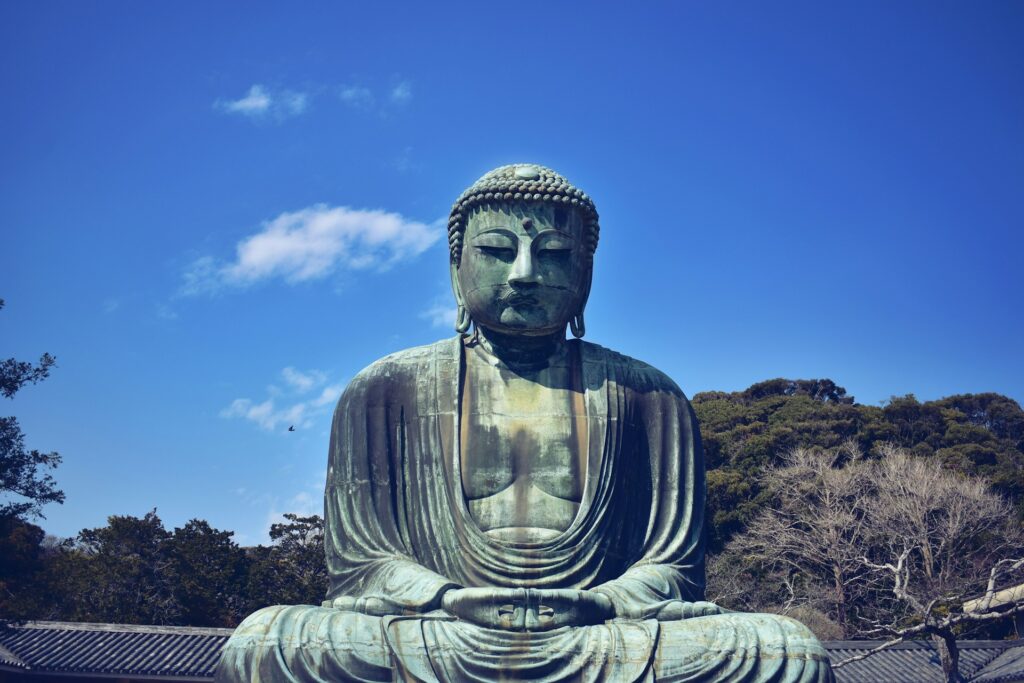
Kamakura was the political capital of Japan during the Kamakura Period (1185–1333), and that history is still written across its hillsides. Today it is a sprawling open-air collection of temples, shrines, Zen gardens, and shopping streets that rewards slow exploration.
The main cluster of sights runs along the Enoden railway line, which means you can hop from one to the next without backtracking.
Key Sights in Kamakura
- Tsurugaoka Hachimangu — The city’s most important Shinto shrine, set at the end of a broad approach lined with cherry trees. Free to enter, gates open 6:00–20:00. Allow about 45 minutes for the main grounds and the small museum.
- Kotoku-in (Great Buddha / Daibutsu) — The 11.4-meter bronze Buddha that has stood in the open air since the 15th century. Admission is ¥300 (adults), open 8:00–17:00 (until 17:30 April–September). Pay an extra ¥50 and you can step inside the statue.
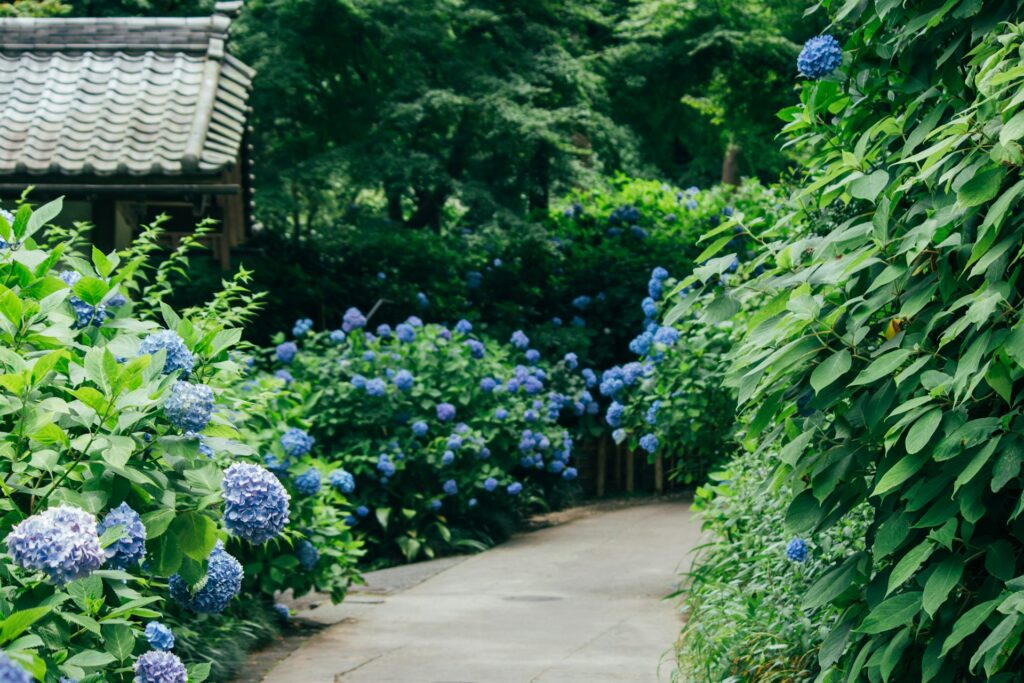
- Hase-dera — A hillside temple known for its terrace overlooking the coast and its hundreds of small stone Jizo statues. Admission ¥400, open 8:00–17:00 (last entry 16:30). In June, the hydrangea garden draws large crowds.
- Komachi-dori — The shopping street leading from Kamakura Station toward Tsurugaoka Hachimangu. Good for shirasu-don, matcha soft cream, and souvenir shopping. Most shops open from around 10:00.
- Hokokuji Bamboo Grove — A smaller and quieter bamboo grove than Kyoto’s Arashiyama, tucked behind a Zen temple in eastern Kamakura. Admission around ¥400, open 9:00–16:00. A 30–40 minute walk from Kamakura Station, or a short bus ride.
What to Eat in Kamakura
Shirasu-don (raw or boiled whitebait over rice) is Kamakura’s signature dish. You will find it on almost every restaurant menu around Komachi-dori and Hase. For something quieter, shojin ryori (Buddhist vegetarian cuisine) is served at temple-adjacent restaurants, particularly around the Kita-Kamakura area.
Best For
Travelers who enjoy walking through temple grounds, appreciate Zen aesthetics, and want to see one of Japan’s most famous Buddha statues. Also a strong choice if you are photographing traditional Japan—the combination of temple architecture, seasonal flowers, and old streets is hard to beat.
Who should think twice: If you are looking for ocean views and a relaxed seaside pace, Kamakura’s temple-hopping can feel like work after the third temple. The sights are spread out, and on a hot day the walking between Enoden stops adds up.
Enoshima: The Island Escape of Sunsets and Seafood
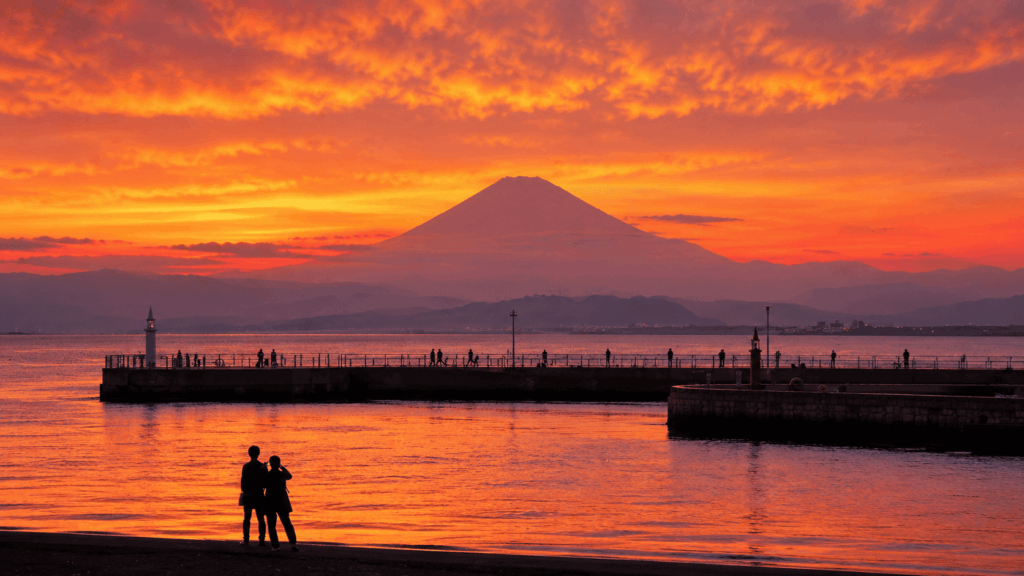
Enoshima is a small island connected to the mainland by a 600-meter causeway (Benten Bridge). It is part shrine pilgrimage route, part seaside resort, and part nature walk—all packed into a walkable loop that takes about three hours at a relaxed pace.
Crossing the bridge, you step into a different rhythm. The air smells like the ocean, and the first thing you hit is Nakamise Street, a covered shopping lane where vendors sell grilled seafood, octopus crackers, and takoyaki.
Key Sights on Enoshima
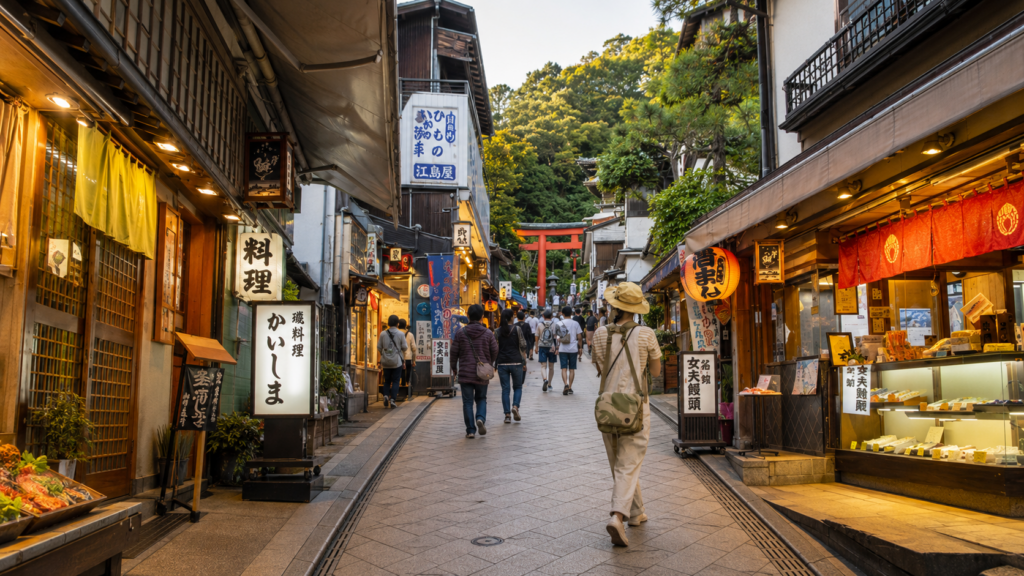
- Enoshima Shrine (Benzaiten) — Split across three locations on the island’s slope (Hetsumiya, Nakatsumiya, Okutsumiya). Dedicated to Benzaiten, the goddess of music, prosperity, and love. Free to visit the shrine grounds.
- Samuel Cocking Garden & Enoshima Sea Candle — A botanical garden at the island’s summit, free to enter during the day (9:00–17:00). At its centre stands the Sea Candle observation lighthouse (¥800 adults, ¥400 children), which offers 360-degree views of Sagami Bay and, on clear days, Mount Fuji.
- Iwaya Caves — Two sea-carved caverns on the island’s southern edge, historically used as a meditation site for Buddhist monks. Admission ¥500 (adults), open 9:00–17:00. The walk down from the summit involves steep stone steps.
- Chigogafuchi — A scenic cliff lookout on the western side of the island, popular for sunset photography and views of the coastline toward Fujisawa.
Getting Around Enoshima
The Enoshima Escar is a three-section outdoor escalator that carries you from near the causeway up to the summit area. It costs ¥500 for adults one-way (up only). A combination ticket covering the Escar, Sea Candle, and Samuel Cocking Garden is ¥1,100 for adults—a solid saving if you plan to visit all three.
If you are leaning Enoshima-only and want the transport-plus-Sea-Candle side handled in advance, you can compare what is currently included in the Klook Enoshima Sky View Ticket and Odakyu Line package.
Kai’s tip: The Escar covers the uphill sections only. Once you reach the summit, you still walk down the steep path to the Iwaya Caves and Chigogafuchi on foot. If you are travelling with children or anyone with limited mobility, factor in that the total walk is closer to 40–50 minutes downhill on uneven stone steps. Wear sturdy shoes and allow extra time to get back up to the summit area afterward.
What to Eat on Enoshima
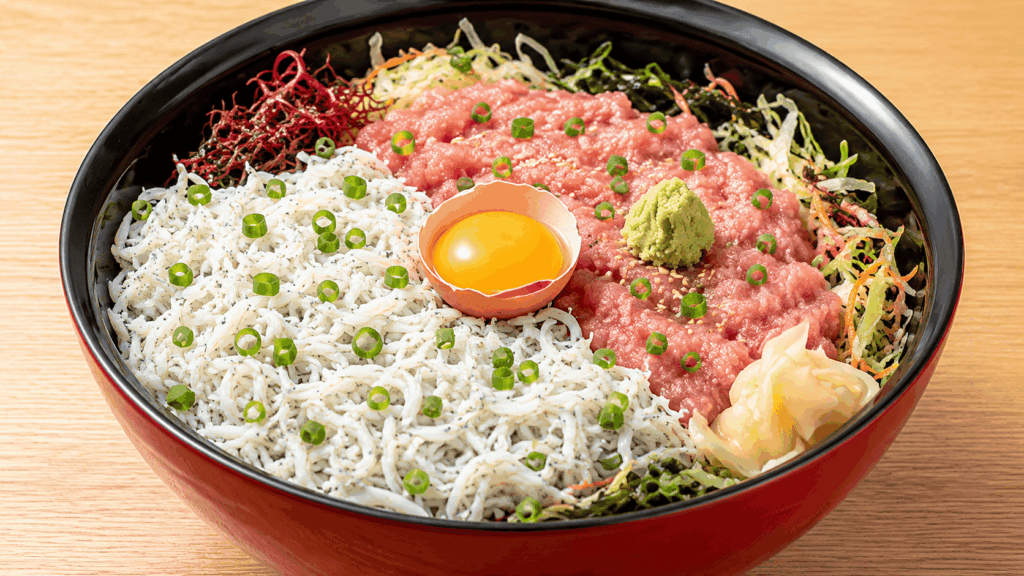
Grilled sazae (turban shell) is the island’s street-food icon—sold at several stalls on Nakamise Street and near the causeway. Ise-ebi (spiny lobster) appears on sit-down restaurant menus at market prices. Shirasu-don is also widely available here, but most visitors come for the grilled seafood you eat while walking.
Best For
Travelers who want ocean views, sunset photography, and a relaxed, casual atmosphere. The island’s compact size makes it manageable even for a short afternoon visit.
Who should think twice: If you have significant mobility issues and cannot manage stairs, or if you are primarily interested in temples and history rather than coastal scenery, Enoshima may feel thin compared to Kamakura.
If You Only Have Time for One: The Honest Verdict
This is the question most readers arrive with, so I will give you a straight answer based on your situation.
Choose Kamakura if:
- You want temples, the Great Buddha, and that classic “old Japan” atmosphere
- You are interested in Japanese history and samurai culture
- You have 4–5 hours available and prefer to fill them with structured sightseeing
- You are visiting in June for the hydrangeas at Hase-dera or Meigetsu-in
- You want to photograph the iconic Kamakurakokomae railway crossing (the Slam Dunk spot)
Choose Enoshima if:
- You want a relaxed day with ocean views, sunset, and grilled seafood by the water
- You have only 3–4 hours and prefer a compact walkable loop over temple hopping
- You are hoping to see Mount Fuji on a clear winter day
- You want something more casual and less “sightseeing-intensive”
- You are with a group that prefers walking and exploring over entering paid temples
For families with children or elderly travelers: Kamakura is more spread out but mostly flat at each stop. Enoshima is compact but involves a steep climb with stairs. If the group is happy to use the Escar (uphill only) and take the downhill slowly, Enoshima works. If stairs are a serious concern, Kamakura is easier to manage with selective use of the Enoden train or bus.
For photographers: Kamakura wins for temple-and-tradition shots (Great Buddha, Hase-dera terrace, bamboo grove). Enoshima wins for sunset, Fuji views, and coastal scenes. The good news is they sit on the same railway line, so if you have a full day you can get both.
Kai’s tip: Think of Enoshima not as an equal alternative to Kamakura, but as an extension you add after Kamakura, and you will never feel like you chose wrong. If time is tight, anchor your day in Kamakura and treat Enoshima as the sunset finale rather than a separate “or” decision. That framing alone prevents most of the “did I pick the wrong one?” regret.
Can You Do Both in One Day? (Yes, But Read This First)
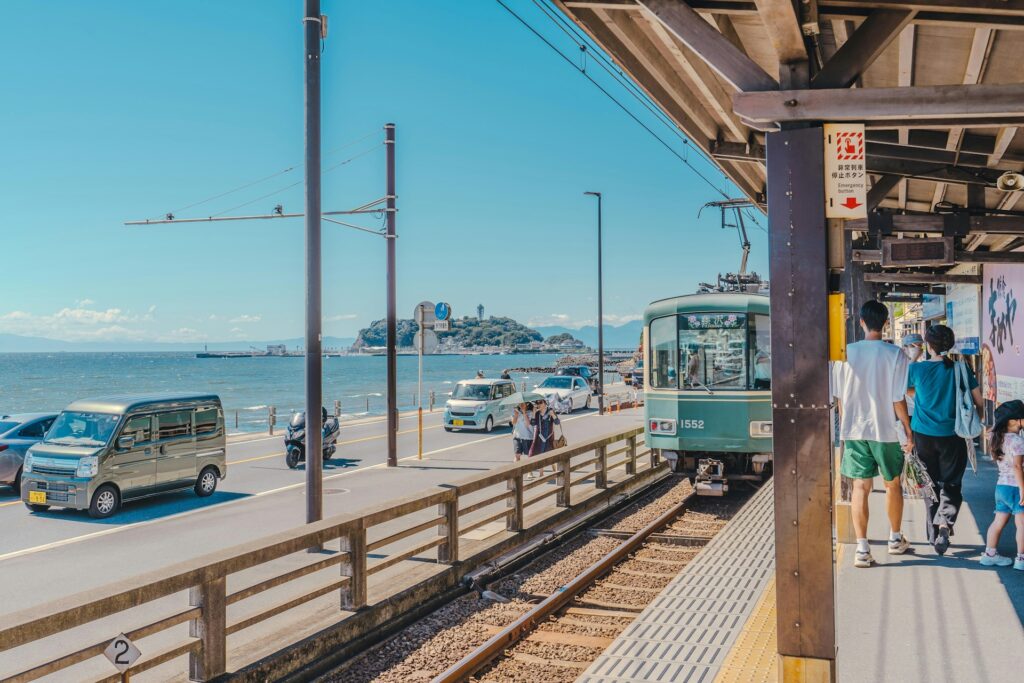
The short answer is yes—Kamakura and Enoshima are on the same Enoden railway line, connected by a 25-minute train ride. Many travelers do both in a single day from Tokyo, and it is one of the most rewarding day trips you can make.
However, “can you” and “should you” are two different questions. Here is what doing both actually looks like:
- Tokyo → Kamakura: ~45–60 minutes by JR Yokosuka Line from Tokyo Station, or ~70 minutes from Shinjuku via Odakyu
- Kamakura sights to Enoden: You will cover 2–3 main sights in the Kamakura area, then take the Enoden train from Kamakura Station toward Fujisawa, stopping at Hase (for the Great Buddha and Hase-dera)
- Enoden ride to Enoshima: ~25 minutes from Hase Station to Katase-Enoshima Station
- Enoshima island walk: ~3 hours at a relaxed pace including the climb and return
- Enoshima → Tokyo: ~70 minutes via Odakyu from Katase-Enoshima to Shinjuku
Total time investment: From leaving your Tokyo hotel to returning, you are looking at roughly 10–11 hours with minimal downtime. It is a long day, not a rushed day—there is a difference. You have enough time to enjoy both at a comfortable pace if you leave Tokyo by 8:00–8:30 and accept that you will return around 19:00–20:00.
If you fall into that camp—you want both Kamakura and Enoshima, but the train timing, route order, and long day are the parts you do not want to manage—this is the booking to compare before committing to the DIY route.
Why I’d book this one
- It matches the article’s strongest itinerary: Kamakura’s temple stops, the Great Buddha area, Komachi-dori, and Enoshima are all the exact pieces most first-time visitors try to combine.
- It reduces the moving parts: Recent travelers often mention the value of having the day structured for them instead of juggling train timing, transfers, and sightseeing order.
- It still lets you make a fair call: You can check current start times, cancellation terms, and traveler reviews before deciding whether the guided version is worth it for your date.
Before locking in the self-guided version, see live availability and recent reviews for the Tokyo Kamakura & Enoshima day trip.
Kai’s tip: The Enoden train between Hase and Enoshima gets extremely crowded on weekends and public holidays, particularly around midday and late afternoon. The trains run on a single track with only one or two carriages, and the stretch between Hase Station and Kamakurakokomae Station is the bottleneck of the entire route. If you are doing both on a weekend, avoid hopping on and off between stations in this section—board at Hase and ride through to Enoshima (or vice versa) in one go. Switching between trains at intermediate stops in this zone can cost you 20–30 minutes waiting for the next train that has space.
How to Do Both: The Smartest Order
If you decide to do both, the recommended order is Kamakura first, Enoshima second. Here is why:
- Kamakura’s temples open as early as 8:00, and you want to visit them before the midday crowds arrive
- The Enoden ride from Kamakura toward Enoshima follows the coastline, giving you ocean views as the afternoon light improves
- Enoshima is best in the late afternoon, when the sun drops toward the horizon and the Sea Candle observation deck becomes the best spot for sunset
- Enoshima’s Iwaya Caves and Nakamise Street close around 17:00, so you do them first, then finish at the summit for sunset
Sample Timeline (Full Day)
| Time | Activity |
|---|---|
| 08:00–08:30 | Depart Tokyo (Shinjuku or Tokyo Station) |
| 09:15–09:30 | Arrive Kamakura Station |
| 09:30–11:00 | Tsurugaoka Hachimangu + Komachi-dori |
| 11:00–12:30 | Hase-dera + Great Buddha (Kotoku-in) |
| 12:30–13:00 | Lunch (shirasu-don near Hase) |
| 13:00–13:30 | Enoden from Hase Station → Katase-Enoshima |
| 13:30–16:30 | Explore Enoshima (Nakamise Street, Enoshima Shrine, Sea Candle, Iwaya Caves) |
| 16:30–17:30 | Sunset from Sea Candle or Chigogafuchi |
| 17:30–18:00 | Walk back across causeway to Katase-Enoshima Station |
| 18:00–19:15 | Odakyu from Katase-Enoshima → Shinjuku (or Fujisawa → Tokyo) |
This timeline assumes you skip Hokokuji Bamboo Grove (which adds 40–60 minutes including bus travel). If you want to include it, remove one Enoshima stop or start 30 minutes earlier.
Getting There & Which Pass to Use
From Tokyo to Kamakura or Enoshima
- JR Yokosuka Line (Tokyo Station → Kamakura Station): ~45 minutes, ~¥920 one-way. Covers Kamakura only; you pay separately for the Enoden.
- Odakyu Line (Shinjuku → Katase-Enoshima): ~60 minutes by express (direct Romancecar available on select trains with ¥750 surcharge). Covers Enoshima access.
- Enoden (Kamakura Station ↔ Katase-Enoshima Station): ~25 minutes, ~¥400 one-way. The railway line that links both destinations.
Which Pass Saves You Money?
| Pass | Cost (Adult) | What It Covers | Best For |
|---|---|---|---|
| Enoshima-Kamakura Freepass | ¥1,640 | Odakyu round trip Shinjuku↔Katase-Enoshima + unlimited Enoden + discount coupons | Travelers staying near Shinjuku who plan to do both destinations |
| Enoden NORIORIKUN | ¥800 | Unlimited Enoden rides for one day | Travelers arriving via JR to Kamakura who plan to use the Enoden for Kamakura sights + Enoshima |
| Pay-as-you-go | Varies | Individual tickets for each leg | Travelers doing only one destination or arriving from a non-Shinjuku area |
Freepass verdict: If you are staying in or near Shinjuku and plan to visit both Kamakura and Enoshima, the Freepass at ¥1,640 pays for itself—a Shinjuku↔Katase-Enoshima round trip alone costs about ¥1,280, and you add the Enoden on top. If you are only visiting one destination or are coming from another area of Tokyo (e.g., Ueno, Asakusa), the Freepass may not save you enough to justify the detour to Shinjuku. Check your starting station before buying.
Seasonal Considerations
June (Hydrangea Season): Kamakura transforms during the rainy season, when hydrangeas bloom across temple gardens. Hase-dera and Meigetsu-in (a short walk from Kita-Kamakura Station) are the most famous spots. Expect heavy crowds even on weekdays—arrive at opening time or plan for a weekday early start.
Winter (December–February): This is the best season for viewing Mount Fuji from Enoshima. On clear winter days, the Sea Candle observation deck offers a sharp silhouette of Fuji behind the coast of Izu Peninsula. The air is dry, and the sunset timing (around 16:30–17:00) aligns well with the Enoshima walk. Dress warmly—the island is exposed to wind from the bay.
Year-end Illuminations: From late November through February, Enoshima hosts seasonal light displays (Shonan Jewel), with evening tickets for the Sea Candle and garden. If you are visiting in winter, the combination of sunset + illumination is worth timing for.
FAQ
Is Enoshima worth visiting, or is it just a tourist trap?
Enoshima is worth visiting, especially if you enjoy coastal scenery, sunset views, and seafood. The island has a genuine local atmosphere—it is a real shrine island with a pilgrimage history, not a manufactured attraction. That said, the Nakamise Street shops and the paid attractions (Escar, Sea Candle, Iwaya Caves) are tourist-oriented. The value is in the walk itself: the ocean breeze, the summit views, and the escape from the city. If you are on the fence and have a full day, do Kamakura first and add Enoshima for the second half—you will not feel disappointed.
How long does it take to get from Kamakura to Enoshima?
The Enoden train from Kamakura Station to Katase-Enoshima Station takes about 25 minutes (including the stop at Hase Station). Factor in waiting time for the next train—the Enoden runs every 10–12 minutes during the day—and the total transfer time is roughly 35–40 minutes from leaving one destination to arriving at the other.
Can I see Mount Fuji from Enoshima or Kamakura?
On clear days, especially in winter (December–February), Enoshima’s Sea Candle observation deck offers a view of Mount Fuji across Sagami Bay. From Kamakura, Fuji is visible from elevated spots like Hase-dera’s terrace on exceptionally clear days, but it is not a reliable viewpoint. If Fuji is a priority, time your visit for a winter afternoon on Enoshima.
Which is better for sunset, Kamakura or Enoshima?
Enoshima by a wide margin. The island sits directly on Sagami Bay with an unobstructed western horizon, and the Sea Candle and Chigogafuchi lookout both offer prime sunset positions. Kamakura’s inland temples are not oriented toward sunset, though Yuigahama Beach (a 15-minute walk from Kamakura Station or Hase Station) does offer a coastal sunset view if you happen to be there in the late afternoon.
Is the Enoshima-Kamakura Freepass worth it if I only go to one destination?
Generally, no. The Freepass (¥1,640) is designed for a round trip from Shinjuku with unlimited Enoden rides thrown in. If you are only visiting Kamakura, a JR Yokosuka Line round trip from Tokyo Station costs about ¥1,840 (pay-as-you-go), so the pass does not save you anything—and you have to start from Shinjuku. If you are only visiting Enoshima from Shinjuku, the pay-as-you-go round trip is about ¥1,280, so the pass is not worth it unless you plan to use the Enoden extensively. The Freepass shines only when you visit both destinations in one day from the Shinjuku area.
How steep are the stairs on Enoshima? Is it suitable for elderly visitors?
The main path from the causeway to the summit is a mix of stairs and sloped streets. The Escar (paid escalator, ¥500 uphill only) covers the steepest sections, but from the summit to the Iwaya Caves and Chigogafuchi, you are walking downhill on uneven stone steps for about 15–20 minutes, then walking back up. For elderly visitors or anyone with serious mobility concerns, I would recommend Kamakura instead—the individual temple grounds are flat, and the Enoden train connects them without much walking uphill.
Final Verdict
Choose this itinerary if: You want a well-rounded day that includes both a historic temple town and a coastal island. The “both in one day” approach works best if you are comfortable with a 10–11 hour day, are staying near Shinjuku (for the Freepass), and are visiting on a weekday when the Enoden is manageable.
Choose Kamakura only if: You are primarily interested in Japanese history, temple architecture, and the Great Buddha. Kamakura rewards slow exploration, and a focused half-day there feels more complete than a rushed full-day hitting both. This is also the better choice for families with elderly members or anyone who wants a lower physical-effort day.
Choose Enoshima only if: You want a relaxed afternoon with ocean views, sunset, and seafood without the pressure of a packed itinerary. Enoshima works well as a standalone half-day trip if you are short on time or simply want a break from Tokyo’s urban pace without committing to a full day of sightseeing.
For first-time visitors to Japan: I lean toward Kamakura. The Great Buddha and the temple atmosphere are iconic in a way that Enoshima’s island walk is not, and you can always add Enoshima on a return visit. If you have a full day and decent energy, however, doing both is genuinely one of the best day trips from Tokyo—you get the two faces of the Shonan coast in a single loop.
For repeat visitors: Skip Kamakura and go straight to Enoshima. You have likely seen enough temples on a previous trip. Spend the afternoon on the island, eat grilled seafood on Nakamise Street, and watch the sunset from the summit with a cold drink in hand.
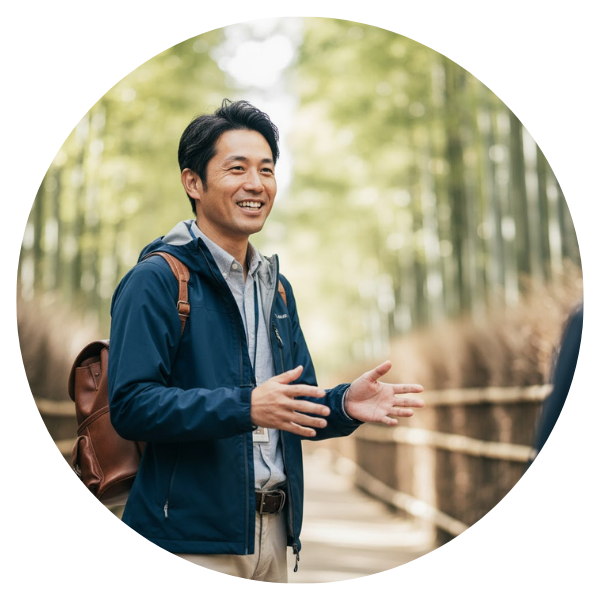
Hi, I’m Kai. I’m a Tokyo-based travel writer, tourism industry insider, and the author of a published guidebook for international visitors to Japan. With over 10 years of professional experience at a leading Japanese tourism company, my mission is to help you skip the tourist traps and navigate Japan’s best destinations like a local. I believe the perfect day trip is like a traditional kaiseki meal: a beautiful balance of precise planning and unforgettable seasonal discovery. When I’m not out conducting field research, you’ll usually find me drafting new itineraries with one of my favorite fountain pens!