
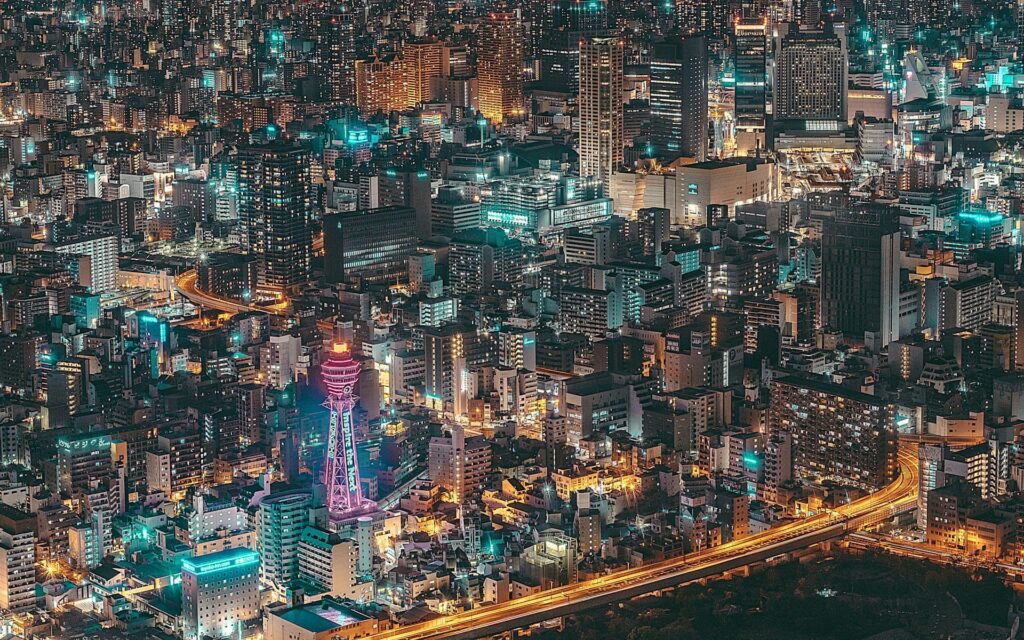
When planning a trip to Japan’s Kansai region, many travelers face the same question: should you stay in Osaka or Kyoto?
The best answer depends less on the 30-minute train ride between the two cities and more on how you want your mornings and evenings to work. Osaka is usually the better base for food, nightlife, lower hotel prices, and wide day trips to Nara, Kobe, and Himeji. Kyoto is usually the better base if your trip is built around temples, shrines, Gion, Arashiyama, and early starts before the crowds arrive.
This guide compares Osaka and Kyoto as hotel bases, including station areas, real travel friction, day-trip access, and when it makes sense to split your stay.
Should You Stay in Osaka or Kyoto?
If you need a quick answer, use this simple rule:
- Stay in Osaka, especially Umeda, if you want late-night food, easy access to Kobe and Himeji, and a lively city base after sightseeing.
- Stay in Kyoto, especially near Kyoto Station or central Kyoto, if most of your sightseeing days are inside Kyoto and you want to reach famous temples early.
- Split your stay if you have six nights or more and want both Kyoto mornings and Osaka nights without commuting every day.
For most travelers doing a wide Kansai itinerary, Osaka is the more flexible single base. For travelers whose dream trip is mainly Fushimi Inari, Kiyomizu-dera, Gion, Arashiyama, and traditional neighborhoods, Kyoto is the more comfortable choice.
The important detail is that Osaka to Kyoto in about 30 minutes only means station to station. Once you arrive at Kyoto Station, you may still need a bus, subway, taxi, or another train to reach the temple district you actually want to visit. A Umeda hotel to a Kyoto temple can feel closer to a 60- to 90-minute door-to-door journey, especially in the morning.
How Should You Choose Your Kansai Base?
The choice is not simply “
 Osaka versus Kyoto.” The exact station area matters just as much, especially when deciding where to stay in Osaka. Staying near the wrong station can add transfers, walking time, and frustration to every day trip.
| Base Area | Best For | Kyoto Sightseeing Friction | Best Day Trips | Main Drawback |
|---|---|---|---|---|
| Umeda (Osaka) | Wide Kansai day trips, shopping, restaurants, and Osaka nights | Low to medium | Kyoto, Kobe, Himeji, Nara | Not ideal for 7:00 AM temple starts in Kyoto |
| Kyoto Station | Early Kyoto sightseeing, Nara, Uji, and first-time Kyoto trips | Very low | Kyoto, Nara, Uji | Weaker nightlife and often higher hotel prices |
| Namba (Osaka) | Dotonbori, street food, nightlife, and direct access to Nara | High | Nara, Osaka city | Inefficient for Kyoto and Kobe because of transfers |
| Shin-Osaka | Shinkansen-heavy trips and fast departures to other cities | Low | Kyoto, Himeji, Hiroshima | Quiet business area with limited evening atmosphere |
After you decide which base fits your trip, compare hotel availability around the two most practical transport hubs:
When Is Osaka the Better Base?
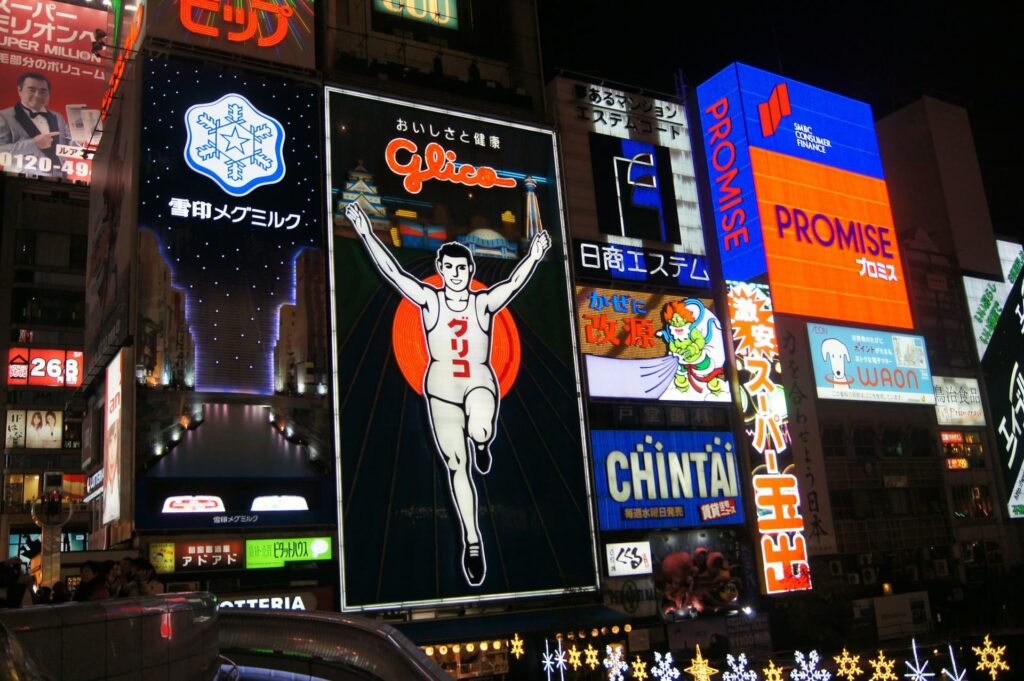
Osaka is the better base if your Kansai trip spreads beyond Kyoto. It works especially well if you want to visit Nara, Kobe, Himeji, Osaka Castle, Dotonbori, and local food neighborhoods without changing hotels.
Osaka also wins for evenings. After a long sightseeing day, you have more late-night restaurants, casual izakayas, shopping areas, and entertainment options. If you like ending the day with food and city energy, Osaka usually feels easier than Kyoto.
Umeda
For most travelers using Osaka as a Kansai base, Umeda is the best all-around area. Umeda surrounds JR Osaka Station, one of the most useful transport hubs in the region.
From JR Osaka Station, you can take the JR Special Rapid train to Kyoto Station in about 30 minutes without transfers. You can also travel directly to Kobe’s Sannomiya area in about 22 minutes and to Himeji in about 65 minutes. This makes Umeda especially useful if your itinerary includes Kyoto one day, Kobe another day, and Himeji Castle later in the trip.
Umeda also has a major advantage after dark. The area is filled with department stores, underground malls, casual restaurants, bars, and train connections. It is less chaotic than Namba but still lively enough for dinner after a day trip.
Check prices and availability for hotels near Umeda
Namba
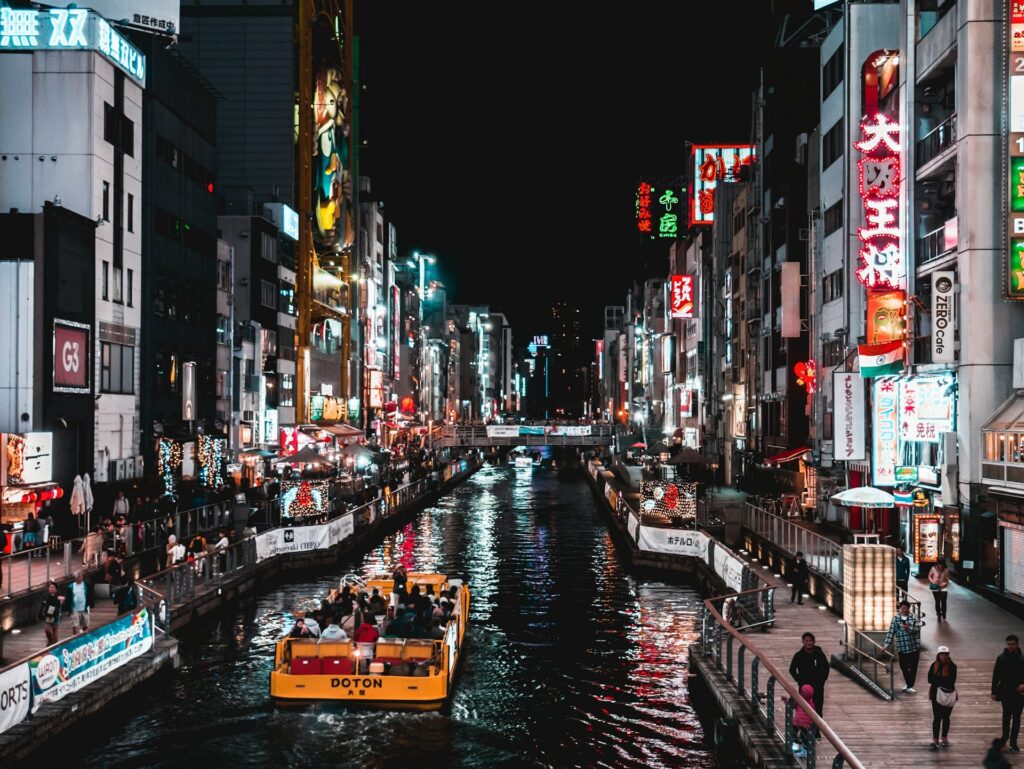
Namba is the heart of Osaka nightlife and one of the most exciting places to stay if food is your priority. Dotonbori, Hozenji Yokocho, Kuromon Market, and many late-night restaurants are nearby, so evenings are easy and fun.
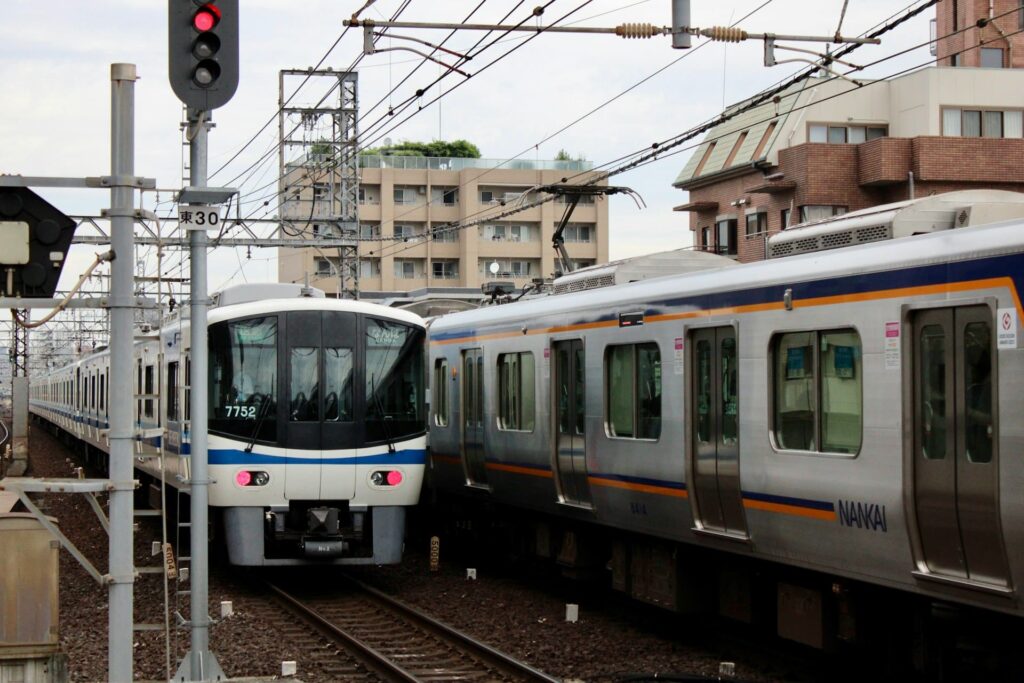
However, Namba is not the best base for Kyoto day trips. There is no direct JR train from Namba to Kyoto Station. You usually need to take the Osaka Metro to Umeda or another transfer point before continuing to Kyoto, which adds time and makes early temple starts more tiring.
Namba makes the most sense if your trip is Osaka-focused, if nightlife matters more than early mornings, or if Nara is your main day trip. The Kintetsu Line gives Namba convenient access to Nara, but for Kyoto, Kobe, and Himeji, Umeda is usually easier.
Shin-Osaka
Shin-Osaka is the Shinkansen station north of central Osaka. It is useful if your itinerary includes frequent bullet train travel, such as Himeji, Hiroshima, or travel onward to Tokyo.
For Kyoto, Shin-Osaka can be very fast by Shinkansen, but it is not usually the most enjoyable place to stay. The immediate area is practical and business-focused rather than atmospheric. If you only need a clean, efficient transport base, it can work. If you want Osaka’s food and nightlife, Umeda or Namba will feel better.
When Is Kyoto the Better Base?
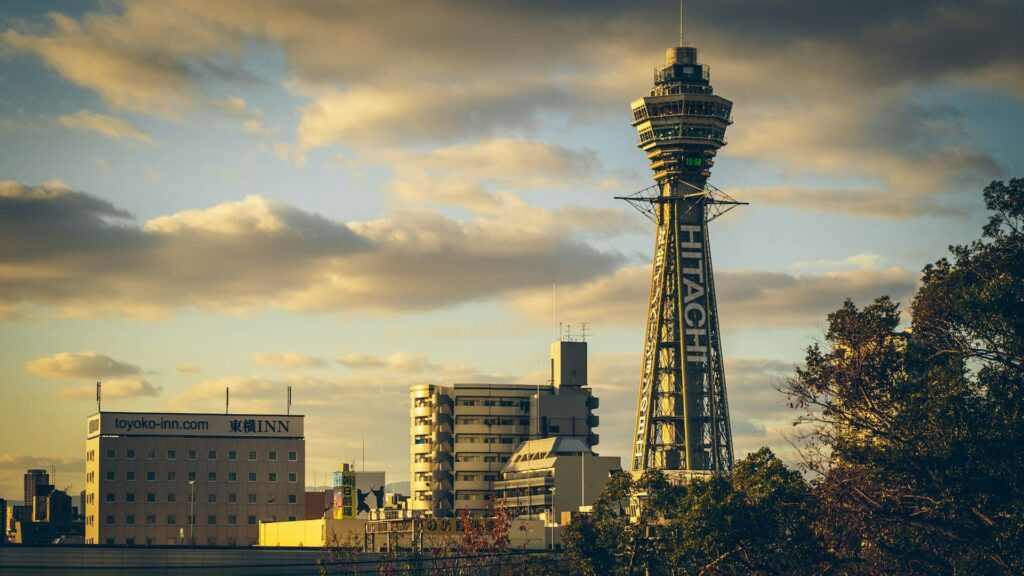
Kyoto is the better base if your main reason for visiting Kansai is traditional Japan. If your itinerary includes several days of temples, shrines, gardens, Gion, Higashiyama, Arashiyama, and early-morning photography, staying in Kyoto saves energy every day.
The biggest advantage is not the train time. It is the morning. Kyoto’s most famous places can become crowded quickly, so being able to leave your hotel early and reach a major sight before tour groups arrive can change the entire experience.
Kyoto Station
Kyoto Station is the most practical Kyoto base for first-time visitors who still want regional access. It connects to JR lines, the Shinkansen, subway services, buses, and routes to Nara and Uji.
It is not the most atmospheric part of Kyoto, but it is extremely convenient. If you plan to take day trips while still prioritizing Kyoto sightseeing, Kyoto Station gives you the simplest balance.
Check prices and availability for hotels near Kyoto Station
Kawaramachi and Shijo-Karasuma
Kawaramachi and Shijo-Karasuma are better choices if you want a more central Kyoto stay with easier evening walks, restaurants, shopping, and access to Gion or Nishiki Market.
The trade-off is that they are not as simple for luggage, Shinkansen arrivals, or JR day trips as Kyoto Station. They are excellent if Kyoto itself is your priority, but less convenient if you plan to use trains across Kansai every day.
Should You Split Your Stay Between Osaka and Kyoto?
Splitting your stay can be a good idea, but only when it solves a real problem. Changing hotels takes time: you need to pack, check out, move luggage, wait for check-in, and reorient yourself in a new neighborhood.
For short Kansai trips of three to five nights, one base is usually easier. Choose Osaka if your itinerary is spread across the region. Choose Kyoto if most of your sightseeing is inside Kyoto.
For trips of six nights or more, splitting can make sense. A practical pattern is to stay in Kyoto first for early temple visits, then move to Osaka for food, nightlife, Nara, Kobe, Himeji, and departure logistics.
A split stay is especially useful if you want to experience both sides of Kansai: quiet Kyoto mornings and energetic Osaka evenings.
Sample Kansai Itineraries from an Osaka Base
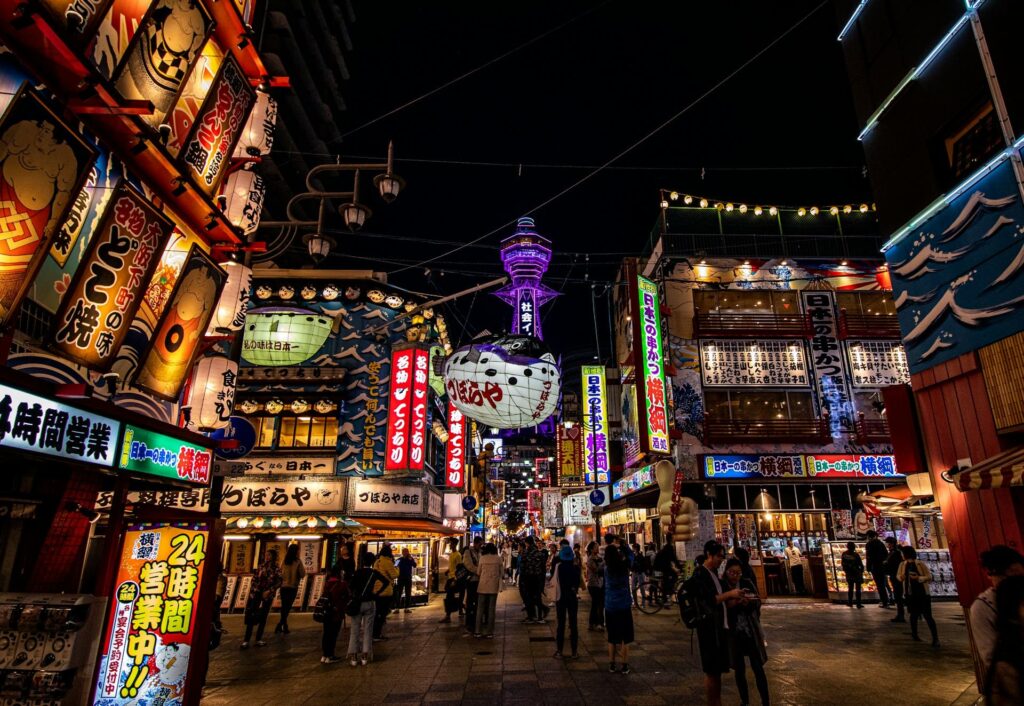
If you choose Osaka as your single hotel base, the key is to group your sightseeing days by direction. Use Umeda for the easiest access to Kyoto, Kobe, Himeji, and other JR-heavy day trips.
5-Day Osaka Base Route
- Day 1: Arrival and Osaka evening – Check into a hotel near Umeda. Spend the evening around Umeda, Dotonbori, or a local izakaya area without worrying about a late train back from another city.
- Day 2: Kyoto highlights – Take the JR Special Rapid train from Osaka Station to Kyoto Station. Focus on one side of Kyoto, such as Higashiyama, Kiyomizu-dera, Gion, and Fushimi Inari, rather than trying to cross the whole city.
- Day 3: Nara day trip – Visit Nara Park, Todai-ji Temple, and nearby shrines. Return to Osaka in the late afternoon for dinner.
- Day 4: Kobe or Himeji – Choose Kobe for food, the waterfront, and sake districts, or Himeji for one of Japan’s most impressive original castles.
- Day 5: Osaka city and departure – Use your final day for Osaka Castle, shopping, food, or a relaxed airport transfer.
This route works best for travelers who want one hotel, varied day trips, and lively evenings. The main compromise is that your Kyoto day will be easier if you start early and keep the itinerary realistic.
7-Day Kansai Route
- Day 1: Arrival in Osaka – Settle into your hotel and keep the first evening simple with food near Umeda or Namba.
- Day 2: Eastern Kyoto – Visit Kiyomizu-dera, Higashiyama, Gion, and Fushimi Inari. Start early to reduce the impact of crowds.
- Day 3: Nara – Spend the day around Nara Park, Todai-ji Temple, Kasuga Taisha, and quieter backstreets if time allows.
- Day 4: Himeji – Travel west to Himeji Castle. If you have energy afterward, add Kobe on the return journey rather than making a separate day of it.
- Day 5: Western or northern Kyoto – Focus on Arashiyama, Kinkaku-ji, or another Kyoto area you did not cover on Day 2.
- Day 6: Kobe and Mount Rokko – Visit Sannomiya, the waterfront, or the Nada sake district. If you plan to go up Mount Rokko, check weather and transport operation status before committing your day to the mountain route.
- Day 7: Osaka food, shopping, and departure – Use the final day for Osaka neighborhoods, last-minute shopping, and airport logistics.
For a 7-day trip, a split stay can also work well. Consider staying in Kyoto for the first two or three nights, then moving to Osaka for the wider day trips and easier evenings.
If your itinerary gives only one day to Kyoto and Nara combined, doing everything independently can feel rushed. A structured day tour may be easier than coordinating several trains, buses, and sightseeing stops on your own.
Check Kyoto and Nara Day Tour from Osaka
Do You Need a Kansai Rail Pass?
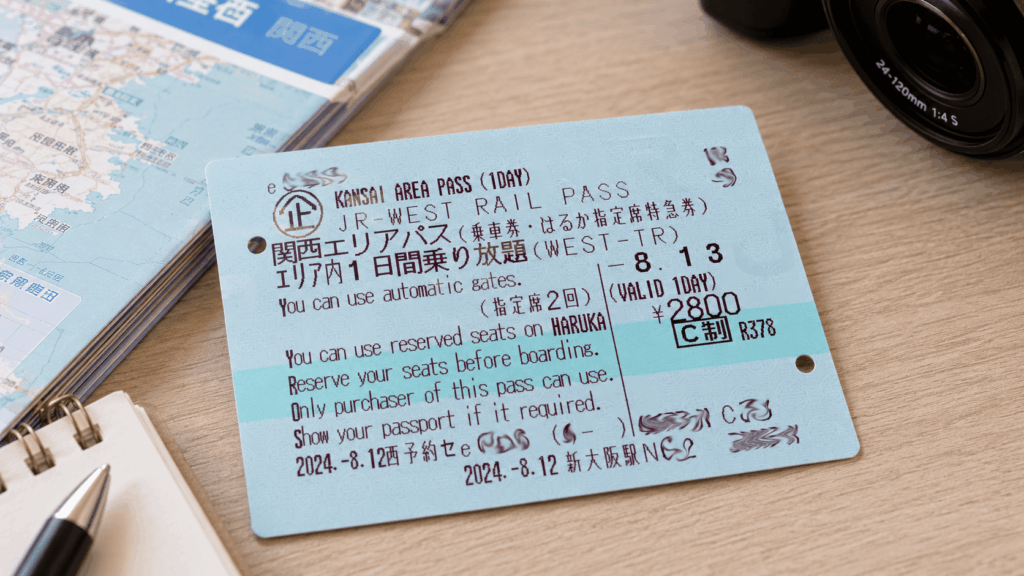
Do not buy a rail pass automatically just because you are staying in Osaka. A pass is only useful if the routes you plan to take are covered and the total value is higher than buying individual tickets.
As of 2026, regional JR passes can be useful for JR-heavy Kansai itineraries that include airport access, Kyoto, Kobe, Nara, Himeji, or other covered destinations. However, pass rules, covered trains, and prices can change, so always confirm the latest details before buying.
For this Osaka-or-Kyoto decision, the most important point is simple: a rail pass does not fix a poor hotel location. If you stay in Namba and want to visit Kyoto several times, you still have to deal with transfers. If you stay near Umeda or Kyoto Station, your travel days are usually smoother whether you use a pass or regular tickets.
Before buying a pass, list your planned long-distance travel days:
- Kansai Airport transfer: May add value if your pass covers the right airport route.
- Himeji day trip: Often one of the stronger reasons to compare a pass.
- Kobe and Kyoto: Convenient from Osaka, but not always expensive enough alone to justify a pass.
- Nara: Useful to include in your comparison, but check whether JR or Kintetsu is better for your hotel location.
If your plan includes several JR-heavy travel days, compare the pass price with individual fares before purchasing.
Check 4 Day JR-West Kansai Rail Pass details
What Weather and Crowd Issues Should You Consider?
Train times are only one part of the decision. Weather, daylight, and crowd patterns can change how comfortable your base feels.
- Kyoto in peak seasons: Spring blossoms, autumn colors, and major holidays can make buses, temple areas, and narrow streets feel much slower than the map suggests.
- Kyoto in summer: Heat and humidity make outdoor temple days more tiring, especially when you add long walks after the train ride from Osaka.
- Kyoto in winter: Early mornings can be quieter and more atmospheric, but they can also be cold, especially around Arashiyama and open temple grounds.
- Kobe and Mount Rokko: Mountain views, ropeways, and cable car routes can be affected by weather, inspections, or maintenance, so check the latest operation status before planning your day around them.
- Himeji and Nara: These are outdoor-heavy day trips, so rain or extreme heat can reduce how much you enjoy them even if the train access is easy.
If your trip is built around early Kyoto sightseeing, staying in Kyoto becomes more attractive. If your trip is built around flexible day trips and evening food, Osaka remains the easier base.
FAQs About Where to Stay in Osaka or Kyoto
Is it better to stay in Osaka and visit Kyoto?
It is better to stay in Osaka and visit Kyoto if Kyoto is only one part of a wider Kansai trip. Osaka works especially well if you also want to visit Nara, Kobe, Himeji, Osaka neighborhoods, and late-night food areas.
However, if most of your sightseeing days are inside Kyoto, staying in Osaka can become tiring. The train ride to Kyoto Station is only part of the journey. You still need to reach the actual temple, shrine, garden, or neighborhood on your itinerary.
Is Kyoto better than Osaka for first-time visitors?
Kyoto is better if your image of Japan is temples, shrines, gardens, old streets, tea houses, and quiet mornings. First-time visitors who mainly want traditional sightseeing will usually be happier staying in Kyoto for at least part of the trip.
Osaka is better if you want food, nightlife, shopping, easier access to western Kansai, and a more energetic city base. For many first-time visitors, the best choice is not one city for every trip, but the city that fits the majority of their itinerary.
Is Kyoto more expensive than Osaka?
Kyoto often feels more expensive for hotels in popular seasons, especially around cherry blossoms, autumn colors, weekends, and holidays. Osaka usually has a wider range of hotel options and can be better value, particularly if you stay near a major transport hub rather than the most tourist-heavy area.
Prices vary heavily by season, so compare actual dates before deciding. A slightly cheaper hotel can become a poor deal if it adds inconvenient transfers every morning.
Should I split my stay between Osaka and Kyoto?
Split your stay if you have six nights or more, or if you strongly want both early Kyoto mornings and Osaka evenings. A good pattern is Kyoto first, then Osaka later.
For trips of three to five nights, one base is usually simpler. The time spent packing, checking out, moving luggage, and checking in again can outweigh the time saved on trains.
Is Namba a good base for Kyoto day trips?
Namba is not the best base for Kyoto day trips. It is excellent for nightlife, Dotonbori, food, and Nara access, but Kyoto usually requires a transfer before you reach the main Kyoto-bound rail routes.
If Kyoto is your main day-trip target from Osaka, Umeda is usually easier than Namba.
Is Shin-Osaka a good place to stay?
Shin-Osaka is a good place to stay if your priority is the Shinkansen, early departures, or efficient long-distance travel. It can be useful for Himeji, Hiroshima, Kyoto, or onward travel to Tokyo.
It is not the best choice if you want atmosphere, nightlife, or easy evening wandering. Most leisure travelers will prefer Umeda, Namba, Kyoto Station, or central Kyoto unless they have a specific transport reason to stay at Shin-Osaka.
Where should you stay if you fly into Kansai Airport?
For late arrivals or early departures, Osaka is often easier than Kyoto because it is closer to Kansai Airport and has more practical urban hotel options. Namba and Tennoji can be convenient for some airport routes to Osaka, while Umeda is better if your next days involve Kyoto, Kobe, or Himeji.
If your first full day is in Kyoto and your arrival time is not too late, going straight to Kyoto can still make sense. The best choice depends on your arrival time, luggage, and what you plan to do the next morning.
Final Verdict: Should You Stay in Osaka or Kyoto?
Stay in Osaka if you want one flexible base for Kansai day trips, especially if your itinerary includes Nara, Kobe, Himeji, Osaka food, shopping, and lively evenings. For most travelers choosing Osaka, Umeda is the strongest all-around hotel area.
Stay in Kyoto if the main purpose of your trip is Kyoto itself. If you care about early temple visits, quiet morning streets, Gion, Arashiyama, and traditional atmosphere, Kyoto will feel easier and more rewarding than commuting from Osaka every day.
Split your stay if your trip is long enough to justify the hotel change. Kyoto first and Osaka second is often the smoothest order: start with early cultural sightseeing, then finish with food, nightlife, wider Kansai day trips, and easier departure logistics.

Hi, I’m Kai. I’m a Tokyo-based travel writer, tourism industry insider, and the author of a published guidebook for international visitors to Japan. With over 10 years of professional experience at a leading Japanese tourism company, my mission is to help you skip the tourist traps and navigate Japan’s best destinations like a local. I believe the perfect day trip is like a traditional kaiseki meal: a beautiful balance of precise planning and unforgettable seasonal discovery. When I’m not out conducting field research, you’ll usually find me drafting new itineraries with one of my favorite fountain pens!