
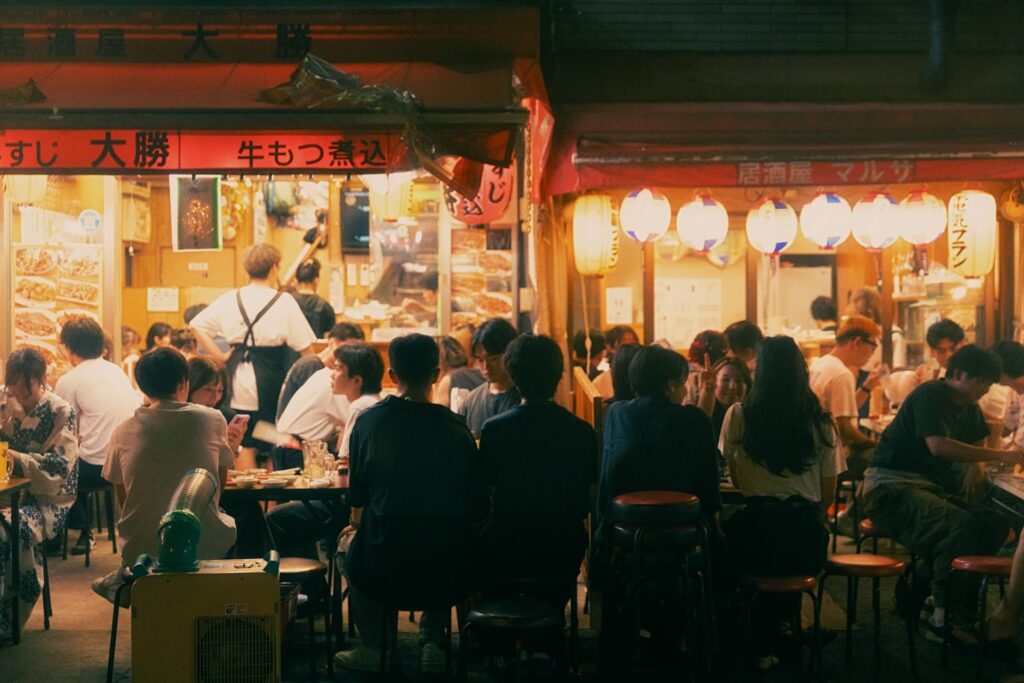
Osaka is famously known as Japan’s kitchen, a city where the local motto, kuidaore, means “eat until you drop.” But if you are looking for vegetarian, vegan, or halal Osaka food, the city’s most famous dishes can be harder to navigate than they first appear.
The main problem is not always visible meat. Traditional Japanese cooking often uses fish-based dashi, meat extracts, cooking sake, mirin, shared grills, and pre-mixed sauces. That means asking for “no meat” at a standard restaurant may not be enough if you are vegetarian, vegan, Muslim, gluten-free, or managing a serious allergy.
Can You Eat Vegetarian, Vegan or Halal Food in Osaka?
Yes, you can eat well in Osaka with dietary restrictions, but you need a plan. The safest approach is to separate Osaka food into two groups: dishes that can be clearly confirmed in advance, and dishes that are risky because the broth, batter, sauce, or cooking surface is already prepared.
The biggest mistake is assuming you can walk through Dotonbori, point to a famous street food, and ask vendors to remove the hidden ingredients. For dishes like okonomiyaki, takoyaki, ramen, and tempura, the problem is usually built into the recipe before you order.
Quick answer: if your diet is strict, do not rely on random street stalls for your main Osaka food experience. Use specialist vegan restaurants, halal-certified or clearly Muslim-friendly restaurants, or reserved food experiences where you can ask about dashi, mirin, alcohol, seafood, pork, gluten, and shared equipment before you arrive.
For a lower-stress Osaka food experience, a cooking class can be easier to confirm than a busy street-food crawl. The sushi-making class below lists dietary options and lets you request changes before arrival, which is much easier than trying to negotiate hidden ingredients at a crowded stall.
Check availability for the Dietary-Friendly Osaka Sushi Making Class
Before booking any food experience, confirm the latest dietary options, request deadlines, and allergy rules directly on the provider page. For severe allergies or strict halal requirements, contact the provider before payment rather than relying only on a short menu label.
Which Osaka Foods Are Risky for Vegetarian, Vegan and Halal Travelers?
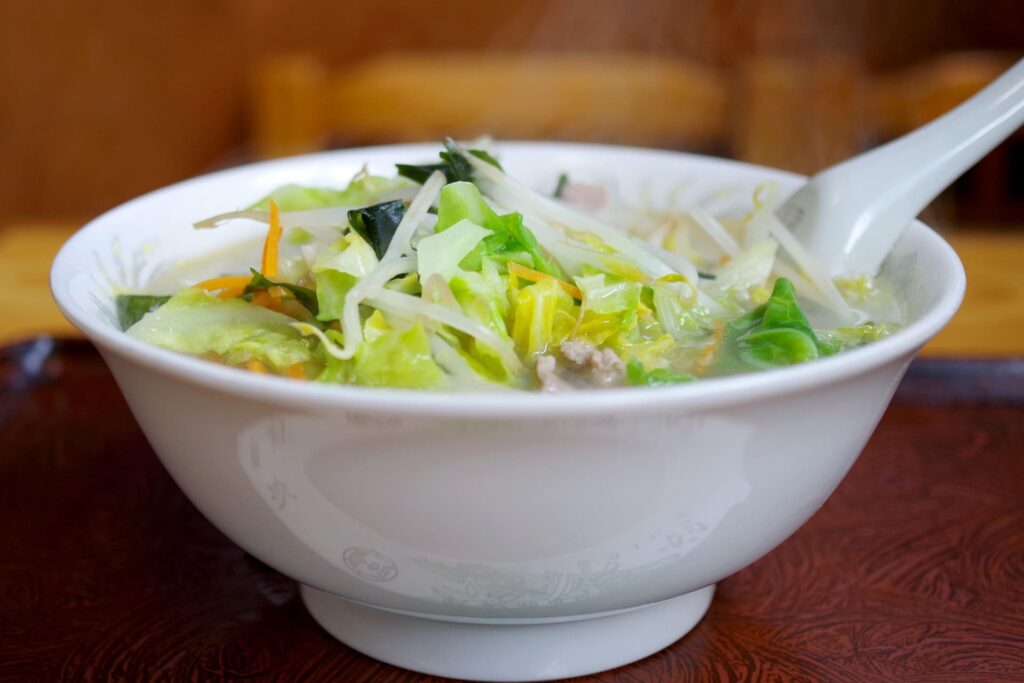
Osaka is famous for konamono, or flour-based comfort food, but these dishes often hide fish stock, egg, pork, seafood, alcohol-based sauces, or shared cooking surfaces. Use this table as a first filter before deciding what to eat.
| Osaka food | Vegetarian or vegan issue | Halal issue | Can a normal stall modify it? | Better option |
|---|---|---|---|---|
| Okonomiyaki | Fish dashi, egg, bonito flakes, animal-based sauce | Pork, seafood, mirin, shared grill | Usually no, because the batter and sauce are prepared ahead | Choose a specialist vegan restaurant or a class that accepts dietary requests |
| Takoyaki | Octopus, fish dashi, egg, bonito flakes | Seafood, alcohol-based sauce, shared pans | Usually no, especially at busy Dotonbori stalls | Avoid unless a shop clearly offers a vegan or halal version |
| Ramen | Pork, chicken, seafood, or fish-based broth | Pork broth, cooking alcohol, non-halal meat | No, because the soup base is made in advance | Use a vegan ramen shop, halal ramen shop, or pre-booked class |
| Sushi | Fish, seafood, egg, dashi-seasoned toppings | Seafood concerns, mirin in rice or sauces, soy sauce ingredients | Sometimes, depending on the restaurant | Ask about rice seasoning, sauces, and separate preparation |
| Tempura | Egg batter, fish-based dipping sauce, shared oil | Shared oil, alcohol in sauce, seafood cross-contact | Rarely, unless the restaurant is specialist | Confirm batter, oil, and dipping sauce before ordering |
| Reserved cooking class | Depends on menu and request rules | Depends on meat source, alcohol use, and equipment | Usually easier to confirm before arrival | Request changes when booking and ask about cross-contact |
What Do “Vegetarian” and “Halal-Friendly” Mean in Japan?
In Japan, dietary labels can be interpreted differently from how they are used in North America, Europe, or Muslim-majority countries. A dish may be described as “vegetable” or “meat-free” even when the flavor base contains fish stock, bonito flakes, meat extract, or cooking alcohol.
That is why it is better to name the specific ingredients you cannot eat instead of relying only on broad labels. For vegetarian and vegan travelers, the key words are dashi, bonito flakes, fish stock, meat stock, egg, dairy, and seafood. For halal travelers, the key concerns are pork, non-halal meat, mirin, cooking sake, alcohol-based sauces, and shared equipment.
If you are flexible vegetarian, you may be comfortable with some risk after asking basic questions. If you are vegan, strictly halal, celiac, or managing a serious allergy, you should treat unclear answers as a reason to choose a different restaurant or book a place that can confirm details in writing.
Why Is Dashi the Biggest Hidden Risk?
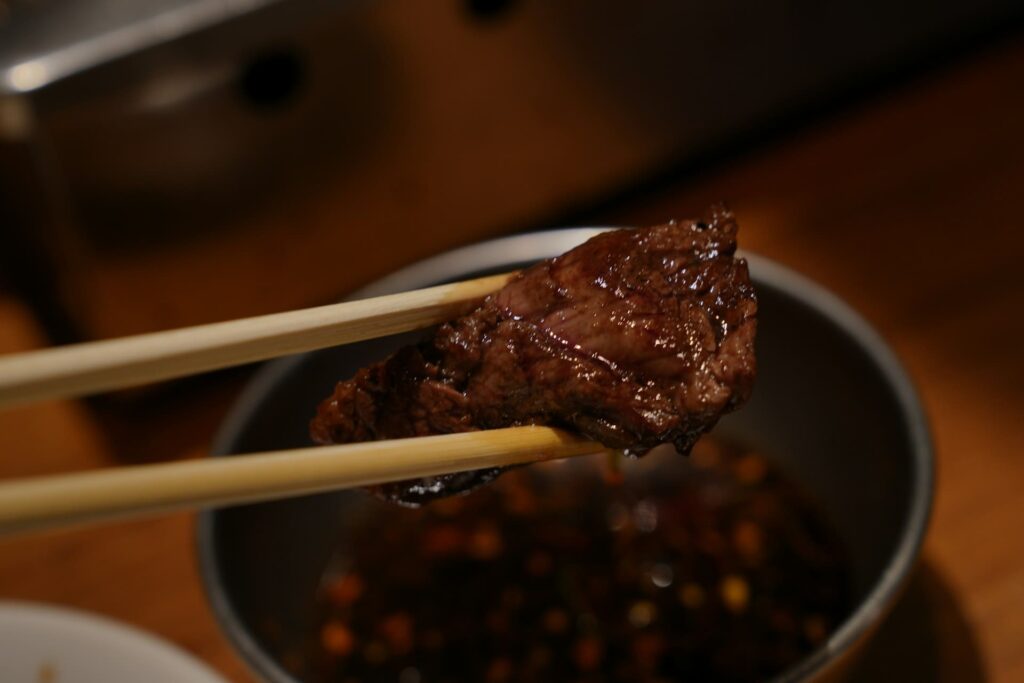
If there is one Japanese food term to learn before eating in Osaka, it is dashi. Dashi is a foundational Japanese stock, and standard versions often use katsuobushi, or dried bonito flakes. Kombu dashi and shiitake dashi can be vegetarian or vegan, but you should not assume a normal restaurant uses them unless the menu clearly says so.
Dashi appears in more places than many visitors expect. It can be mixed into okonomiyaki batter, takoyaki batter, udon soup, dipping sauces, simmered vegetables, egg dishes, and side dishes that look harmless at first glance.
Ramen is also difficult to improvise as a vegetarian, vegan, or halal traveler because the soup base is usually prepared long before service. Even if the toppings look simple, the broth may contain pork bones, chicken, seafood, fish powder, or alcohol-based seasoning.
If ramen is on your Osaka food list, do not rely on a last-minute request at a standard shop. Choose a vegan ramen shop, halal ramen shop, or an experience where vegetarian, vegan, or no-fish requests can be made in advance.
Check availability for the Osaka Ramen & Gyoza Cooking Class (Vegan/Vegetarian Options Available)
Please note: this specific ramen class cannot accommodate gluten-free travelers. Confirm current dietary rules on the provider page before booking.
Why Do Mirin, Cooking Sake and Shared Grills Matter?
For halal travelers, avoiding pork is only one part of eating safely in Osaka. Many Japanese sauces and glazes use mirin, cooking sake, or other alcohol-based seasonings. These can appear in teriyaki-style sauces, dipping sauces, noodle soup bases, sushi rice seasoning, and sweet-savory restaurant sauces.
Shared equipment is another major issue. In small Japanese kitchens, the same grill, pan, fryer, knife, or counter may be used for pork, seafood, eggs, wheat, and vegetables. This is especially important for strict halal travelers, vegans, celiac travelers, and anyone with a severe allergy.
- Shared flat grills: Okonomiyaki and teppanyaki restaurants often cook pork, seafood, egg, and vegetables on the same hotplate.
- Shared frying oil: Vegetable tempura may be fried in oil also used for shrimp, pork cutlets, chicken, or other animal products.
- Hidden alcohol: Mirin and cooking sake are common in sauces, marinades, broths, and glazes.
- Pre-mixed batters: Takoyaki and okonomiyaki batter may already contain fish dashi or egg before service begins.
For severe allergies or strict religious requirements, do not rely only on a server saying “no meat.” Ask about stock, sauces, cooking alcohol, and shared equipment before ordering.
How Can You Ask About Dashi, Mirin and Cross-Contact?
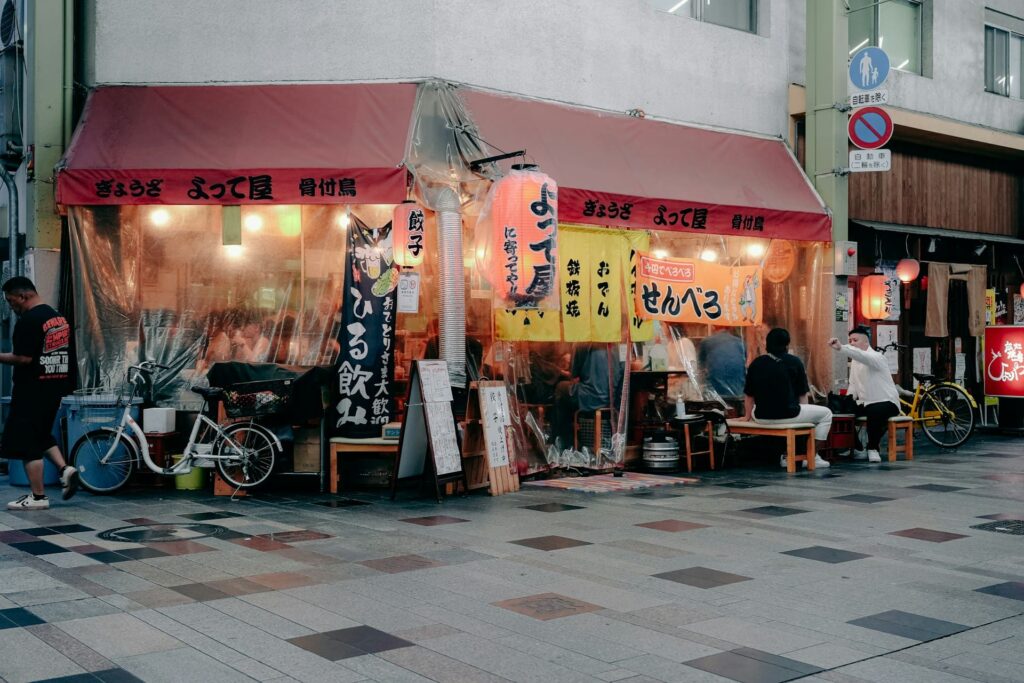
Communication is your first layer of protection. Many restaurant staff in Osaka are helpful, but they may not be familiar with overseas dietary definitions. A written card or clear translation app message is usually better than a quick verbal explanation.
Use specific ingredient-based questions instead of only saying “I am vegetarian” or “I need halal food.”
- “Watashi wa niku to sakana ga taberaremasen.” I cannot eat meat or fish.
- “Dashi ya katsuobushi wa haitte imasuka?” Does this contain dashi or bonito flakes?
- “Arukoru ya mirin wa tsukatte imasuka?” Does this use alcohol or mirin?
- “Onaji abura ya onaji teppan o tsukatte imasuka?” Do you use the same oil or the same grill?
- “Arerugi ga arimasu.” I have an allergy.
If you are booking a restaurant or activity in English, you can copy and adapt this message:
Vegetarian or vegan request: “I cannot eat meat, seafood, fish stock, bonito flakes, dashi made with fish, egg, dairy, mirin, or cooking sake. Can you prepare a suitable meal and avoid shared cooking surfaces where possible?”
Halal request: “I need a halal-friendly meal. Can you confirm whether the meat is halal-certified, and whether mirin, cooking sake, pork, pork extract, or alcohol-based sauces are used?”
Allergy request: “I have a serious allergy. Can you confirm the ingredients and whether there is any cross-contact through shared oil, grills, utensils, or preparation surfaces?”
Why Should You Request Dietary Changes Before You Arrive?
Japanese restaurants and cooking experiences often prepare sauces, broths, batters, and ingredients before service begins. Because of this, major dietary changes are much easier to handle when requested at the time of booking, not after you sit down.
This matters even more in Dotonbori, Namba, and Shinsaibashi, where busy restaurants and food stalls may not have time to check every ingredient during peak hours. Rainy evenings, long lines, and crowded counters can make detailed dietary questions even harder.
If you want a structured Osaka food experience, check the request rules carefully before booking. Some activities can prepare vegan, vegetarian, halal, gluten-free, or allergy-aware menus, but only if you send the request in advance.
Which Osaka Food Options Work Best for Each Dietary Need?
The best choice depends on how strict your diet is. A flexible vegetarian may be able to manage with careful questions at a regular restaurant, but vegan, strict halal, gluten-free, and allergy-aware travelers should be more cautious.
Where Can Vegetarians and Vegans Eat Okonomiyaki?
Standard okonomiyaki is usually not vegetarian or vegan unless the restaurant specifically says it uses vegetarian dashi, egg-free batter, and suitable sauce. The regular version often includes fish dashi in the batter, egg, pork or seafood, bonito flakes, and sauce that may contain animal-based ingredients.
Do not assume a normal okonomiyaki shop can remove these ingredients after you order. The batter and sauce are usually prepared before service, and the same hotplate may be used for pork, seafood, egg, and vegetables.
For a safer version, look for a specialist vegan restaurant in areas such as Namba, Shinsaibashi, or Umeda, or choose a reserved food experience that clearly accepts vegetarian or vegan requests in advance. If you want to base yourself near these options, see our guide on where to stay in Osaka for food.
Can Vegans or Vegetarians Eat Takoyaki in Osaka?
Takoyaki is one of Osaka’s most famous foods, but it is one of the hardest dishes to adapt at a street stall. The standard version contains octopus, egg, fish dashi, bonito flakes, and sauce that may include animal-based ingredients.
At busy Dotonbori stalls, the batter is usually pre-mixed and cooked in shared pans. That means a vendor normally cannot make a vegan or vegetarian version on request, even if they want to help.
If vegan takoyaki is a priority, search for a shop that clearly advertises a vegan version before you go. Otherwise, treat standard takoyaki as a dish to skip rather than modify.
How Should Halal Travelers Approach Osaka Food?
For halal travelers, pork is only the most obvious issue. You also need to ask about non-halal meat, pork extract, meat-based broth, mirin, cooking sake, alcohol-based sauces, and shared cooking equipment.
A “Muslim-friendly” restaurant may offer pork-free or alcohol-free options, but that does not always mean the whole kitchen is halal-certified. If you need strict halal food, check whether the meat is halal-certified and whether alcohol is used in sauces, broths, rice seasoning, or marinades.
Halal ramen shops, Indian restaurants, Pakistani restaurants, Middle Eastern restaurants, and clearly halal-certified restaurants are often easier than standard Japanese restaurants. For Osaka-style food, a cooking class or reserved experience may be easier to check in advance than a random stall.
What About Gluten-Free and Allergy-Aware Food in Osaka?
Gluten-free dining in Osaka can be difficult because standard Japanese soy sauce is usually brewed with wheat. Wheat can also appear in ramen noodles, udon, okonomiyaki, takoyaki, tempura batter, marinades, dipping sauces, and soup bases.
If you have celiac disease or a serious allergy, do not rely only on “gluten-free” or “allergy-friendly” wording unless the restaurant or provider can explain ingredients and cross-contact. Shared oil, shared grills, shared utensils, and shared preparation counters can all matter.
A Japanese allergy card is highly recommended. For sushi, ask about rice seasoning and sauces, and consider carrying your own gluten-free tamari if you know you can safely use it.
How Can You Find Safer Restaurants Before You Go?
Before walking into a restaurant, use more than one source. Restaurant maps, vegan directories, halal directories, official restaurant pages, and recent traveler reviews can each answer a different part of the safety question.
- For vegan meals: look for fully vegan restaurants or restaurants that clearly explain vegan dashi, sauces, and separate preparation.
- For vegetarian meals: check whether “vegetarian” means no meat only, or no fish dashi, bonito flakes, meat extract, and seafood.
- For halal meals: look for halal certification, non-pork and non-alcoholic policies, halal meat information, and whether prayer space is available if you need it.
- For allergies: contact the restaurant or provider directly and ask about cross-contact, not just ingredients.
If the answer is unclear, choose another place. In Osaka, the safest meal is often the one you can confirm before you arrive, not the one that looks easiest after you are already hungry.
When Is a Cooking Class Easier Than a Street-Food Crawl?
Dotonbori and Shinsaibashi are exciting places to eat, but they are not always easy for travelers with strict dietary needs. Vendors are busy, batters are pre-mixed, sauces are prepared ahead, and staff may not have time to check every ingredient during a rush.
A cooking class is not automatically safer for every diet, but it can be easier to confirm. You can check the menu, send dietary requests before booking, and ask about dashi, mirin, seafood, pork, gluten, and shared equipment before you pay.
This is especially useful if you want an Osaka food experience but do not want to spend your evening asking every stall about hidden fish stock or alcohol-based sauces.
Book the Dietary-Friendly Osaka Sushi Making Class (Vegan, Halal, GF & Allergy Options)
Before booking, read the latest provider details and send your dietary request in writing. For severe allergies, strict halal requirements, or celiac disease, contact the provider directly before payment.
Frequently Asked Questions About Vegetarian, Vegan and Halal Osaka Food
Is Japanese dashi vegetarian?
Usually, no. Standard dashi often contains bonito flakes, which are made from fish. Kombu dashi and shiitake dashi can be vegetarian or vegan, but you should only rely on them when the restaurant clearly confirms which dashi is used.
Can I find vegan okonomiyaki in Osaka?
Yes, but usually not at a standard okonomiyaki shop or street stall. Regular okonomiyaki often contains fish dashi, egg, pork or seafood, bonito flakes, and animal-based sauce. Look for a specialist vegan restaurant or a food experience that accepts vegan requests in advance.
Can I find halal takoyaki in Dotonbori?
It is difficult at normal stalls. Standard takoyaki contains octopus, fish dashi, egg, bonito flakes, and sauce that may include alcohol-based ingredients. The pans and preparation surfaces may also be shared. Only try it if the shop clearly offers a halal-friendly version and can explain the ingredients.
What does “halal-friendly” mean in Osaka?
It can mean different things depending on the restaurant. Some places may offer pork-free or alcohol-free menu items, while others may use halal-certified meat or operate a fully halal kitchen. Always confirm meat certification, alcohol use, sauces, broths, and shared equipment if you need strict halal food.
Is vegan ramen easy to find in Osaka?
It is possible, but you should plan ahead. Standard ramen broth is usually made with pork, chicken, seafood, fish powder, or other animal-based ingredients. Search for a clearly vegan ramen shop or book an experience where vegetarian or vegan requests can be made before arrival.
Do I need to book dietary-friendly restaurants in advance?
Yes, if your diet is strict. Many Japanese restaurants prepare broths, sauces, batters, and marinades before service begins. Advance booking gives the restaurant or provider time to confirm ingredients and tell you whether they can actually accommodate your request.
What should I ask before booking a food experience in Osaka?
Ask whether the menu uses fish dashi, bonito flakes, pork, seafood, mirin, cooking sake, alcohol-based sauces, wheat, egg, dairy, or shared equipment. If you are halal, ask about halal-certified meat and alcohol. If you have an allergy, ask about cross-contact through oil, grills, utensils, and preparation surfaces.
How Should You Plan Your Osaka Meals?
For vegetarian, vegan, and halal travelers, Osaka is easiest when you plan your key meals before you arrive, especially when figuring out how to spend your day in Osaka without wasting time. Leave flexible snacks for low-risk foods, but do not leave your main Osaka food experience to a random street stall if hidden dashi, alcohol, pork, seafood, gluten, or cross-contact would be a serious problem for you.
Use specialist restaurants when you want the lowest uncertainty, reserved experiences when you want Osaka-style food with advance communication, and clear ingredient questions whenever you try a standard restaurant.

Hi, I’m Kai. I’m a Tokyo-based travel writer, tourism industry insider, and the author of a published guidebook for international visitors to Japan. With over 10 years of professional experience at a leading Japanese tourism company, my mission is to help you skip the tourist traps and navigate Japan’s best destinations like a local. I believe the perfect day trip is like a traditional kaiseki meal: a beautiful balance of precise planning and unforgettable seasonal discovery. When I’m not out conducting field research, you’ll usually find me drafting new itineraries with one of my favorite fountain pens!