
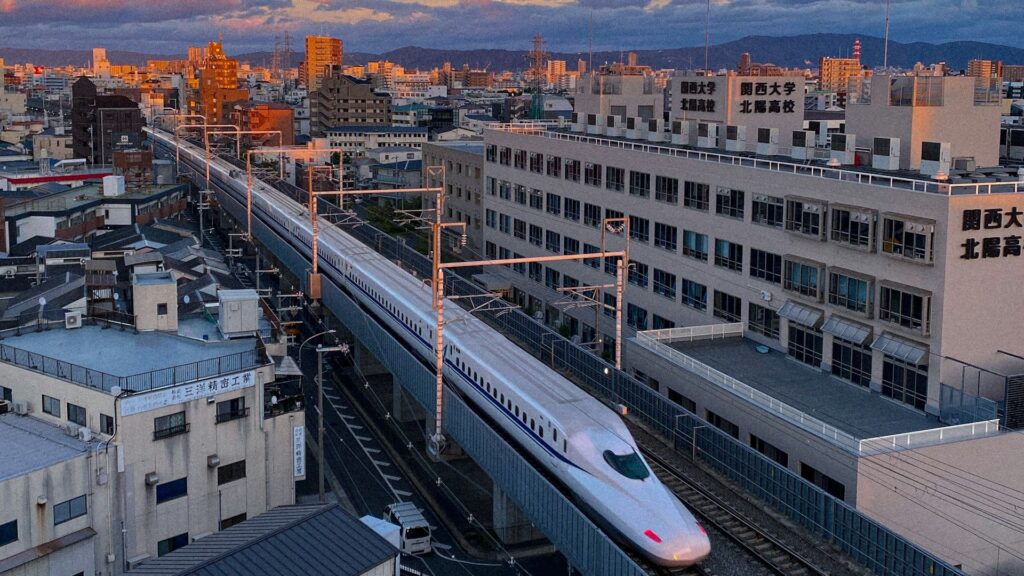
Trying to choose between Shin-Osaka, Namba, and Umeda usually comes down to one practical question: do you want the easiest Shinkansen logistics, the best food and nightlife, or the most convenient base for Kansai day trips?
For most first-time visitors, Namba is the better Osaka base because it puts you close to Dotonbori, Shinsaibashi, late-night restaurants, street food, and the classic Osaka atmosphere. Shin-Osaka is best only in specific situations, such as an early Shinkansen, heavy luggage, a late bullet-train arrival, or a one-night stop before moving on. Umeda, around Osaka Station, is often the strongest middle option if your trip is built around Kyoto, Kobe, Himeji, or other Kansai day trips.
This guide focuses on whether Shin-Osaka is a good place to stay compared with Namba and Umeda. For a broader overview of all major Osaka hotel areas, including Honmachi, Tennoji, and the Universal Studios Japan area, see this full where to stay in Osaka guide.
Quick Answer: Should You Stay in Shin-Osaka, Namba, or Umeda?
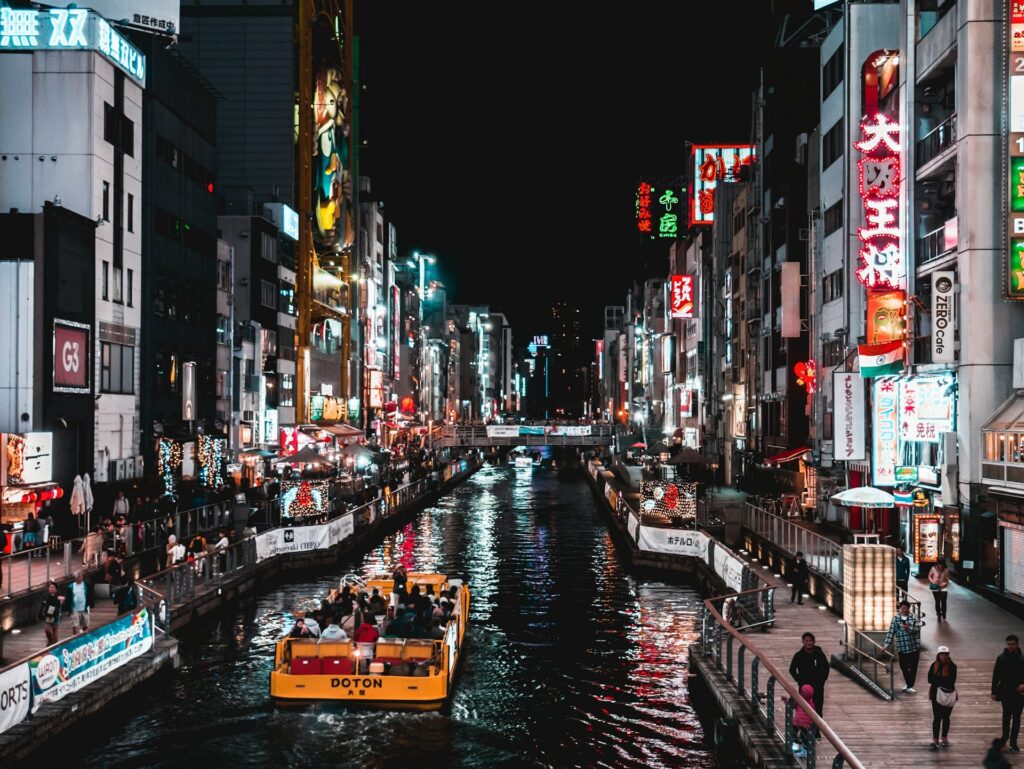
If you want the simplest answer, choose based on what will matter most on your arrival and departure days.
- Choose Namba if this is your first time in Osaka and you want food, nightlife, Dotonbori, Shinsaibashi, Kuromon Market, and easy access from Kansai International Airport.
- Choose Umeda if you want strong train connections for Kyoto, Kobe, Himeji, USJ, shopping, department stores, and a more polished city atmosphere.
- Choose Shin-Osaka if you have an early Shinkansen, large luggage, a short one-night stay, or a late arrival by bullet train.
Bottom line: Shin-Osaka is convenient, but it is not the most atmospheric place to stay. Namba is more fun. Umeda is more useful for day trips. Shin-Osaka is the right choice when train logistics matter more than the neighborhood itself.
Shin-Osaka vs Namba vs Umeda: Quick Comparison
| Area | Best If Your Priority Is… | Transport Advantage | Food and Nightlife | Luggage Stress | Main Drawback |
|---|---|---|---|---|---|
| Namba | Food, nightlife, Dotonbori, and a first-time Osaka stay | Direct access from Kansai International Airport by Nankai train | Best of the three for late-night meals and street food | Medium, because streets and stations can be crowded | Less convenient for the Shinkansen |
| Umeda / Osaka Station | Day trips, shopping, family travel, and wider Kansai access | Strong JR, Hankyu, Hanshin, and subway connections | Good restaurants, but less “classic Osaka nightlife” than Namba | Medium to high, because the station area is large and confusing | Easy to get lost on a first visit |
| Shin-Osaka | Early Shinkansen, heavy luggage, or a one-night stopover | Direct Shinkansen access and JR Haruka access from Kansai International Airport | Limited compared with Namba and Umeda | Low if your hotel is close to the station | Quiet and businesslike after dark |
Transport times and route patterns can change. The airport and train information in this guide is written as of May 2026, but you should check live operation updates before flights, early trains, or travel during heavy rain or typhoon season.
Is Shin-Osaka a Good Place to Stay?
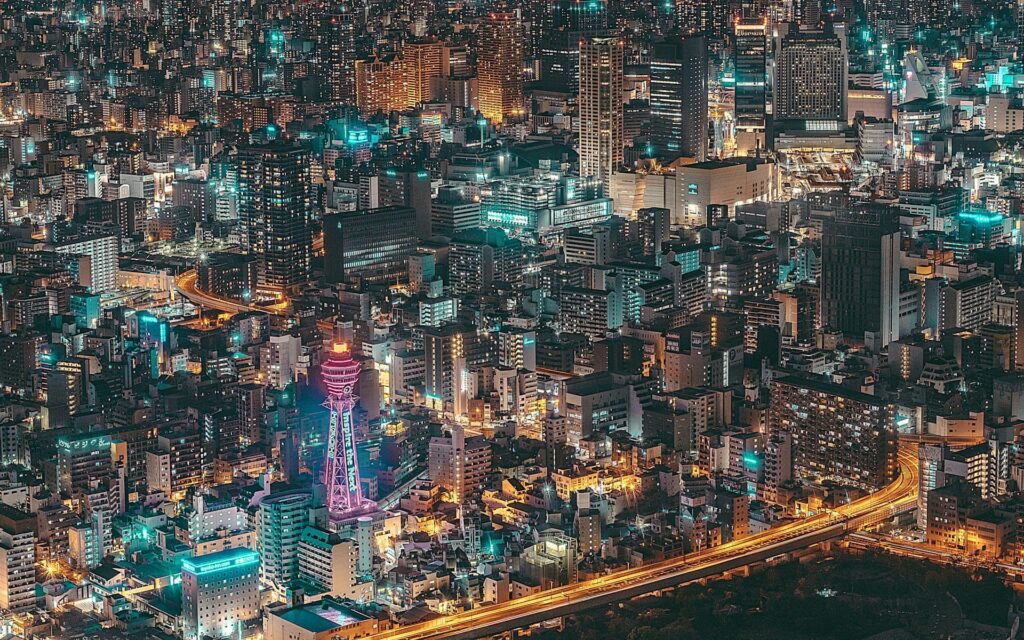
Shin-Osaka is a good place to stay if convenience matters more than atmosphere. It is the only Osaka station served by the Shinkansen, so it is especially useful if you are arriving from Tokyo, leaving early for Hiroshima or Fukuoka, staying only one night, or carrying large suitcases.
The biggest benefit is simple: you can reduce transfer stress. If your hotel is near Shin-Osaka Station, you do not need to drag luggage through Namba, Umeda, or crowded subway platforms before check-in or after check-out.
The biggest drawback is also simple: Shin-Osaka does not feel like the Osaka most travelers imagine. It is practical, clean, businesslike, and easy to use, but it does not have the neon streets, food alleys, canal views, and late-night energy of Namba.
When Shin-Osaka Makes Sense
- You have an early Shinkansen: Staying near the station removes the stress of crossing Osaka with luggage before a morning train.
- You are arriving late by bullet train: A nearby hotel makes check-in easier after a long travel day.
- You are staying in Osaka for only one night: Shin-Osaka can work well as a stopover before Kyoto, Hiroshima, Fukuoka, Tokyo, or another city.
- You have large luggage, strollers, or multiple bags: Avoiding extra subway transfers can be worth more than staying in a more exciting area.
- You care more about quiet sleep than nightlife: Shin-Osaka is calmer than Namba and usually less distracting after dark.
When Shin-Osaka Is the Wrong Choice
- You want Dotonbori outside your hotel: Shin-Osaka does not give you the classic Osaka nightlife experience.
- This is your first and only Osaka trip: Namba will usually feel more memorable.
- You plan to eat late every night: Namba and Umeda offer far more evening food options.
- You dislike taking trains after dinner: From Shin-Osaka, you will often need to ride back from Namba or Umeda at night.
- You are staying several nights and sightseeing mostly inside Osaka: A more central or atmospheric area is usually better.
You can still reach Namba from Shin-Osaka by the Midosuji Line in about 15 minutes, and Umeda is even closer. The problem is not distance. The problem is that Shin-Osaka makes your hotel feel separate from the fun part of the trip.
Stay in Shin-Osaka if: your Osaka stay is built around the Shinkansen, luggage, a short stopover, or an early departure.
Check hotels near Shin-Osaka Station on Klook
Is Namba Better Than Shin-Osaka for First-Time Visitors?
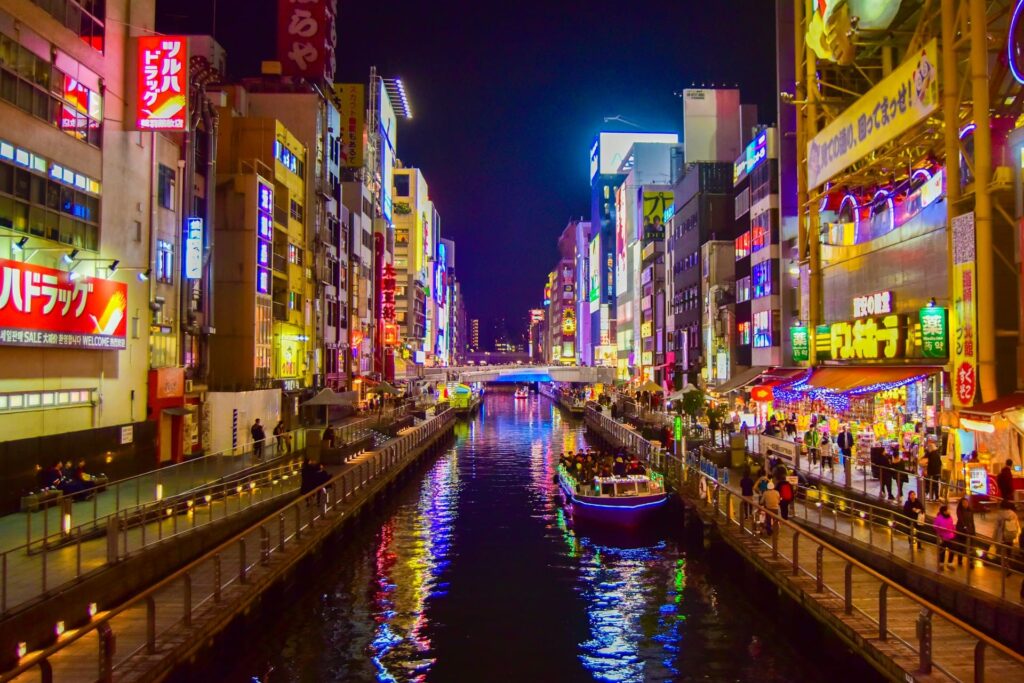
Yes, Namba is usually better than Shin-Osaka for first-time visitors. If you are visiting Osaka for the food, nightlife, and atmosphere, Namba gives you a much stronger sense of the city.
From many Namba hotels, you can walk to Dotonbori, Shinsaibashi, Hozenji Yokocho, Kuromon Market, Amerikamura, late-night ramen shops, takoyaki stands, and shopping arcades. This matters more than it sounds. Osaka is especially enjoyable at night, and staying in Namba makes it easy to step out after dinner without planning another train ride.
Namba is also convenient from Kansai International Airport. As of May 2026, the Nankai Limited Express Rapi:t connects Kansai-Airport Station and Nankai Namba Station in about 34 to 35 minutes. The regular Nankai Airport Express takes longer but is also straightforward. This makes Namba especially practical if Osaka is your first stop after landing.
Why Namba Works So Well
- You can walk to Dotonbori and Shinsaibashi from many hotels.
- Late-night food is easier than in Shin-Osaka.
- Airport access from Kansai International Airport is simple by Nankai train.
- Kintetsu Namba is convenient for Nara.
- The area feels lively even after dark.
Why Namba May Not Be Ideal
Namba can feel crowded, especially around Dotonbori, Shinsaibashi, and the main station areas. If you want quiet mornings, wide streets, and an easy station layout, Namba may feel intense.
The other downside is Shinkansen access. The Shinkansen does not stop at Namba. To board a bullet train, you need to take the Midosuji Line to Shin-Osaka first. This is usually manageable, but it can feel annoying with large luggage during busy hours.
Stay in Namba if: this is your first time in Osaka and you want food, nightlife, Dotonbori, shopping, and a hotel base that feels close to the action.
Check hotels near Namba Station on Klook
Is Umeda Better Than Shin-Osaka or Namba for Day Trips?
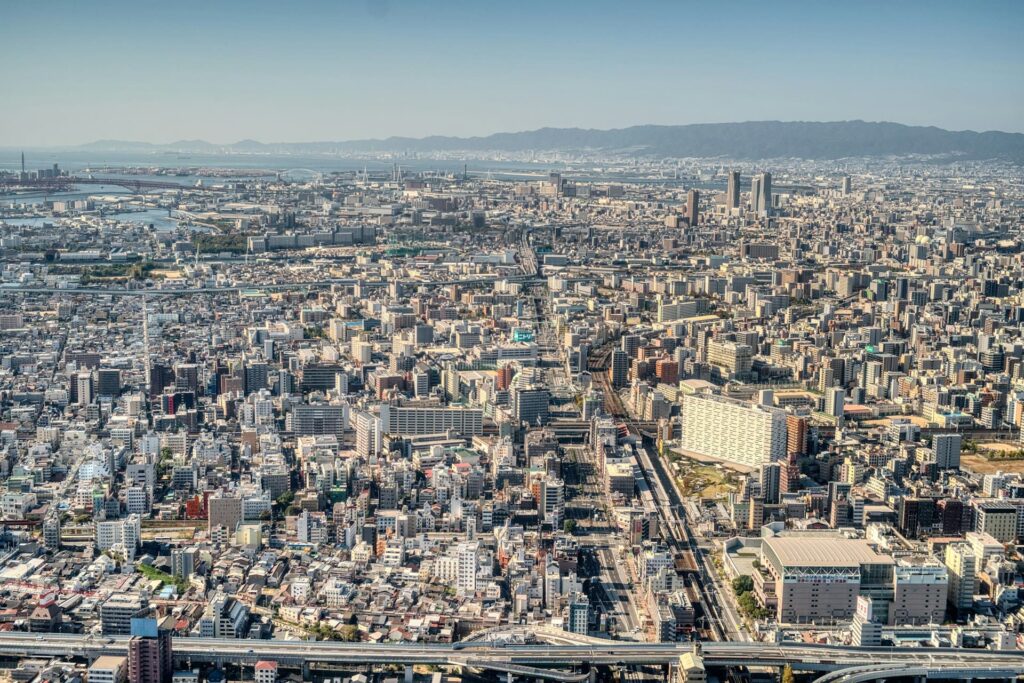
Umeda, around Osaka Station, is usually the best base for Kansai day trips. It is especially useful if your itinerary includes Kyoto, Kobe, Himeji, or Universal Studios Japan, because many JR, Hankyu, Hanshin, and subway routes are concentrated in the same general area.
Umeda is not as atmospheric as Namba, but it is much stronger as a transportation hub. It also has excellent department stores, underground shopping streets, restaurants, cafes, electronics shops, and large hotels. On rainy days or very hot days, the indoor shopping network can be surprisingly useful.
Compared with Shin-Osaka, Umeda is more enjoyable for eating, shopping, and walking around at night. Compared with Namba, it is more practical for repeated regional travel. That is why Umeda is often the best compromise for travelers who want both comfort and connectivity.
Why Umeda Works So Well
- Osaka Station is convenient for JR trains to Kyoto, Kobe, Himeji, and Universal Studios Japan.
- Hankyu and Hanshin lines give you more options for regional travel.
- The area has excellent shopping, department stores, restaurants, and indoor facilities.
- It is often easier for families than the busiest parts of Namba.
- It gives you a good balance between transport, hotels, and dining.
Why Umeda Can Be Difficult
The main downside is navigation. Umeda is famous for its huge underground station network, multiple railway companies, and confusing exits. On a first visit, it can take time to understand the Osaka train system and the difference between Osaka Station, Umeda Station, Higashi-Umeda Station, Nishi-Umeda Station, Hankyu Osaka-Umeda, and Hanshin Osaka-Umeda.
Umeda is also less atmospheric than Namba for late-night street food, canal views, and casual bar hopping. If your dream Osaka night involves neon signs, takoyaki, and walking back from Dotonbori, Namba is still the stronger choice.
Stay in Umeda if: you want a practical Osaka base for day trips, shopping, family travel, and wider Kansai access.
Compare hotels near Umeda Station on Klook
Which Area Is Best for Kansai International Airport?
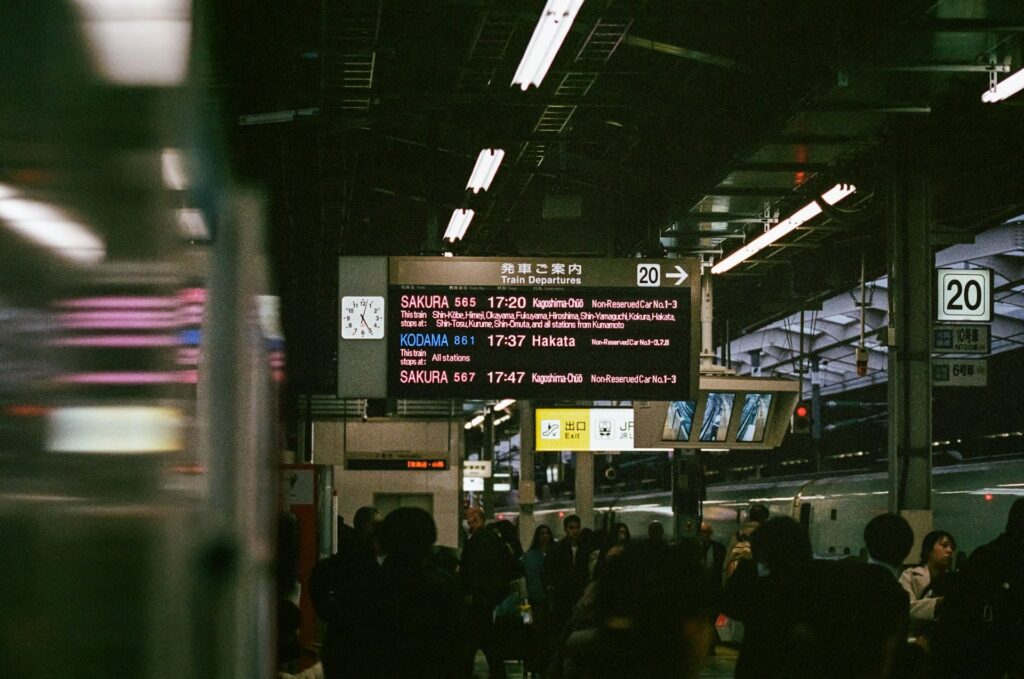
Airport access depends on which train you want to use and where your hotel is located. As of May 2026, these are the most useful options for travelers arriving at Kansai International Airport. For more details, see our Kansai Airport to Osaka transportation guide.
| Destination | Best Route from KIX | Approximate Time | Best For |
|---|---|---|---|
| Namba | Nankai Limited Express Rapi:t to Nankai Namba Station | About 34 to 35 minutes | First-time visitors, food, nightlife, and Dotonbori |
| Shin-Osaka | JR Haruka Limited Express to Shin-Osaka Station | About 50 minutes | Shinkansen connections and luggage-heavy arrivals |
| Umeda / Osaka Station | JR Kansai Airport Rapid to Osaka Station, or airport limousine bus | About 60 to 65 minutes, depending on route and traffic | Day trips, shopping, and wider Kansai access |
Important: Rapi:t and Haruka are limited express trains, so ticket rules can differ from regular commuter trains. Check the latest train information before you travel, especially if you are arriving late at night, traveling with large luggage, or visiting during typhoon season.
If Osaka is your first stop after an international flight, Namba is usually the easiest area to recommend. If you are landing and then taking the Shinkansen soon after, Shin-Osaka may be more practical.
Which Area Is Best for the Shinkansen?
Shin-Osaka is the best area for the Shinkansen because it is the Shinkansen station. Bullet trains do not stop at Namba or Umeda. If you are leaving Osaka by Shinkansen, you eventually need to go to Shin-Osaka.
This does not mean every traveler should stay there. If your Shinkansen is in the afternoon and your luggage is manageable, staying in Namba or Umeda is usually fine. But if your train is early, your bags are heavy, or your trip has no room for station stress, Shin-Osaka becomes much more attractive.
| Your Shinkansen Situation | Best Hotel Area | Why |
|---|---|---|
| Early morning departure | Shin-Osaka | You avoid an early subway ride with luggage. |
| Late arrival by bullet train | Shin-Osaka | You can check in quickly and rest. |
| Afternoon departure | Namba or Umeda | You can enjoy a better neighborhood and travel to Shin-Osaka later. |
| One-night stopover | Shin-Osaka | Convenience matters more than atmosphere. |
| Several nights in Osaka | Namba or Umeda | You will probably enjoy a livelier or more connected base. |
Which Area Is Best for Day Trips?
If you plan to use Osaka as a base for several day trips by train to places like Kyoto, Nara, Kobe, and Himeji, the best area depends on where you are going most often.
- For Kyoto: Umeda / Osaka Station is usually the easiest choice, with JR Special Rapid services reaching Kyoto in about 30 minutes.
- For Kobe: Umeda is very convenient because JR, Hankyu, and Hanshin all connect Osaka with Kobe.
- For Universal Studios Japan: Umeda / Osaka Station is convenient because you can connect through the JR network to Universal City Station.
- For Nara: Namba is the strongest choice because Kintetsu Namba gives direct access toward Kintetsu Nara.
- For Hiroshima, Fukuoka, or Tokyo: Shin-Osaka is the most convenient because it is the Shinkansen station.
If you are doing one or two short day trips, Namba is still fine. If you are doing many regional trips, Umeda usually saves more energy. If your trip is built around bullet train departures, Shin-Osaka becomes much more useful.
Which Area Is Easiest With Large Luggage?

Shin-Osaka is usually the easiest option with large luggage if you are arriving or leaving by Shinkansen. You avoid an extra subway transfer and can stay close to the bullet train platforms.
Namba can be more stressful with luggage because the area is busy, and some station exits, sidewalks, and shopping streets can feel crowded. It is still manageable, especially if you arrive by Nankai train from Kansai International Airport, but it is not as smooth as Shin-Osaka for Shinkansen travel.
Umeda is mixed. It has excellent transport, elevators, hotels, and shopping facilities, but the station area is large. With suitcases, it helps to know your hotel’s nearest exit before arrival, or you can use luggage storage and KIX delivery services to avoid the hassle.
| Luggage Situation | Best Area | Reason |
|---|---|---|
| Large suitcases and Shinkansen | Shin-Osaka | Fewest transfers and easiest bullet-train access. |
| Arrival from Kansai International Airport | Namba | Direct Nankai access is simple and practical. |
| Several day trips with luggage stored at hotel | Umeda | Strong rail access after you have checked in. |
| One-night stopover | Shin-Osaka | Convenience matters more than nightlife. |
Is Shin-Osaka Too Boring?
For some travelers, yes. Shin-Osaka can feel too boring if you expect your hotel area to be part of the sightseeing experience.
The area has restaurants, convenience stores, business hotels, and station facilities, but it does not have Namba’s food alleys or Umeda’s shopping density. It is not a bad area. It is simply functional. That can be perfect for a travel night and disappointing for a vacation base.
Ask yourself this before booking Shin-Osaka:
- Will I be happy taking the subway every evening for food and sightseeing?
- Am I staying here because of a real Shinkansen need, or just because the hotel is cheaper?
- Will I regret not being able to walk back from Dotonbori at night?
- Do I have enough nights in Osaka to make convenience more important than atmosphere?
If the answer is mostly about train convenience, Shin-Osaka can be a smart choice. If the answer is mostly about saving a small amount of money, compare Namba and Umeda hotel prices again before committing.
Is Namba Too Inconvenient for the Shinkansen?
Namba is less convenient for the Shinkansen than Shin-Osaka, but it is not usually a serious problem. The Midosuji Line connects Namba and Shin-Osaka directly, so most travelers can manage the transfer without difficulty.
The problem appears when you combine three things: early departure, large luggage, and rush-hour crowds. If your Shinkansen leaves early in the morning and you have big suitcases, staying in Namba may feel more stressful than expected.
If your train leaves later in the day, Namba is usually fine. You get a better neighborhood for food and nightlife, then travel to Shin-Osaka when it is time to leave.
Where Should You Compare Hotels?
Once you know which area fits your itinerary, compare hotels near the station that matches your travel style.
First time in Osaka, nightlife, and food:
Check hotels near Namba Station
Day trips to Kyoto, Kobe, or USJ:
Compare hotels near Umeda Station
Early Shinkansen or luggage-heavy travel:
View hotels near Shin-Osaka Station
What Do Travelers Usually Ask About Shin-Osaka vs Namba?
Is Shin-Osaka better than Namba?
Shin-Osaka is better than Namba for Shinkansen access, early departures, large luggage, and short stopovers. Namba is better for food, nightlife, Dotonbori, shopping streets, and a first-time Osaka stay.
Is Shin-Osaka too far from central Osaka?
No. Shin-Osaka is not far from central Osaka. It is about 15 minutes by subway to Namba and only a short ride to Umeda. The issue is not travel time, but the lack of immediate nightlife and sightseeing atmosphere around the station.
Is Shin-Osaka a good place to stay for one night?
Yes. Shin-Osaka is a very practical choice for one night if you are arriving late by Shinkansen or leaving early the next morning. For a longer stay, Namba or Umeda will usually be more enjoyable.
Is Namba inconvenient for the Shinkansen?
Namba is less convenient for the Shinkansen because bullet trains depart from Shin-Osaka, not Namba. You need to take the Midosuji Line to Shin-Osaka before boarding. This is usually easy, but it can be tiring with large luggage during busy hours.
Should I stay in Umeda or Namba for day trips?
Stay in Umeda if your day trips focus on Kyoto, Kobe, Himeji, or Universal Studios Japan. Stay in Namba if Nara is your main day trip or if you care more about nightlife and food after returning to Osaka.
Which area is best for a first trip to Osaka?
Namba is usually the best area for a first trip to Osaka because it is close to Dotonbori, Shinsaibashi, Kuromon Market, late-night food, and many of the city’s most recognizable sights.
Which area is best for families?
Umeda is often the best all-around choice for families because it has strong transport links, large hotels, department stores, restaurants, and easy access to day trips. Shin-Osaka can also work for families with heavy luggage or early Shinkansen plans. If your family trip is mainly about Universal Studios Japan, staying near the park may be better.
Is Namba safe at night?
Yes, Namba is generally safe at night. It is a busy entertainment district, so it can be loud and crowded, especially around Dotonbori, but normal city travel awareness is usually enough.
Can I use a JR Pass at Namba?
Namba is mainly served by Nankai, Kintetsu, Osaka Metro, and JR Namba. For JR Pass users, Umeda / Osaka Station or Shin-Osaka is usually more convenient than Namba for major JR routes.
Is it worth staying near Shin-Osaka to save money?
It can be worth staying near Shin-Osaka if hotel prices are clearly lower and you do not mind taking the subway for food and sightseeing. If the price difference is small, Namba or Umeda will usually give most travelers a better overall stay.
Final Verdict: Should You Stay in Shin-Osaka, Namba, or Umeda?
If you want the simplest answer: choose Namba for your first Osaka trip, Umeda for day trips, and Shin-Osaka for Shinkansen convenience.
Shin-Osaka is not a bad place to stay, but it is a functional base rather than a fun one. It is best for early trains, late arrivals, luggage-heavy travel, and short stopovers.
Namba gives you the strongest sense of Osaka after dark. It is usually the best choice if you want food, nightlife, Dotonbori, shopping, and an easy first visit.
Umeda gives you the best balance of trains, shopping, restaurants, and regional access. It is usually the better choice if your Osaka hotel is also your base for Kyoto, Kobe, Himeji, or USJ.
The most common mistake is choosing Shin-Osaka just because it looks convenient on the map. It is convenient for trains, but not for atmosphere. If you need the Shinkansen, stay there. If you want the classic Osaka experience, stay in Namba. If you want efficient Kansai travel, stay in Umeda.

Hi, I’m Kai. I’m a Tokyo-based travel writer, tourism industry insider, and the author of a published guidebook for international visitors to Japan. With over 10 years of professional experience at a leading Japanese tourism company, my mission is to help you skip the tourist traps and navigate Japan’s best destinations like a local. I believe the perfect day trip is like a traditional kaiseki meal: a beautiful balance of precise planning and unforgettable seasonal discovery. When I’m not out conducting field research, you’ll usually find me drafting new itineraries with one of my favorite fountain pens!