
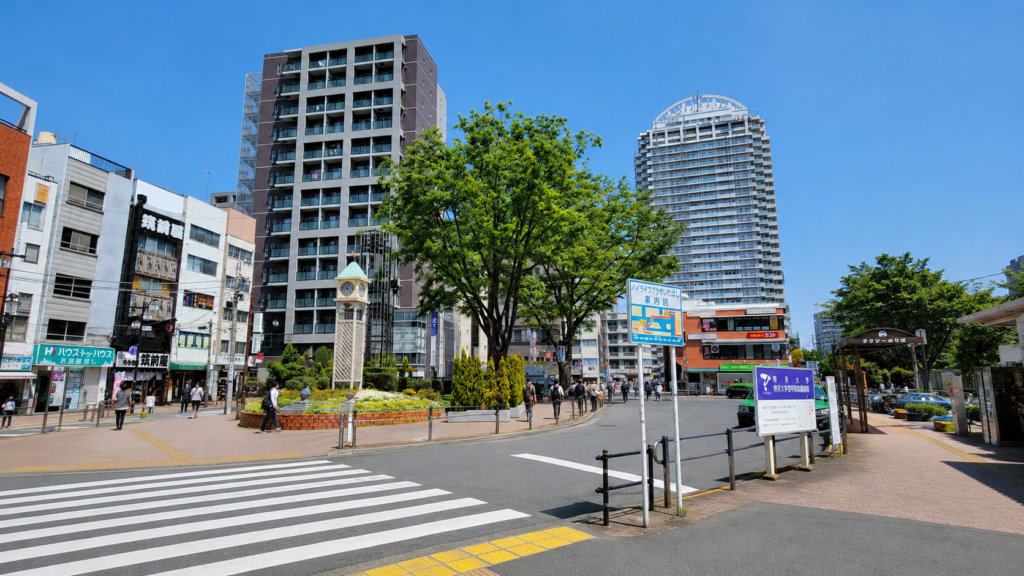
How Should You Decide on an Itabashi vs Shinjuku Stay?
Quick answer: Choose Itabashi if you want a quieter, better-value Tokyo residential Airbnb and can avoid commuting toward central Tokyo before 9:30 AM on weekdays. Choose Shinjuku if this is your first Tokyo trip, you have early day trips planned, or you want the easiest possible access to trains, nightlife, and major sightseeing areas.
The real trade-off is not simply “local neighborhood vs city center.” It is space and savings vs time and convenience. Itabashi can work very well for budget-conscious travelers, repeat visitors, and people who enjoy local shopping streets. However, if your itinerary depends on early starts, luggage movement, or stress-free transfers, Shinjuku is often worth the higher price.
The biggest warning is the weekday morning commute. From Itabashi, many travelers naturally look at the JR Saikyo Line because it connects toward Ikebukuro, Shinjuku, Shibuya, and Ebisu. That convenience comes with a downside: during peak hours, it can be one of the most uncomfortable train experiences for visitors with suitcases, strollers, or young children.
If Shinjuku feels too expensive but Itabashi feels too commute-heavy, consider Ikebukuro as the middle ground. It is not as central as Shinjuku for every itinerary, but it gives you stronger transport options than many residential neighborhoods while often being easier on the budget than Shinjuku.
Which Area Fits Your Travel Style?
| Decision Point | Itabashi / Residential Airbnb | Shinjuku |
|---|---|---|
| Best for | Budget travelers, repeat visitors, longer stays, and people who want quiet nights | First-timers, nightlife travelers, short stays, and people who want maximum convenience |
| Morning commute risk | High if you travel toward central Tokyo between about 7:30 AM and 9:00 AM on weekdays | Lower because you are already close to major train lines and sightseeing routes |
| Suitcase or stroller friendliness | Can be stressful during rush hour; better if you move luggage midday or use luggage forwarding | Generally easier, especially if you stay close to the station or use airport transport |
| Room value | Often better value, especially for Airbnbs with more space, kitchens, or laundry facilities | Usually more expensive, with smaller rooms unless you pay for a higher-end hotel |
| Food and local atmosphere | Local bakeries, supermarkets, shopping streets, and neighborhood restaurants | Endless restaurants, bars, department stores, and late-night options |
| Day-trip convenience | Works if you can leave after the rush or connect efficiently through Ikebukuro or Shinjuku | Better for early departures to places such as Hakone, Mt. Fuji areas, or other major hubs |
| Night comfort | Quieter and more residential, but you need to watch last-train timing | Convenient for late nights, but busier, louder, and more crowded |
How Bad Is the Saikyo Line Rush Hour from Itabashi?
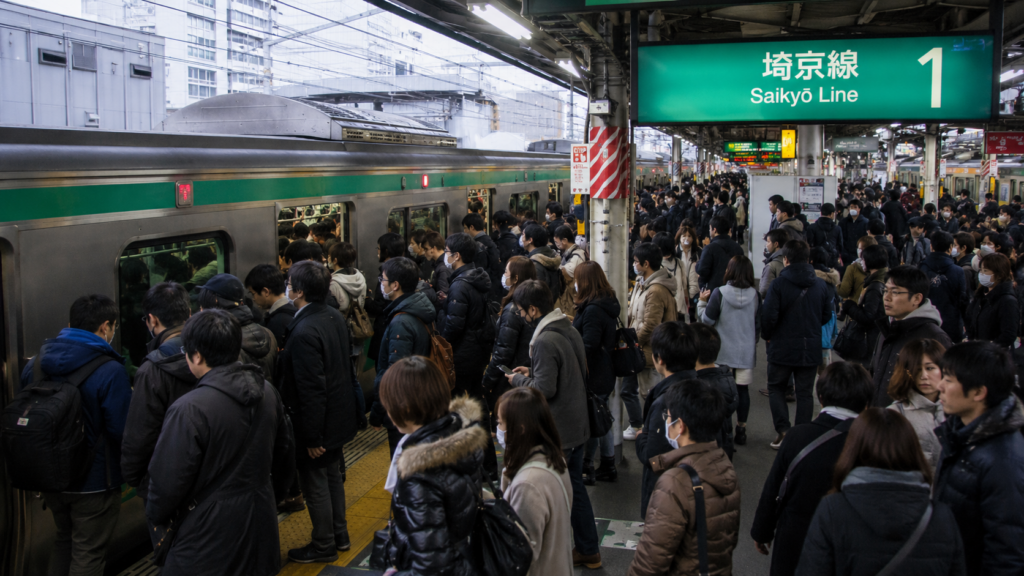
The Saikyo Line is convenient, but it is the main reason some travelers regret booking a cheaper Airbnb around Itabashi without thinking through their schedule. As of FY2024 congestion data, the Itabashi-to-Ikebukuro section of the JR Saikyo Line was reported at around 163% congestion during the weekday morning peak hour.
In practical terms, that means you should not treat a weekday 8:00 AM train like a normal sightseeing transfer. You may be pressed closely against other passengers, and boarding with large luggage can be extremely difficult. For families with small children, strollers, or mobility concerns, this can turn a good-value stay into a stressful start to the day.
The easiest rule is simple: do not move toward central Tokyo with luggage before 9:30 AM on weekdays. If your sightseeing schedule is flexible, stay local in the early morning, have breakfast nearby, and start your main Tokyo route after the worst commuter period has passed.
What Time Should You Avoid?
- Worst window: roughly 7:30 AM to 9:00 AM on weekdays, especially toward Ikebukuro, Shinjuku, and Shibuya.
- Safer tourist window: after about 9:30 AM, when the pressure usually becomes much easier to manage.
- Luggage rule: move suitcases around midday whenever possible, not during the morning commute.
- Evening note: trains leaving central Tokyo between about 6:00 PM and 8:00 PM can also be crowded, but the morning inbound rush is usually the bigger problem.
Which Routes Can Reduce the Stress?
Do not judge an Airbnb only by its straight-line distance from Shinjuku. Check the nearest station and the actual route you will use every morning. Some Itabashi-area stays may be better if they are close to the Tobu Tojo Line, which connects to Ikebukuro, or the Toei Mita Line, which can be useful for areas around Otemachi, Hibiya, and central business districts.
Before booking, open a route app and test your exact weekday departure time. A place that looks convenient at 11:00 AM may feel very different at 8:10 AM. Also check JR East train status information before important journeys, especially during heavy rain, strong winds, or disruption days.
What Should You Check Before Booking a Tokyo Residential Airbnb?
A Tokyo residential Airbnb can be a smart choice, but only if the listing works for your actual travel style. Do not book based only on the nightly price. The cheapest option may cost you time, transfers, or comfort if it is far from the station or depends on a crowded rush-hour route.
| Booking Check | Why It Matters |
|---|---|
| Valid registration or license number | Short-term rentals in Japan should show proper registration details. Avoid listings that are vague about legality. |
| Walking time from the station | A “10-minute walk” feels very different with suitcases, rain, summer heat, or tired children. |
| Nearest train line | The Saikyo Line may be fast, but alternative lines can make daily travel less stressful. |
| Elevator access | Many smaller buildings do not have elevators. This matters if you have heavy luggage or mobility needs. |
| Recent reviews | Look for comments about noise, cleanliness, check-in instructions, station access, and host communication. |
| Check-in timing | If you arrive early from the airport, confirm whether luggage drop-off is possible. |
| Garbage and house rules | Residential stays often have stricter trash sorting and noise expectations than hotels. |
If you are arriving with large bags, consider using a luggage forwarding service or airport-to-hotel delivery where available. If you cannot check in early, knowing your luggage storage and forwarding options can make a residential stay much easier because you are not trying to navigate stairs, transfers, or packed commuter trains with suitcases on your first day.
Who Should Stay in Itabashi or Suginami?
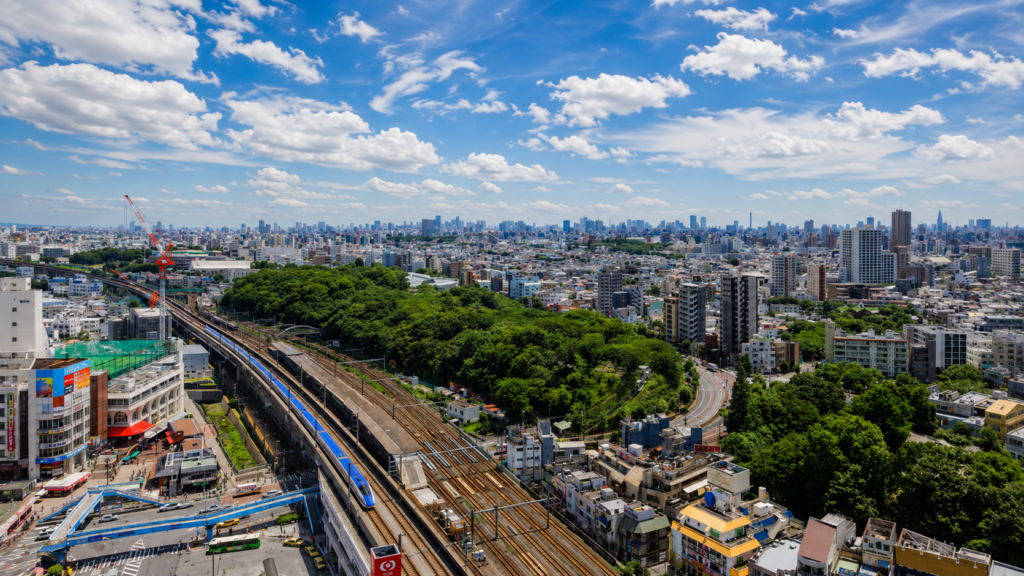
A Tokyo residential neighborhood can be the better choice if your trip is flexible and you value space, quiet, and local daily life more than being next to every major sightseeing route. Itabashi, Suginami, Koenji, Asagaya, and similar areas can work especially well for travelers who have already visited Tokyo once and do not need every day to start from a major hub.
Choose Itabashi or another residential area if:
- You want better room value than you usually find in central Shinjuku.
- You are staying several nights and would appreciate a kitchen, washing machine, or more floor space.
- You like local supermarkets, bakeries, casual restaurants, relaxing at a non-touristy onsen in Itabashi, and shopping streets more than constant nightlife.
- You can start sightseeing after 9:30 AM on weekdays.
- You do not plan to move luggage during the morning rush hour.
- You are comfortable using route apps and checking the nearest train line before each day out.
The best version of a residential Tokyo stay is slow and practical. Have breakfast locally, avoid the commuter peak, then ride into central Tokyo once the pressure has eased. If that rhythm sounds appealing, Itabashi can feel like a smart base rather than a compromise.
Who Should Pay More to Stay in Shinjuku?
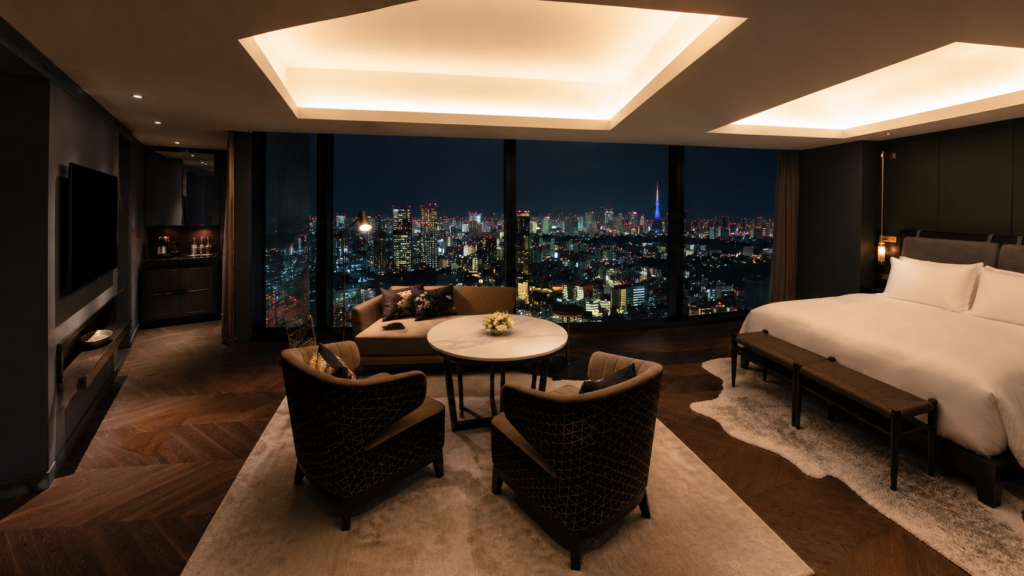
Shinjuku is often worth the higher price when convenience matters more than room size. It is especially useful for short Tokyo stays because you spend less time solving transport problems and more time moving directly between sightseeing areas, restaurants, and day-trip connections.
Choose Shinjuku if:
- This is your first time in Tokyo and you want the simplest base possible.
- You have early departures for day trips, tours, or long-distance trains.
- You want to stay out late without worrying as much about the last train back to a quieter district.
- You are traveling with small children, older relatives, or anyone who may struggle with crowded transfers.
- You are arriving late from the airport and want an easier first night.
- You would rather pay more than plan around rush-hour train conditions.
The main downside is cost. Shinjuku hotels and apartments are often smaller or more expensive than options farther out. However, for a short first trip, that extra cost may buy you lower stress, easier navigation across the city (once you learn how to navigate the Shinjuku Station maze), and fewer wasted minutes each morning.
What Is the Best Middle Ground Between Itabashi and Shinjuku?
If you are torn between the two, look seriously at Ikebukuro. It is not as universally convenient as Shinjuku, but it gives you strong train access, plenty of food and shopping, and easier connections to many northern and western Tokyo neighborhoods.
Ikebukuro can be a useful compromise if you like the idea of saving money but do not want to feel too far from the action. It also works well as a fallback area if an Itabashi Airbnb depends too heavily on the Saikyo Line at peak times.
For travelers comparing several Tokyo residential neighborhoods, the practical question is not “Which area is coolest?” but “Which station will I use every morning, and what will that route feel like at the time I actually travel?”
What Is the Final Verdict on an Itabashi vs Shinjuku Stay?
Stay in Itabashi if your priority is value, space, quiet nights, and a more residential Tokyo experience. It is a good fit when you can avoid the weekday morning rush, travel light, and enjoy a slower start to the day. For travelers highly sensitive to noise, researching the best quiet neighborhood to stay in Tokyo is also highly recommended.
Stay in Shinjuku if your priority is convenience, nightlife, early departures, and simple access to major stations. It is the safer choice for first-time visitors, short stays, and travelers who do not want to plan their mornings around commuter trains.
Choose Ikebukuro if you want a practical middle ground. It can reduce some of the commute pressure while still keeping you closer to major transport, shopping, and dining than many quieter residential neighborhoods.
For most travelers, the decision comes down to one honest question: Will saving money on accommodation still feel worth it if you need to avoid the train before 9:30 AM? If the answer is yes, an Itabashi or residential Tokyo Airbnb can be a smart choice. If the answer is no, Shinjuku is likely worth paying for.
If you stay outside the center and want one low-transfer sightseeing day, a guided E-bike tour can help you cover central Tokyo without spending the whole afternoon underground. It can be a useful add-on if you want to reduce subway fatigue after commuting in from a residential area.
Check availability for the Tokyo Top Highlights 3h Guided E-bike Tour
FAQ About Itabashi, Shinjuku, and Tokyo Residential Airbnbs
Is Itabashi too far from Shinjuku for tourists?
Itabashi is not too far for every traveler, but it can feel inconvenient if you expect to leave early every morning or return late every night. The train ride itself may be manageable, but the timing matters. A route that feels easy at midday can feel stressful during the weekday commuter peak.
Is the Saikyo Line rush hour really that bad?
Yes, it can be very uncomfortable for visitors. The Saikyo Line is useful because it connects toward Ikebukuro, Shinjuku, Shibuya, and Ebisu, but weekday morning trains can be extremely crowded. Avoid boarding with large suitcases, strollers, or tired children between about 7:30 AM and 9:00 AM whenever possible.
What time should tourists leave Itabashi in the morning?
For a less stressful ride, plan to leave after about 9:30 AM on weekdays. This is especially important if you are traveling with luggage, children, or anyone who dislikes packed trains. On weekends and public holidays, the commuter pattern is usually different, but popular sightseeing routes can still get busy.
Is a Tokyo residential Airbnb good for families?
It can be good for families if the listing has enough space, a washing machine, elevator access, and a station within an easy walk. However, families should be cautious about rush-hour trains, stairs, narrow sidewalks, and strict house rules in residential buildings. Check reviews carefully before booking.
Should first-time visitors stay in Itabashi or Shinjuku?
Most first-time visitors will find Shinjuku easier, especially on a short trip. It reduces the need to understand Tokyo’s train network immediately and makes late nights or early departures simpler. Itabashi is better for travelers who are comfortable trading convenience for value and quiet.
Is Ikebukuro better than Itabashi for tourists?
Ikebukuro is often better if you want a compromise between price and convenience. It is busier and less residential than Itabashi, but it gives you stronger transport access and more dining, shopping, and hotel options. If you are nervous about the Saikyo Line commute from Itabashi, Ikebukuro is worth comparing.
Can I bring luggage on the Saikyo Line during rush hour?
You should avoid it if possible. Bringing large suitcases onto a packed commuter train is stressful for you and inconvenient for other passengers. Move luggage around midday, use airport or hotel delivery where available, or choose accommodation with easier airport access if your schedule requires an early transfer.
What should I check before booking a Tokyo Airbnb?
Check for a valid registration or license number, recent reviews, the walking time from the nearest station, elevator access, check-in instructions, luggage storage options, and the exact train route you will use most often. A cheaper Airbnb is only a good deal if the daily logistics still work for your itinerary.

Hi, I’m Kai. I’m a Tokyo-based travel writer, tourism industry insider, and the author of a published guidebook for international visitors to Japan. With over 10 years of professional experience at a leading Japanese tourism company, my mission is to help you skip the tourist traps and navigate Japan’s best destinations like a local. I believe the perfect day trip is like a traditional kaiseki meal: a beautiful balance of precise planning and unforgettable seasonal discovery. When I’m not out conducting field research, you’ll usually find me drafting new itineraries with one of my favorite fountain pens!