
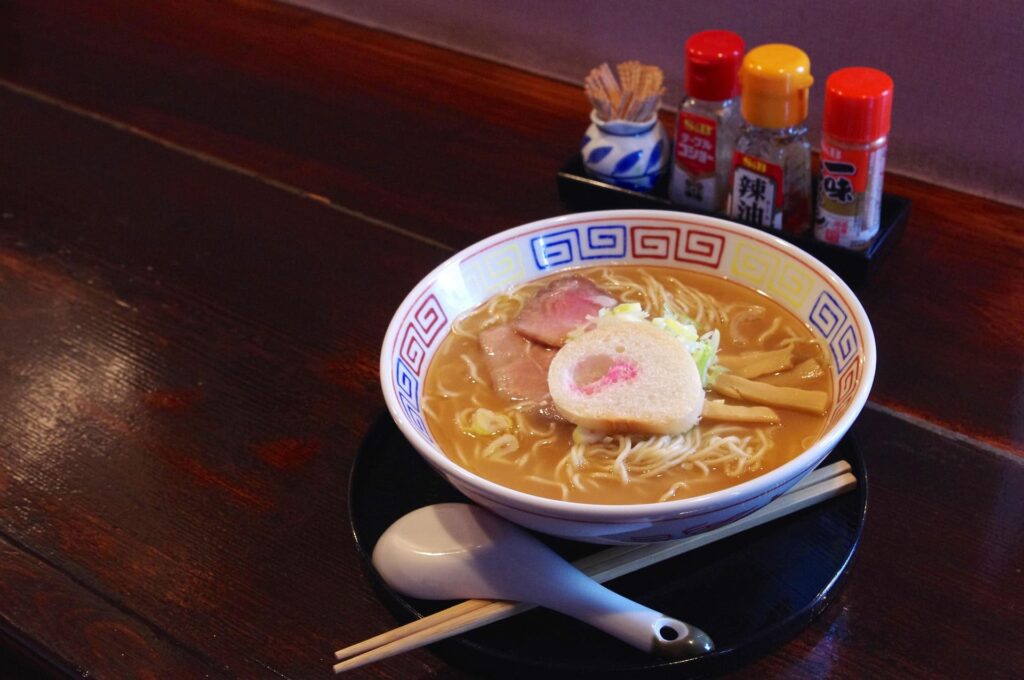
Is Solo Dining in Tokyo Weird?
If you are traveling alone and wondering whether it feels awkward to eat by yourself in Japan, the answer is simple: no, solo dining in Tokyo is widely accepted and very common.
Tokyo is one of the easiest cities in the world for eating alone because many restaurants are already designed around single diners. Ramen counters, sushi counters, teishoku restaurants, izakaya counters, and solo-friendly yakiniku chains all make it possible to eat well without needing a group.
The main challenge is not whether restaurants will accept you. It is knowing which type of restaurant to choose, where to sit, and what local rules to expect before you walk in.
What Are the Easiest Solo Dining Options in Tokyo?
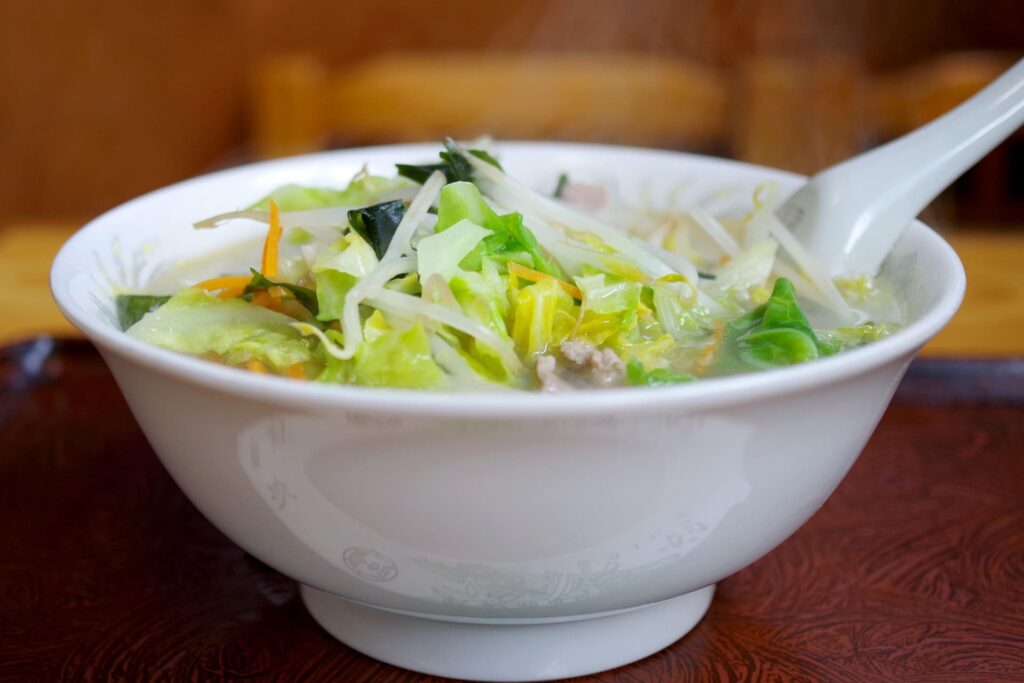
If this is your first time eating alone in Tokyo, start with a restaurant style that naturally suits one person. Some places are almost effortless for solo diners, while others require a little more confidence.
| Dining option | Solo comfort | Best for | What to watch for |
|---|---|---|---|
| Ramen counter | Very easy | A first solo meal in Tokyo | Ticket machines and quick turnover |
| Izakaya counter | Easy to medium | Local food, drinks, and nightlife | Otoshi charges and smoking rules |
| Yakiniku LIKE | Easy | Trying solo yakiniku in Tokyo | Peak-time queues at popular locations |
| Regular yakiniku restaurant | Medium | More meat variety and a slower meal | Some courses may require two people |
| Kaitenzushi | Easy | Low-pressure sushi alone | Tablet ordering and plate pricing |
| Teishoku restaurant | Easy | A balanced solo meal | Busy lunch hours near offices |
Why Is Tokyo So Good for Solo Diners?
Japan has a useful word for doing things alone: ohitorisama (お一人様). It respectfully refers to a person who is alone, and it is commonly used in restaurants, hotels, and leisure services.
This does not mean every restaurant is equally easy for one person. It means that eating alone is not unusual. You will see office workers, students, travelers, and local residents eating by themselves throughout the day, especially at counters and casual restaurants.
For visitors, this makes Tokyo much less intimidating than it first appears. You do not need to explain why you are alone. In most casual restaurants, saying “one person” or raising one finger is enough for the staff to guide you to a seat.
How Do You Eat at an Izakaya Alone in Tokyo?
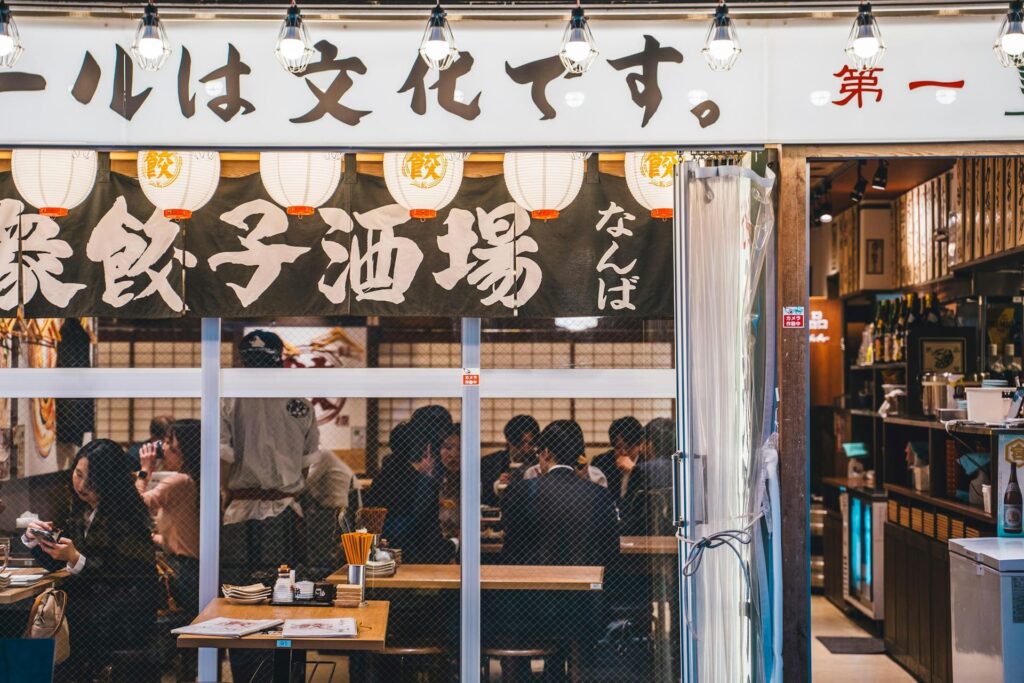
An izakaya is a Japanese gastropub where people drink, snack, and order several small dishes. Although izakayas are often associated with groups, eating at an izakaya alone in Tokyo is completely possible when you choose the right place.
The easiest option is an izakaya with counter seating. Counter seats are ideal for solo diners because you face the kitchen or bar instead of an empty chair. They also make ordering easier, especially in small local places where staff move quickly.
How Do You Choose a Solo-Friendly Izakaya?
Before entering, look for signs that the izakaya works well for one person:
- Counter seating: A visible counter or bar area usually means solo diners are welcome.
- Smaller plates: Yakitori, sashimi, karaage, edamame, and grilled fish are easy to order alone.
- Early or late timing: Arriving around 5:00–6:00 PM or after 8:30 PM can make it easier to get a seat.
- Menu photos or tablets: These reduce the stress of ordering if you do not speak Japanese.
- Clear smoking information: Some older or smaller izakayas may still have smoking areas, so check before entering if smoke bothers you.
A simple phrase can also help. When staff greet you, you can say “Hitori desu”, which means “one person.” If they have a counter seat, they will usually guide you there.
What Is Otoshi?
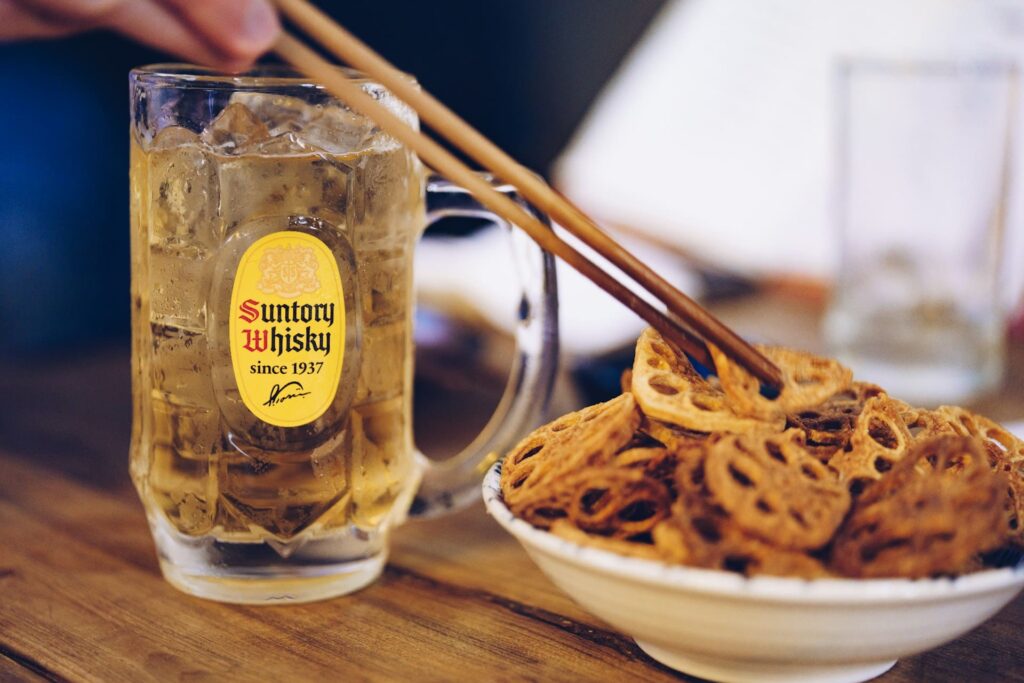
One local rule that often surprises visitors is otoshi (お通し). This is a small appetizer served shortly after you sit down at many izakayas, often before you order anything.
Otoshi is not usually optional. It works like a seating charge or table charge, and as of 2026 it is commonly around 300–700 yen per person, depending on the izakaya. Since tipping is not part of normal dining culture in Japan, otoshi is one way izakayas cover the seat and service.
Do not panic if a small dish appears at your seat. It is not a scam in a typical izakaya setting. Accept it, try it, and treat it as part of the local dining experience.
What Should You Order at an Izakaya Alone?
For a comfortable first solo izakaya meal, choose dishes that come in small portions and do not require sharing. Good options include yakitori skewers, tamagoyaki, karaage, grilled fish, potato salad, edamame, sashimi, and seasonal specials.
If you are drinking, ordering one drink first is normal. If you do not drink alcohol, many izakayas also serve oolong tea, ginger ale, cola, non-alcoholic beer, and other soft drinks.
How Do You Try Solo Yakiniku in Tokyo?
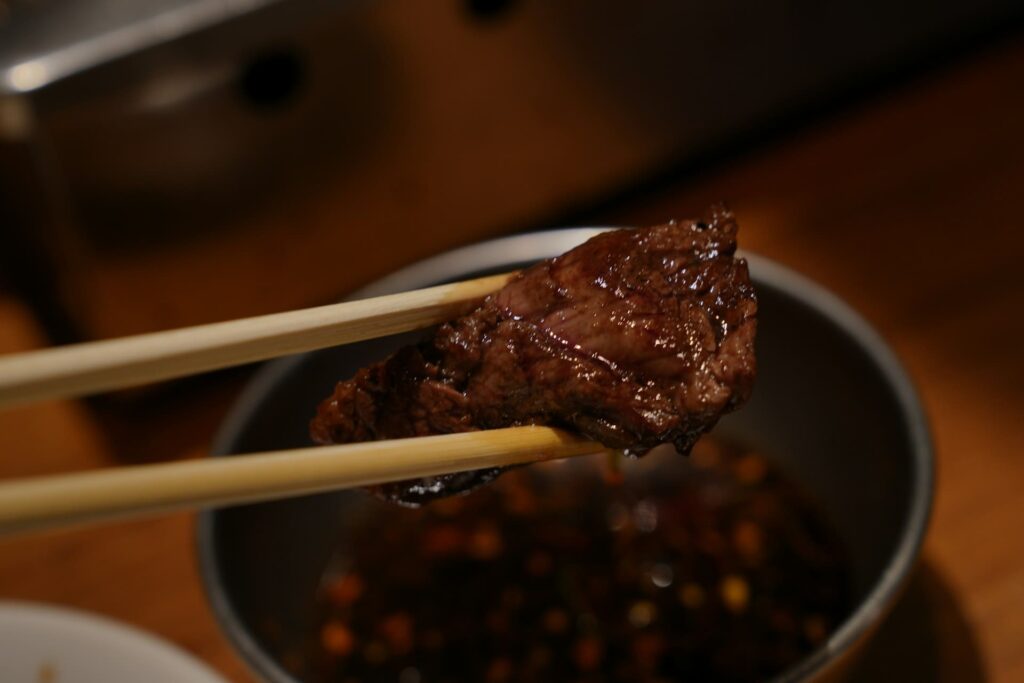
Yakiniku is Japanese-style grilled meat, usually cooked by diners at the table. It can look like a group meal from the outside, but solo yakiniku in Tokyo has become much easier thanks to counter-style restaurants and chains designed for one person.
If you are nervous about grilling meat alone for the first time, choose a restaurant that clearly supports solo diners. This removes the awkwardness of taking up a large table and makes the ordering process much easier.
Why Is Yakiniku LIKE Easy for Solo Diners?
Yakiniku LIKE is one of the easiest places to try solo yakiniku in Tokyo. Many seats are counter-style, and each diner gets an individual grill. This means you can cook your own meat at your own pace without sharing space with a group.
It is especially beginner-friendly because the system is simple:
- Individual grills: Each seat has its own roaster, so you do not need to share a grill.
- Set meals: Many meals include meat, rice, soup, and side dishes in one order.
- Tablet ordering: Ordering is usually straightforward, and English menu support is often available at tourist-friendly locations.
- Fast turnover: It works well if you want yakiniku without a long, formal dinner.
For a first visit, a set meal is usually easier than ordering many individual cuts of meat. You can choose the amount of meat you want, cook at your own speed, and leave without feeling rushed by a group course.
What Should You Check Before Ordering Tabehodai?
Tabehodai means all-you-can-eat. It can be good value at yakiniku restaurants, but solo diners should check the rules carefully before sitting down.
Some all-you-can-eat yakiniku courses require a minimum of two people. This is not a rule at every restaurant, but it is common enough that you should confirm before choosing a course. If the restaurant has English course details, look for phrases such as “minimum two people” or “from two persons.”
If you are unsure, a la carte ordering or a one-person set meal is usually safer. For solo travelers, this is often more relaxing than trying to navigate a group-style course.
How Can You Make Solo Dining in Tokyo Less Stressful?
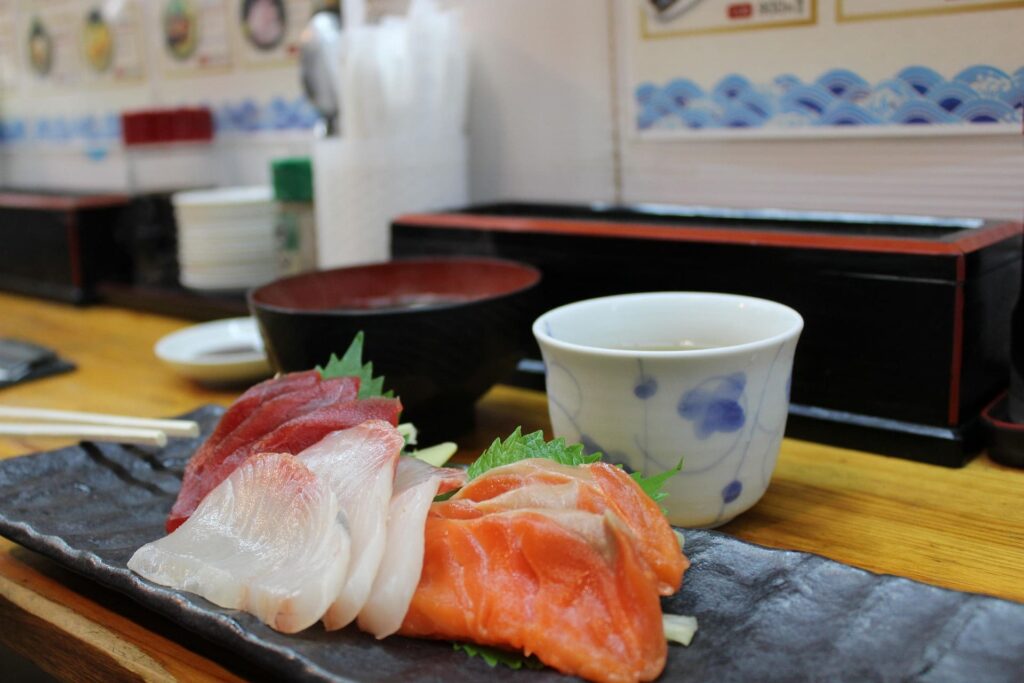
Solo dining in Tokyo is usually easy, but a few small decisions can make your first meal much smoother. The goal is to reduce uncertainty before you walk through the door.
When Is the Best Time to Eat Alone?
If you are nervous about entering a busy restaurant alone, avoid the busiest dinner window. For izakayas and yakiniku restaurants, arriving around 5:00–6:00 PM or after 8:30 PM often gives you a better chance of getting a counter seat without pressure.
Lunch can also be easy for solo diners, especially at ramen shops, teishoku restaurants, curry shops, and standing soba or udon counters. These places are used to fast solo meals and usually do not require much interaction.
Do You Need a Reservation?
For casual solo dining in Tokyo, you often do not need a reservation. Ramen counters, kaitenzushi, teishoku restaurants, and Yakiniku LIKE-style restaurants are usually designed for walk-ins.
Reservations become more useful if you want to visit a popular izakaya, a small local restaurant, a high-end sushi counter, or a restaurant in a busy nightlife area such as Shinjuku, Shibuya, Ginza, Ebisu, or Shinbashi. If you plan to hop between smaller bars, it helps to understand why some places in Shinjuku Golden Gai turn foreigners away. If you cannot book in Japanese, ask your hotel concierge or check whether the restaurant accepts online reservations.
Should You Bring Cash?
Tokyo is much more card-friendly than it used to be, but carrying some cash is still smart. Smaller izakayas, older neighborhood restaurants, ticket-machine ramen shops, and late-night places may not accept every foreign credit card.
For a relaxed solo dinner, keep enough yen for your meal, otoshi, and a train or taxi ride back to your hotel. This is especially useful if you are eating in a smaller local area rather than inside a major station building or shopping complex.
What If You Do Not Speak Japanese?
You can still dine alone comfortably in Tokyo with very little Japanese. Many casual restaurants use food photos, ticket machines, tablets, or bilingual menus, especially in central areas and near major stations.
A few simple phrases can help:
- Hitori desu: One person.
- Eigo menu wa arimasu ka? Do you have an English menu?
- Osusume wa nan desu ka? What do you recommend?
- Okaikei onegaishimasu: The bill, please.
If you feel unsure, start with restaurants that have visible counter seats, menu photos, or ordering tablets. Once you have done one or two meals alone, the process becomes much less intimidating.
How Should You Plan a Solo Tokyo Day Around Dinner?
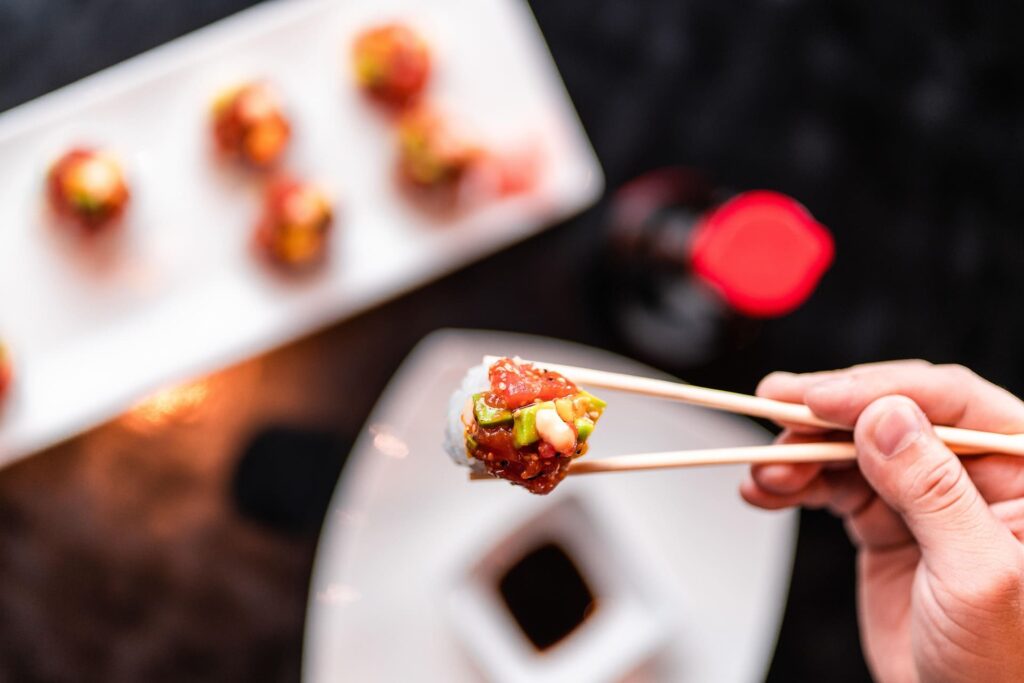
One overlooked part of solo dining in Tokyo is energy. Tokyo is huge, and a day of train transfers, crowded platforms, long walks through stations, and constant map-checking can leave you too tired to enjoy the dinner you were looking forward to.
If your main goal is to enjoy an izakaya, solo yakiniku, or a late-night food area, plan your day so you do not arrive exhausted. Keep sightseeing areas close together, choose a dinner spot near your hotel or final station, and avoid scheduling your most complicated transfer right before dinner.
On rainy days, extremely hot days, or days with multiple sightseeing stops, reducing the friction of getting around Tokyo can help you save your energy for the evening meal instead of spending it all on navigation.
FAQ About Solo Dining in Tokyo
Is it socially acceptable to eat alone in Tokyo?
Yes. Eating alone is socially acceptable in Tokyo and very common at casual restaurants, counters, cafes, ramen shops, sushi counters, teishoku restaurants, and many izakayas. Staff are used to solo diners, especially in busy central areas.
Is it okay to go to an izakaya alone in Tokyo?
Yes. An izakaya alone in Tokyo is completely possible, especially if the restaurant has counter seating. Choose a place with a visible counter, arrive before the dinner rush if you are nervous, and expect to order a drink plus a few small dishes.
What is otoshi at a Japanese izakaya?
Otoshi is a small appetizer served automatically at many izakayas after you sit down. It usually works as a table charge or seating charge. As of 2026, it is commonly around 300–700 yen per person, depending on the restaurant.
Can I refuse otoshi?
In most typical izakayas, otoshi is not something you refuse after sitting down. It is part of the restaurant’s pricing system. If you strongly want to avoid it, choose restaurants that clearly do not charge otoshi, or ask before entering.
Can I eat solo yakiniku in Tokyo?
Yes. Solo yakiniku in Tokyo is easy if you choose the right place. Yakiniku LIKE and other counter-style restaurants are especially convenient because they offer individual grills, one-person sets, and a low-pressure ordering system.
Will I be rejected if I go to a restaurant alone?
It is rare to be rejected just because you are alone. However, you may be turned away if the restaurant is fully booked, if only large tables are available during peak hours, or if a specific course requires a minimum of two people. This is a practical seating or course issue, not a judgment on solo diners.
Are all-you-can-eat yakiniku courses available for solo diners?
Sometimes, but not always. Some tabehodai courses require at least two people, so check the course details before ordering. If you are alone and unsure, a one-person set meal or a la carte order is usually safer.
Where should a nervous solo diner start in Tokyo?
Start with ramen, kaitenzushi, teishoku, or Yakiniku LIKE. These restaurant styles are structured for quick, individual meals and usually feel less intimidating than a crowded drinking-focused izakaya on your first night.
Planning a full solo day in Tokyo? If you want to keep daytime sightseeing simple and save your energy for dinner, a private customizable Tokyo tour can make the day easier.
Check details and availability for a private customizable Tokyo tour here
Verdict: Is Solo Dining in Tokyo Worth Trying?
Solo dining in Tokyo is absolutely worth trying. It is normal, practical, and often easier than visitors expect. The key is to choose the right restaurant style for your comfort level.
For your first meal, a ramen counter, kaitenzushi restaurant, or teishoku shop is the easiest starting point. Once you feel more confident, an izakaya counter is a great way to experience local nightlife alone. For grilled meat, Yakiniku LIKE or another solo-friendly yakiniku restaurant removes most of the awkwardness.
Tokyo rewards solo travelers who are willing to step inside, sit at the counter, and try the local rhythm. Plan your day wisely, avoid peak dinner stress when possible, and save enough energy to enjoy the food instead of worrying about the logistics.
Ready to explore Tokyo on your own terms? If you want to keep your daytime sightseeing simple and save your energy for a solo izakaya or yakiniku night, a private customizable Tokyo tour can make the day easier.
Book your private customizable Tokyo tour with chauffeur here
Hi, I’m Kai. I’m a Tokyo-based travel writer, tourism industry insider, and the author of a published guidebook for international visitors to Japan. With over 10 years of professional experience at a leading Japanese tourism company, my mission is to help you skip the tourist traps and navigate Japan’s best destinations like a local. I believe the perfect day trip is like a traditional kaiseki meal: a beautiful balance of precise planning and unforgettable seasonal discovery. When I’m not out conducting field research, you’ll usually find me drafting new itineraries with one of my favorite fountain pens!