
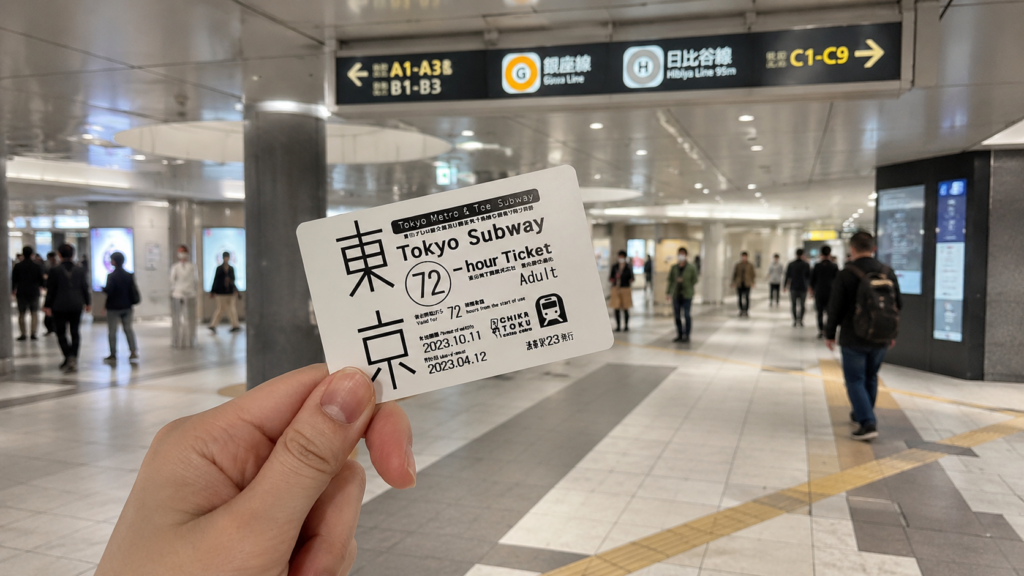
Tokyo Subway Ticket vs Suica: for most first-time visitors, Suica (or PASMO) is the better default. Buy the Tokyo Subway Ticket only if your hotel and sightseeing route are clearly built around Tokyo Metro and Toei Subway lines. That is the answer in one line — the rest of this guide shows you how to check which traveler you are before you spend a single yen.
The two products solve different problems. The Tokyo Subway Ticket is an unlimited-ride pass for two subway networks. Suica is a rechargeable tap-and-go IC card that works almost everywhere but discounts nothing. Comparing them is really a choice between savings with rules and freedom without savings.
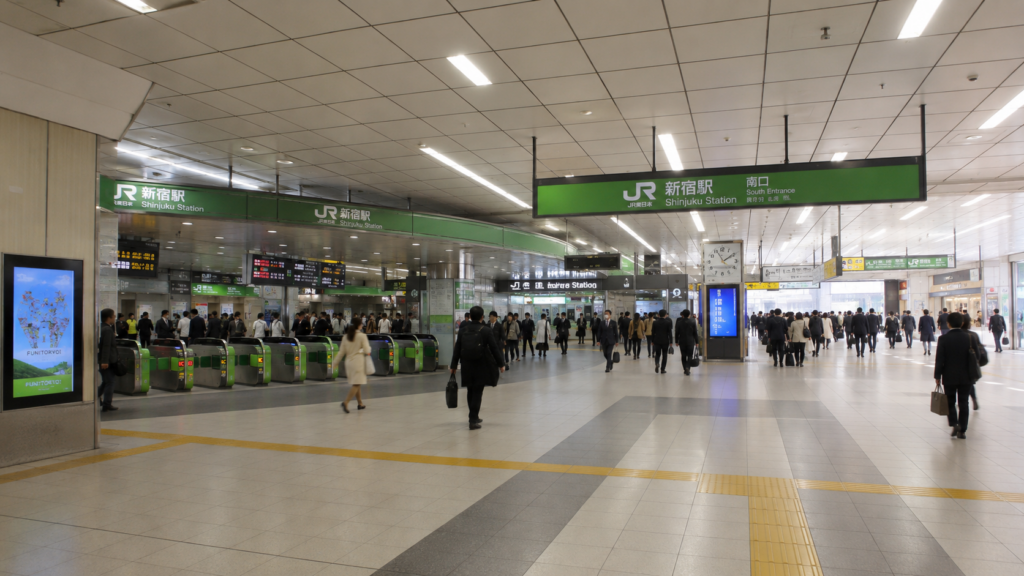
The biggest single fact driving this choice: the Tokyo Subway Ticket does not cover JR lines, including the JR Yamanote Line. If your Tokyo itinerary keeps sending you through Shinjuku, Shibuya, Harajuku, Tokyo Station, Shinagawa, Ueno, Akihabara, or Ikebukuro by JR, Suica or PASMO will feel much less stressful.
This page is the full comparison. If you have already decided you want the pass and just need prices, break-even math, QR redemption steps, and how to use it, that has its own dedicated guide: Is the Tokyo Subway Ticket Worth It in 2026? Break-Even Math, Prices & How to Use It.
Quick Answer: Tokyo Subway Ticket vs Suica
- Choose Suica if you want the easiest option, plan to use JR lines, or want to follow Google Maps without checking every railway company.
- Choose the Tokyo Subway Ticket if your hotel is near a Tokyo Metro or Toei Subway station and your itinerary uses mostly covered subway routes.
- Use both if you want to save money on subway-heavy days but still need a card for JR lines, buses, airport trains, private railways, and shopping.
For many travelers, this is not an either-or choice at all. Use Suica or PASMO as your base for flexibility, then add the Tokyo Subway Ticket only for a clear subway-heavy 2-to-3-day window.
Side-by-Side Comparison: Tokyo Subway Ticket vs Suica
| Decision Point | 72-Hour Tokyo Subway Ticket | Suica / PASMO |
|---|---|---|
| Best for | Subway-heavy sightseeing over 2 to 3 days | Most first-time visitors who want convenience |
| Price structure | Flat rate: ¥2,000 for 72 hours (also ¥1,000/24h, ¥1,500/48h) as of May 2026 | Pay as you go; the exact fare is deducted each ride |
| When it pays off | From about four covered subway rides per day | No break-even point because it is not an unlimited pass |
| Covered trains | Tokyo Metro and Toei Subway only | JR, Tokyo Metro, Toei Subway, private railways, buses, and more |
| JR Yamanote Line | Not covered | Covered as a normal tap-and-go ride |
| Best hotel areas | Asakusa, Ueno, Ginza, Roppongi, Nihombashi, Akasaka, Tsukiji | Shinjuku, Shibuya, Harajuku, Shinagawa, Tokyo Station, Ikebukuro |
| Airport access | Does not normally cover airport railways by itself | Can be used on many airport access routes where IC cards are accepted |
| Google Maps convenience | You may need to avoid non-covered routes manually | You can usually follow the fastest route shown |
| Shopping and vending machines | Not usable as electronic money | Usable at many convenience stores, vending machines, lockers, and shops |
| Main risk | You may waste time forcing your route onto subway-only lines | You will not save money through unlimited rides |
What Is the Tokyo Subway Ticket?
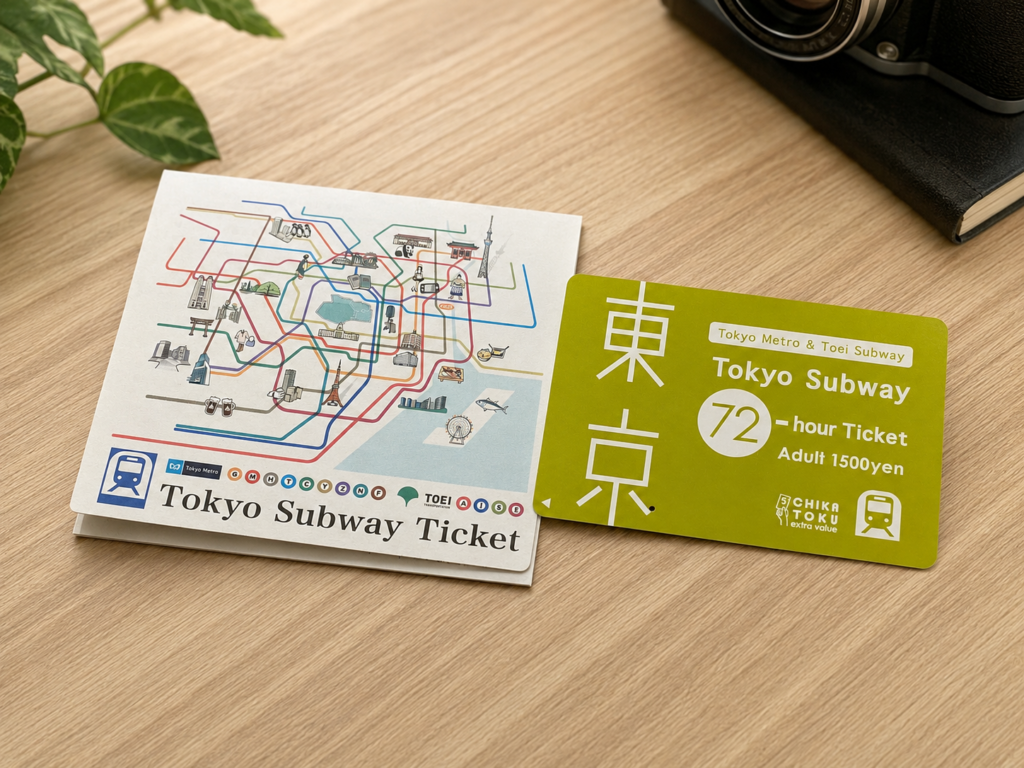
The Tokyo Subway Ticket is a tourist-oriented unlimited-ride pass covering all 13 Tokyo Metro and Toei Subway lines, sold in 24-hour (¥1,000), 48-hour (¥1,500), and 72-hour (¥2,000) versions that count down from first use. Despite being commonly searched as a “metro pass,” it covers both subway operators — but nothing else. JR lines, private railways, the Yurikamome to Odaiba, airport trains, and buses all sit outside it.
That single paragraph is genuinely all you need for this comparison. Full prices, the covered line list, what is excluded, break-even ride math, QR redemption steps, and activation timing are all in the dedicated guide: Is the Tokyo Subway Ticket Worth It in 2026?
The one number worth carrying into this comparison: the 72-hour version works out to about ¥667 per day, and with short central rides at ¥180–¥210, it starts paying off at roughly four covered subway rides per day. Hold that number — every recommendation below is built on it.
If you have already checked your routes and want the pass by itself, you can compare the current Tokyo Subway Ticket options before deciding.
What Is Suica?
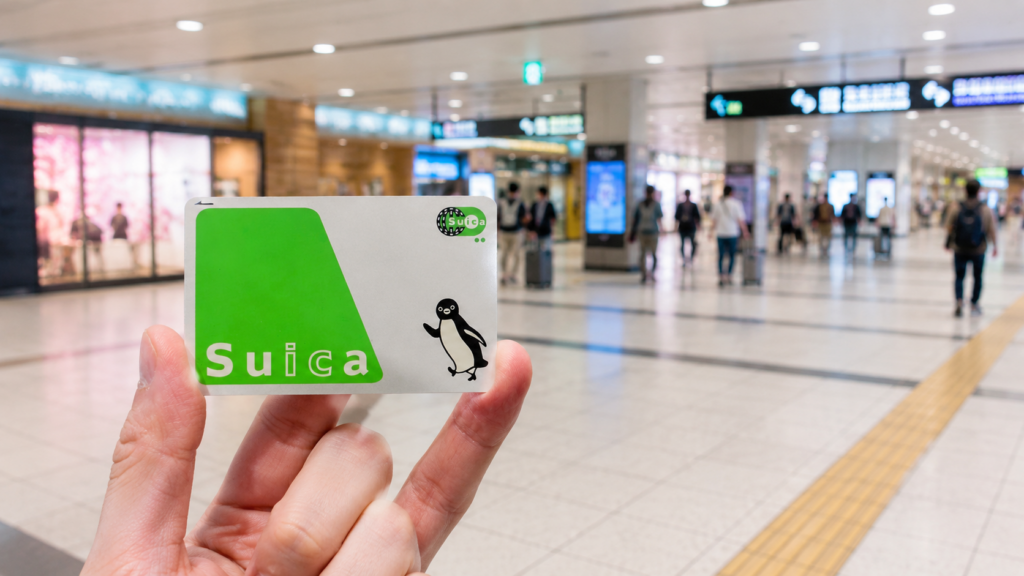
Suica is a rechargeable IC card. It is not an unlimited pass and it does not make every ride dramatically cheaper. Instead, it removes the need to buy separate paper tickets for each trip: tap in at the gate, tap out at your destination, and the correct fare is deducted automatically. PASMO works the same way, so for everyday Tokyo transport you can treat the two as interchangeable.
Suica can be used on:
- JR lines, including the Yamanote Line
- Tokyo Metro and Toei Subway lines
- Many private railways
- Many buses
- Many convenience stores, vending machines, lockers, and shops
For international visitors, common options include Welcome Suica, valid for 28 days from purchase, and Mobile Suica on compatible smartphones. Availability and setup can change, so check the latest official information before your trip.
If you prefer to arrange an IC card before you arrive, you can compare the Suica IC Card option and check current pickup details, validity, and conditions.
Why Suica Is Usually Easier for First-Time Visitors
The main advantage of Suica is not savings. It is simplicity.
When you search for a route in Google Maps, the fastest option may combine JR, Tokyo Metro, Toei Subway, and private railways. With Suica, that is not a problem. You follow the route, tap through the gates, and let the card calculate the fare.
With the Tokyo Subway Ticket, you have to pay attention. If the fastest route includes JR or a private railway, your pass will not cover that part. You either pay separately or reroute yourself onto subway-only lines, which may add transfers, walking time, and confusion.
This matters most on short trips. If you only have a few days in Tokyo, saving a few hundred yen is not always worth adding extra transfers or avoiding convenient JR routes.
Google Maps: The Hidden Deciding Factor
Google Maps does not know which ticket you hold. It suggests the route that seems fastest, even if that route includes JR or private railway lines — and in central Tokyo, mixed-operator routes are common. A simple-looking cross-town journey might include:
- One Tokyo Metro ride
- One JR Yamanote Line ride
- A transfer through a large station
With Suica, you tap through all of it without thinking. With the Tokyo Subway Ticket, the Metro portion is covered but the JR section is not. That does not make the pass useless — it means the pass rewards travelers who plan routes, and punishes travelers who improvise with whatever Google Maps suggests first.
An honest self-test: if reading “check the operator name before entering the gate” sounds like a fun optimization, the pass will suit you. If it sounds like homework on your holiday, get Suica and never think about operators again.
Which Is Better for Your Hotel Area?
Your hotel location is one of the biggest factors in this choice. Tokyo transport is not about distance — it is about which railway network your nearest station belongs to.
| Hotel Area | Usually Better Option | Why |
|---|---|---|
| Shinjuku | Suica / PASMO | JR lines are often very convenient, especially the Yamanote and Chuo lines. |
| Shibuya | Suica / PASMO | JR and private railway routes often appear in the fastest route options. |
| Harajuku / Yoyogi | Suica / PASMO | The JR Yamanote Line is often the simplest way to move around. |
| Tokyo Station / Marunouchi | Suica / PASMO | JR and Shinkansen connections are a major part of the area’s convenience. |
| Shinagawa | Suica / PASMO | JR and airport-related routes usually matter more than subway-only travel. |
| Asakusa | Tokyo Subway Ticket has a real chance | Subway routes work well for Ueno, Ginza, Nihombashi, and central Tokyo. |
| Ueno | Depends on itinerary | Strong JR access, but subway-heavy sightseeing also works well from here. |
| Ginza | Tokyo Subway Ticket has a real chance | Multiple subway lines make central sightseeing easy without JR. |
| Roppongi / Akasaka | Tokyo Subway Ticket has a real chance | Subway routes are practical for museums, dining, and central sightseeing. |
| Nihombashi | Tokyo Subway Ticket has a real chance | Useful subway connections for a compact central Tokyo itinerary. |
If you have not booked yet, this table is worth reading backwards: choosing a quiet neighborhood with good subway access is what makes the pass viable in the first place.
Which Is Better for Your Traveler Type?
| Traveler Type | Best Choice | Why |
|---|---|---|
| First-time Tokyo visitor | Suica / PASMO | Easier, more flexible, and works across more transport systems. |
| Extreme budget traveler | Tokyo Subway Ticket plus Suica backup | The pass saves money if you plan routes carefully and ride the subway often. |
| Staying beside a Tokyo Metro or Toei station | Tokyo Subway Ticket worth considering | Your daily routes are more likely to be covered by the pass. |
| Shinjuku, Shibuya, Harajuku, Akihabara-focused traveler | Suica / PASMO | These areas often involve convenient JR routes, especially the Yamanote Line. |
| Family or group trip | Suica / PASMO | Tap-and-go travel reduces confusion at ticket machines and transfer gates. |
| Subway-focused repeat visitor | Tokyo Subway Ticket | If you already understand the network, the pass is easy to use efficiently. |
| Visiting Odaiba, Disney, Yokohama, or Kamakura | Suica / PASMO | These trips usually require JR, private railways, or non-subway lines. |
The pattern across both tables is the same: JR-adjacent plans point to Suica, subway-adjacent plans give the pass a chance. Visitors heading to Shimokitazawa for thrift shopping, Kichijoji, or anywhere along private railways fall on the Suica side too.
Should You Use Both Suica and the Tokyo Subway Ticket?
Using both can make sense, but only if you are comfortable managing two systems.
The setup that works:
- Tokyo Subway Ticket for covered Tokyo Metro and Toei Subway rides during a concentrated 2-to-3-day sightseeing window
- Suica or PASMO for JR lines, private railways, buses, airport access, and shopping — plus as a backup when station coin lockers are full and you need paid alternatives
However, beginners should be careful. If you constantly have to decide whether to use the pass, tap Suica, or change routes, the small savings turn into extra stress. Never tap Suica and use the Tokyo Subway Ticket for the same ride — choose one payment method per journey based on the route.
If you want the easiest possible first Tokyo trip, Suica or PASMO alone is the answer. If you want the both-cards setup, first confirm the pass actually pays off for your specific days using the break-even walkthrough in the Tokyo Subway Ticket guide.
Should You Buy a Subway Ticket Bundle Instead?
Some attraction passes bundle the Tokyo Subway Ticket with paid attractions such as Tokyo Skytree, teamLab Planets, or SHIBUYA SKY, depending on current availability. A bundle can make sense if you already plan to visit two or more of the included attractions — in that case the subway ticket is a useful add-on, not the reason to buy. Always check the exact attraction list, reservation rules, validity, and cancellation conditions before purchasing.
Check Tokyo attraction and subway ticket bundles on Klook
Do You Need a Japan Rail Pass for Tokyo?
No. For getting around Tokyo itself, Suica, PASMO, or the Tokyo Subway Ticket are the relevant options. The Japan Rail Pass is a long-distance product that only becomes worth comparing if your trip continues to Kyoto, Osaka, Hiroshima, Kanazawa, or other cities by Shinkansen — in that case, compare the pass price against your planned routes before buying separate tickets.
Final Verdict: Tokyo Subway Ticket vs Suica
For most visitors comparing the two, the safest answer is: use Suica or PASMO as your default, and add the Tokyo Subway Ticket only if your itinerary is clearly subway-heavy.
The Tokyo Subway Ticket is a genuinely good pass at ¥2,000 for 72 hours — when your hotel sits near a Metro or Toei station and you ride covered lines about four times a day. But if your Tokyo plans include JR lines, private railways, airport routes, Odaiba, Disney, Yokohama, Kamakura, or a lot of Google-Maps-based improvising, Suica is the easier and less stressful choice.
The practical setup for most people: get Suica or PASMO for flexibility, then add the Tokyo Subway Ticket only if your route planning proves you will use it enough — and you can verify that in ten minutes with the break-even guide.
FAQ: Tokyo Subway Ticket vs Suica
Can I use Suica on Tokyo Metro and Toei Subway?
Yes. Suica works on Tokyo Metro and Toei Subway as a regular pay-as-you-go IC card. It will not give you unlimited rides, but it lets you tap in and out without buying a paper ticket each time.
Can I use both Suica and the Tokyo Subway Ticket?
Yes. Use the Tokyo Subway Ticket for covered subway rides and Suica for everything else — JR lines, private railways, buses, airport access, vending machines, and convenience stores. Just never tap Suica and use the pass for the same ride; pick one payment method per journey.
Is Suica cheaper than the Tokyo Subway Ticket?
Suica is not automatically cheaper — it simply charges the normal fare for each ride. Suica wins on days with JR lines, buses, or only a few train rides. The Tokyo Subway Ticket wins when you take many Tokyo Metro and Toei Subway rides within the valid period, typically four or more per day.
Does Suica save money compared with paper tickets?
Slightly, on some routes, because IC fares and paper-ticket fares can differ. But the main benefit is convenience, not savings — Suica removes the ticket machine stop before every ride.
Is PASMO the same as Suica for tourists?
For everyday travel around Tokyo, yes, effectively. Both work on the same trains, subways, buses, vending machines, and shops. The best choice is usually whichever card is easier to get when you arrive.
Is Welcome Suica better than the Tokyo Subway Ticket?
They are different tools. Welcome Suica is a short-term visitor IC card valid for 28 days — maximum flexibility, no discounts. The Tokyo Subway Ticket is a discount pass with coverage rules. Flexibility-first travelers should take Welcome Suica; subway-heavy planners can add the ticket on top.
Should I buy the Tokyo Subway Ticket or Suica for my first Tokyo trip?
Start from Suica or PASMO — it is more flexible and easier for a first visit. Add the Tokyo Subway Ticket only if you have checked your hotel location and itinerary and expect to take about four covered subway rides per day. If you are unsure, Suica alone is the safe answer.
Should I decide before arriving in Japan?
You can decide after checking your hotel location and first few routes in Google Maps. If Tokyo Metro or Toei Subway appears frequently as the fastest route, the pass may be useful. If JR keeps appearing first, Suica or PASMO is the safer default.

Hi, I’m Kai. I’m a Tokyo-based travel writer, tourism industry insider, and the author of a published guidebook for international visitors to Japan. With over 10 years of professional experience at a leading Japanese tourism company, my mission is to help you skip the tourist traps and navigate Japan’s best destinations like a local. I believe the perfect day trip is like a traditional kaiseki meal: a beautiful balance of precise planning and unforgettable seasonal discovery. When I’m not out conducting field research, you’ll usually find me drafting new itineraries with one of my favorite fountain pens!