
If you are searching for Shimokitazawa vs Koenji thrift shopping in Tokyo, the practical answer is this: Koenji is better for bargain hunting and digging through racks. Shimokitazawa is better for curated vintage, cafes, and an easier first-time Tokyo shopping day.
The choice is not only about price. It is also about how much time you have, how patient you are with crowded racks, how much luggage you are already carrying, and whether you want a local-feeling thrift hunt or a polished vintage-and-cafe neighborhood.
Quick Answer: Which Area Is Better for Thrift Shopping?
- Choose Shimokitazawa if you want cleaner curation, easier browsing, trendy cafes, record stores, and a smoother first-time Tokyo vintage shopping experience.
- Choose Koenji if you want a more traditional thrift-style hunt with digging, price variation, and a better chance of lower-cost finds.
- Visit both if you have a full shopping day. Start in Koenji while your energy is high, then head to Shimokitazawa for curated pieces and cafes.
- Consider a private car only if you are shopping across several neighborhoods, traveling as a family or group, dealing with rain, or trying to avoid train transfers with bulky bags.
As a rough budget guide, prices vary by shop, season, condition, brand, and rarity. In Shimokitazawa, many curated vintage pieces sit higher because you are paying for sourcing, cleaning, styling, and location. In Koenji, bargain-focused shoppers are more likely to find lower entry prices, although specialist vintage stores can still charge premium prices.
Shimokitazawa vs Koenji: Side-by-Side Comparison
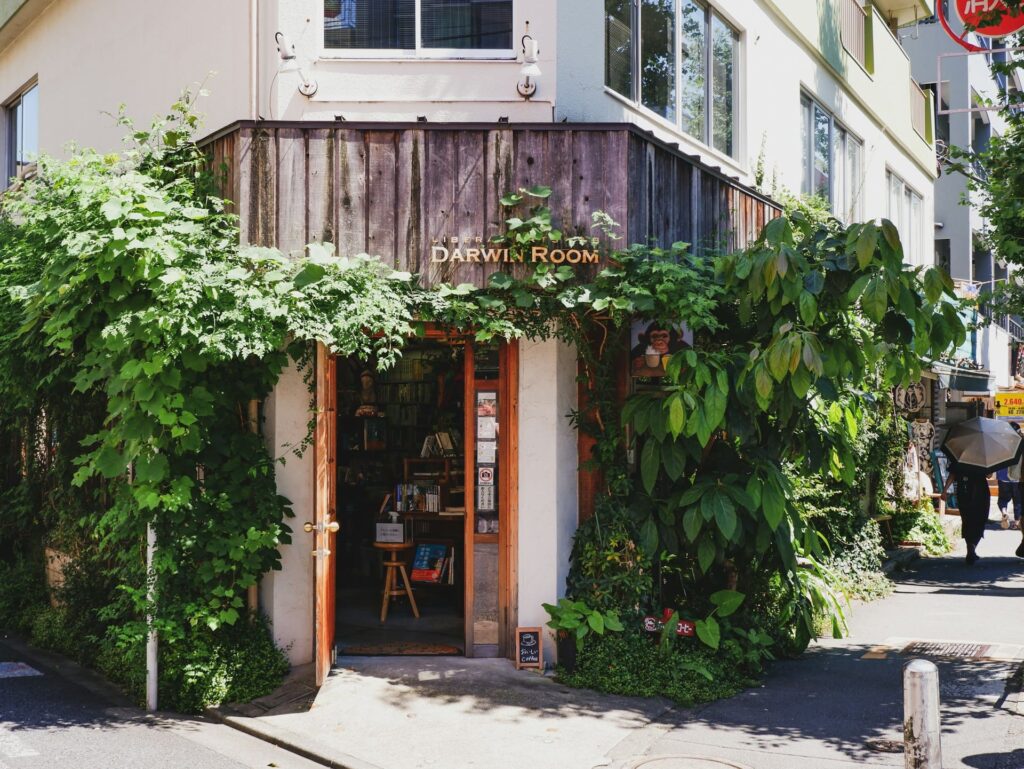
| Decision point | Shimokitazawa | Koenji |
|---|---|---|
| Best for | Curated vintage, styled outfits, cafes, records, and easy browsing | Bargain hunting, digging through racks, and a more local vintage scene |
| Typical price expectation | Higher overall; better for shoppers who value curation over the lowest price | Lower entry point; better for patient shoppers looking for useful deals |
| Shopping style | Cleaner racks, clearer styling, easier for first-time visitors | Denser racks, more variation, more time needed to find the good pieces |
| Time needed | About 2–3 hours for a casual browse | About 3–4 hours if you want to properly dig |
| Station access | Shimokitazawa Station (Odakyu Line, Keio Inokashira Line). The shopping area begins almost immediately around the station. | Koenji Station (JR Chuo-Sobu Local Line). The North Exit leads toward the main shopping arcades and side streets. |
| Cash or card | Cards and IC cards are more commonly accepted at larger stores | Bring yen as a backup, especially for smaller independent shops |
| Rain comfort | Easy to combine with cafes, but many shops are on side streets without cover | Covered shopping arcades help on rainy days, though you will still walk between streets |
| Biggest downside | Can feel too polished and expensive if you expected cheap thrift prices | Less convenient, less polished, and more hit-or-miss |
Shimokitazawa: Curated Vintage, Cafes & Convenience
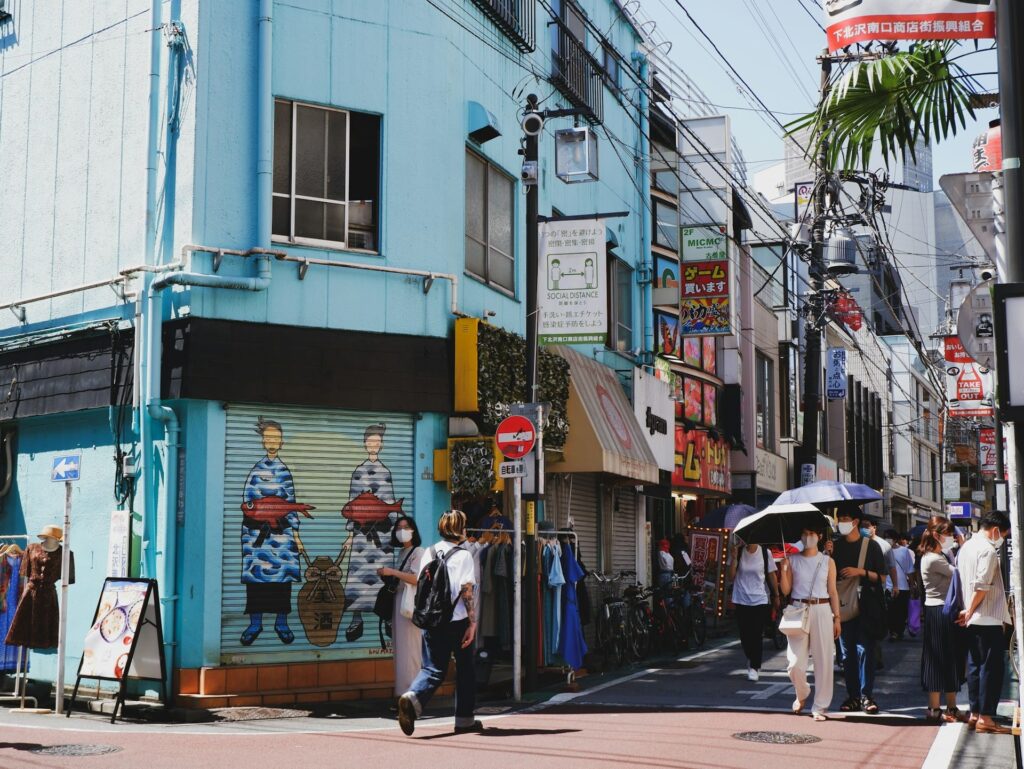
Shimokitazawa, often called Shimokita, is the most famous vintage shopping neighborhood in Tokyo for good reason. It is convenient, walkable, and packed with carefully styled shops, record stores, cafes, small theaters, and live music venues. You step off the train and the shopping begins almost immediately.
The area around the station has changed noticeably in recent years. Newer commercial spaces such as reload and Mikan Shimokita have made the neighborhood feel more designed and visitor-friendly than its older image as a rough-edged indie subculture zone. That is why the word “gentrified” appears so often in traveler discussions about Shimokitazawa vintage shopping.
That does not mean Shimokitazawa is bad. It means the neighborhood is better understood as a curated vintage and lifestyle area, not a low-cost thrift district.
Kai’s tip: The mistake I see travelers make is arriving in Shimokitazawa expecting charity-shop prices. I would treat it like a compact vintage gallery: good for one jacket, one special T-shirt, one pair of boots, or an easy afternoon with coffee breaks. If your goal is quantity, save your energy and budget for Koenji first.
Where to Shop in Shimokitazawa
With many secondhand stores around the station area, knowing where to start helps. These are useful starting points for different styles and budgets, but hours and stock change, so check the shop’s latest information before making a special trip.
- New York Joe Exchange — One of the best-known shops in Shimokitazawa, located in a former bathhouse. Expect streetwear, leather jackets, designer finds, and a steady stream of shoppers.
- Stick Out — Known for simple fixed-price browsing and colorful vintage pieces. Good if you want a quick, low-pressure rack search.
- Chicago — A long-running name for used clothing, streetwear, graphic tees, and statement pieces.
- Little Trip to Heaven — Romantic, highly styled vintage with dresses, accessories, boots, and a more boutique-like feel.
- Treasure Factory — A reliable Japanese recycle chain option. Useful when you want to balance curated vintage stops with more everyday secondhand finds.
What to Expect in Shimokitazawa Vintage Shops
Expect selected pieces, clean displays, and racks organized by style, era, color, or category. Many shops focus on imported American and European vintage, streetwear, military items, denim, workwear, and band T-shirts.
The advantage is convenience. You can walk into a shop and quickly understand its taste. The downside is price. You are often paying for the owner’s sourcing, cleaning, styling, and location — not just the used clothing itself.
Shimokitazawa is a good choice if you want one strong statement piece, an easy half-day shopping route, or a vintage area that also works well for cafes and people-watching. It is less ideal if your main goal is to fill a suitcase with cheap thrift finds.
Koenji: Bargain Hunting, Digging & Local Vibe
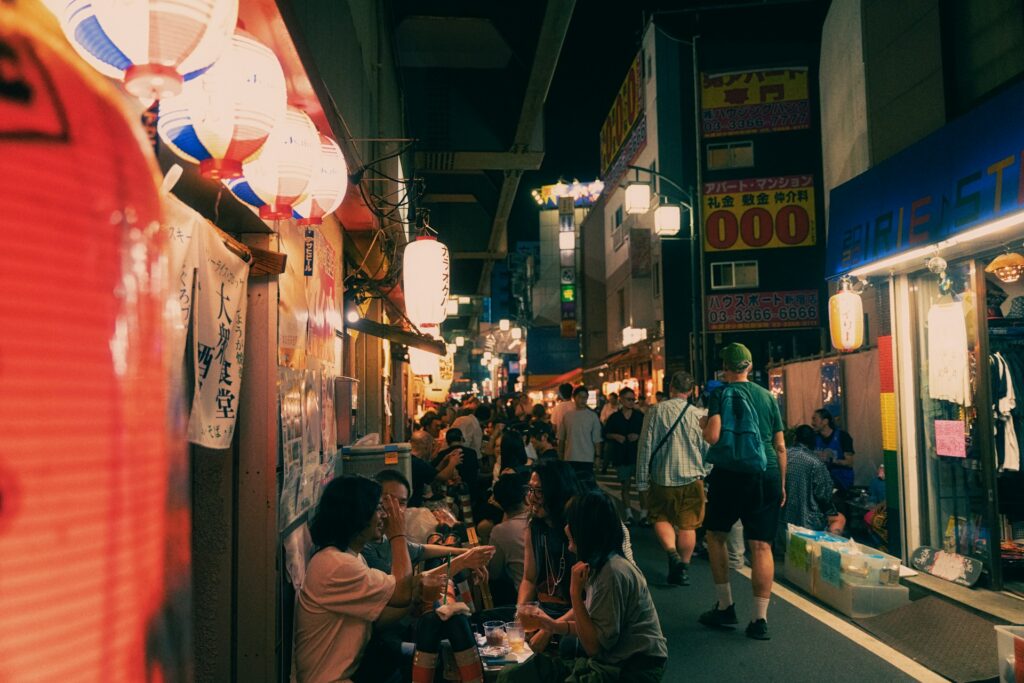
Koenji is usually the better answer for travelers who search for best vintage shops Tokyo and come away wanting something cheaper, rougher, and more local-feeling than Shimokitazawa.
The neighborhood sits on the JR Chuo Line and has long been associated with music, subcultures, small bars, and independent fashion. Instead of one polished shopping zone, Koenji feels more like a collection of side streets, covered shopping arcades, basement shops, upstairs boutiques, recycle stores, and specialist vintage stores.
Kai’s tip: What catches people out in Koenji is not the distance from Shinjuku; it is the energy required once you arrive. The best finds are often not in the first obvious rack near the station. Give yourself enough time to check condition, compare prices, and walk away from pieces that only look good because they are cheap.
Where to Shop in Koenji
Koenji rewards wandering, but it helps to start with a few names and then explore the streets around them. Stock, prices, and opening days change, so use this list as a route starter rather than a fixed promise.
- Super Old — A long-running Koenji vintage name with American retro, denim, military-style pieces, boots, caps, and band tees.
- SLUT — Despite the provocative name, this is a well-known Koenji fixture for colorful Americana, sportswear, flannels, and bold prints.
- Whistler — A more specialist stop for American vintage with a sharper, classic menswear feel.
- Re’all — Useful for American vintage, band T-shirts, sneakers, and brand-name casual pieces.
- Safari — A local mini-chain with several stores in Koenji, each leaning into different genres of vintage and secondhand fashion.
Why Bargain Hunters Prefer Koenji
Koenji rewards patience. You may need to check crowded racks, look closely at condition, and move between several shops before finding something great. That is exactly why many vintage shoppers prefer it.
You are more likely to find everyday secondhand clothing, 1990s streetwear, worn-in flannels, military pieces, denim, sweatshirts, and lower-priced basics. Not every shop is cheap, and some niche vintage stores can be highly curated, but Koenji generally gives bargain-focused shoppers more room to hunt.
Bring yen, wear shoes that are comfortable for a lot of standing and walking, and allow more time than you think you need. Small shops may open later than department stores, and independent stores sometimes update their latest hours on Google Maps or Instagram, so check on the day you go.
Weekend Train Warning
On weekends and public holidays, the orange JR Chuo Rapid service usually does not stop at Koenji. Use the yellow JR Chuo-Sobu Local line instead, and confirm the route in your transit app before boarding. Both services are easy to access from Shinjuku Station, but getting on the right train saves an annoying backtrack.
What Types of Vintage Shops Should You Look For?
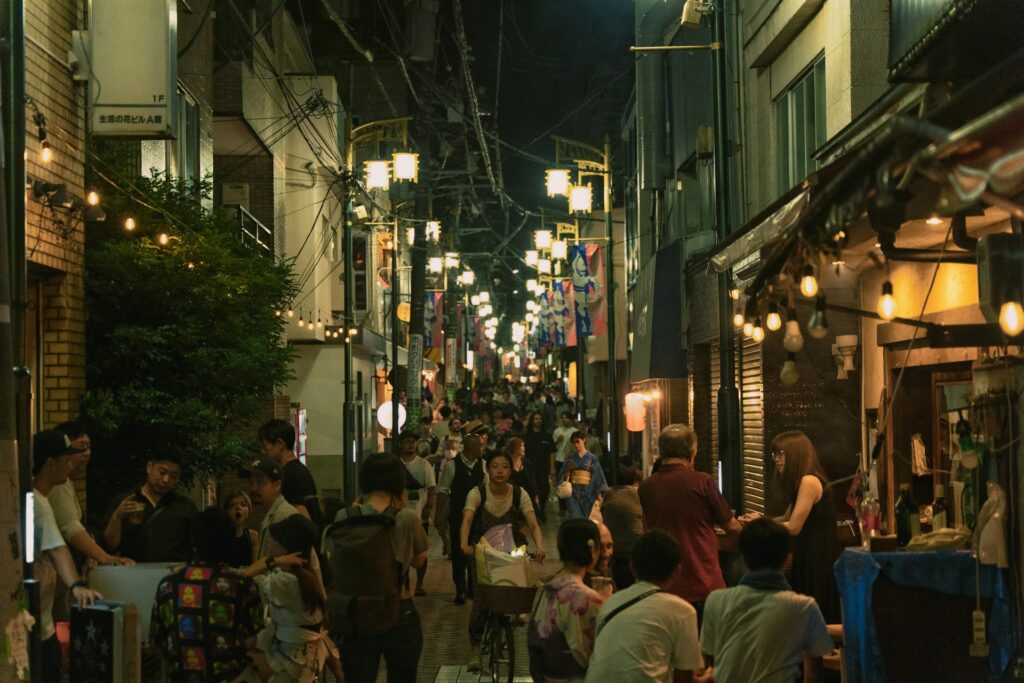
When travelers search for the best vintage shops in Tokyo, several different shop types often get mixed together. Knowing the difference helps you avoid disappointment and shop more efficiently.
- Curated vintage boutiques — Best for styled pieces, imported vintage, denim, military jackets, workwear, and statement items. Expect higher prices and cleaner displays. Common in Shimokitazawa.
- Recycle shops — Japanese secondhand chains and local resale shops such as Treasure Factory, Mode Off, and Second Street. These are often better for lower prices, everyday clothing, and unexpected finds.
- Specialist subculture shops — Stores focused on punk, streetwear, outdoor gear, band T-shirts, military surplus, or specific eras such as 1950s Americana or 1990s grunge.
- Street racks and sale corners — Useful for cheaper finds, but check stains, holes, missing buttons, zipper condition, and fabric wear before buying.
Kai’s tip: I always tell readers to separate “vintage” from “cheap secondhand” before choosing a neighborhood. A beautifully edited rack in Shimokitazawa may save you time but cost more. A messy sale corner in Koenji may save you money but cost more attention.
In Shimokitazawa, the most visible stores are often curated and easy to browse. In Koenji, it is worth checking a wider mix of recycle shops, upstairs stores, basement shops, and smaller independent vintage stores.
Can You Visit Both in One Day?
Yes, you can visit Shimokitazawa and Koenji in one day, but the transfer is not the smoothest in Tokyo. Koenji is on the JR Chuo Line area, while Shimokitazawa is served by the Odakyu Line and Keio Inokashira Line. Most travelers will transfer through a major hub such as Shinjuku or Shibuya.
A realistic plan is to give Koenji about 3–4 hours and Shimokitazawa about 2–3 hours. Add extra time if you want lunch, coffee, record shops, or side-street exploring.
For a shopping-focused day, this order works well:
- Late morning: Arrive in Koenji after smaller shops begin opening. Start at the North Exit and explore the covered shopping arcades and nearby side streets.
- Lunch: Eat near Koenji Station or move toward Shinjuku if that makes your transfer easier.
- Afternoon: Browse Shimokitazawa for curated pieces, cafes, records, and final purchases.
- Evening: Stay in Shimokitazawa for food, bars, or live music if your schedule allows.
Kai’s tip: If I had one shopping day, I would start in Koenji before decision fatigue sets in. Dense racks are much easier when your eyes are fresh. Shimokitazawa works better later because the shops are easier to read quickly and the cafe options make breaks simple.
If you buy bulky jackets, denim, boots, or several bags of clothes, the transfer becomes more annoying than the map suggests. Use coin lockers when available at either station, bring a foldable tote, and check luggage storage alternatives if station lockers are full. Avoid planning a long evening walk with heavy shopping bags.
Recommended Option If You Want Both Areas Without Carrying Bags on Trains
If your Tokyo shopping day includes Koenji, Shimokitazawa, Harajuku, Omotesando, or Shibuya in one route, the main problem is not finding shops. It is keeping the day comfortable once you are carrying purchases, changing train lines, and trying to stay on schedule.
Why I’d book this one
- It solves the shopping-day logistics problem. A private chauffeur is most useful when you are moving across multiple neighborhoods that do not sit neatly on one train line.
- It gives you flexibility without forcing a fixed bus-tour route. The booking page presents the tour as customizable, so you can shape the day around shopping, sightseeing, lunch, or a shorter vintage route depending on your group.
- Reviewers consistently mention comfort and flexibility. Recent users highlight knowledgeable drivers, easier city navigation, and less worry about train routes, which matters more when you are carrying bags or traveling with family.
This is not necessary for solo backpackers who enjoy Tokyo trains and are traveling light. But for couples, families, groups, rainy-day shoppers, or anyone trying to combine vintage shopping with major sightseeing, it can turn a tiring cross-city day into a smoother private route.
| Option | Best for | Trade-off |
|---|---|---|
| Do it by train | Solo travelers, light shoppers, lower-budget trips, flexible days | Cheaper, but you handle transfers, lockers, bags, and route planning yourself |
| Private customizable city tour with chauffeur | Families, groups, rainy days, heavy shopping, mixed sightseeing and shopping plans | Higher cost; check current availability, inclusions, pickup area, and pricing before booking |
How About Harajuku, Kichijoji, or Nakano?
Shimokitazawa and Koenji are not the only options for secondhand shopping in Tokyo. Here is how the other popular neighborhoods compare:
- Harajuku — Better if you want trend-heavy streetwear, designer resale, and fashion culture around Takeshita Street, Ura-Harajuku, and Cat Street. Not usually the best choice for cheap thrift shopping.
- Kichijoji — Works well as a Chuo Line add-on if you are already visiting Koenji and want a more relaxed neighborhood with shopping, food, and Inokashira Park.
- Nakano — Better for anime, collectibles, and subculture goods than for a full vintage clothing day. Nakano Broadway is worth a stop if you are into secondhand media and figures.
If your main goal is the lowest possible prices, consider looking beyond famous tourist neighborhoods. Recycle shops in less central residential areas of Tokyo can offer better value than the most Instagrammed vintage streets, although they may require more Japanese-language searching and more patience.
Frequently Asked Questions
Do You Need a Reservation for Vintage Shops in Tokyo?
No. Most vintage shops, thrift stores, and recycle shops in Shimokitazawa and Koenji do not require reservations. The bigger issue is opening hours. Many small shops open later than department stores, and some independent stores may close on irregular days. Check Google Maps or the shop’s Instagram on the day you visit.
Can You Bargain at Vintage Shops in Japan?
No. Haggling is not normal in Japanese retail stores, including most thrift and vintage shops. The price on the tag is the price you should expect to pay. Bargaining can make staff uncomfortable and is not recommended.
Should You Bring Cash?
Yes. Shimokitazawa is generally easier for card and IC card payments, especially at larger or more polished stores. In Koenji, many shops accept cards, but smaller independent stores may still prefer cash. Bring enough yen so you do not miss a good find.
Which Area Is Better on a Rainy Day?
Shimokitazawa is comfortable if you want to break up shopping with cafe stops, but you will still walk between shops on side streets without cover. Koenji has covered shopping arcades near the station that make bad weather more manageable, although not every street is covered. On a heavy rain day, choose the area where you plan to stay longer rather than trying to rush both neighborhoods.
Can You Find Larger Sizes?
Yes, but it depends on the shop and item type. Because many vintage stores carry imported American and European clothing, oversized flannels, sweatshirts, denim, military jackets, and outerwear are often easier to find than fitted Japanese basics. Try items on when possible, and check measurements rather than relying only on size tags.
Is Shimokitazawa Still Worth Visiting?
Yes, if you understand what it is good for. Shimokitazawa is still one of Tokyo’s most enjoyable neighborhoods for vintage shopping, cafes, records, bars, and walking around. It is just not the best place to expect very cheap thrift prices. Go for the experience and the curation, not the bargains.
Is Koenji Better Than Shimokitazawa?
Koenji is better for bargain-focused thrifting, digging, and a less polished local atmosphere. Shimokitazawa is better for curated vintage, easier browsing, cafes, and a more visitor-friendly half-day. The better choice depends on whether you value price or convenience more. If you have time, do not choose — visit both.
Final Verdict
For most bargain hunters, Koenji is the better first choice. It offers a stronger chance of lower-priced finds, more digging, and the kind of thrift experience travelers usually mean when they complain that Tokyo vintage shopping has become too curated.
For first-time visitors who want an easy, stylish, and low-stress vintage shopping area, Shimokitazawa is still worth visiting. It is better for curated pieces, cafes, records, photos, and a polished Tokyo neighborhood experience.
The smartest approach is to treat them as two different shopping styles:
- Choose Koenji if you want to hunt for bargains, dig through dense racks, and experience a local neighborhood. Start here first while your energy is fresh.
- Choose Shimokitazawa if you want a relaxed vintage-and-cafe day, curated finds, and easy browsing without rushing.
- Choose both if you have a full day. Start in Koenji, compare prices, then head to Shimokitazawa for curated pieces and decide where to spend your money.
Whichever area you choose, arrive with realistic expectations, bring cash as a backup, wear comfortable shoes, and leave room in your luggage for what you find.
My Recommendation for Travelers Planning a Full Tokyo Shopping Day
If you are only choosing one neighborhood, use the train and keep the day simple. If you want to combine Koenji, Shimokitazawa, Harajuku, Shibuya, lunch, and sightseeing in one day, the private chauffeur option becomes much more practical.
Reviewers of the private customizable city tour repeatedly point to the same benefits: an easier way to cover Tokyo in limited time, drivers who help explain the city between stops, and less stress around routing. That is exactly the pain point this article creates once you decide to shop across more than one vintage area.
Prices, shop hours, tour availability, pickup coverage, and inclusions can change. Always confirm the latest details on the shop’s official channel, Google Maps, Instagram, or the booking page before you commit your day.

Hi, I’m Kai. I’m a Tokyo-based travel writer, tourism industry insider, and the author of a published guidebook for international visitors to Japan. With over 10 years of professional experience at a leading Japanese tourism company, my mission is to help you skip the tourist traps and navigate Japan’s best destinations like a local. I believe the perfect day trip is like a traditional kaiseki meal: a beautiful balance of precise planning and unforgettable seasonal discovery. When I’m not out conducting field research, you’ll usually find me drafting new itineraries with one of my favorite fountain pens!