
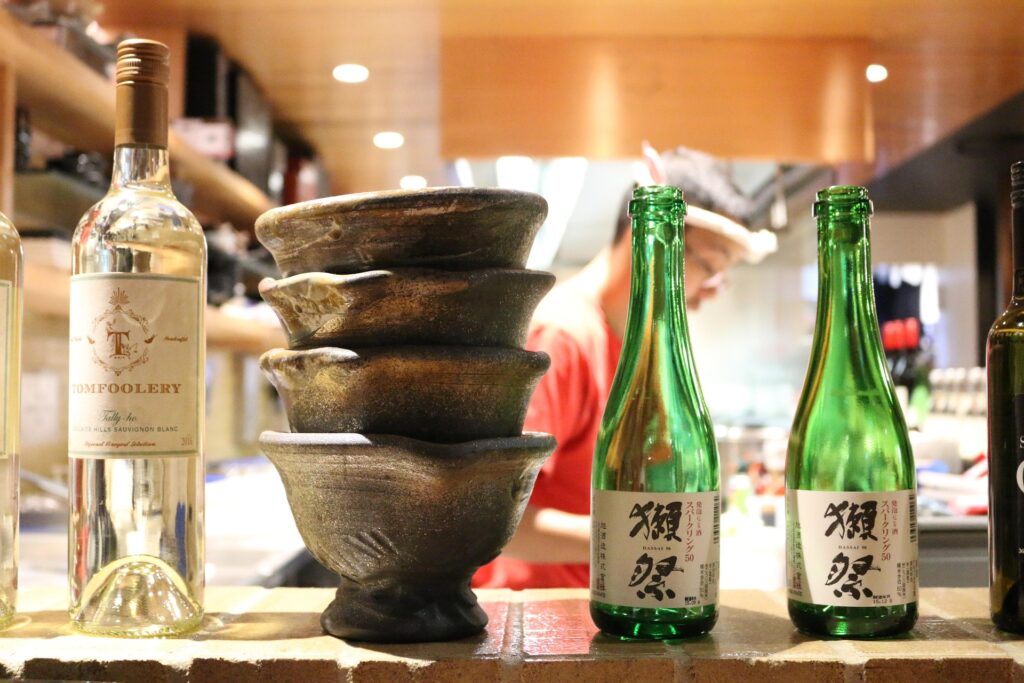
Quick Answer: Where Should You Try Sake in Nara?
Sake tasting in Nara is easy to arrange without a tour. For a straightforward brewery-shop tasting, visit Harushika (Imanishi Seibei Shoten) in Naramachi: its official five-sake flight costs ¥700. To compare labels from many Nara breweries, visit the Nara Izumi Yusai standing sake bar. Choose an English-guided sake tour if you want a multi-stop experience with explanations and a planned walking route. All three options fit into sightseeing around Nara Park and Naramachi.
The right choice depends on your time and budget: allow around 30–60 minutes for one tasting stop, 1–2 hours for an easy self-guided sake walk, or about three hours for the featured guided tour. A walk-in tasting is not automatically a behind-the-scenes brewery tour; production areas often have separate access rules.
Nara is widely known as the birthplace of refined Japanese sake, so tasting it here is not just about sampling local drinks. It is a chance to experience the roots of modern sake culture in the city where key brewing methods were developed centuries ago.
Check availability and secure your tasting tour: Nara: Sake Tasting Tour at the Birthplace of Japanese Sake
How to Do Sake Tasting in Nara
There are three practical ways to enjoy sake in Nara, and the best choice depends on how much guidance you want.
- Option 1: Walk-in tasting at a brewery or sake shop
Best for travelers who want a quick, casual tasting and are comfortable figuring things out on their own. - Option 2: Compare local bottles at a sake-specialty bar
Best for independent travelers who want to taste labels from different breweries at their own pace. Nara Izumi Yusai is a dedicated local-sake shop and standing bar. - Option 3: Guided sake tour through Naramachi
Best for first-time visitors who want to compare styles, learn the history, and visit multiple stops without planning every detail.
For international travelers who value English explanations, the guided option can be more informative. However, travelers on a tight budget can get a genuine introduction to Nara sake for much less at Harushika or a local sake shop. The options below explain the trade-offs.
Best Places for Sake Tasting in Nara City
You do not need to leave the city center to try Nara sake. The historic Naramachi neighborhood, south of Nara Park, has a genuine brewery-affiliated tasting room, a Nara-only sake specialty bar, and casual sake-serving liquor shops. Crucially, these are different types of experiences—not three interchangeable brewery tours.
| Place | Best for | Cost / format | Key hours and caveat |
|---|---|---|---|
| Harushika (Imanishi Seibei Shoten) | First sake tasting; brewery brand | 5 varieties for ¥700 | Shop 10:00–17:00; tastings until 16:30; normally closed Tuesday. No production-floor tour with the standard flight. |
| Nara Izumi Yusai | Comparing sake from across Nara Prefecture | 50 ml samples from ¥200; cash for tasting | 11:00–20:00; normally closed Thursday. Small standing counter. |
| Ogawa Matabei, Naramachi | Casual local-sake stop with snacks | Sake flights / pours; check the current menu | Listed 15:00–19:00 weekdays, 10:00–19:00 weekends and holidays. A liquor shop, not a brewing-factory tour. |
Details checked against brewery and official tourism information in November 2026. Prices, holiday closures, last orders and tasting lineups can change; confirm with the venue before traveling.
1. Harushika Sake Brewery (Imanishi Seibei Shoten): Best First Tasting
For a first visit, Harushika sake tasting in Nara is the most straightforward place to begin. Imanishi Seibei Shoten has brewed the Harushika brand since 1884 in the old Naramachi district. The brewery’s shop offers a curated tasting of five seasonal sakes, making it easy to find out whether you prefer light, dry, rounded or fragrant styles without studying an entire drinks menu first.
- Price: ¥700 per person for five sake samples (tax included), according to Harushika’s October 2026 announcement.
- Hours: Shop 10:00 AM–5:00 PM; tasting reception 10:00 AM–4:30 PM. Normally closed Tuesdays (or the following day when Tuesday is a holiday), plus some Obon, year-end and event dates.
- Address: 24-1 Fukuchiincho, Nara (奈良市福智院町24-1).
- Access: Approximately 20 minutes on foot from Kintetsu Nara Station, according to the brewery.
- Reservations: Individual visitors may join the tasting queue without a reservation, subject to capacity. The brewery accepts advance reservations for one 4–8-person group at 10:00 AM and 11:00 AM on eligible weekdays (excluding closure dates); inquire by phone or email.
- Official details: Harushika brewery-shop and tasting information.
Important distinction: A five-sake tasting at the shop is not a year-round tour of the brewing facilities. Harushika says brewery visits are arranged for a limited period, usually around February, and announced separately. If your goal is to watch sake being made, check the event schedule before assuming the tasting ticket includes that access.
Which sake should you start with? Ask to compare the brewery’s dry junmai style with a more aromatic selection if available. The exact flight changes seasonally. You can also browse bottles and local foods such as narazuke (pickles matured in sake lees) as souvenirs.
2. Nara Izumi Yusai: Best Place to Compare Nara Sake Brands
Unlike Harushika, Nara Izumi Yusai (なら泉勇斎) is not a sake brewery. It is a specialty shop and standing bar devoted to sake produced across Nara Prefecture. The shop states that it carries around 120 varieties from roughly 27 local breweries, allowing visitors to compare a much wider selection than a single-producer flight.
- How tasting works: Order individual paid samples rather than assuming a fixed set. Nara’s tourism bureau lists 50 ml servings from ¥200; individual labels may cost more.
- Hours: 11:00 AM–8:00 PM, normally closed on Thursdays. Check notices for temporary closures.
- Address: 22 Nishiterabayashicho, Nara (奈良市西寺林町22).
- Access: About 10 minutes on foot from Kintetsu Nara Station, according to the shop.
- Practical point: The standing counter seats approximately seven people. The shop says tastings are cash only, but purchases of bottles can be paid for by credit card; bring some yen for sample pours.
- Official website and current tasting menu: Nara Izumi Yusai.
This is the better stop if your question is “Which Nara sake should I buy?” rather than “What does one brewery make?” Tell the staff whether you usually prefer dry white wine, fruity drinks, richer flavors or something unpasteurized, and let that guide your choice. Narazuke and other fermented snacks are also available.
3. Ogawa Matabei Shoten: A Casual Sake Stop in Naramachi
Ogawa Matabei (小川又兵衛商店 ならまち店) offers a very different atmosphere. Nara’s official travel guide describes it as a retro-style liquor store near Gangoji Temple where customers can enjoy Nara sake, tasting flights and bar snacks at the front of the shop. Think of it as a casual local drinking stop, not a classroom-style tasting or a brewery production tour.
- Address: 8 Kasasagicho, Nara (奈良市鵲町8).
- Listed hours: 3:00–7:00 PM on weekdays; 10:00 AM–7:00 PM on Saturdays, Sundays and holidays.
- Best for: A short break after exploring Gangoji and the lanes of Naramachi.
- Reference: Official Nara visitor listing.
Do not build your entire itinerary around an assumed fixed flight or English-language explanation here. Check the day’s menu and schedule on arrival, and treat it as an optional second tasting stop.
What About Nara Kasugayama Sake Brewery?
Nara Kasugayama Sake Brewery (formerly Yagi Shuzo) reopened its renovated store in March 2026 at 915 Takabatakecho, on the eastern side of central Nara. It is worth knowing about if you enjoy historic sake sites, but its March 2026 announcement described reopening sake production and offering brewery tours as future plans, rather than confirmed walk-in experiences. Nara’s official tourism site explicitly says brewery tours are not currently available. Check the brewery’s current store announcements and the prefectural visitor listing before heading there.
At a Glance: Nara Sake Tasting Brewery Tour
The guided experience linked below is one option, not the only way to try sake in Nara. Its operator lists a three-hour, English-guided private walking experience starting at Ukimi-do Pavilion and ending near Kintetsu Nara Station. The published stops include Nara Kasugayama, Harushika (Imanishi Seibei Shoten), Ogawa Matabei and a Houshuku sake shop. These are sake-related businesses, not necessarily four production facilities open for behind-the-scenes visits. Check the live itinerary, tasting inclusions and meeting instructions before paying.

Here is the quickest way to decide whether this experience fits your trip:
- Best for: First-time sake drinkers, culture-focused travelers, and visitors who want an English-guided experience.
- Is it worth it? Yes, especially if you want historical context and curated tastings rather than a single counter sample.
- Duration: Approximately 3 hours.
- Stops: The operator advertises four sake-focused stops (described as three breweries and one shop); exact access and the type of each venue should be checked before booking.
- Tasting style: Multiple pours that may range from crisp and dry to mellow, rich, and unpasteurized varieties.
- Language: Guided in English by a knowledgeable local expert.
- Atmosphere: Relaxed, educational, and culture-focused rather than party-oriented.
DIY vs. Guided Tour: Which Is Better?
If you are deciding between independent sake hopping and a guided brewery tour, this is the key trade-off: DIY can be simpler for a very short stop, but a guided tour gives you far more context, smoother logistics, and a better understanding of what you are tasting.
| Feature | DIY Sake Tasting | Guided Brewery Tour |
|---|---|---|
| Ease | You need to choose locations, confirm hours, and plan the route yourself. | Easy and structured. The route and pacing are already planned. |
| English Support | Often limited, especially for brewing terms and tasting details. | Strong. An English-speaking guide explains each stop and style clearly. |
| Depth of Experience | Usually limited to short notes, labels, or whatever you can translate on the spot. | High. You learn the history, production methods, and tasting differences in context. |
| Time Efficiency | Good for one quick stop, but slower if you want to compare multiple places. | Better for travelers who want several tastings without extra planning. |
| Tasting Variety | One brewery offers its own range; Nara Izumi Yusai offers labels from many producers. | Several preselected stops and styles; less freedom to pick specific bottles. |
| Best For | Travelers who want a casual sample and do not need much explanation. | First-time visitors who want the most informative and stress-free experience. |
Bottom line: For a quick ¥700 introduction, book nothing and head to Harushika. For maximum choice across Nara producers, use the paid tasting counter at Nara Izumi Yusai. Pay for a guide if curated stops and English explanation are the main attraction.
Reserve your spot on the guided brewery tour here: Nara: Sake Tasting Tour at the Birthplace of Japanese Sake
What’s Included in the Tour?
Booking a curated tour gives you more than just a tasting counter experience. It is designed to help beginners and curious travelers understand what they are drinking and why Nara is such an important place to drink it.
- Expert storytelling: Learn why Nara is associated with the origins of refined Japanese sake and how temple brewing influenced later methods.
- Brewery-related venues and sake shops: Visit sake-focused businesses to discover the atmosphere, products and local stories behind Nara’s brewing culture. Do not assume that all stops include access to production rooms.
- Comparative tasting: Taste multiple styles side by side so you can notice differences in aroma, body, dryness, and finish.
- Naramachi exploration: Enjoy a guided walk through one of Nara’s most atmospheric districts, known for its preserved wooden townhouses and old merchant streets.
Before booking: a tasting tour is not automatically a production-floor tour. The operator describes four stops as three working breweries and a sake shop, but its published route includes Ogawa Matabei, which the official Nara visitor guide identifies as a liquor store. Nara’s tourism authority also says Nara Kasugayama does not currently offer brewery tours. Expect a guided walk with sake tastings and cultural explanations; ask the operator which locations allow access to active production areas if that matters to you.
The Birthplace of Refined Sake: Why Nara Matters

One reason sake tasting in Nara stands out from tasting sake elsewhere in Japan is the city’s place in brewing history. Nara is closely tied to the development of the methods that led to clear, refined sake rather than older, rougher forms of rice alcohol.
More than 600 years ago, monks at Shoryaku-ji Temple developed brewing techniques that became the foundation of modern sake production. Among them was the Bodai-moto method, an important step in creating more stable and refined sake. That history gives a tasting in Nara extra meaning: you are not only trying local drinks, but also connecting with the origins of a major part of Japanese food culture.
“Birthplace of sake” needs one qualification: Nara did not invent all rice alcohol. The claim refers to important developments in refined sake—particularly the stable starter culture and filtering practices associated with medieval temple brewing. The bodaimoto starter uses lactic-acid conditions to help support reliable fermentation, a key part of the history often explained on Nara sake tours.
Shoryaku-ji Temple: Important for Sake History, but Not a City-Center Tasting Room
Shoryaku-ji Temple (正暦寺) is in the hills outside central Nara. It is the historically important site associated with bodaimoto and temple-brewed sake. The Nara tourism office lists the journey at around 25 minutes by taxi from JR Nara Station; it is not a quick extension of a Naramachi walking route. Special sake-related events take place at certain times of year, but do not assume there is an ordinary daily tasting counter. Visit for the temple and its brewing history, especially when a dated event is confirmed. See the official Shoryaku-ji visitor information.
Miwa and Ohmiwa Shrine: Another Part of Nara’s Sake Story
Miwa, in Sakurai City, is associated with the deity of sake brewing at Ohmiwa Shrine and with a different strand of Nara’s brewing heritage. It is not the same as the Naramachi district, and the nearby Imanishi Sake Brewery (今西酒造) should not be confused with Imanishi Seibei Shoten, the maker of Harushika in central Nara. The Japan Sake and Shochu Makers Association currently lists no regular brewery tours at Imanishi, although its Sando shop can offer weekday tastings outside busy periods. Confirm directly before traveling for a particular experience.
DIY Naramachi Sake Tasting Walk: A 1–2 Hour Plan
If you would rather explore independently, start at Kintetsu Nara Station and head into Naramachi. The most efficient route depends on the day because Harushika closes on Tuesdays and Nara Izumi Yusai on Thursdays.
Plan around closures: On Tuesdays, check Nara Izumi Yusai rather than assuming Harushika is open. On Thursdays, Harushika is the clearer central tasting option. Ogawa Matabei normally opens at 3:00 PM on weekdays, so put it near the end of an afternoon walk rather than at lunchtime. Holiday schedules can override these patterns.
- Begin with one local-sake comparison at Nara Izumi Yusai. Ask for a crisp/dry pour and one noticeably different style. If you only have time for one stop, you can skip ahead to Harushika instead.
- Walk the older Naramachi streets to Harushika. The walk links historic shopfronts and the neighborhood around Gangoji. Try the five-sake set if you are still within the 4:30 PM tasting cutoff.
- Optionally stop at Ogawa Matabei. It makes more sense in the late afternoon on weekdays. You do not need three drinking stops to have a worthwhile sake experience.
- Finish with a meal, not another tasting. Look for Nara specialties such as kakinoha-zushi (persimmon-leaf sushi), local tofu dishes or narazuke; drink water and leave time to walk safely back to the station.
If your priority is budget: Harushika by itself is sufficient. If your priority is discovering a bottle to take home: Choose Nara Izumi Yusai. If your priority is background and conversation: Choose the guided experience. This is a flexible neighborhood plan, not a claim that all three venues will be open simultaneously.
Where to Visit a Real Sake Brewery Elsewhere in Nara Prefecture
Searches for “Nara sake brewery tour” often mix up central Nara City with destinations elsewhere in Nara Prefecture. If you really want to learn about the manufacturing process, consider planning a separate half-day or full-day trip to one of these areas instead of expecting an open factory in Naramachi.
| Place | Location | What makes it different | Planning note |
|---|---|---|---|
| Imanishi Sake Brewery | Miwa, Sakurai | Historic producer of Mimurosugi near Ohmiwa Shrine; limited weekday tastings at the Sando shop | The brewer association says no tours or tastings at the main shop. Do not confuse the main shop with the separate shrine-approach outlet. |
| Kawai Sake Brewery | Imaicho, Kashihara | Historic Edo-era merchant house; official Nara tourism lists free tastings | Factory access requires prior arrangement; its free shop tasting is not a production tour. |
| Umenoyado Brewery | Katsuragi | 45-minute guided visit with production explanation, five sake/liqueur samples and a souvenir | Official price ¥1,200; advance booking required; tours are Japanese only and non-Japanese speakers need an interpreter. |
| Kubo Honke Brewery | Ouda, Uda | Old brewery buildings, local sake and a sake-focused cafe | A separate trip from Nara City; confirm tasting, dining and tour arrangements in advance. |
For local details, refer to the Nara tourism bureau’s brewery guide. The official listing for Kawai Sake Brewery is particularly helpful if you are searching for free sake tasting in Nara Prefecture: it is in Kashihara, not central Nara. For a structured tour outside Nara City, review Umenoyado’s official tour details and arrange a Japanese interpreter before booking if needed. Its tour explains the production process with exhibits and media; do not assume unrestricted access to working fermentation rooms.
What Sake Should You Taste in Nara?
Knowing a few label words helps far more than memorizing a list of top-rated bottles. When you order a Nara sake flight, aim for contrast rather than sampling five nearly identical drinks.
| Label on the bottle | What it means | Why try it? |
|---|---|---|
| Junmai (純米) | Made with rice, koji and water, with no added brewer’s alcohol | A useful starting point for rice character and body; not automatically sweet. |
| Ginjo / Daiginjo (吟醸 / 大吟醸) | Styles associated with greater rice polishing and distinctive brewing methods | Often shows more floral or fruity aromatics, although producers differ. |
| Namazake (生酒) | Unpasteurized sake | Can taste lively and fresh; check refrigeration requirements before buying it for travel. |
| Nigori (にごり) | Cloudy, coarsely filtered sake | Interesting for its texture; it is not necessarily a dessert wine. |
| Bodaimoto (菩提酛) | A traditional starter method associated with Nara’s sake heritage | A chance to connect what is in the glass with the city’s medieval brewing history. |
Try this comparison: Ask for one dry junmai, one fragrant ginjo, and one unusual local selection such as a bodaimoto-based or unpasteurized sake if available. Taste from lighter to richer styles and note aroma, sweetness, acidity and finish. Karakuchi means dry; amakuchi means sweet. Neither automatically tells you the quality. The Japan Sake and Shochu Makers Association’s glossary is a useful reference for label terminology.
Nara Sake Brands to Look for
If you are choosing a souvenir bottle or comparing styles at Nara Izumi Yusai, three names are especially useful to recognize. This is a shopping shortlist, not a claim that every brand is stocked at every tasting counter.
- Harushika (春鹿): Made by Imanishi Seibei Shoten in Nara City. An approachable starting point if you want to compare the house’s dry and more aromatic styles at its own shop.
- Mimurosugi (みむろ杉): Made by Imanishi Shuzo in Miwa, Sakurai City. It is a different Imanishi company from the one that brews Harushika. Look for it if you want a bottle connected to Miwa’s sake traditions.
- Kaze no Mori (風の森): Made by Yucho Shuzo in Gose City. The brewery specializes in unfiltered, unpasteurized sake, which can retain lively freshness and natural dissolved gas. Ask about refrigeration before buying; the producer distributes through selected retailers rather than promising direct general brewery tours.
For bottle details, see the brewers’ association profile for Mimurosugi and Yucho Shuzo’s Kaze no Mori guide.
Practical Tips Before Booking or Visiting
- Age: Japan’s legal drinking age is 20. Anyone under 20 should skip alcoholic tastings.
- Tour versus tasting: A tasting at a brewery’s retail shop is not automatically access to the brewing floor. Confirm what is included before paying for a tour.
- Timing: Naramachi’s sake shops are mostly daytime or early-evening experiences, not late-night bars. Reserve the late afternoon for venues that actually open then.
- Cash and reservations: Carry cash, especially for small tasting counters. Large groups should contact the shop; special seasonal closures are possible.
- Accessibility: The guided experience involves walking and older neighborhood streets. Ask the operator about steps, seating and mobility needs rather than assuming a barrier-free route.
- Buying sake: Check whether the bottle needs refrigeration, particularly for namazake; protect it from heat and breakage. International travelers should also check airline and destination-country alcohol rules.
- Driving: Do not drive after tasting; walk or use public transport. The brewery itself warns visitors not to combine tasting with driving.
Who Is This Tour For? (And Who Should Skip It)
Not every traveler wants the same kind of sake experience, so it helps to set expectations clearly before booking.
This tour is a great fit for:
- First-time sake drinkers: You do not need prior knowledge. The guided format makes the basics easy to understand.
- Food and culture travelers: If you enjoy learning the story behind local specialties, this experience gives you much more than just tasting notes.
- Visitors who want an easy add-on to a Nara day: It works especially well after temple sightseeing and before dinner.
- Travelers who prefer English explanations: This is one of the clearest ways to enjoy sake in Nara without language stress.
You may want to skip it if:
- You are under 20 years old: Japan’s legal drinking age is 20.
- You only want one quick tasting: A simple walk-in stop may be enough for you.
- You are looking for nightlife or heavy drinking: This is a cultural tasting experience, not a pub crawl.
How to Fit a Sake Tour into Your Nara Itinerary
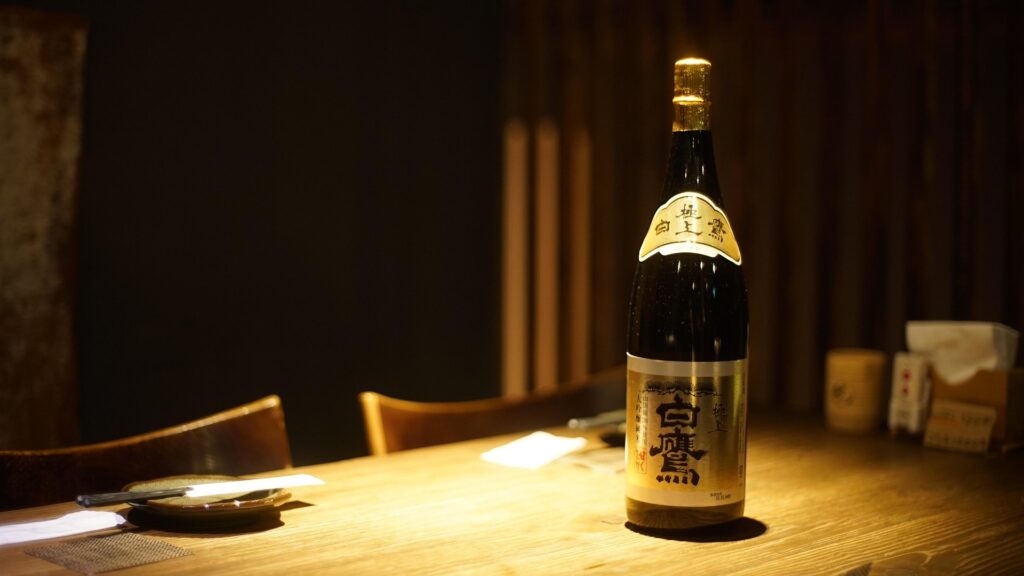
A sake tasting tour fits naturally into a day in Nara, especially if you plan to spend the morning at the city’s major sights and the afternoon in Naramachi. For many travelers taking a day trip from Kyoto or Osaka, it works best as a cultural experience between temple sightseeing and dinner.
- Morning (9:00 AM – 1:00 PM): Visit Nara Park, see the deer, and explore Todai-ji, Kofuku-ji, or nearby historic sites.
- Lunch (1:00 PM – 2:00 PM): Eat near Kintetsu Nara Station or on the edge of Naramachi so you are well placed for the afternoon.
- Afternoon (Tour Time): Join the guided sake walk and spend around three hours exploring central Nara’s sake-related shops and tasting venues, comparing styles and learning why the region matters to sake history. The route starts at Ukimi-do rather than at a brewery production floor.
- Evening: Stay in Naramachi for dinner, explore the calm streets at night, or head back toward Kintetsu Nara Station or JR Nara Station for your return to Kyoto or Osaka.
If you only have half a day in Nara and still want to see Todai-ji and Nara Park, a single walk-in tasting usually fits better than a three-hour sake tour. Choose the longer guided option only when sake is a primary reason for your visit.
Coming from Kyoto or Osaka?
For a one-day visit, Kintetsu Nara Station is a convenient starting point for Naramachi. If you arrive at JR Nara Station instead, allow additional walking time across the city center. Do your main temple and deer sightseeing before your tasting, then return by train rather than driving after drinking. The station choice and return-train timing are worth checking before you commit to an afternoon tour.
Frequently Asked Questions
Can I do sake tasting in Nara without a tour?
Yes. Harushika offers a ¥700 tasting of five types of sake, and Nara Izumi Yusai sells paid samples from many Nara producers. Guided tours are optional; book one for English interpretation and a multi-stop experience rather than because it is required for tasting.
Which area is best for sake tasting in Nara?
Naramachi is the best area for most visitors, especially after Nara Park or Kofuku-ji. Harushika and Nara Izumi Yusai are within walking distance of the historic streets and are easier for a first-time visitor than traveling to rural brewery sites.
Is Nara really the birthplace of Japanese sake?
Nara is widely regarded as the birthplace of refined Japanese sake. While earlier forms of rice alcohol existed in Japan, brewing methods developed in Nara helped lay the foundation for the clear, refined sake style associated with modern sake today.
Is a guided tour worth it for first-time visitors?
It can be. A guided tour helps if you want English explanations and a structured introduction to several venues. If your priority is a low-cost first taste, Harushika is a better-value starting point.
Do I need to be a sake expert to enjoy this tour?
Not at all. This kind of tour is especially good for beginners because it explains the basics clearly and lets you compare different styles without needing prior knowledge.
Can I buy bottles of sake to take home?
Yes. Harushika and Nara Izumi Yusai sell bottles, including local styles that make good souvenirs. Ask about refrigeration for unpasteurized namazake, and check customs and airline requirements before packing alcohol.
How much does sake tasting in Nara cost?
Harushika’s official five-sake tasting costs ¥700 per person. Nara Izumi Yusai sells samples individually; Nara’s tourism bureau lists 50 ml pours from ¥200. Guided multi-stop tours cost substantially more because they include a guide and an itinerary; check the live booking page for your date.
Is there free sake tasting in Nara?
Do not assume walk-in tasting is free in Naramachi. Harushika charges for its standard flight. For a possible free tasting in the wider prefecture, official Nara tourism lists Kawai Sake Brewery in Imaicho, Kashihara—but that is outside central Nara City, and production-floor access is separate.
Can I tour an actual sake brewery in Nara?
Yes, but not all retail tastings allow access to production rooms. Harushika announces limited seasonal brewery visits, while some producers elsewhere in the prefecture accept advance tour bookings. Confirm the distinction directly with the brewery or tour operator.
Do I need to reserve a sake tasting in Nara?
Not for an ordinary walk-in tasting at Harushika, although you may need to wait at busy times and group seats have special reservation rules. Reserve a guided tour before arrival; for production-focused visits elsewhere in Nara, check each brewery’s booking and language requirements in advance.
What if I do not drink alcohol?
The historic streets and shops are still worth exploring, but a paid alcohol-focused tour may not be good value. If traveling with a non-drinker, check whether the operator offers a meaningful alternative before booking rather than assuming non-alcoholic pairings are included.
For sake tasting in Nara, start with Harushika if you want the simplest, best-value five-sake introduction; choose Nara Izumi Yusai if you want to compare Nara producers; or book a guided walk if context and English-language explanations are the reason you are going. A sake shop is not the same thing as touring an operating production floor—make that distinction before reserving.
Book your guided sake tasting experience here: Nara: Sake Tasting Tour at the Birthplace of Japanese Sake

Hi, I’m Kai. I’m a Tokyo-based travel writer, tourism industry insider, and the author of a published guidebook for international visitors to Japan. With over 10 years of professional experience at a leading Japanese tourism company, my mission is to help you skip the tourist traps and navigate Japan’s best destinations like a local. I believe the perfect day trip is like a traditional kaiseki meal: a beautiful balance of precise planning and unforgettable seasonal discovery. When I’m not out conducting field research, you’ll usually find me drafting new itineraries with one of my favorite fountain pens!