
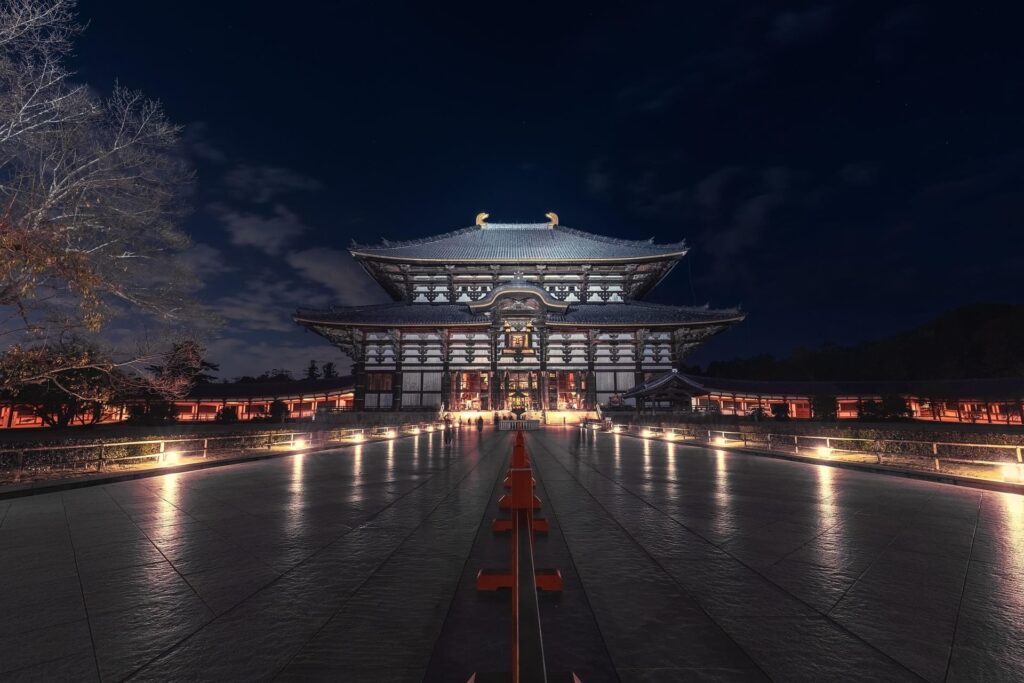
Nara does not have nightlife in the Osaka sense, but that is exactly why it can be such a rewarding place to spend an evening. After the day-trip crowds leave, the city becomes quieter, the deer settle into a calmer rhythm, and the walk up to Nigatsu-do feels far more atmospheric than it does in the middle of the day.
The key is to plan Nara at night correctly. This is not the time for temple interiors, museum-hopping, or late-night shopping. It is best treated as a relaxed evening route: a viewpoint, a quiet walk through Nara Park, a photo stop at Sarusawa Pond, and dinner near Naramachi or Kintetsu Nara Station.
Quick Answer: Is Nara Worth Visiting at Night?
Yes — Nara is worth visiting at night if you want peaceful views, resting deer, and a slower evening after the main sightseeing crowds disappear. The best simple plan is Nigatsu-do → Nara Park → Sarusawa Pond → dinner near Naramachi or Kintetsu Nara Station. It works especially well for first-time visitors who prefer scenery and atmosphere over bars and nightlife.
Nara at night is not the right choice if you expect temple interiors after dark, big-city nightlife, or lots of open shops. Most indoor attractions close in the late afternoon, so your evening should be built around outdoor scenery, safe walking routes, and dinner.
| Best For | Good Choice? | Why |
|---|---|---|
| Quiet evening strolls | Yes | Nara feels calmer and more atmospheric after dark. |
| Night views and photos | Yes | Nigatsu-do and Sarusawa Pond are especially beautiful in the evening. |
| Seeing deer in a different setting | Yes | The deer are usually calmer and often rest in groups at night. |
| Seasonal illuminations | Yes | February and August events can add lanterns, lights, and a special atmosphere if your dates align. |
| Temple interiors and museums | No | Most major buildings close in the late afternoon. |
| Bars, clubs, and neon nightlife | No | Nara is better for a quiet evening than a late-night party scene. |
At a Glance: Best Things to Do in Nara at Night
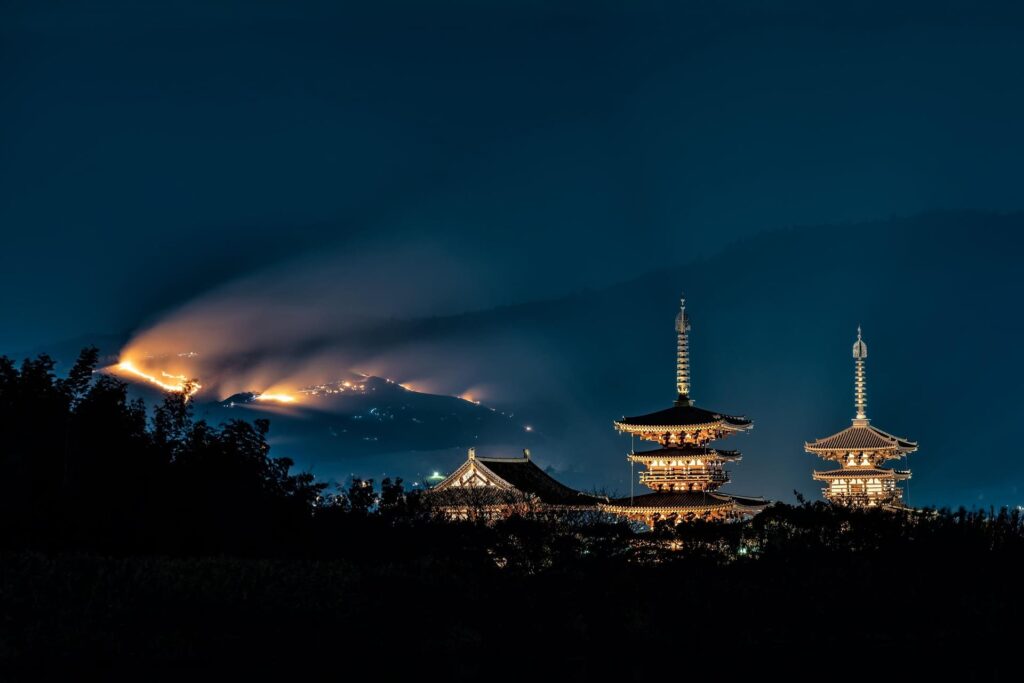
- Best viewpoint: Nigatsu-do for city views and a peaceful temple atmosphere. The outdoor area is open all hours and free to visit.
- Best photo stop: Sarusawa Pond for reflections of Kofuku-ji’s five-storied pagoda.
- Best area to see deer: Open parts of Nara Park, where many deer rest after sunset.
- Best dinner area: Higashimuki, Sanjo-dori, and Naramachi.
- Best for first-time visitors: A simple self-guided route from Kintetsu Nara Station, or a guided evening walk if you want a clear route through darker park sections.
What Is Actually Open in Nara at Night?
One of the biggest misconceptions about Nara is that everything becomes useless after 5:00 PM. In reality, outdoor sightseeing still works very well — but you need to understand what changes after dark.
| Category | What to Expect at Night |
|---|---|
| Temple interiors | Usually closed in the late afternoon, so expect exterior views only. |
| Outdoor viewpoints | Still worth visiting. Nigatsu-do’s outdoor area is open all hours and free of charge, which makes it one of the strongest evening stops in Nara. |
| Nara Park | Open as a public area, but much darker and quieter than during the day. |
| Restaurants | Most reliable near Kintetsu Nara Station, Sanjo-dori, Higashimuki, and Naramachi. Check individual closing times before you commit to dinner. |
| Shops and attractions | Many close by early evening, so do not expect daytime-style sightseeing after dark. |
The key is to think of Nara at night as an evening walk with dinner and scenery, not as a full second round of daytime sightseeing. Plan your daytime visits to Todaiji, Kasuga Taisha, and the Nara National Museum before sunset, and keep the evening for the quieter side of the city.
Kai’s tip: The mistake I see travelers make is saving “just one temple” for the evening. In Nara, that usually means arriving after the interior has closed and feeling disappointed. I always tell readers to do the paid halls and museums first, then treat the night as a walking route built around open-air places.
Best Things to Do in Nara at Night
If you are wondering what to do after sunset, these are the most worthwhile ways to spend an evening in Nara.
1. Enjoy the Night View from Nigatsu-do
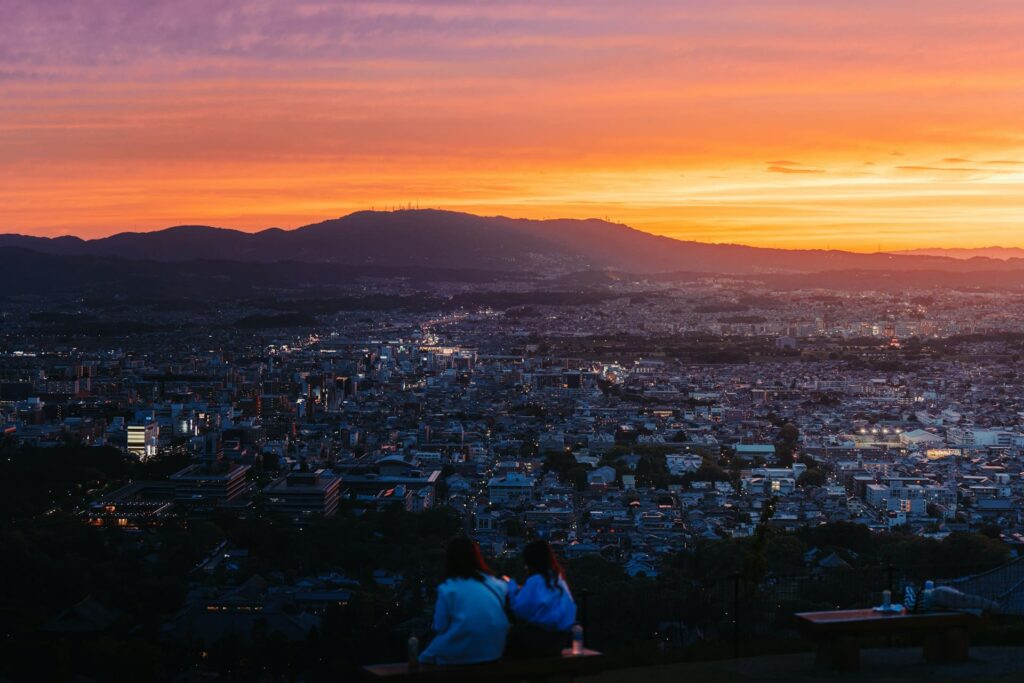
Nigatsu-do is one of the best places to visit in Nara at night. Even after the larger temple buildings close, the outdoor area remains accessible all hours and is free of charge. The elevated wooden terrace offers a wide view over the city, and the lantern-lit approach creates a memorable atmosphere after dark.
If you only have time for one night stop in Nara, make it this one. It gives the clearest answer to the question of whether Nara is worth staying for after dark.
Good to know: The outdoor area is the main evening draw. Interior areas and nearby temple facilities have their own visiting hours, so check official information if you are planning daytime entry as well.
2. Walk to Sarusawa Pond for Reflections and Evening Atmosphere
Sarusawa Pond is an easy and rewarding stop after sunset. The water reflects the five-storied pagoda of Kofuku-ji Temple and the surrounding willow trees, creating one of the most photogenic night scenes in central Nara. It is widely considered one of the best photo spots in the city.
This is also a practical stop because it connects well with Naramachi and the restaurant areas near the station. That makes it easy to combine sightseeing and dinner without backtracking through the darker parts of the park.
3. See the Deer in Their Calmer Nighttime Routine
Nara’s deer are one of the main reasons many travelers stay late. At night, they are usually far less active than during the day and often rest in groups across open areas of the park. The atmosphere is completely different from the daytime feeding crowds. If you are also exploring earlier in the day, check out our guide to the deer park for feeding rules and the best times to visit.
Good to know: Avoid feeding or disturbing the deer at night. Keep a respectful distance, stay quiet, and avoid strong flash photography.
Kai’s tip: What catches people out is that the deer still feel approachable because they are so familiar during the day. At night, I think of them less as a tourist attraction and more as wildlife that needs space. Use night mode, stay on the path, and let the quiet be part of the experience.
4. Take a Quiet Walk Through Naramachi
Naramachi feels especially pleasant in the evening. The old merchant district is quieter after dark, and the streets, traditional facades, and small bars create a more intimate atmosphere than the busier park area.
This is a strong option for travelers who want a slower evening instead of a long park walk in the dark. Opening hours vary by restaurant and bar, so it is smart to choose your dinner area before you start the walk rather than searching only after you get hungry.
5. End the Evening with Dinner Near Kintetsu Nara Station or in Naramachi
For many travelers, the best version of Nara at night is simple: a viewpoint, a short walk, and a good dinner. The most reliable dinner zones are Higashimuki, Sanjo-dori, and Naramachi, where you can find izakayas, local cuisine, casual restaurants, and bars in a much more practical setting than the temple area itself.
A Simple Evening Route for First-Time Visitors
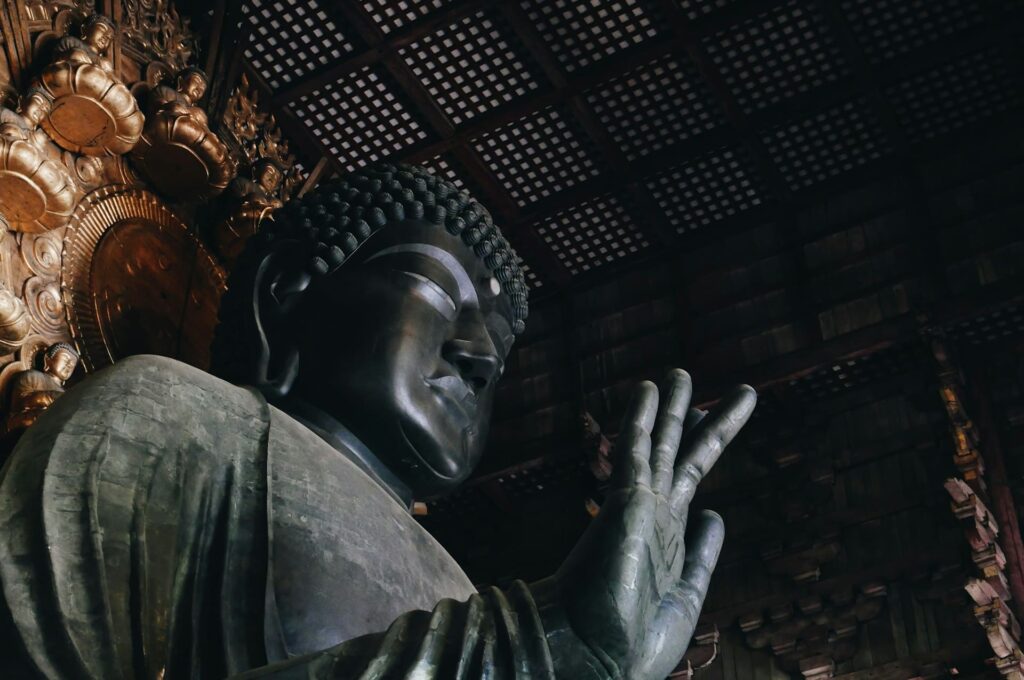
If you want an easy self-guided plan, this route works well for one evening in Nara. Exact walking times depend on your pace, weather, and how often you stop for photos, so use this as a flexible sequence rather than a strict timetable.
- Start near Kintetsu Nara Station in the early evening. This station is closer to the park than JR Nara Station, making it the better starting point for an evening walk.
- Walk toward Nigatsu-do before it gets fully dark. The route climbs gradually and includes steps, so wear comfortable shoes and give yourself more time than a flat city walk would require.
- Enjoy the view from Nigatsu-do. Spend enough time to see the shift from twilight to night if your schedule allows.
- Head back through the main park routes. Stay on the clearer paths and stop quietly to observe the deer resting in open areas.
- Continue to Sarusawa Pond. This is the natural photo stop before dinner, especially if the pagoda reflection is visible.
- Finish with dinner in Naramachi, Sanjo-dori, or Higashimuki. These areas keep you closer to the stations and give you more dinner choices than the temple zone.
This route works best for travelers who want a relaxed evening without trying to cover every major sight in the city. If you start earlier, you can also include exterior views around Kofuku-ji Temple along the way.
Kai’s tip: If I had one evening in Nara, I would decide my dinner area before walking to Nigatsu-do. That small decision keeps the end of the night smooth, because you are not searching for food while tired, cold, or worried about the last train. For most visitors, ending near Higashimuki or Sanjo-dori is the easiest choice.
DIY vs. Guided Tour: Which Is Better for Nara at Night?
Exploring Nara on your own after dark is possible, but it feels very different from daytime sightseeing. Some parts of the park are dim, paths can be uneven, and the experience is better when you already know where you are going. A guided evening walk can make more sense if you want a smoother, more structured visit.
| Criteria | Self-Guided | Guided Evening Walk |
|---|---|---|
| Ease | Best if you are comfortable navigating on your own. | Better if you want a clear route and less guesswork. |
| Atmosphere | Flexible and peaceful, but some park sections can feel dark. | More structured, with local context and planned stops. |
| Dark park sections | Can feel challenging for first-timers. | Easier with a guide who knows the practical route. |
| Cost | Free except dinner and transport. | Check the booking page for the current price, availability, and cancellation terms. |
| Best For | Independent travelers doing a short evening loop. | First-time visitors, families, solo travelers, and anyone who wants more background. |
If you want the simplest way to enjoy Nara after dark without route planning, a guided walk can be a smart choice — especially if this is your first visit, you are staying only one night, or you would rather not navigate the darker park paths alone.
Recommended: A Guided Nara Night Walk Without Route Guesswork
For travelers choosing between a DIY walk and a guided route, this is the point where I would seriously consider booking. The evening route is not difficult, but it becomes much easier when someone else handles the sequence, explains what you are seeing, and keeps the walk focused after the main daytime attractions have closed.
Why I’d book this one
- It matches the actual best night route: The tour focuses on Nara Park, sacred deer, hidden night views, and Nigatsu-do rather than trying to force daytime sightseeing into the evening.
- It solves the biggest nighttime problem: You do not need to guess which darker paths are worth taking or which stops still make sense after closing hours.
- Recent reviewers highlight the same strengths: Travelers repeatedly mention the peaceful atmosphere, night views, knowledgeable guiding, and seeing a quieter side of Nara that they would not have found as easily alone.
Recommended for: First-time visitors, solo travelers, families with older children, photographers, and anyone who wants a calm evening route with local context.
| Option | Best For | Price | Main Trade-Off |
|---|---|---|---|
| Self-guided evening loop | Independent travelers who like flexible walking | Free except dinner and transport | You need to manage route, darkness, timing, and last train yourself. |
| Guided Nara After Dark walk | First-timers who want a smoother route and explanation | Check current price on booking page | Less flexible than wandering alone, but much easier to execute. |
Seasonal Night Events in Nara
Most of the experiences in this guide work as regular evening activities, but some visitors may also catch special seasonal night events. These can add extra lighting and atmosphere to your evening walk.
If your travel dates line up with one of these events, Nara at night becomes even more memorable. Dates, venues, fees, and entry rules can change, so always confirm the latest details on the official event or Nara tourism pages before building your itinerary around them.
February: Nara Rurie – Blue Illumination
Nara Rurie is a winter illumination event usually held around the week leading up to Valentine’s Day. Central Nara locations around the park and major temple-shrine area are lit in blue, creating a calm, atmospheric glow.
Typical pattern: Evening illumination, often around 6:00 PM to 9:00 PM. Exact dates, entry rules, and venues should be checked each year.
February: Setsubun Mantoro at Kasuga Taisha
On Setsubun, Kasuga Taisha Shrine lights many of its stone and bronze lanterns along the approach and within the shrine grounds. This is one of Nara’s most atmospheric shrine experiences if your dates align.
Typical pattern: Held around Setsubun in early February. Special evening access, lighting times, and fees may apply, so confirm with Kasuga Taisha before visiting.
August: Nara Tokae – Lantern Festival
Nara Tokae is the city’s major summer lantern festival, usually held in early to mid-August around Nara Park and nearby historic areas. Candlelight across the park gives the city a completely different evening mood from the rest of the year.
Typical pattern: Often held from August 5 to August 14, with evening candle displays. Weather, venues, and participation details can vary.
Note: Seasonal events are worth planning around, but they are also the easiest part of a Nara night itinerary to get wrong. Check the official Nara City Tourism website or individual event pages before you commit to hotels, dinner reservations, or return trains.
Night Photo Tips for Nara
Nara’s evening scenery is highly photogenic, but low light in the park can be challenging. Here are a few practical tips:
- Use your phone’s night mode: Most modern smartphones handle low-light scenes well. Hold steady after pressing the shutter rather than moving immediately.
- Be careful with tripods: Some paths are uneven, and crowded event nights can make tripods impractical. A small support can help around Sarusawa Pond if you are shooting reflections.
- Best spots for night photos: Sarusawa Pond for reflections, Nigatsu-do for city views, and Kasuga Taisha approach on special lantern nights.
- Avoid strong flash with deer: Flash can startle resting deer. Use available light or night mode instead.
- Arrive before full darkness: Reaching Nigatsu-do around sunset gives you both twilight and night shots in one visit. Check sunset time on your weather app for your travel date.
Should You Stay Overnight in Nara?
A common question among travelers is whether to stay overnight in Nara or return to Kyoto or Osaka after dinner. Here is how to decide:
| Situation | Stay Overnight | Return to Kyoto/Osaka |
|---|---|---|
| You want a relaxed evening without rushing | Yes — stay. You can enjoy dinner at your own pace. | Possible, but check your last train before the evening starts. |
| You are traveling on a budget | Nara can be good value depending on season and hotel availability. | No accommodation cost in Nara, but factor in train fare and late return fatigue. |
| You want to see seasonal illuminations | Often the easier choice because events run into the evening. | Possible only if your return train timing works comfortably. |
| You are on a tight itinerary | Staying can save travel time the next morning. | Fine if you have already seen everything you wanted in Nara. |
| You want nightlife beyond dinner | Nara is quiet — you may prefer Kyoto or Osaka if you want more evening options. | Better choice for travelers who want a livelier evening. |
Last train note: If you choose to return, check your route before sunset using Google Maps, Navitime, or your preferred transit app. Last trains vary by line, day, and destination, and it is much easier to enjoy the evening when you already know your latest comfortable departure.
Where to Eat in Nara at Night
Nara is not a late-night food city in the same way as Osaka, but finding dinner after sunset is usually easy if you stay near the right areas. The temple zone becomes quiet quickly, so it is better to plan dinner around the station streets or Naramachi rather than around Todaiji itself. For specific recommendations, check out our full guide to the best Nara restaurants.
Best Areas for Dinner and Drinks
- Higashimuki Shopping Street: A convenient area near Kintetsu Nara Station with casual restaurants, izakayas, and cafes. Easy access after an evening walk.
- Sanjo-dori: A practical option for travelers returning toward the stations, with a mix of local dining and familiar choices.
- Naramachi: Best for a slower, more atmospheric meal in a historic setting. Expect smaller restaurants and bars rather than a large nightlife district.
If your main goal is to enjoy Nara at night without overcomplicating the evening, the most reliable plan is simple: visit Nigatsu-do, stop by Sarusawa Pond, and then head to one of these dining areas.
Practical Tips for Visiting Nara at Night
Kai’s tip: I always tell readers not to treat Nara Park at night like a brightly lit city park in Tokyo or Osaka. The main areas are manageable, but some paths become genuinely dark and uneven. Choose a simple route, keep your phone charged, and avoid shortcuts through quiet sections you do not already understand.
- Expect darker paths in the park: Nara Park feels much less illuminated than city streets. Walk carefully and stay on main routes when possible.
- Do the main sightseeing first: Most temple interiors and daytime attractions close in the late afternoon. Visit Todaiji and Kasuga Taisha before sunset, then use the evening for views, walking, and dinner.
- Plan your dinner area in advance: The best choices are near Kintetsu Nara Station, Sanjo-dori, Higashimuki, and Naramachi. Restaurants in the temple area close earlier.
- Keep your last train in mind: If you are not staying overnight in Nara, check your return train before sunset so you can enjoy the evening without rushing back.
- Dress for cooler temperatures: Nara can feel cooler at night than during the day, especially in spring, autumn, and winter. Bring an extra layer when the forecast looks borderline.
- Respect the deer: Avoid feeding them late at night, keep a respectful distance, and do not use strong flash photography.
- Bring a small light: A phone flashlight is usually enough for checking uneven ground, but do not shine it directly at deer or other people.
FAQ: Common Questions About Nara at Night
Is Nara worth staying overnight for?
Yes, especially if you want to see a quieter side of the city. Staying overnight gives you time to enjoy an evening walk, dinner, and a more relaxed atmosphere that most day-trippers miss. It also saves you the return trip to Kyoto or Osaka after dark.
What is still open in Nara after 5:00 PM?
Outdoor areas such as Nara Park, elevated viewpoints like Nigatsu-do, and streets around Naramachi still work well in the evening. Most temple interiors, museums, and souvenir shops close earlier, so check official hours if there is a specific indoor attraction you want to visit.
Is Nara Park open 24 hours?
Nara Park is a public area, so you can walk through it at any time. However, that does not mean every nearby attraction is open at night. The park itself is accessible, but it becomes dark in areas without street lighting.
Is it safe to walk alone in Nara at night?
Nara is generally very safe, even for solo travelers. The main concern is visibility, not crime. Some parts of the park are dark and uneven underfoot. Stick to main paths, use a flashlight or your phone, and avoid unnecessary shortcuts. Solo travelers may especially appreciate a guided evening walk for companionship and a clear route.
Can you see deer at night?
Yes. Seeing the deer at night is one of the most memorable parts of staying late in Nara. They are usually much calmer than during the day and often rest in groups near open areas of the park.
Can I feed the deer at night?
It is better not to. Deer crackers are normally a daytime experience, and the deer should be left undisturbed when they are resting. Save feeding for your daytime visit and observe quietly at night.
Are there any night illuminations or light-up events in Nara?
Yes. The main seasonal events include Nara Rurie in February, lantern-related events around Kasuga Taisha, and Nara Tokae in August. These are limited-time events, so check official sources for exact dates, venues, and entry rules before your trip.
Is Nara good for nightlife?
Not in the typical big-city sense. Nara is better for a quiet evening of scenic walking, deer watching, and dinner than for clubs, loud bars, or late-night entertainment. If you want nightlife, Osaka or Kyoto offer much more.
Is a guided Nara night tour worth it?
It can be worth it if you are a first-time visitor, solo traveler, family, or photographer who wants a smoother route after dark. A self-guided walk is possible, but a guide helps with route choice, context, and respectful deer observation.
Final Verdict: Is Nara at Night Worth It for You?
Yes — if you want a quiet, atmospheric evening rather than a packed nightlife schedule. Nara at night is best for travelers who enjoy viewpoints, historic streets, calm deer, and a slower pace after the daytime crowds disappear.
Here is how to decide based on your travel style:
- Choose Nara at night if: You enjoy peaceful evening walks, night photography, seeing deer in a calm setting, and having dinner in a historic district. Also choose it if you want to catch a seasonal illumination event.
- Stay overnight in Nara if: You want a completely unhurried evening, are on a multi-day Kansai trip, or want to save travel time the next morning.
- Return to Kyoto or Osaka if: You prefer big-city evening options, have an early start the next day in a different city, or do not want to change hotels.
- For families: An evening walk works well with older children who can manage the walking distance. For younger children, consider a shorter loop that ends with an early dinner near the station.
- For first-time visitors: A guided evening walk removes the guesswork and helps you see the best night stops without worrying about route planning. If you prefer independence, the self-guided route in this article works well.
- For photographers: Sarusawa Pond at twilight and Nigatsu-do after dark are your must-visit spots. Arrive before full darkness for the best results.
My Recommendation
If you are confident navigating in Japan and only want a short walk, use the self-guided route above. But if this is your first time in Nara, you are traveling solo, or you want the deer, lantern paths, and Nigatsu-do views explained rather than simply seen, I would book the guided evening walk.
It is a good fit because it focuses on exactly what Nara does best after dark: quiet scenery, respectful deer observation, and a route that makes sense after the daytime attractions close.
Check the Nara After Dark guided walk — confirm current price, availability, and meeting details →
If a quiet evening with scenery and good food sounds appealing, staying in Nara after dark can be one of the most memorable parts of your trip. Just plan around the fact that most indoor attractions close early, and treat the evening as a combination of walking, views, and dinner — not a second round of daytime sightseeing.

Hi, I’m Kai. I’m a Tokyo-based travel writer, tourism industry insider, and the author of a published guidebook for international visitors to Japan. With over 10 years of professional experience at a leading Japanese tourism company, my mission is to help you skip the tourist traps and navigate Japan’s best destinations like a local. I believe the perfect day trip is like a traditional kaiseki meal: a beautiful balance of precise planning and unforgettable seasonal discovery. When I’m not out conducting field research, you’ll usually find me drafting new itineraries with one of my favorite fountain pens!