
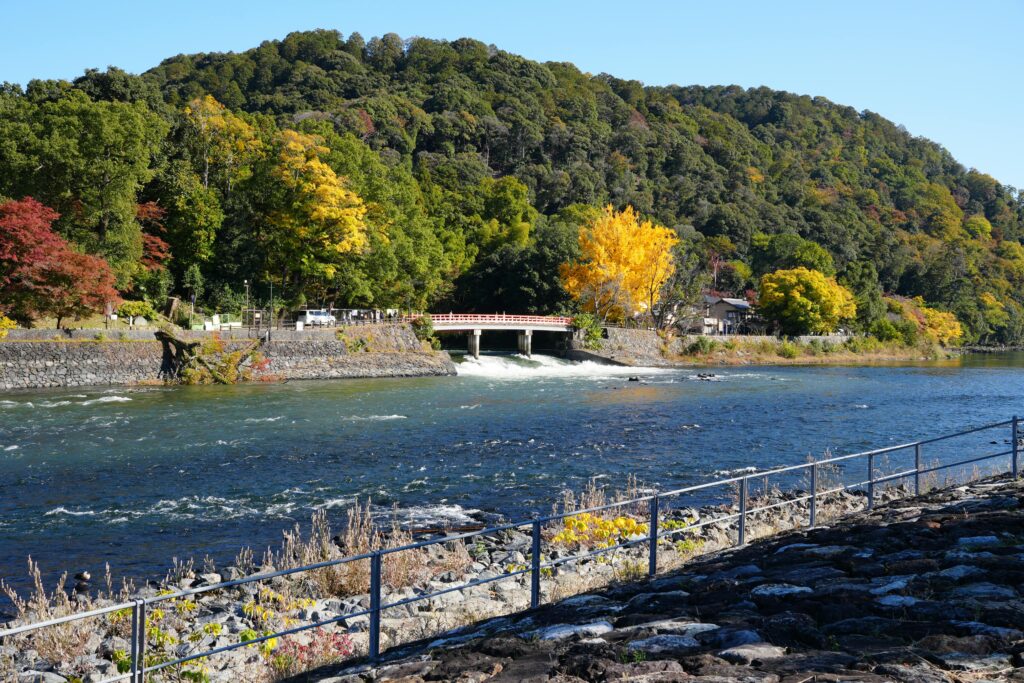
Quick Answer: Uji is an easy day trip from Kyoto: allow about 3–4 hours for Byodo-in Temple, Ujigami Shrine, the Uji River and a matcha stop, or plan 6–7 hours for a tea experience and a museum. Travel from Kyoto Station is direct on the JR Nara Line. If going inside Byodo-in’s Phoenix Hall is a priority, buy the same-day timed ticket soon after arriving; availability can determine the order of your stops.
The half-day and full-day walking routes below show when to visit each stop, with alternative plans if your Phoenix Hall entry time or tea-house queue changes.
Uji Day Trip at a Glance
| Topic | What to Know |
|---|---|
| Best for | Matcha lovers, temple fans, and travelers who want an easy trip from Kyoto without a full-day commitment. |
| Time needed | About 3–4 hours for the main sights; around 6–7 hours with a tea experience or museum. |
| Top sights | Byodo-in Temple, Ujigami Shrine, Byodo-in Omotesando, and the Uji River area. |
| Known for | World Heritage sites, premium green tea, and a compact town center that is easy to explore on foot. |
| Easy from | Direct JR Nara Line from Kyoto Station; Keihan via Chushojima from Gion-Shijo or Sanjo. |
| Key admission cost | Byodo-in garden and Hoshokan Museum: ¥700 per adult; Phoenix Hall interior: additional ¥300, subject to timed-ticket availability. |
Is Uji Worth a Day Trip?
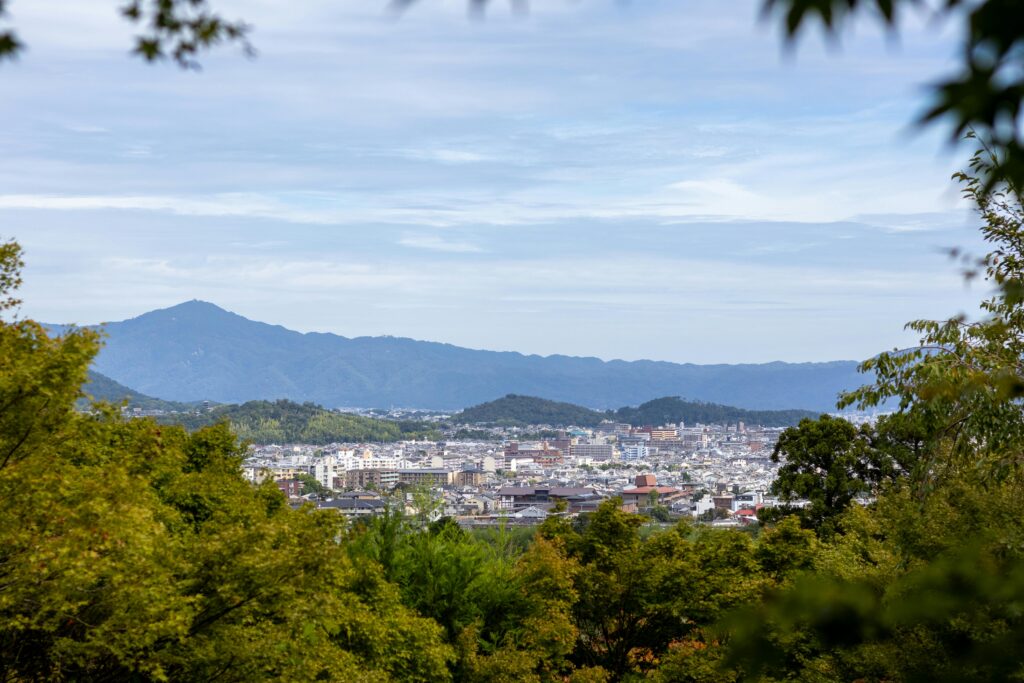
Uji is worth visiting if you want a destination that feels calm, historic, and easy to manage. Unlike larger sightseeing areas, Uji gives you a clear mix of culture and food in a compact area, so you can spend less time in transit and more time actually seeing places.
- Go to Uji if you want: a quieter alternative to Kyoto, a famous temple, excellent matcha, and a walkable itinerary.
- Uji is especially good for: first-time visitors to Kansai, couples, solo travelers, and anyone building a lighter sightseeing day.
- It may be less ideal if you want: a packed full-day city experience with many major attractions close together.
How to Get to Uji from Kyoto
Getting to Uji is simple, but the better station depends on where you are staying and how you want to start your walk.
JR Uji Station vs. Keihan Uji Station
| Station | Best For | Route, Time & Adult Fare (One Way) |
|---|---|---|
| JR Uji Station | Travelers coming from Kyoto Station | Direct JR Nara Line from Kyoto Station; roughly 16–30 minutes depending on service, ¥240. Allow about 10–15 minutes to walk to the Byodo-in area. |
| Keihan Uji Station | Travelers staying near Gion, Sanjo, or the Keihan Line | Keihan via Chushojima: around 30–40 minutes from Gion-Shijo (¥360) or Sanjo (¥400). Allow about 5–10 minutes to reach the Byodo-in approach. |
Choose JR Uji Station if you want the most direct route from Kyoto Station and a straightforward start to the day. Choose Keihan Uji Station if you are already on the Keihan side of Kyoto and want a route that feels a little more scenic from the start.
JR Uji and Keihan Uji are different stations on opposite sides of the central sightseeing area; they are not interchangeable platforms. A practical route is to arrive by JR, visit Byodo-in, cross the river to Ujigami Shrine, then leave by Keihan if your next destination is on that network. If you are returning to Kyoto Station, the JR route is usually simpler. Check the exact day’s timetable before you go.
Walking tip: The main sights can be visited on foot, but allow extra time for bridges, photo stops and finding the correct station. The distances in this guide are approximations, not guaranteed door-to-door timings.
Coming from Osaka
Uji is still easy to visit from Osaka, but the journey usually involves at least one transfer. It works best if Uji is a planned stop rather than a last-minute addition to a busy day.
Best Uji Day Trip Itinerary
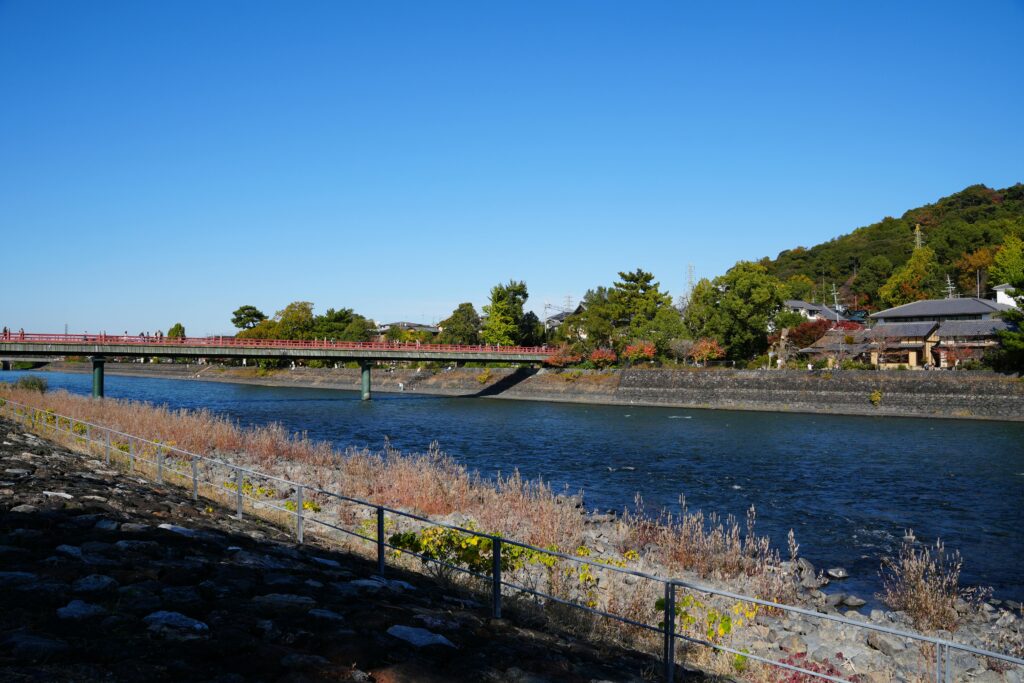
The right plan depends on whether you want a short temple-and-matcha outing or a slower day with extra stops. For most visitors, a half-day itinerary is enough.
| Plan | Best For | How It Feels |
|---|---|---|
| Half-Day Uji Trip | Travelers with limited time | Focus on Byodo-in Temple, tea street snacks, one shrine, and a short riverside walk. |
| Full-Day Uji Trip | Travelers who want a slower pace | Add a sit-down matcha lunch, tea shopping, museums, and extra walking time. |
Recommended Half-Day Walking Route (About 9:00 AM–1:00 PM)
- 9:00 AM — Arrive at JR Uji Station or Keihan Uji Station. Walk toward Byodo-in; allow approximately 10–15 minutes from JR Uji or 5–10 minutes from Keihan Uji to the temple approach.
- 9:10–9:25 AM — Pass through Byodo-in Omotesando on your way to the temple without stopping for shopping. If Phoenix Hall interior entry matters to you, go to the ticket desk first.
- 9:25–10:50 AM — Visit Byodo-in Temple. The interior ticket desk opens at 9:10 AM; ask for the next practical time slot and explore the garden and Hoshokan Museum while you wait. This time block assumes a reasonably early slot.
- 10:50–11:50 AM — Cross the Uji River toward Ujigami Shrine. Enjoy the bridges and riverside scenery on the way, then visit the shrine.
- 11:50 AM–1:00 PM — Finish with matcha sweets, tea or an early lunch near Omotesando or the station before returning to Kyoto.
Plan B if Phoenix Hall is busy: Your timed interior visit may fall later than the temple block shown above. Keep the ticket, move the tea stop or riverside walk before the interior visit if practical, and return at least five minutes before your assigned time. Byodo-in currently allows visitors with a valid, unused Phoenix Hall interior ticket to re-enter the precinct while waiting; ordinary re-entry is not allowed, and re-entry ends once the interior visit is complete. Do not risk missing the slot: missed sessions cannot be changed or refunded.
How to Turn It into a Full-Day Trip (About 9:00 AM–4:00 PM)
If you have more time, keep the same route but move more slowly. Add a proper tea break, extra shopping on Omotesando, more time around the Uji River, or another cultural stop before heading back.
| Suggested Time | Stop | What to Do |
|---|---|---|
| 9:00–11:00 AM | Byodo-in Temple | Collect a timed Phoenix Hall ticket first if needed, then see the garden, hall and museum. Adjust the sequence to the assigned slot. |
| 11:00 AM–12:00 PM | Omotesando | Explore tea shops and choose gifts without rushing the morning ticket pickup. |
| 12:00–1:00 PM | Lunch | Try matcha soba or a sit-down meal; famous cafés may require a wait. |
| 1:00–2:00 PM | Uji River and Ujigami Shrine | Cross to the eastern side and visit the shrine well before its 4:00 PM closing time. |
| 2:00–3:00 PM | Genji Museum or tea experience | Choose one, not both, unless you have extra time. Check the museum’s opening days in advance. |
| 3:00–4:00 PM | Tea break and departure | Return to a convenient station or move the tea experience earlier if it has a fixed reservation time. |
Important: This is a sample timetable, not a guarantee of same-day Phoenix Hall entry or tea-experience availability. Book experiences before arrival when required and shift the museum, lunch and tea stops around your confirmed times.
Top Things to Do on a Uji Day Trip
Visit Byodo-in Temple
Byodo-in Temple is the main reason many travelers visit Uji. The Phoenix Hall is one of the most recognizable buildings in Japan, and the pond view is especially beautiful in person. If you are interested in history, do not skip the Hoshokan Museum, which adds useful context and makes the visit feel much richer.
Tip: If you want to see the inside of Phoenix Hall, go early. Timed interior visits are limited and can fill up before midday.
Current Byodo-in admission: The garden and Hoshokan Museum cost ¥700 per adult. The Phoenix Hall interior is an additional ¥300, payable when you collect a timed ticket at the reception inside the garden. Tickets are available only on the day of the visit, starting at about 9:10 AM; phone and email reservations are not accepted. Under the regular schedule, interior sessions run from 9:30 AM to 4:10 PM at 20-minute intervals, with a limit of 35 people per session. The interior talk is in Japanese, but multilingual information leaflets are available on request.
The garden opens 8:45 AM–5:30 PM (last entry 5:15 PM), and Hoshokan Museum opens 9:00 AM–5:00 PM (last entry 4:45 PM). Interior visits can change or be suspended for ceremonies, maintenance or busy seasons, so check the official Byodo-in visitor guide and latest notices before your trip. Bring cash for the additional Phoenix Hall interior ticket. The standard garden-and-museum visit takes about 40–50 minutes without the interior tour or waiting time.
Walk Through Byodo-in Omotesando
This street is one of the best parts of the town and should be part of any Uji day trip. It is lined with tea shops, sweets, gifts, and casual food stops, so it works well both before and after the temple visit.
Most sit-down tea cafés open later than Byodo-in’s garden, so the early-morning window is best used for the temple if interior tickets matter. Return to Omotesando for matcha snacks and shopping once you know your ticket time.
See Ujigami Shrine
After Byodo-in, continue across the river to Ujigami Shrine. It adds a quieter, older atmosphere to the day and gives your itinerary more variety than a temple-only visit.
Ujigami Shrine has free admission and closes at 4:00 PM. The shrine office issues goshuin from 9:00 AM to 3:50 PM. For that reason, it is a better early- or mid-afternoon stop than the very last sight on a long itinerary. You can confirm the visiting hours on the shrine’s official website.
Spend a Little Time by the Uji River
The river area is ideal for slowing down the pace of your trip. Even a short walk across the bridge and along the water helps Uji feel different from Kyoto’s busier sightseeing districts.
Add the Tale of Genji Museum If You Have Time
The Tale of Genji Museum makes sense if you choose the full-day route and are interested in Kyoto’s literary history. It focuses on the Uji chapters of the classic novel and lies on the same eastern side of the river as Ujigami Shrine. Admission is ¥600 for adults, with opening hours of 9:00 AM–5:00 PM (last admission 4:30 PM). It is usually closed on Mondays, or the following day when Monday is a public holiday, as well as over the New Year period. Allow roughly 45–60 minutes, or skip it in favor of a booked tea experience if you only have one free afternoon hour. Check the official museum visitor information for the day you plan to visit.
Uji Food Guide: Best Matcha Stops for Different Travel Styles
One of the best reasons to take a Uji day trip is how easy it is to build tea and food into your route. Instead of treating matcha as a quick dessert stop, plan at least one proper tea break or lunch so the town feels different from a standard temple visit.
Nakamura Tokichi Main Store
This is the best choice if you want one of Uji’s most famous tea experiences. The parfaits and tea-based desserts are the main draw, and many visitors come here specifically for a classic matcha break. The downside is the wait, which can be long at busy times.
Best for: Travelers who want a famous name and do not mind waiting.
Keep in mind: Visit earlier in the day or be ready to adjust your schedule if the line is long.
The original Nakamura Tokichi main store is about one minute from JR Uji Station and has a full-service café; its regular café hours are 10:00 AM–5:30 PM, with final entry at 4:00 PM. The Byodo-in branch on Omotesando has a different, self-service café format, which may suit visitors who are already near the temple. Neither café accepts seat reservations, so do not base a tightly timed Phoenix Hall visit on getting an immediate table. Check the official store information for changes.
Itoh Kyuemon
This is a good option if you want a more complete meal during your Uji day trip. Matcha soba, seasonal sweets, and a large gift selection make it especially useful for travelers who want lunch and souvenir shopping in one stop.
Best for: A sit-down lunch and takeaway gifts.
Keep in mind: It works well as a planned meal stop rather than a quick snack break.
Itoh Kyuemon’s Uji Main Store is approximately five minutes on foot from Keihan Uji Station; the teahouse generally operates 10:00 AM–6:00 PM (last order 5:30 PM), although reception can end earlier when crowded. This location is especially practical if you are arriving or leaving on the Keihan side. Check the official teahouse page before setting your lunch time.
Byodo-in Omotesando
If you prefer flexibility, this is the easiest area to explore. You can try soft serve, tea sweets, snacks, and packaged tea without committing to a long meal. It is the best choice for travelers who want to sample several things while walking between the station, temple, and river area.
Best for: Casual snacking, quick matcha stops, and gift shopping.
Keep in mind: This is the easiest place to keep your itinerary flexible.
Matcha and Tea Experiences in Uji
If you want to do more than order dessert, choose a reserved tea session rather than trying to fit one spontaneously between temple stops. Two practical options are Taihoan and Chazuna, but they serve slightly different interests.
- Taihoan Municipal Tea House: A traditional tea-service option near the Byodo-in side of town. A bowl of usucha (thin matcha) costs ¥1,500, with advance booking preferred; the hands-on tea-making experience costs ¥3,600 and requires booking at least three days ahead. Taihoan generally closes from December 21 to January 9 and at month-end (or the last preceding weekday when month-end is a weekend or holiday), so check the operating date before booking. Book online in advance or buy on the day if spaces remain, and collect your entry ticket at the Uji Tourist Center; see the Uji City official guide.
- Chazuna (Tea and Uji Town Historical Park): A cultural museum and activity center close to Keihan Uji Station, open 9:00 AM–5:00 PM (museum last entry 4:30 PM). Experiences can include matcha preparation, tea-related crafts or seasonal programs; the schedule and fees depend on the activity. Booking ahead is recommended, with walk-in participation possible only if places remain. Check the official Chazuna schedule before traveling.
For a short Uji visit, pick either a relaxed café stop or one booked activity. Trying to do both a long café queue and a tea ceremony can turn an easy half-day outing into a rushed one.
Should You Combine Uji with Nara or Fushimi Inari?
For most travelers, Uji works very well on its own as a half-day or relaxed full-day trip from Kyoto. Adding Nara only makes sense if you want a busier sightseeing day and are comfortable spending more time in transit.
| Option | Best For | What to Expect |
|---|---|---|
| Uji Only | Travelers who want a calm, easy day trip | More time for temples, matcha, shopping, and a slower pace. |
| Uji + Nara by Train | Independent travelers with strong energy levels | Possible in one day, but it involves more walking, more timing pressure, and a tighter schedule. |
| Uji + Nara Guided Tour | Travelers who want both destinations with less planning | A more structured day with transportation handled for you. |
| Uji + Fushimi Inari | Travelers wanting two stops on the JR Nara Line | Often more convenient than adding Nara. Visit Fushimi Inari earlier or later, but allow extra walking for the shrine’s hillside paths. |
If Uji is your main interest, it is usually better not to rush it. Byodo-in Temple, tea shops, and the river area are close together, but they are most enjoyable when you are not trying to squeeze everything between multiple transfers and another major sightseeing stop. If you have the time, dedicating a separate day trip to Nara from Kyoto allows you to enjoy both destinations without the rush.
When Uji and Fushimi Inari Make More Sense
If you start at Kyoto Station, JR Inari Station for Fushimi Inari is on the same Nara Line used to reach JR Uji Station. That makes a Fushimi Inari and Uji combination relatively straightforward by train. Keep the Uji portion to the main sights if you also plan to climb far up Fushimi Inari’s mountain paths; otherwise, visit the lower shrine area and leave enough time for Byodo-in and a tea stop.
When a Guided Tour Makes Sense
A guided option becomes more useful when your real goal is not a pure Uji day trip, but a broader Kansai highlights day that includes both Uji and Nara. In that case, organized transport can make the day feel smoother and more comfortable.
- Good fit for: Families, senior travelers, and visitors who want to reduce route planning.
- Less ideal for: Travelers who want extra time in tea shops, museums, or quieter corners of Uji.
Check Tour Details: Nara and Uji Day Trip with Deer Park and Hot Spring
Frequently Asked Questions
Is half a day enough for Uji?
Yes. For many travelers, 3 to 4 hours is enough to visit Byodo-in Temple, enjoy matcha, and walk through the main riverside area. A long wait for a Phoenix Hall interior time slot or a booked tea activity can push the trip beyond half a day; choose the full-day plan if either experience is a priority.
Can I visit Uji and Nara in one day?
Yes, but it will feel much more packed than a Uji-only trip. If you want a calm, flexible day, keep Uji on its own. If you mainly want to check off the highlights of both places, combining them can work, just as it does for a fast-paced Kyoto and Nara one day itinerary.
Which station is better for a Uji day trip?
JR Uji Station is usually the easiest choice from Kyoto Station. Keihan Uji Station is more convenient if you are staying near Gion, Sanjo, or other stops along the Keihan Line.
Do I need to reserve Byodo-in Temple in advance?
You can visit the garden and Hoshokan Museum without a timed reservation, but Phoenix Hall interior entry requires an additional same-day timed ticket. These are sold at the garden reception from around 9:10 AM and cannot be reserved in advance by phone or email. If going inside matters to you, make ticket pickup your first major stop.
Where should I eat matcha if I do not want to wait too long?
If you want maximum flexibility, try the shops along Byodo-in Omotesando. If you want a famous tea house experience, be prepared for a longer wait at the most popular places.
Is the hot spring on the guided tour tattoo-friendly?
Tattoo policies vary, so it is best to check directly with the tour operator before booking. If you have visible tattoos, confirm the current rules in advance rather than assuming entry will be allowed.
Final Thoughts on Planning a Uji Day Trip
A Uji day trip is one of the easiest and most rewarding escapes from Kyoto. It is close, walkable, and distinctive enough to feel memorable without requiring a complicated plan. If you want a relaxed day built around tea, history, and a quieter atmosphere, Uji is an excellent choice.
If you also want to see Nara, treat that as a separate decision rather than the default. Uji works best when you give it enough time to enjoy the temple area, the tea streets, and the slower rhythm that makes the town special.

Hi, I’m Kai. I’m a Tokyo-based travel writer, tourism industry insider, and the author of a published guidebook for international visitors to Japan. With over 10 years of professional experience at a leading Japanese tourism company, my mission is to help you skip the tourist traps and navigate Japan’s best destinations like a local. I believe the perfect day trip is like a traditional kaiseki meal: a beautiful balance of precise planning and unforgettable seasonal discovery. When I’m not out conducting field research, you’ll usually find me drafting new itineraries with one of my favorite fountain pens!