
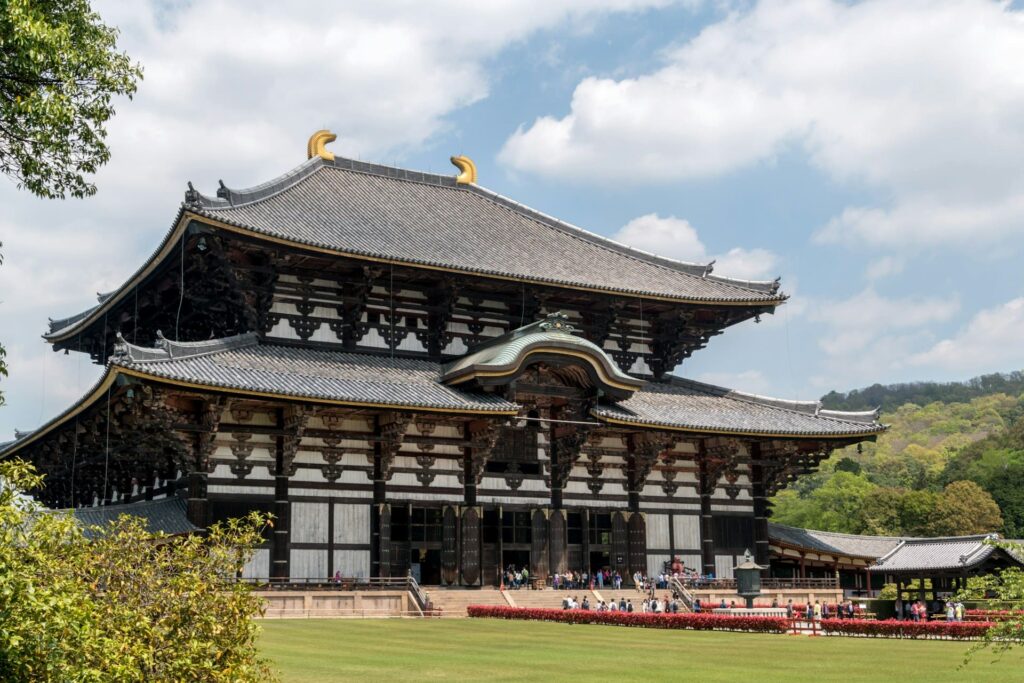
If you are planning a day trip to Nara from Kyoto or Osaka, the easiest choice is usually this: take Kintetsu if you want the most convenient station for sightseeing, and take JR if you already have a JR Pass. For most first-time visitors, the biggest difference is not just the train time, but which station you arrive at.
Quick answer:
- Best overall for most travelers: Kintetsu. It is usually more convenient for Nara Park and the main sights.
- Best for JR Pass holders: JR. The ride is covered, so it is the best-value option if you already have the pass.
- Best from Namba: Kintetsu from Osaka-Namba Station.
- Best from Umeda or Osaka Station: JR from Osaka Station is usually the easiest choice.
- Using an IC card: You can tap in with Suica, ICOCA, or PASMO on regular JR and Kintetsu trains.
For a quick comparison, here is what matters most for travelers choosing between JR and Kintetsu. Travel times and fares can vary slightly depending on the train type and time of day.
At a Glance: JR vs Kintetsu for Nara

| Category | Kintetsu Line | JR Line |
|---|---|---|
| Best for | Most visitors without a JR Pass | JR Pass holders |
| Arrival station | Kintetsu Nara Station | JR Nara Station |
| Distance to Nara Park | About 5 minutes on foot | About 20 minutes on foot or a short bus ride |
| From Kyoto | About 35 to 50 minutes | About 45 minutes on the Miyakoji Rapid |
| From Osaka | Best from Namba area | Best from Umeda or Osaka Station area |
| JR Pass covered? | No | Yes |
The Golden Rule: Kintetsu Nara vs JR Nara Station
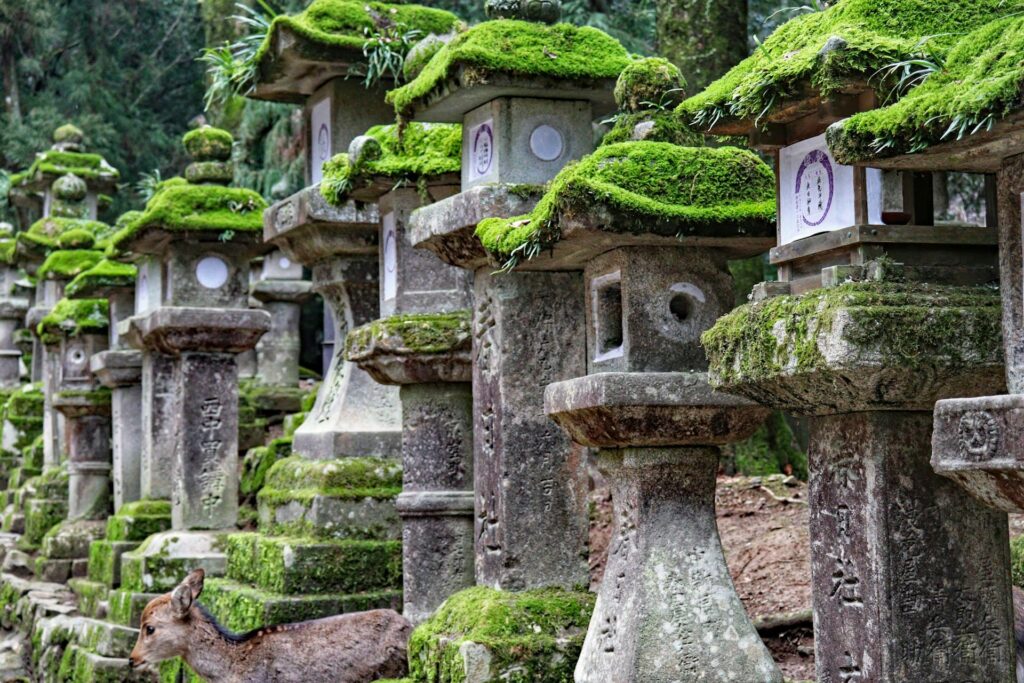
Before you compare train times, you need to know one important fact: Nara has two main stations, and the station you choose can change your entire day trip.
- Kintetsu Nara Station: This is the most convenient station for sightseeing. It is close to Nara Park, and you can usually reach the famous deer area within a few minutes on foot.
- JR Nara Station: This station is farther from the main attractions. You may need to walk around 20 minutes or take a local bus before your sightseeing really begins.
If your priority is the easiest walk to Nara Park, Todai-ji, and the deer area, Kintetsu usually wins. If your priority is using your JR Pass and avoiding extra train fare, JR is the better choice. If you are traveling with bags, both stations have luggage storage and coin lockers available before you head into the park.
How to Get to Nara from Kyoto
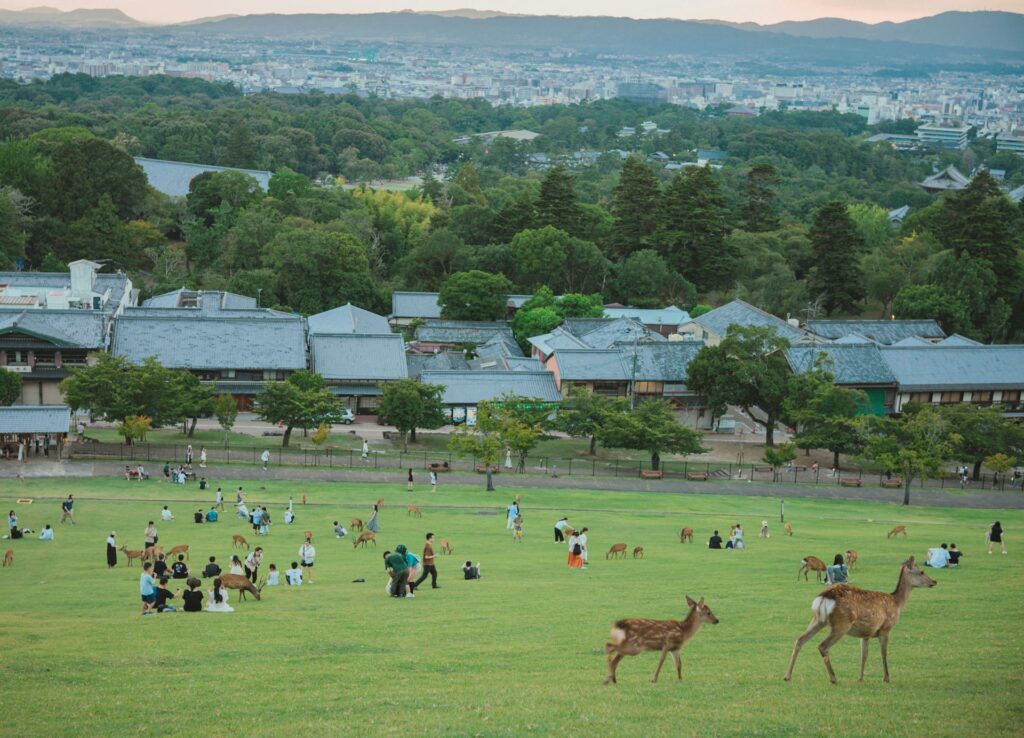
Getting to Nara from Kyoto is simple, and both JR and Kintetsu are good options. The better choice depends on whether you want the closest station or the best value with a JR Pass.
Option 1: Kintetsu Line
Kintetsu is usually the most convenient option for sightseeing because it brings you straight to Kintetsu Nara Station, which is closer to Nara Park.
- Limited Express: About 35 minutes. Roughly 1,250 JPY. Reserved seats only.
- Express: About 45 to 50 minutes. Around 750 JPY. No reservation needed.
Board at Kintetsu Kyoto Station, located inside the Kyoto Station complex.
Option 2: JR Nara Line
If you have a JR Pass, this is the best-value route. From JR Kyoto Station, take the JR Nara Line and look for the Miyakoji Rapid Service. The ride takes about 45 minutes and costs around 720 JPY if you are paying separately.
Avoid the local train if possible. It stops at every station and takes much longer than the Miyakoji Rapid.
Which is better from Kyoto?
Take Kintetsu if you want the easiest arrival for sightseeing. Take JR if you already have a JR Pass and want to save money.
How to Get to Nara from Osaka
The best way to travel to Nara from Osaka depends mostly on where you are staying. This is the most important decision point for Osaka visitors.
From Namba, Shinsaibashi, or Dotonbori
Kintetsu is the best choice if you are staying in southern Osaka. From Osaka-Namba Station, take the Kintetsu Nara Line Rapid Express. The journey takes about 40 minutes, costs around 680 JPY, and arrives at Kintetsu Nara Station, which is the most convenient station for Nara Park.
From Umeda or Osaka Station
JR is usually the easiest option if you are staying in northern Osaka. From JR Osaka Station, take the Yamatoji Rapid Service. The trip takes about 50 minutes, costs around 810 JPY, and arrives at JR Nara Station.
Which is better from Osaka?
- Staying near Namba: Take Kintetsu.
- Staying near Umeda or Osaka Station: Take JR.
- Want the closest station to the sights: Kintetsu is still the more convenient arrival point.
Does the JR Pass Cover the Nara Train?

Yes. If you are searching for nara jr pass information, the JR Pass covers JR trains to Nara from both Kyoto and Osaka. That means the JR Nara Line from Kyoto and the Yamatoji Rapid from Osaka are included.
However, the JR Pass does not cover Kintetsu. So even though Kintetsu is often more convenient for sightseeing, you will need to pay separately if you choose it.
This is why the best answer is usually simple: JR is best if you already have a JR Pass, but Kintetsu is often better if you want the easiest arrival for a Nara day trip.
Want a smoother day trip after you arrive?
Once you get to Nara, the next challenge is making the most of your time. The park is large, the temple area is spread out, and it is easy to waste time walking in the wrong direction. A private local guide can help you move efficiently, understand the history, and see more in one day.
Check Availability: Nara: Private Tour with Deer Park & Temples (Licensed Guide)
Frequently Asked Questions
Which station is better for Nara Park: JR Nara or Kintetsu Nara?
Kintetsu Nara Station is better for most visitors. It is much closer to Nara Park, the deer area, and the main sightseeing zone. JR Nara Station is still usable, but you should expect a longer walk or a short bus ride.
Is Kintetsu worth paying for if I do not have a JR Pass?
Yes, in many cases it is. Kintetsu is often the better choice for travelers without a JR Pass because it combines easy access, competitive fares, and a more convenient arrival point. If your main goal is a simple and efficient Nara day trip, Kintetsu is usually worth it.
Can I use an IC card like Suica, ICOCA, or PASMO?
Yes. You can use an IC card on regular JR and Kintetsu trains to Nara. Just tap in and out at the gates. The main exception is the Kintetsu Limited Express, which requires an additional limited express ticket on top of the base fare.
Can I visit Nara from Tokyo as a day trip?
It is possible, but it is not the best use of your time. There is no direct Shinkansen to Nara, so you will first need to travel to Kyoto and then transfer to JR or Kintetsu. In practice, a round trip takes most of the day, which makes sightseeing feel rushed. Nara is much better as a day trip from Kyoto or Osaka.
Can I visit Nara as a half-day trip from Kyoto or Osaka?
Yes, especially from Kyoto or Osaka. If you start early and use the most convenient route, you can see the deer park area, Todai-ji, and a few major sights in half a day. For a more relaxed pace, a full day is still the better choice. Following a clear Nara day trip itinerary can help you make the most of your time.
Final Verdict: Which Train Should You Choose?
If you just want the simplest answer, here it is:
- Choose Kintetsu if you want the most convenient station for sightseeing and you do not have a JR Pass.
- Choose JR if you already have a JR Pass and want the lowest out-of-pocket cost.
- Choose Kintetsu from Osaka-Namba if you are staying near Namba, Shinsaibashi, or Dotonbori.
- Choose JR from Osaka Station if you are staying near Umeda or the Osaka Station area.
For most first-time visitors, Kintetsu is the most convenient way to get to Nara from Kyoto and Osaka because it puts you closer to the places you came to see. But for JR Pass holders, the JR route is still a smart and practical option.
Make your Nara day trip easier: Nara: Private Tour with Deer Park & Temples (Licensed Guide)

Hi, I’m Kai. I’m a Tokyo-based travel writer, tourism industry insider, and the author of a published guidebook for international visitors to Japan. With over 10 years of professional experience at a leading Japanese tourism company, my mission is to help you skip the tourist traps and navigate Japan’s best destinations like a local. I believe the perfect day trip is like a traditional kaiseki meal: a beautiful balance of precise planning and unforgettable seasonal discovery. When I’m not out conducting field research, you’ll usually find me drafting new itineraries with one of my favorite fountain pens!