
Kamakura with kids can be one of the easiest day trips from Tokyo when you keep the plan simple. The families I see enjoy it most usually do not try to cover every famous temple. They choose one strong cultural highlight, one easy food break, and one flexible afternoon option.
For most families, that means starting with the Great Buddha, using Komachi Street for snacks or lunch, and then deciding whether to add Tsurugaoka Hachimangu, Enoshima, or an easier indoor backup like Enoshima Aquarium.
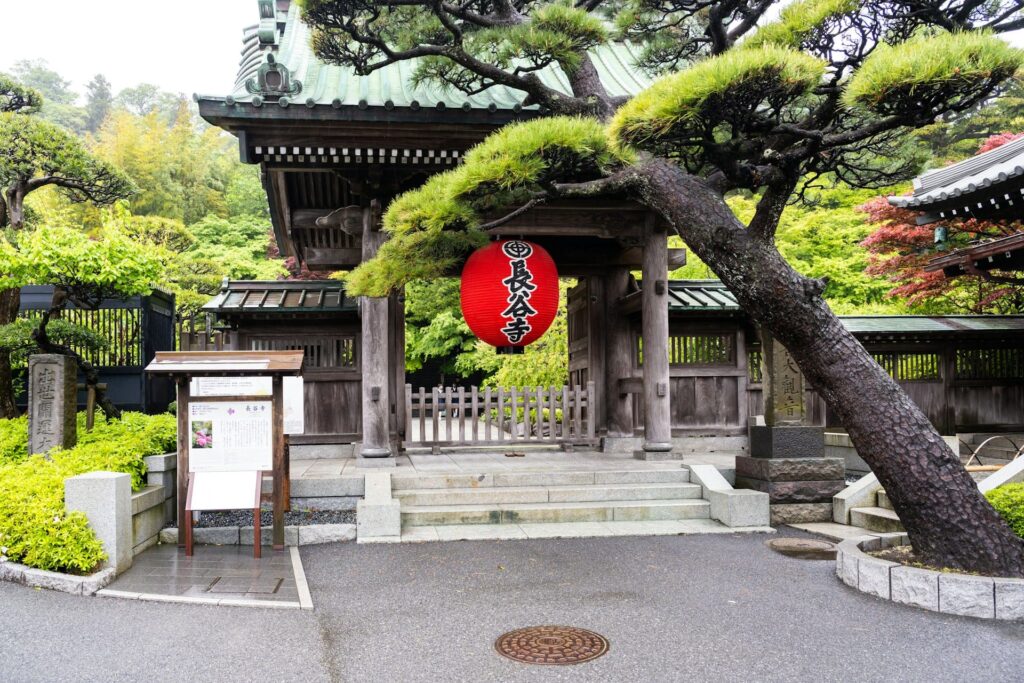
Getting from Tokyo to Kamakura usually takes about one hour by direct JR train, which makes it one of the most manageable family day trips from Tokyo even with younger children. The key is not to treat Kamakura like a checklist. Treat it like a flexible family outing with one clear highlight and several escape routes.
Quick Answer: Is Kamakura Good for Families?
Yes. Kamakura is very good for families, but it works best as a relaxed day trip rather than a temple-hopping mission. Kamakura with kids is easiest when you plan around stroller limits, temple stairs, and crowded local transport.
Here is the short version:
- Best for: Families who want one famous landmark, a relaxed lunch stop, and a flexible afternoon.
- What kids usually enjoy most: The Great Buddha, snack-hopping on Komachi Street, beach views, short train rides, and Enoshima Aquarium.
- The main challenge: Some temples have steep stairs, and the Enoden train can get crowded, especially on weekends and holidays.
- The best setup: Bring a lightweight foldable stroller and a baby carrier.
- The biggest mistake: Trying to do too many temples in one day.
- Getting there from Tokyo: Usually about one hour by direct JR train from Tokyo, Shinagawa, Shinjuku, or Shibuya, depending on your route.
If you want to reduce train transfers and avoid managing crowded local transport with young children, compare a structured Kamakura and Enoshima day tour before deciding.
At a Glance: What Families Should Know Before Visiting Kamakura
| Question | What to Expect |
|---|---|
| Is Kamakura worth it with kids? | Yes. It is a strong Tokyo day trip if your family likes easy sightseeing, snacks, and one or two memorable stops. |
| How do you get there from Tokyo? | Take the JR Yokosuka Line or JR Shonan-Shinjuku Line directly to Kamakura Station. The ride is usually about one hour from central Tokyo, but always check a route app for current times, fares, and platform details. |
| Best first stop | The Great Buddha is the easiest and most rewarding first stop for most families. |
| Most stroller-friendly area | The Great Buddha area and the main streets around Kamakura Station are among the easiest places to manage with a stroller. |
| Hardest part of the day | Temple stairs and crowded Enoden rides, especially late morning, midday, weekends, and holidays. |
| Best rainy-day backup | Enoshima Aquarium is usually the safest fallback if kids are tired or the weather turns bad. |
| Best strategy | Keep your route short, start early, and leave before the late-afternoon crowd builds. |
Getting from Tokyo to Kamakura with Kids
If you are wondering how complicated the train ride is with children, here is the good news: Kamakura is one of the easier day trips from Tokyo by train because several routes do not require a transfer.
JR Yokosuka Line from Tokyo or Shinagawa
- Route: Direct train from Tokyo Station or Shinagawa Station to Kamakura Station.
- Travel time: Usually about one hour from Tokyo Station.
- Fare: Fares vary by route and date, so check a route app before travel. Children are usually charged a reduced child fare on JR lines.
- Payment: IC cards such as Suica and Pasmo are accepted on standard JR routes.
JR Shonan-Shinjuku Line from Shinjuku or Shibuya
- Route: Direct train from Shinjuku or Shibuya to Kamakura Station on many services.
- Travel time: Usually about one hour, depending on your departure station and service.
- Best for: Families staying around Shinjuku, Shibuya, or Ikebukuro.
- Tip: Check current train times before leaving, especially if you are trying to avoid transfers with a stroller.
Family Tips for the Train Ride
- Avoid weekday rush hour if possible. Trains out of central Tokyo can still feel stressful with bags, strollers, and small children.
- Use the restroom before boarding. With young children, do not rely on onboard toilets on regular commuter trains; use station restrooms before the ride.
- Be ready to fold the stroller. You may be able to keep it open when the train is quiet, but crowded trains are much easier if your stroller folds quickly.
- Pack snacks and drinks before you leave Tokyo. Kamakura has plenty of food options, but the first hour of travel is smoother if kids are already settled.
Kai’s tip: The mistake I see travelers make is treating the one-hour train ride as the easy part of the day. With children, the hard moment is often not the ride itself but the station transition: finding the right platform, folding the stroller, and getting everyone through the ticket gates. I always tell readers to prepare drinks, toilet breaks, and stroller folding before they reach the platform.
Alternative: Odakyu Enoshima-Kamakura Freepass
If you are staying near Shinjuku and also plan to visit Enoshima, the Odakyu Enoshima-Kamakura Freepass can be good value. It usually includes a round trip on Odakyu lines plus local travel in the Enoshima and Kamakura area, but the exact price and conditions can change, so check Odakyu’s official information before travel.
The trade-off is that it is usually slower than the direct JR route to Kamakura Station. You travel via Fujisawa and then use local lines, so it is better for families who specifically want Enoshima included, not for families who simply want the easiest route to central Kamakura.
Best Things to Do in Kamakura with Kids
If you are deciding whether Kamakura is a good fit for your family, these are the stops that usually work best with children.
The Great Buddha: Kamakura Daibutsu at Kotoku-in
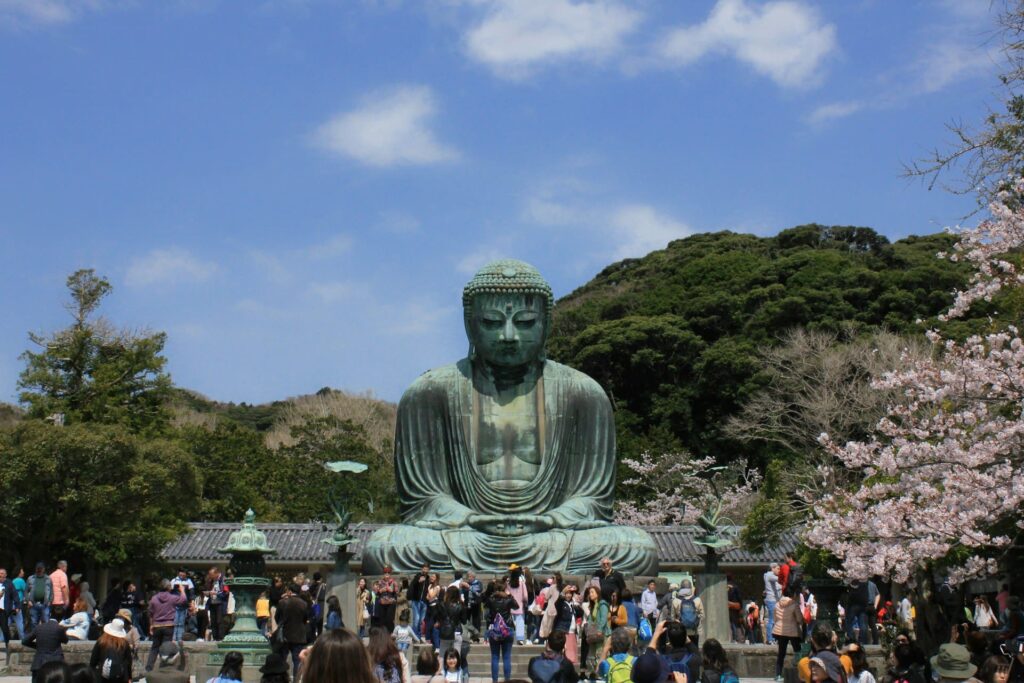
This is the easiest family win in Kamakura. The grounds are relatively flat by Kamakura standards, the giant bronze statue makes a strong first impression, and the visit is short enough for younger kids. It is also one of the few major sights that feels rewarding without a long walk or lots of stairs.
Quick facts for parents:
- Admission: Kotoku-in lists separate adult and child admission, with no charge for children under six. Check the official site before visiting because fees can change.
- Inside the statue: Entry to the interior of the Great Buddha normally requires a small additional fee. The interior is narrow and best for older kids who are comfortable with stairs and enclosed spaces.
- Opening hours: Seasonal hours apply, with different closing times for the temple grounds and the statue interior. Confirm same-day hours before you go.
- Getting there: About 7 to 10 minutes on foot from Hase Station on the Enoden Line, or by bus from Kamakura Station to the Daibutsu-mae stop.
- Stroller reality: The main grounds are relatively flat and easy compared with many other temple areas in Kamakura.
For most families, this is the best first stop because it gives children a clear “wow” moment early in the day. Arriving early usually makes the visit calmer, but crowd levels can vary by season, weather, weekends, and school holidays.
Komachi Street
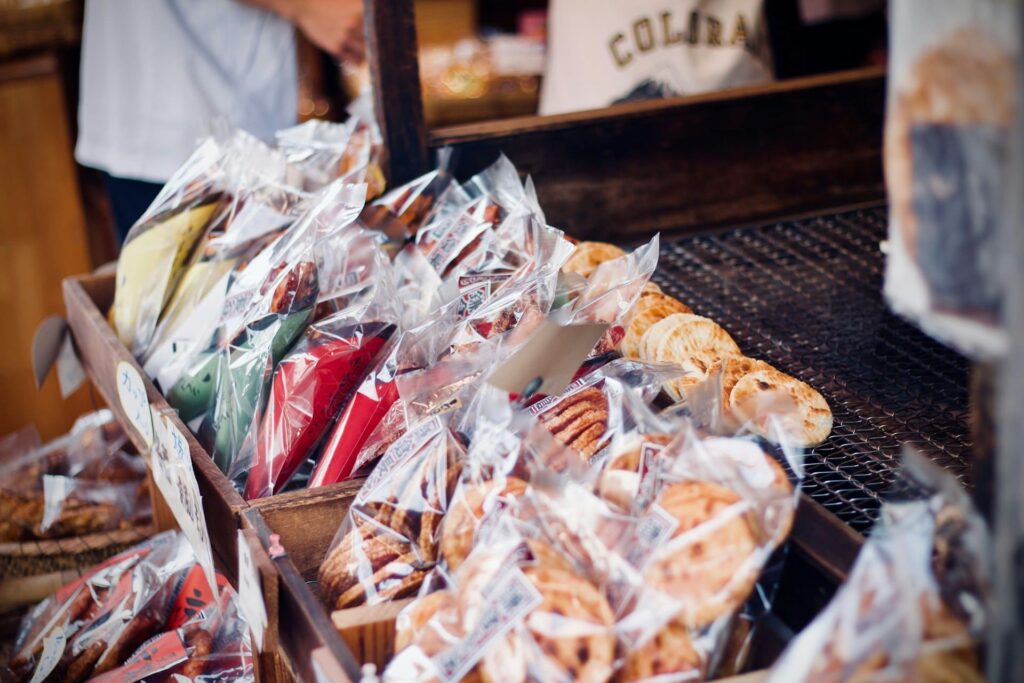
Komachi Street is one of the most useful stops for families because it combines food, quick breaks, and easy browsing near Kamakura Station. It works well as a late-morning snack stop or a simple lunch plan if your kids need familiar food and frequent breaks.
Most shops open around late morning, so Komachi Street is usually better after your first sightseeing stop than as the first destination of the day. Expect more crowds around lunch, weekends, and holidays.
Knowing a few reliable Kamakura restaurants in advance can help you find a family-friendly spot without walking up and down the street with hungry children.
Tsurugaoka Hachimangu Approach
The wide approach to Tsurugaoka Hachimangu is much easier with kids than many smaller temple areas. It gives families a good taste of Kamakura without requiring a difficult hike. The challenge comes at the very end, where the main hall is reached by steep stone steps.
If you have a stroller, treat the approach as the stroller-friendly part and be ready to park the stroller or take turns if you want to go up to the main hall. This stop works best for families whose children still have energy after lunch.
Enoshima Aquarium as a Backup Plan
Not every family needs temples all day. If your child is tired, the weather turns bad, or you want an easier afternoon, Enoshima Aquarium is often the most practical Plan B. It is far easier to manage than forcing one more crowded temple stop.
Quick facts for parents:
- Admission: Enoshima Aquarium lists different admission categories for adults, students, children, and younger children. Check the official page for current prices before you go.
- Standard hours: The aquarium usually publishes seasonal hours, with holiday and summer schedules sometimes differing from the normal pattern.
- Important: Holiday, summer, event, and reservation-based hours can differ. Check the official calendar before you go.
- Getting there: The aquarium is near Enoshima and Katase-Enoshima. From Kamakura, expect to use local transport and allow extra time with children.
- Good for: Babies, toddlers, rainy days, and any child who needs a break from walking and sightseeing.
What Is Actually Stroller-Friendly in Kamakura?
One of the biggest mistakes parents make is assuming Kamakura is either fully stroller-friendly or completely impossible with a stroller. The reality is in the middle.
| Spot | Stroller Reality |
|---|---|
| Great Buddha at Kotoku-in | Easy by Kamakura standards. The main grounds are flat and straightforward for strollers, although some areas may still require care. |
| Komachi Street | Manageable. Best early or outside peak crowd hours. Narrower sections can feel stressful when crowded. |
| Tsurugaoka Hachimangu approach | Mostly easy until the final section. The approach is manageable, but the main hall requires stone steps. |
| Hasedera Temple | Mixed. Some lower areas may be manageable, but upper temple areas involve slopes and stairs. Use stroller parking near the entrance and switch to a carrier if needed. |
| Enoden train transfers | Hard at busy times. Space can be limited, and you may need to fold the stroller and stand. |
| Kamakura Station area | One of the easier reset points. Use the station area for restrooms, drinks, lockers, and regrouping between stops. |
The best rule: bring a small stroller for flat areas, but assume you will sometimes switch to a baby carrier.
Kai’s tip: I do not think of Kamakura as “stroller-friendly” or “not stroller-friendly.” I think of it in zones. Use the stroller around the station, Komachi Street, and the Great Buddha, but assume temples with upper halls, hillside paths, or final staircases are carrier territory.
The Reality: Crowds, Temple Stairs, and the Enoden Train
Kamakura becomes much easier with kids once you accept that the day will go better with fewer stops and more flexibility.
Temple Stairs Are the Biggest Physical Challenge
Many of Kamakura’s historic sites were not designed with strollers in mind. Even when the approach is easy, the final section may involve steep steps. That is why the Great Buddha is such a strong family stop: it gives you a memorable experience without the same physical hassle.
If your child still needs to be carried often, do not build the day around multiple hillside temples. Choose one main cultural stop and keep your afternoon flexible.
The Enoden Looks Fun, but It Can Be the Hardest Part of the Day
Kids often love the idea of riding the Enoden, but parents should plan for the reality. On weekends, holidays, and around midday, the train can be packed. That may mean folding your stroller, standing closely with other passengers, and having very little space to settle a tired child.
If your family is traveling with a baby, a toddler, or a child who still naps, do not build your whole day around multiple Enoden rides. One short ride may be fun. Repeating it across the day is where stress builds.
Kai’s tip: What catches people out is not the first Enoden ride; it is the second or third one, when the child is already tired and the platform is busier. If I had one day with kids, I would use the Enoden only when it clearly saves effort or adds one memorable short ride. I would not make the whole itinerary depend on it.
A Realistic 1-Day Kamakura Itinerary for Families
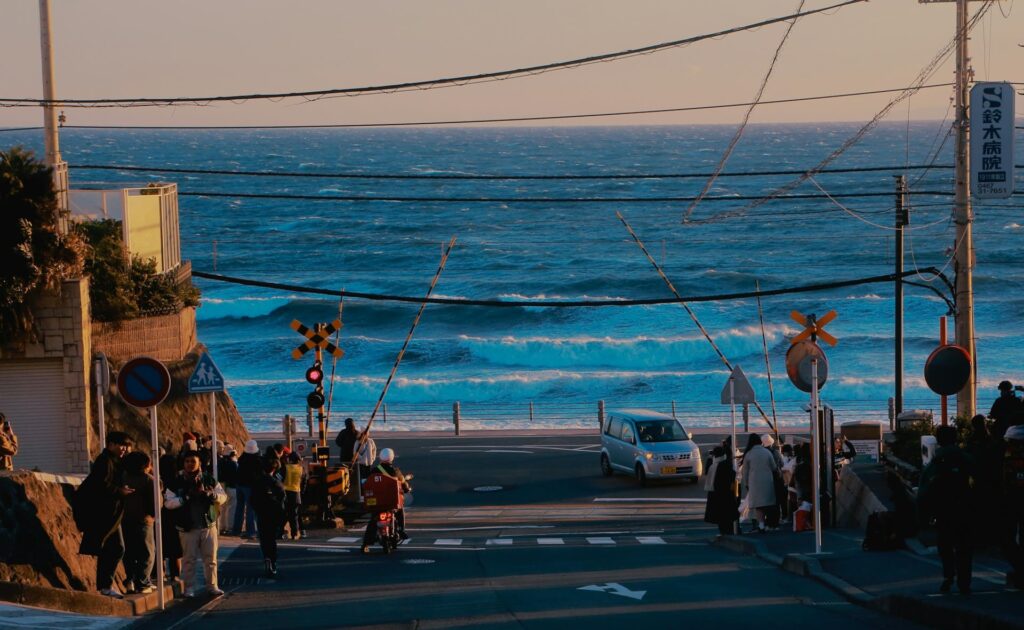
The easiest way to enjoy Kamakura with kids is to keep the day short and predictable. This route gives you a strong first stop, an easy food break, and one flexible afternoon choice.
Morning: Start at the Great Buddha
Begin at Kotoku-in Temple before the biggest crowds build up. This is the most parent-friendly first stop because it is flat, easy to understand, and exciting for children right away. The giant Buddha feels impressive even to younger kids, and older children may enjoy stepping inside it for a small extra fee.
Try to arrive early rather than packing the morning with multiple stops. A calm first stop sets the tone for the whole day.
Late Morning to Lunch: Komachi Street
After the Great Buddha, move toward Komachi Street for snacks and lunch. This is the easiest place to reset the day. Kids can try sweets or simple snacks, and parents have a better chance of finding a low-stress meal than near smaller temple areas.
Most shops open around late morning, so it fits naturally after a morning visit to the Buddha. Knowing a few reliable Kamakura restaurants in advance can also help ensure you find a family-friendly spot without a long wait.
Afternoon: Choose One of These, Not Both
- Option A: Tsurugaoka Hachimangu. Choose this if your kids still have energy and you want one more classic Kamakura sight. The approach is easy, but the final staircase means you should be ready to park the stroller and carry your child if needed.
- Option B: Enoshima Aquarium. Choose this if your child is tired, the weather is not ideal, or you want a more comfortable finish to the day. It is the safer choice for babies, toddlers, and rainy afternoons, and it can also serve as an easy introduction to a broader Enoshima day trip.
Parent tip: Kamakura goes better when you keep the afternoon flexible. A family day trip usually feels more successful when you finish one main cultural stop well rather than forcing too many attractions into the same day.
DIY Train Trip vs. Guided Bus Tour: Which Works Better for Families?
There is no single right answer here. A DIY train day works well for confident travelers who want flexibility. A guided bus tour works better for families who want the easiest possible logistics from Tokyo.
| Feature | DIY Public Trains | Guided Bus Tour |
|---|---|---|
| Transit from Tokyo | Usually simple by JR, but seats are not guaranteed and stations can be busy. | Arranged coach transport reduces navigation stress. |
| Local transport | You may need the Enoden, buses, walking, or taxis depending on your plan. | Major movements are usually structured for you, depending on the tour itinerary. |
| Nap time | Harder on crowded trains and in busy stations. | Often easier to manage because families spend more time seated between stops. |
| Flexibility | Higher. You can change plans as you go. | Lower. You follow the tour schedule and meeting times. |
| Parent stress level | Usually higher, especially on busy days or with a stroller. | Usually lower if your priority is convenience and structure. |
| Best for | Families with older kids, light bags, and confidence using trains. | Babies, toddlers, nap-dependent children, or parents wanting easier logistics. |
A bus tour is usually the better choice for families traveling with babies, toddlers, or children who get overtired easily. It removes much of the pressure of train transfers and crowded local transport, and it can make the whole day feel more manageable.
Recommended Choice for Families Who Want the Smoothest Day
If your main concern is not “Can I reach Kamakura?” but “Can I manage Kamakura, Enoshima, meals, naps, and transport without exhausting everyone?”, this is where a structured day trip makes sense.
Why I’d book this one:
- It reduces the hardest family logistics. The biggest stress points for parents are transfers, crowded local trains, and deciding what to cut when the day starts slipping. Arranged transport gives the day more structure.
- It covers the family-friendly highlights without making you design the route yourself. The booking page lists major Kamakura and Enoshima stops such as Tsurugaoka Hachimangu, Komachi Street, Hase-dera, Kotoku-in, and Enoshima, though the exact order and timing should always be checked before booking.
- Recent traveler feedback supports the convenience angle. Reviewers consistently mention knowledgeable guides, smooth movement between areas, and the value of seeing Kamakura and Enoshima as a break from central Tokyo.
Before booking, confirm the current itinerary, cancellation rules, child pricing, stroller policy, pickup or meeting point, guide language, and return details. Tour schedules and inclusions can change by date.
| Decision Point | DIY Train Day | Guided Day Trip |
|---|---|---|
| Current price | Check current train fares and any attraction fees. | Check current tour price and inclusions on the booking page. |
| Best family type | Older kids, light bags, confident train users. | Babies, toddlers, stroller users, or families wanting fewer decisions. |
| Biggest advantage | You can change plans instantly. | You avoid designing every transfer yourself. |
| Biggest trade-off | You handle crowds, tickets, routes, and backup plans yourself. | You follow the tour schedule and meeting times. |
Kamakura with Kids by Age: Toddlers vs. School-Age Children
The same itinerary does not work for every family. Here is how Kamakura changes depending on your child’s age.
Babies and Toddlers: 0 to 3 Years
- Keep it to two stops max. Start at the Great Buddha, have lunch around Komachi Street, then head back or switch to an easy indoor backup.
- Prioritize the baby carrier. A stroller helps at the station and the Great Buddha, but you will need the carrier for stairs, narrow paths, and crowded trains.
- Use Enoshima Aquarium as your backup. If your toddler is having a rough day, a comfortable aquarium visit may be better than forcing another temple.
- A guided tour is worth considering. Arranged transport can make a real difference if your baby or toddler naps in transit.
Preschool and School-Age Kids: 4 to 12 Years
- You have more options. The Great Buddha, Komachi Street, and one more stop such as Tsurugaoka Hachimangu or Enoshima Aquarium is a realistic day.
- The Great Buddha interior may be a highlight. Many older children enjoy the narrow climb inside the statue, but skip it if your child dislikes tight spaces.
- One Enoden ride is usually enough. Older kids handle the crowding better, but multiple rides can still become tiring.
- DIY works well if your child can walk independently and you are comfortable navigating trains.
Seasonal Tips for Your Kamakura Family Trip
- Spring, March to May: One of the most popular seasons. Cherry blossom periods can be very crowded, especially from late March to early April. Start early and keep the route simple.
- Summer, June to August: Hot, humid, and sometimes rainy. June is typically rainy season, and July to August can be tiring for small children. Build in indoor breaks and carry extra drinks.
- Autumn, September to November: Usually comfortable for walking, with autumn colors later in the season. Popular temple areas can still be busy on weekends.
- Winter, December to February: Often quieter, and clear days can be good for photos, but coastal wind can feel cold. Dress children in layers and avoid overplanning.
Top Survival Tips for Visiting Kamakura with Kids
- Bring both a foldable stroller and a baby carrier. A stroller is helpful around the station area, Komachi Street, and flatter sights like the Great Buddha. A carrier becomes essential when you hit temple stairs, uneven paths, or a crowded train.
- Do not overplan the day. Kamakura is much more enjoyable when you choose one main cultural stop, one food break, and one flexible afternoon option. Trying to fit in too many temples usually leads to tired kids and stressed parents.
- Start early and head back before the late-afternoon rush. Morning is usually the easiest time to enjoy popular sights with children. Leaving earlier also helps you avoid the worst crowding on local trains.
- Keep a rainy-day or meltdown backup ready. If your child is done with temples or the weather changes, switch to a simpler finish like Enoshima Aquarium instead of forcing one more sightseeing stop.
- Use the station area as your reset point. Kamakura Station and the surrounding shopping area are usually the easiest places to regroup, buy drinks, find restrooms, and decide whether your family still has energy for one more stop.
When to Change Plans During the Day
A successful Kamakura family trip depends less on seeing everything and more on knowing when to simplify the plan. It is usually a good idea to switch gears if:
- Your child falls asleep and you need an easier, quieter transfer.
- The Enoden platform or train already looks packed.
- Your toddler is refusing stairs or wants to be carried constantly.
- The weather turns windy, rainy, or too hot for comfortable walking.
- Lunch is running late and everyone is losing energy.
In these moments, the best move is often to skip a second temple and finish with an easier stop, a snack break, or an earlier return to Tokyo.
Kai’s tip: I always tell readers to choose the afternoon plan after lunch, not before breakfast. By then, you know the real condition of your family: who is tired, whether the stroller is becoming annoying, and whether the weather is still comfortable. In Kamakura, changing plans is not a failure; it is usually the reason the day stays enjoyable.
Family Facilities and Practical Notes
The easiest places to manage diaper changes, snack breaks, and short rests are usually around Kamakura Station, along the main shopping areas, and at larger modern attractions. Historic temple grounds are less reliable for family facilities, so it is smart to use station-area restrooms before heading to major sights.
If you are traveling with a baby or toddler, it also helps to treat the station area as your reset point. That is usually the best place to reorganize bags, use Kamakura luggage storage if you have heavy items, buy extra drinks, and decide whether the family still has energy for one more stop.
Carry some cash as a backup. IC cards and credit cards are widely useful in Japan, but smaller food stalls, older shops, and some local facilities may not accept every payment method.
Frequently Asked Questions
Is Kamakura worth visiting with kids?
Yes. Kamakura is a very good family day trip from Tokyo if you keep expectations realistic. It is best for families who want one or two memorable sights, easy food options, and a flexible pace rather than a packed sightseeing schedule.
How do I get from Tokyo to Kamakura with a child?
Take the JR Yokosuka Line from Tokyo or Shinagawa, or the JR Shonan-Shinjuku Line from Shinjuku or Shibuya. The ride usually takes about one hour and often does not require a transfer. Use a Suica or Pasmo card for easy tap-in, and check current fares and train times before travel.
Is Kamakura stroller-friendly?
Partly. Flat areas like the Great Buddha and the streets around Kamakura Station are manageable with a stroller, but several historic sites include steep stone stairs, slopes, or uneven paths. A lightweight stroller plus a baby carrier is the most practical combination.
Can I use the Enoden with a stroller?
Yes, but it is not always easy. During busy periods, space can be limited, and you may need to fold the stroller and stand in a crowded carriage. Families with very young children should avoid relying on multiple Enoden rides in the middle of the day if they want a lower-stress outing.
What is the best rainy-day option in Kamakura with kids?
Enoshima Aquarium is usually the easiest backup plan. It is more comfortable than continuing temple sightseeing in bad weather, and it works especially well for babies, toddlers, and tired children who need a calmer indoor stop.
How much does the Great Buddha cost for a family?
Kotoku-in lists separate adult and child admission, with an additional small fee for entering the Great Buddha statue. Children under six are generally listed as free, but prices and conditions can change, so check the official site before visiting.
Where can I find diaper changing stations or nursing rooms?
Your best options are usually around Kamakura Station, inside larger commercial buildings near the main shopping area, and at major family-friendly attractions. Temple grounds are less dependable for these facilities, so plan restroom breaks before you head into older sightseeing areas.
Is one day enough for Kamakura with kids?
Yes, one day is enough for a very good family visit. In fact, most families enjoy Kamakura more when they keep it to a short, realistic day trip instead of trying to cover too many stops.
Should I book a guided tour or plan the day myself?
If you have older kids, light bags, and are comfortable with Japanese trains, DIY works well. If you are traveling with babies, toddlers, or children who nap in transit, a guided bus tour can reduce transfer stress and make the day easier to manage. Compare the current itinerary, inclusions, meeting point, and child policy before booking.
Final Verdict: Who Should Self-Plan and Who Should Book a Tour?
Kamakura works very well as a family day trip when you keep the route simple. If your kids are happy with one major landmark, a food stop, and one flexible afternoon activity, planning the day yourself can work nicely.
If you are traveling with a baby, a toddler, or a child who still naps in transit, a guided bus tour can be the easier choice. It reduces transfer stress, gives the day more structure, and makes the route feel more predictable.
Best for self-planning: families with older kids, light bags, and a flexible travel style.
Best for a guided tour: families with babies or toddlers, nap-dependent children, stroller users, or parents who want the easiest possible logistics.
My Recommendation
If this is your first Japan trip with young children, I would choose the guided option when your priority is a smoother day rather than maximum flexibility. You can absolutely do Kamakura by train, but the family stress usually comes from the small pieces: crowded platforms, stroller folding, local transfers, lunch timing, and deciding what to cut when kids get tired.
The Kamakura and Enoshima day trip is best for families who want to see the main coastal highlights without building every route themselves. It is not the right fit if you want a slow, fully customized day, but it is the simpler choice if your goal is to reduce parent workload.
Prices, opening hours, transport schedules, pass conditions, tour inclusions, payment methods, seasonal operations, and crowd conditions can change. Always check official sources and your selected booking page before finalizing your trip.

Hi, I’m Kai. I’m a Tokyo-based travel writer, tourism industry insider, and the author of a published guidebook for international visitors to Japan. With over 10 years of professional experience at a leading Japanese tourism company, my mission is to help you skip the tourist traps and navigate Japan’s best destinations like a local. I believe the perfect day trip is like a traditional kaiseki meal: a beautiful balance of precise planning and unforgettable seasonal discovery. When I’m not out conducting field research, you’ll usually find me drafting new itineraries with one of my favorite fountain pens!