
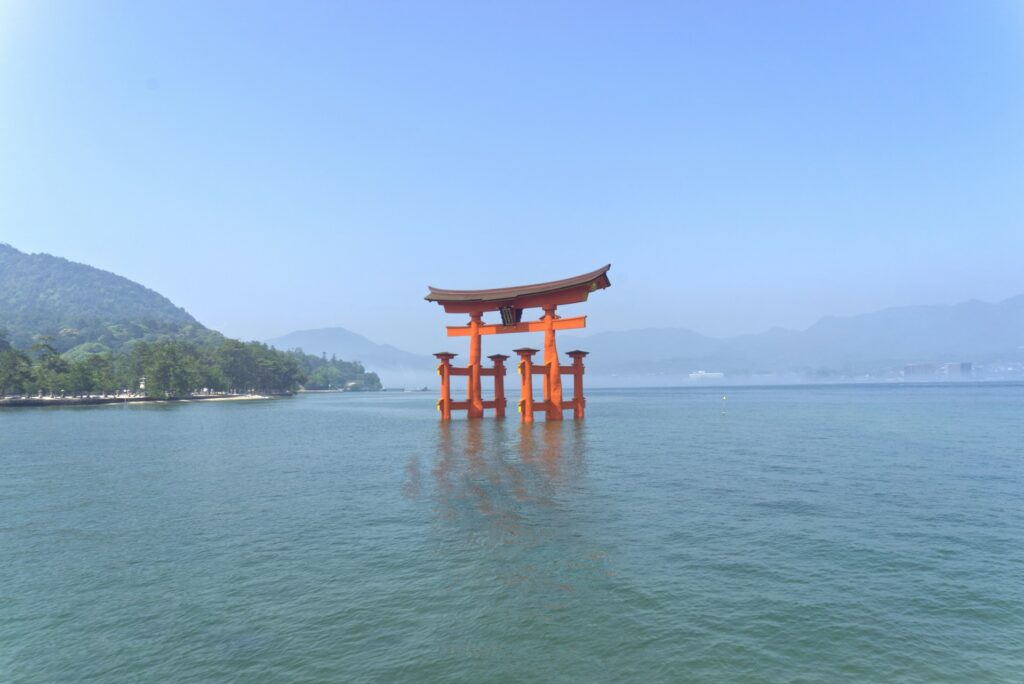
Quick Answer: When is the Best Time to Visit the Miyajima Torii Gate?
The “best” time to visit the Miyajima Torii Gate depends entirely on what you want to experience. Because the gate is built in the Seto Inland Sea, its appearance changes drastically depending on the ocean’s tide.
- To see the gate “floating” on the water: Visit during high tide.
- To walk up to the base of the gate: Visit during low tide.
The tides change every day, with two high tides and two low tides occurring approximately every six hours. This means the time of day you need to arrive will vary depending on your travel dates. Always check the official Miyajima Tourist Association tide table before your trip.
The Magic Numbers: 250cm (Floating) vs. 100cm (Walking)
When you look at a tide chart, the times are just part of the equation. You need to look at the specific tide height (measured in centimeters) to know what to expect:
- 250cm or higher: The water reaches the Itsukushima Shrine boardwalks, and the great Torii gate looks like it is magically floating on the sea.
- 100cm or lower: The water recedes enough for you to walk on the sandy beach right up to the massive pillars of the gate.
Miyajima High Tide vs. Low Tide: Which is Better?
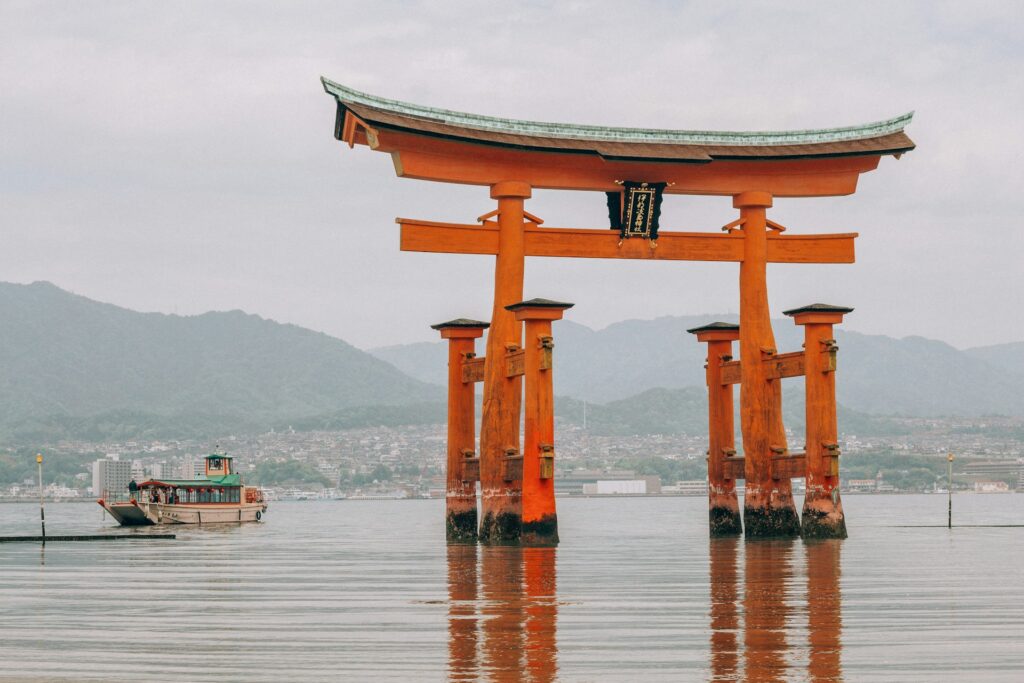
Neither is objectively “better”—they offer completely different experiences. Many travelers try to see both, but if your schedule is tight, you will need to prioritize.
| Feature | High Tide (Over 250cm) | Low Tide (Under 100cm) |
|---|---|---|
| Visual Impact | Iconic, serene, and magical. | Impressive scale and imposing structure. |
| What You Can Do | Take classic reflection photos from the shrine or the shore. | Walk to the base, touch the pillars, and find sea life in the sand. |
| Footwear Needed | Regular comfortable walking shoes. | Waterproof shoes or sneakers you don’t mind getting muddy (avoid heels). |
| Crowd Level | Usually very crowded along the shore for photos. | Crowds spread out onto the beach. |
High Tide: The Classic “Floating” Shrine
This is the iconic view you see in all the guidebooks. When the tide is high, the vibrant vermilion Torii gate reflects beautifully on the water’s surface. The Itsukushima Shrine complex itself is also built over the water on stilts, so during high tide, the entire shrine appears to float. This is the best time for capturing elegant, traditional photos of the gate and the shrine corridors.
Low Tide: Walking Up to the Grand Gate
During low tide, the water pulls back to reveal a wide expanse of sand. This is your chance to walk right up to the 16-meter-tall gate. Standing at the base allows you to appreciate the sheer size of the camphor wood pillars and the thick cypress bark roof. It is a much more interactive and tactile experience. Just be careful: the ground can be slippery with seaweed, and there are small puddles left behind by the receding tide.
Overwhelmed by tide charts and ferry schedules?
Planning a day trip that perfectly times the tides at Miyajima while also fitting in Hiroshima’s Atomic Bomb Dome can be stressful. If you prefer to skip the logistics and let a professional guide handle the complex train and ferry connections, joining a guided tour is highly recommended.
Check availability for the Hiroshima and Miyajima UNESCO Sites 1-Day Tour to seamlessly experience both world heritage sites in a single day without the hassle.
Best Time of Day for Itsukushima Shrine Photos
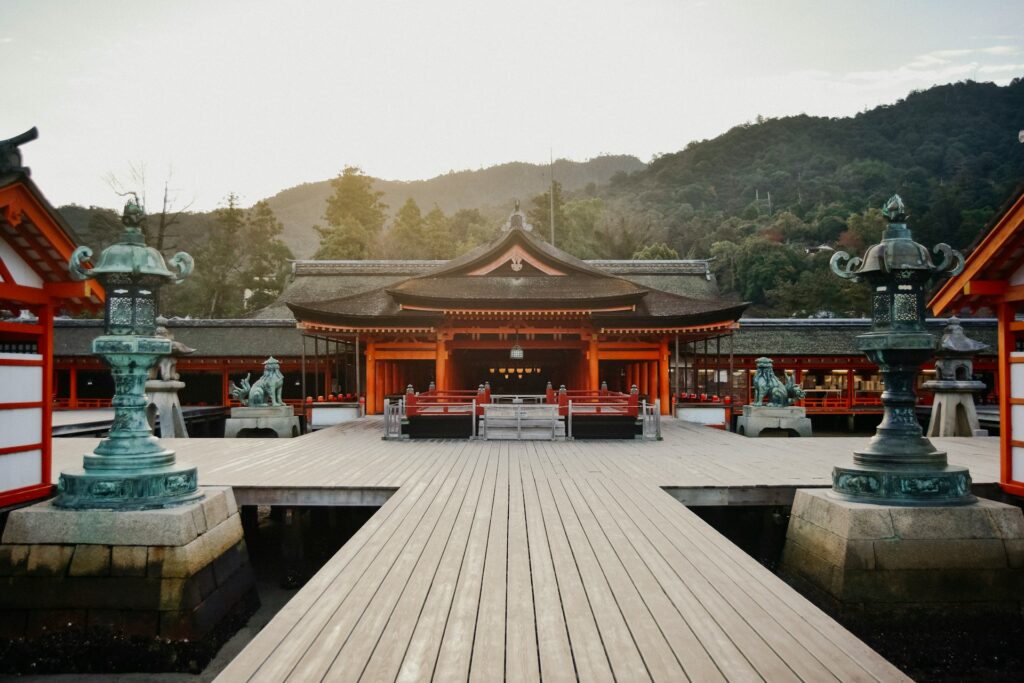
Aside from the ocean tides, the position of the sun plays a massive role in how your photos of the Itsukushima Shrine will turn out. The great Torii gate faces northwest, which means the lighting changes dramatically throughout the day.
- Morning (Early Access): The sun rises behind the shrine, meaning the gate will be backlit. This is ideal for moody, atmospheric silhouette shots. Arriving early also guarantees the fewest crowds, allowing you to enjoy the spiritual atmosphere of the island in peace.
- Afternoon to Late Afternoon: The sun moves to the front of the gate, illuminating its vibrant vermilion color against the blue water. This is the absolute best time for bright, colorful photos.
- Golden Hour and Sunset: Miyajima is famous for its stunning sunsets. The fading light casts a warm glow on the gate. However, be prepared for heavy crowds lining the shoreline with cameras.
How to See Both Tides in One Day (The 6-Hour Rule)
If you have your heart set on seeing the gate floating on the water and walking up to its wooden pillars, you need to plan for the “6-Hour Rule.” Because it takes about six hours to transition from peak high tide to peak low tide, you must commit to a longer stay on the island.
Fortunately, Miyajima is packed with enough attractions to easily fill that gap:
- Hike or take the ropeway up Mount Misen: Enjoy panoramic views of the Seto Inland Sea from the highest peak on the island.
- Visit Daisho-in Temple: A stunning, peaceful Buddhist temple complex located at the base of the mountain, often far less crowded than Itsukushima Shrine.
- Explore Omotesando Shopping Street: Spend an hour or two trying local street food. Do not leave without tasting freshly grilled Miyajima oysters and Momiji Manju (maple leaf-shaped cakes filled with sweet red bean paste or custard).
DIY vs. Guided Tour: The Best Way to Visit Hiroshima & Miyajima
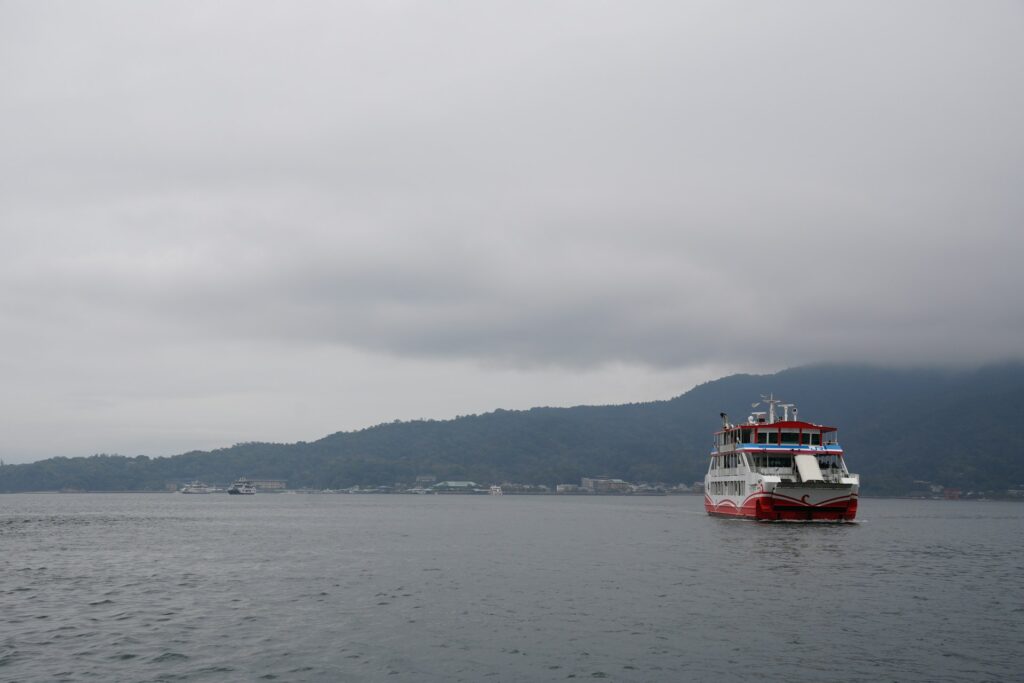
When planning your trip, deciding whether to navigate the region yourself or join a guided tour is crucial. Both options have their merits depending on your travel style.
Self-Guided (DIY) Route
Going it alone is best for slow travelers who want to spend an entire day (6 to 8 hours) on Miyajima to catch both tides. However, doing this on the same day as visiting the Hiroshima Peace Memorial Park and Atomic Bomb Dome requires strict time management, so planning ahead with a structured 1-day Hiroshima itinerary is highly recommended.
Guided 1-Day Tour
If you are short on time and want to see the best of Hiroshima City and Miyajima Island without the stress of logistics, a guided tour is the smartest choice. An expert guide manages the complex transportation network for you and times the visit to ensure you get the most out of your day.
This tour is right for you if:
- You only have one day to see both the Hiroshima Atomic Bomb Dome and the Miyajima Torii Gate.
- You want to avoid the stress of reading Japanese transit maps and tide tables.
- You value learning the deep historical context of both UNESCO World Heritage sites from a knowledgeable English-speaking guide.
This tour is NOT for you if:
- You plan to stay overnight on Miyajima Island.
- You want to sit by the gate for 6 hours waiting for the tide to change.
Make the most of your limited time in Japan. Check prices and availability for the Hiroshima and Miyajima UNESCO Sites 1-Day Tour to secure your spot, especially during the busy cherry blossom and autumn foliage seasons.
Practical Information for Your Visit
To help you budget and plan, here are the current essential details for visiting Miyajima and Itsukushima Shrine:
- Shrine Admission Fee: 300 JPY for adults, 200 JPY for high school students, and 100 JPY for primary and junior high school students.
- Miyajima Visitor Tax: As of October 2023, a 100 JPY visitor tax is added to your ferry ticket price.
- Shrine Hours: Opens at 6:30 AM daily. Closing time varies by season (typically 5:00 PM in winter and 6:00 PM in summer).
- Access from Hiroshima: There are several fast and cheap routes to Miyajima from Hiroshima, but the most common is taking the JR Sanyo Line (about 25 minutes) or the Hiroden Streetcar (about 50 minutes) to Miyajimaguchi Station. From there, it is a short 10-minute ferry ride to the island.
Frequently Asked Questions (FAQ)
Can I see both the floating gate and walk to it in the same day?
Yes, but you will need to spend at least 5 to 6 hours on the island to wait for the tide to shift completely from high to low (or vice versa). You can use this time to explore Mount Misen, eat local street food, or visit the nearby temples.
Does the Miyajima Torii gate light up at night?
Yes. The great Torii gate and the Itsukushima Shrine are illuminated every day from sunset until 11:00 PM. While you cannot enter the shrine itself after closing hours, the illuminated gate viewed from the shore is spectacular and highly recommended if you are staying late or spending the night at a traditional Miyajima ryokan.
How much time do I need on Miyajima Island?
If you only want to see the shrine and the gate at one specific tide, 3 to 4 hours is sufficient. If you want to hike Mount Misen, eat a sit-down meal, and wait for the tide to change to see both the “floating” and “walking” experiences, plan for a full-day visit of 6 to 8 hours.

Hi, I’m Kai. I’m a Tokyo-based travel writer, tourism industry insider, and the author of a published guidebook for international visitors to Japan. With over 10 years of professional experience at a leading Japanese tourism company, my mission is to help you skip the tourist traps and navigate Japan’s best destinations like a local. I believe the perfect day trip is like a traditional kaiseki meal: a beautiful balance of precise planning and unforgettable seasonal discovery. When I’m not out conducting field research, you’ll usually find me drafting new itineraries with one of my favorite fountain pens!