
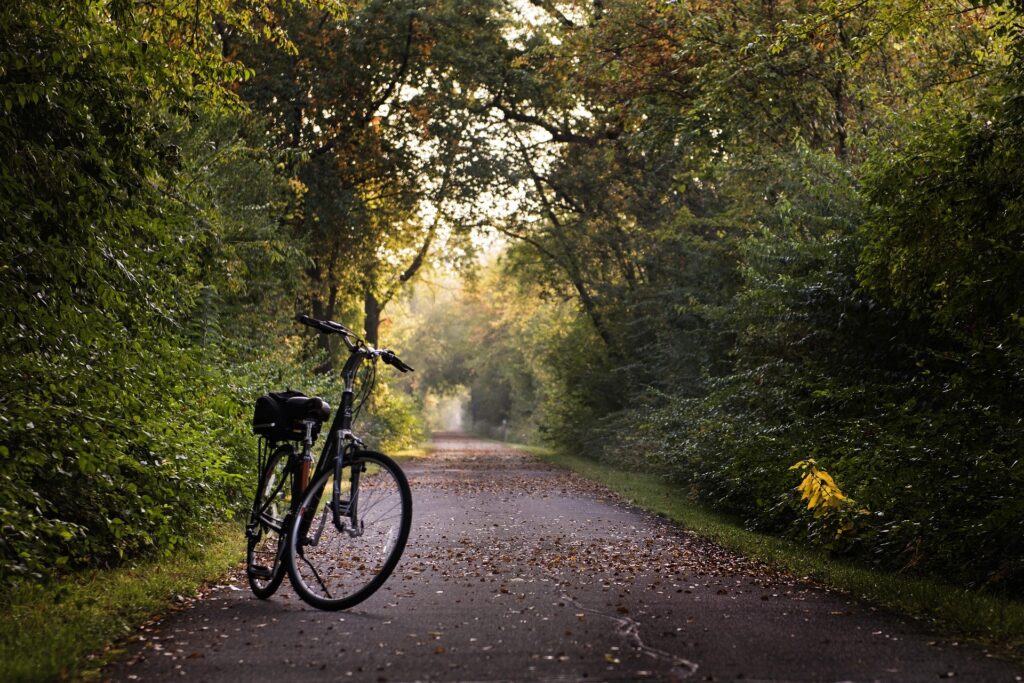
A Kamakura bike rental is one of the easiest ways to explore temples, coastal roads, and hillside spots without relying on crowded local trains. For most visitors, an e-bike is the best choice because Kamakura has short but steep climbs, and a rental shop near Kamakura Station is usually the simplest option.
Quick Answer: Is a Kamakura Bike Rental Worth It?
Yes. A Kamakura bike rental is worth it if you want more flexibility than the Enoden, easier access to temples away from the stations, and a less crowded way to move around the city. For most travelers, an e-bike is the smartest option because it makes Kamakura’s hills much easier.
It is especially useful for travelers who want to visit several sights in one day at their own pace. It is less useful for visitors making a very short Kamakura half day trip focused on only one or two major stops.
At a Glance
- Best choice: E-bike
- Best for: Full-day or relaxed half-day sightseeing around Kamakura
- Less ideal for: Very short visits focused on one stop near a station
- Bring: Your passport
- Key rule: Ride on the left side of the road
- Important warning: Do not ride through crowded Komachi-dori; get off and push if needed
Where to Rent Near Kamakura Station
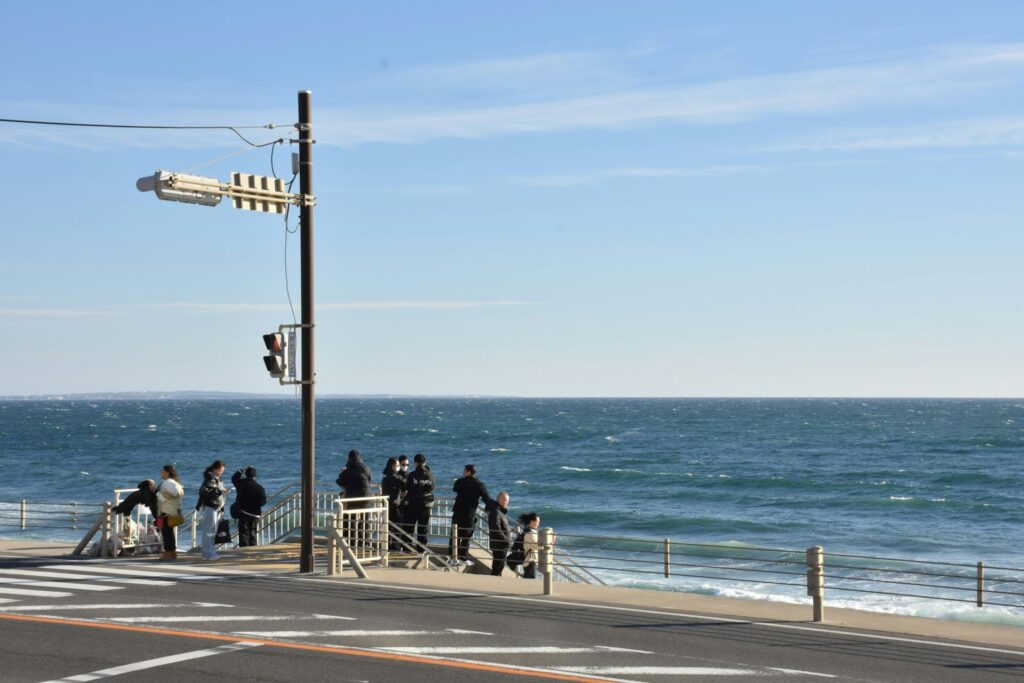
The easiest place to start is around Kamakura Station, where rental shops are convenient for first-time visitors. Choosing a shop near the station keeps pickup and return simple and lets you begin your route without wasting time. If you are arriving with large suitcases, it is a good idea to utilize Kamakura luggage storage at the station before heading to the rental shop, as cycling with heavy bags is not recommended.
When you rent your bike, ask the staff about recommended cycling routes and legal bicycle parking near major sights. Local rental shops often know which stops are easiest by bike and which areas are better avoided during busy hours.
Bring your physical passport. International visitors normally need official identification to complete a bicycle rental in Japan.
Shop Rentals vs. Bike-Sharing Apps
Bike-sharing stations may look convenient, but a physical rental shop is usually the safer choice for international tourists. Many Japanese bike-share apps require SMS verification during registration, which can be difficult if you are using a data-only eSIM or pocket Wi-Fi.
For that reason, a staffed rental shop near Kamakura Station is usually the most reliable way to get a bike quickly and avoid setup problems.
Why an E-Bike Is Usually the Best Choice
If you are deciding between a standard bicycle and an electric-assist bike, choose the e-bike unless you are planning a very short, mostly flat ride. Kamakura is not a perfectly flat coastal town. Some of its most rewarding stops, including hillside temples and shrines, require climbing.
An e-bike helps you save energy, handle steep roads more comfortably, and enjoy the day without arriving sweaty or tired. That matters even more in warmer months or on a route that combines the coast with inland temple areas.
Choose an E-Bike If…
- You want to visit both coastal areas and hill-area temples
- You are planning to ride for several hours
- You want a more comfortable ride with less physical effort
- You plan to include places like Zeniarai Benzaiten Shrine
A Regular Bike Can Be Fine If…
- You are only riding short distances
- You plan to stay mostly around flatter areas
- You are comfortable cycling without electric assist
Enoden Train vs. E-Bike: Which Is Better for Getting Around Kamakura?
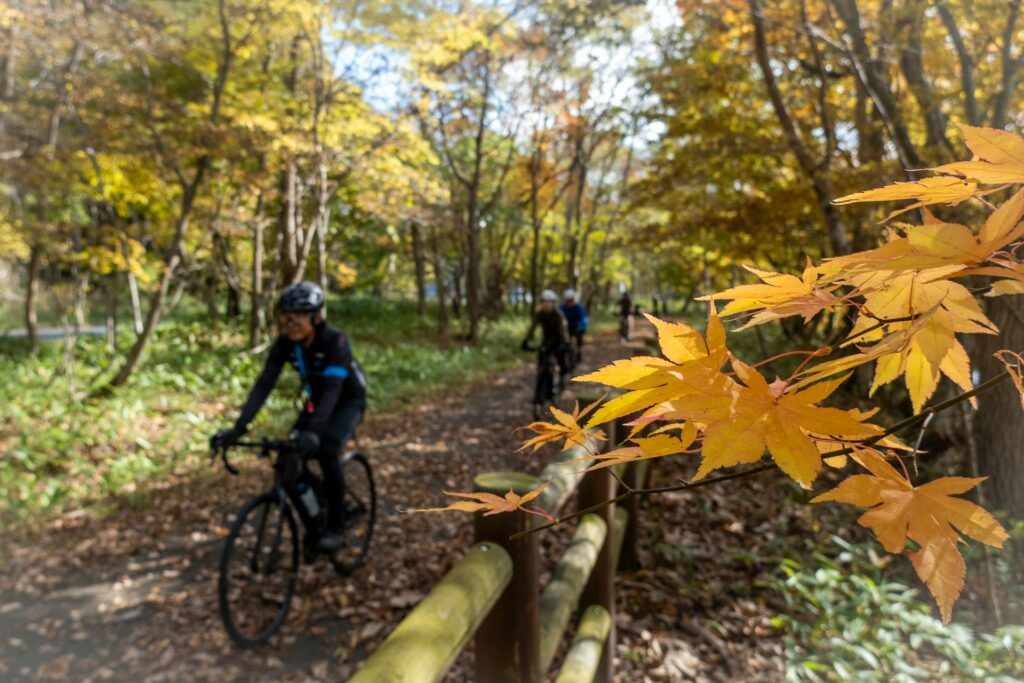
The Enoden is scenic and famous, but it can be crowded during busy travel periods. A bike gives you more freedom between stations, temples, cafés, and coastal viewpoints. If your goal is efficient local sightseeing rather than simply riding the train itself, a rental bike is often the more practical choice.
| Feature | Enoden Train | E-Bike Rental |
|---|---|---|
| Flexibility | Limited to stations and walking from each stop | Stop when and where you want |
| Crowds | Can be very busy on weekends and holidays | Usually more relaxed on side streets and coastal roads |
| Access to hills | Still requires uphill walking from some stations | E-bike makes climbs much easier |
| Pace | Depends on train timing and platform crowds | Set your own pace all day |
Cycling Rules Tourists Should Know First
Cycling in Kamakura is straightforward, but you should follow local rules carefully. Doing so makes your ride safer and helps you avoid problems in crowded tourist areas.
Traffic Rules and Pedestrian Areas
In Japan, bicycles should be ridden on the left side of the road. Some sidewalks may allow bicycles, but as a general rule, riding on the road is the safest assumption unless signs clearly indicate otherwise.
Do not ride through Komachi-dori Street. This shopping street near Kamakura Station is narrow and usually crowded with pedestrians. If you pass through the area, get off the bike and push it instead.
Bicycle Parking at Temples and Sightseeing Spots
Do not leave your bike randomly on the sidewalk or against walls. In Japan, illegally parked bicycles may be removed. Use designated bicycle parking whenever it is available.
Major sights such as Kotoku-in and Hase-dera have bicycle parking areas near their entrances, which makes them easy stops on a cycling route. When you pick up your rental, ask the staff where to park legally at the main temples you plan to visit.
The Most Practical Kamakura Bike Route
If you want to make the most of your Kamakura bike rental, the best approach is a simple loop that starts and ends near Kamakura Station. This works especially well if you begin early, avoid the busiest midday pedestrian areas, and use your e-bike to connect coastal and hillside stops more efficiently. It is one of the best ways to reach the top Kamakura photo spots without waiting for buses or trains.
This route is best for travelers who want a full sightseeing day with flexibility. It also works for a relaxed half-day ride if you are selective about which stops you include.
- Tsurugaoka Hachimangu
Start with Kamakura’s most important shrine while the area is still relatively calm. This is an easy first stop from Kamakura Station and a good way to begin before busier streets fill up. - Ride Toward the Coast
Head south and enjoy the more open roads near the coast. This part of the ride is one of the biggest advantages of cycling in Kamakura, giving you more freedom than moving between crowded train platforms and stations. - Hase-dera and Kotoku-in
Continue inland to visit two of Kamakura’s most famous sights. These are easy to combine in one stop, and designated bicycle parking makes them practical for riders. - Zeniarai Benzaiten Shrine
This is where an e-bike becomes especially useful. The approach includes a steeper climb, and electric assist makes the detour much more comfortable. - Return to Kamakura Station
Finish by riding back toward the station area at your own pace, stopping for food or coffee if time allows.
Why This Route Works Well
- It combines major highlights with a realistic riding flow
- It avoids relying on crowded local train transfers between short distances
- It makes better use of an e-bike by including both flatter and hillier sections
- It keeps the start and finish simple for first-time visitors
When a Rail Pass Still Makes Sense
A Kamakura bike rental is excellent for getting around locally, but trains still make more sense for longer regional travel. If you are visiting Kamakura as part of a wider Kanagawa trip, the most practical strategy is often to use rail for intercity travel and a bike for local sightseeing inside Kamakura.
This approach is especially useful for travelers staying in Tokyo who want to combine Kamakura with places like Enoshima or Hakone over multiple days. In that case, the train handles the long-distance portions, while the bike gives you more freedom once you are inside Kamakura’s busy sightseeing zone.
Who This Hybrid Strategy Is Best For
- Best for: Travelers planning a multi-day trip that includes Kamakura plus other parts of Kanagawa
- Less useful for: Visitors doing a very short out-and-back visit focused on only one or two sights
If you are planning a wider trip that includes Kamakura, Enoshima, and Hakone, it can be helpful to sort out your regional transport before you arrive.
Check details and availability for the Hakone and Kamakura: 3-day Rail Pass
FAQ About Kamakura Bike Rental
Is Kamakura bike rental good for first-time visitors?
Yes. It is one of the easiest ways to explore Kamakura at your own pace, especially if you choose an e-bike and start near Kamakura Station. It works well for first-time visitors who want flexibility and do not want to depend entirely on crowded local trains.
Do I need a driver’s license to rent a bicycle in Japan?
No. You do not need a driver’s license to rent a regular bicycle or an electric-assist bike in Japan. You should, however, bring your physical passport as identification for the rental process.
Can tourists use bike-sharing services in Kamakura?
Sometimes, but a staffed rental shop is usually more reliable. Many bike-sharing services require app registration and SMS verification, which may not work smoothly for visitors using a data-only eSIM or pocket Wi-Fi.
Is an e-bike really necessary in Kamakura?
For many travelers, yes. If your route includes hillside shrines, longer rides, or several sightseeing stops in one day, an e-bike is usually the more comfortable option. A regular bike can still be fine for shorter, flatter routes.
Can I visit the Great Buddha and Hase-dera in one ride?
Yes. These two sights are easy to combine on the same cycling route and are among the most practical stops for visitors exploring Kamakura by bike.
Where should I avoid riding?
You should avoid riding through very crowded pedestrian areas, especially Komachi-dori. In busy zones, get off and push your bike rather than riding through foot traffic.
Final Tip for a Smoother Kamakura Day
The most effective way to enjoy a Kamakura bike rental is to keep the plan simple: rent near the station, choose an e-bike, follow a realistic route, and use designated bicycle parking at each major stop. That gives you more flexibility than relying only on the Enoden and makes it easier to see more of Kamakura in one day.
If your trip also includes longer travel around Kanagawa, arrange your rail transport in advance and use the bike for the local part that matters most.
Book your Hakone and Kamakura: 3-day Rail Pass here

Hi, I’m Kai. I’m a Tokyo-based travel writer, tourism industry insider, and the author of a published guidebook for international visitors to Japan. With over 10 years of professional experience at a leading Japanese tourism company, my mission is to help you skip the tourist traps and navigate Japan’s best destinations like a local. I believe the perfect day trip is like a traditional kaiseki meal: a beautiful balance of precise planning and unforgettable seasonal discovery. When I’m not out conducting field research, you’ll usually find me drafting new itineraries with one of my favorite fountain pens!