
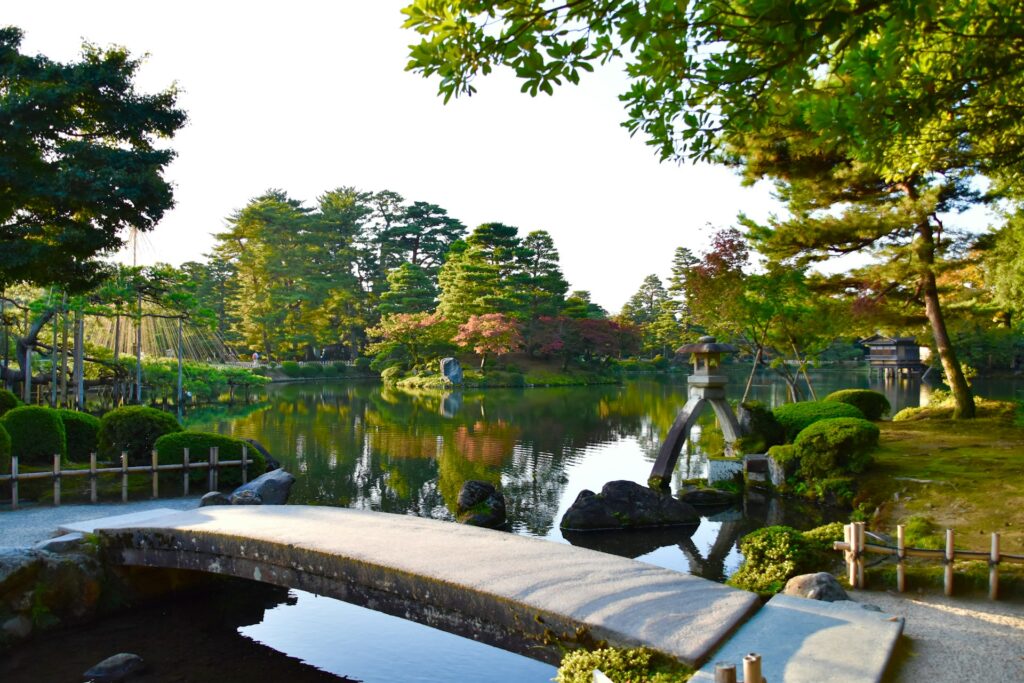
Kanazawa is worth it for travelers who want traditional neighborhoods, excellent seafood, and a calmer cultural city than Kyoto. It is especially rewarding if you can stay at least one night. If you are planning a rushed first trip to Japan with Tokyo, Kyoto, and Osaka packed into 7 days, Kanazawa is usually better saved for another visit.
This guide gives you a clear verdict, the ideal stay length, who Kanazawa suits best, and when it makes more sense to skip it.
Quick Verdict: Is Kanazawa Worth It?
Yes, Kanazawa is worth it for most travelers who want historic districts, strong food, and a slower pace than Kyoto. The city feels most worthwhile as an overnight stop, not a rushed detour.
| At a Glance | Verdict |
|---|---|
| Is Kanazawa worth it? | Yes, if you want culture, atmosphere, and food in a more manageable city. |
| Best for | Traditional districts, seafood, crafts, and relaxed 1- to 2-night stays. |
| Not ideal for | Very short first trips to Japan already packed with Tokyo, Kyoto, and Osaka. |
| Minimum stay | 1 night. |
| Ideal stay | 2 nights for a less rushed experience. |
| Day trip? | Possible, but usually not the best use of your time. |
Who Kanazawa Is Best For
Kanazawa is a strong fit for travelers who care more about atmosphere and quality of experience than checking off Japan’s biggest-name sights as fast as possible.
- You want a calmer alternative to Kyoto: Kanazawa still has historic streets, teahouse districts, gardens, and traditional culture, but the city is smaller and easier to navigate.
- You care about food: Fresh seafood is one of Kanazawa’s biggest strengths, and Omicho Market and the wider local food scene are major reasons many travelers rate the city highly.
- You like traditional culture beyond temples: Gold leaf, Kutani ware, Kaga Yuzen, preserved geisha districts, and samurai history give Kanazawa more depth than a simple photo stop.
- You can stay at least one night: Kanazawa feels much better when you have time for an evening meal, an early start the next morning, and slower walks between districts.
When Kanazawa Is Not Worth It
Kanazawa is not a must for every Japan itinerary. It is most skippable when the travel effort outweighs what you personally want from the trip.
- Your first trip to Japan is only 7 days: If Tokyo, Kyoto, and Osaka already fill your schedule, adding Kanazawa often makes the trip feel more rushed rather than better.
- You mostly want Japan’s biggest bucket-list icons: Kanazawa is rewarding, but it is not the place to prioritize over Kyoto, Nara, or major first-trip highlights if your time is very limited.
- You only want a quick traditional photo stop: If you are not interested in food, craft culture, or slower wandering, the detour may feel less worthwhile.
- You dislike transfers and tight travel days: Kanazawa works best when you treat it as an overnight stop, not a squeeze-in between other major cities.
Best Fit vs Skip It
| Kanazawa is a good fit if… | You should probably skip it if… |
|---|---|
| You want a cultural city with a calmer pace than Kyoto. | You only have a very short first trip and are already rushing the main route. |
| You can stay at least 1 night. | You only have time for a fast day trip and want maximum sightseeing efficiency. |
| You care about seafood, local crafts, and preserved neighborhoods. | You mainly want Japan’s biggest headline sights and temple checklist stops. |
| You prefer quality of atmosphere over quantity of attractions. | You do not want extra transfers or travel friction between cities. |
1 Day, 1 Night, or 2 Nights?
The biggest factor in whether Kanazawa feels worth it is not the city itself. It is how much time you give it.
| Length of Stay | What It Feels Like | Worth It? | Best For |
|---|---|---|---|
| Day Trip | Fast, selective, and more tiring than relaxing. | Sometimes, but only if you accept a rushed visit. | Travelers with very limited time who still want a quick look at the highlights. |
| 1 Night | The minimum stay that feels genuinely worthwhile. | Yes. | Most travelers who want the main districts, a good dinner, and a more balanced pace. |
| 2 Nights | The most enjoyable pace for many visitors. | Absolutely. | Travelers who want museums, quieter neighborhoods, crafts, and a less checklist-driven trip. |
- One day: Enough for Kenrokuen, Omicho Market, and one or two historic districts, but it can feel like a box-ticking stop.
- One night: The best minimum for most itineraries. You can see the highlights, enjoy the food scene, and experience the city with less pressure.
- Two nights: Best if you want Kanazawa to feel like a place rather than a transit stop between bigger cities.
Travel Effort vs Payoff
Kanazawa is easier to justify when the travel time matches the kind of trip you want.
| Starting Point | What the Journey Feels Like | How Kanazawa Usually Works Best |
|---|---|---|
| Tokyo | Relatively straightforward by shinkansen. | Good as a 1- to 2-night stop if you want a cultural break from the main Tokyo-Kyoto route. |
| Kyoto / Osaka | Doable, but less seamless than before because of the transfer at Tsuruga. | Best as an overnight stop, not a rushed in-and-out detour. |
| A packed first-trip route | Often feels like adding complexity to an already busy itinerary. | Usually better to skip unless you can remove something else and give Kanazawa enough time. |
If you are deciding whether Kanazawa is worth the effort, the simplest rule is this: it is worth it when you can slow down for at least one night. It is much less worth it when you are trying to squeeze it into an itinerary that is already moving too fast.
Kanazawa vs Kyoto: Which Is Better for You?
Kanazawa is not better than Kyoto in an absolute sense. The better choice depends on what you want from this part of your Japan trip.
- Choose Kyoto if you want the classic first-trip experience, major temples, and the biggest lineup of iconic sights.
- Choose Kanazawa if you want traditional neighborhoods, strong food, and a cultural city that feels easier to manage.
- Choose both only if you have enough time to enjoy each one without turning your trip into a series of hotel changes and train transfers.
For many travelers, Kyoto wins on scale and star power. Kanazawa wins on pace, atmosphere, and how easy it is to enjoy without feeling overwhelmed.
That pace is also why Kanazawa becomes more rewarding once you move beyond the headline sights.
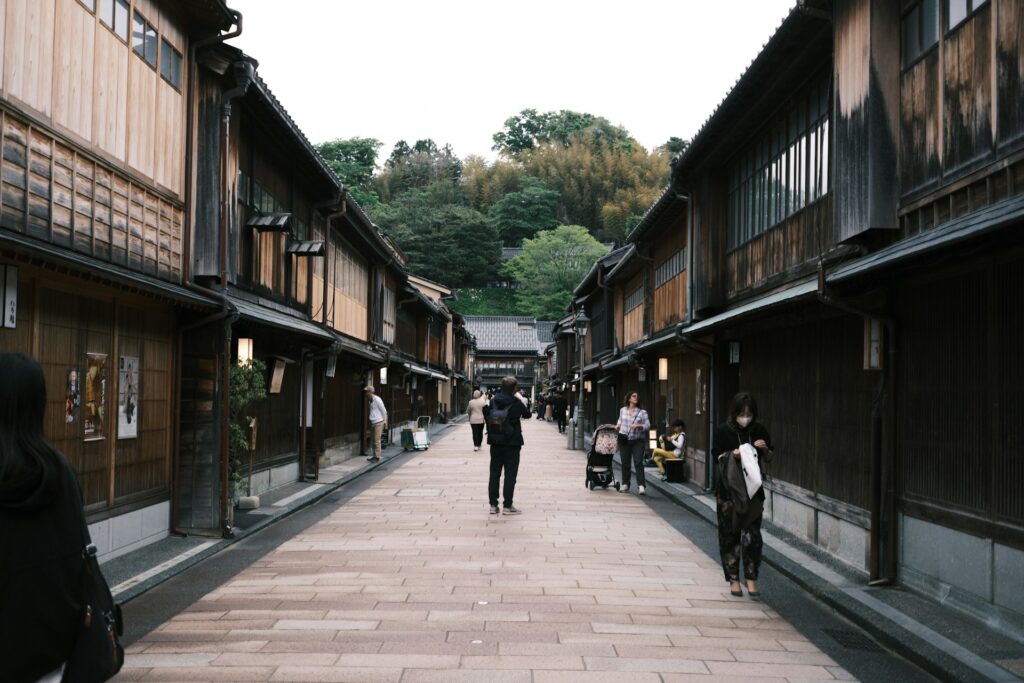
Why an Overnight Stay Feels More Worth It
Kanazawa’s biggest strength is not just its headline sights. It is how enjoyable the city feels when you have enough time to slow down between them. That is why one night usually feels much more rewarding than a rushed day trip, and why two nights can make the city feel meaningfully different.
If you only visit the biggest sights in the middle of the day, Kanazawa can seem smaller and less distinctive than expected. When you stay overnight, you get time for an evening walk, a better seafood dinner, and quieter hours in the districts that give the city its character.
Kanazawa Hidden Gems That Make a Longer Stay Better
These quieter areas are not necessarily more famous than Kanazawa’s top attractions, but they are often the reason the city feels more memorable once you stay beyond a quick checklist visit.
Kazuemachi and Nishi Chaya Districts
Most first-time visitors focus on Higashi Chaya District, but Kanazawa has other preserved teahouse areas that feel calmer and more intimate.
- Kazuemachi Chaya District: Set along the Asano River, this area is especially atmospheric in the late afternoon and early evening. It feels more local, quieter, and less like a stop people rush through for a few photos.
- Nishi Chaya District: Smaller than Higashi Chaya, but often more pleasant for travelers who enjoy wandering without heavy crowds. The traditional wooden facades and slower pace are a big part of its appeal.
The Backstreets of Nagamachi Samurai District
The main lanes of Nagamachi are attractive, but the smaller side streets are where the district often feels most memorable. Walk beyond the obvious route and explore the narrow alleys, canals, earthen walls, and quieter residential corners. That is where Kanazawa starts to feel less like a sightseeing stop and more like a place with texture and history.
Why These Areas Matter
If you are wondering whether Kanazawa is worth more than a fast stop, these quieter districts are part of the answer. They are also why 2 nights can feel far more satisfying than trying to force the city into a tight day trip.
DIY vs Private Local Tour: Which Is Better?
Kanazawa is manageable on your own, especially if you are comfortable with walking, buses, and simple route planning. A private tour becomes more useful when your time is short and you want to make better use of each hour.
| Feature | DIY / Self-Guided | Private Local Tour |
|---|---|---|
| Best for | Travelers with enough time, flexible plans, and a lower budget. | Travelers with limited time who want a smoother and more focused visit. |
| Navigation | Simple enough for most visitors, but you will rely on buses, walking, and your own timing. | Helpful if you want to move efficiently between major sights and quieter corners. |
| Cultural context | Mostly what you pick up from signs, museums, and your own research. | Stronger storytelling and local insight on samurai history, geisha culture, and crafts. |
| Time efficiency | Good if you do not mind moving at your own pace and occasionally backtracking. | Best if you only have 1 day or 1 night and want a more curated route. |
| Cost | Cheaper and easier to control. | More expensive, but potentially worth it for convenience and depth. |
Choose DIY if you have enough time to explore at a relaxed pace and do not mind handling the logistics yourself. Choose a private local tour if you have a short stay, want more context, or would rather spend your time exploring than navigating.
If you want to skip the stress of crowded buses and see both the main sights and quieter areas more efficiently, a private guide can be a smart option, especially on a short 1-night stay.
Check availability and customize your Kanazawa Private Walking Tour
Practical Tips for Visiting Kanazawa
Kyoto and Osaka Access: Expect the Tsuruga Transfer
If you are coming from Kyoto or Osaka, remember that reaching Kanazawa now usually means taking the Thunderbird Limited Express to Tsuruga Station and then transferring to the Hokuriku Shinkansen.
The connection is manageable, but it still adds some travel friction. That is one reason Kanazawa feels better as an overnight stop than a quick detour, especially if you have luggage or are traveling with children.
Use the Bus System Strategically
Kanazawa does not have a subway, so buses are the main way to move between the station, Omicho Market, Kenrokuen, and the historic districts. The Kanazawa Loop Bus is the easiest option for most first-time visitors.
- Single rides: Fine if you only plan to use the bus a few times.
- Kanazawa City One-Day Pass: Usually the better value if you expect multiple rides in one day.
- Good to know: Buses can get crowded from late morning into the afternoon, especially on weekends and holidays.
If you expect to ride several times, the Kanazawa City One-Day Pass is the simplest option. It is currently 800 yen for adults and covers the main central sightseeing area.
Start Early for the Best Atmosphere
Kanazawa feels very different at 9:00 a.m. than it does at 2:00 p.m. If you want historic districts and major sights to feel calmer, start early and try to visit busy areas like Higashi Chaya and Kenrokuen in the morning.
Do Not Treat Kanazawa Like a Checklist City
One of the easiest mistakes here is trying to pack in every district as quickly as possible. Kanazawa is most rewarding when you leave space for slower walks, market snacks, and neighborhoods that feel good even when nothing major is happening.
Frequently Asked Questions
Is one day in Kanazawa enough?
One day is enough for the main highlights, but it often feels rushed. If you can, stay at least one night. That gives you time for the market, historic districts, and a strong dinner without turning the city into a box-ticking stop.
Is Kanazawa worth it on a first trip to Japan?
Yes, but only if your itinerary has room for it. If your first trip is already a very tight Tokyo-Kyoto-Osaka route in just 7 days, Kanazawa is often better saved for later. If you have more flexibility, it can be one of Japan’s most rewarding cultural side trips.
Is Kanazawa better than Kyoto?
Not better in every way, but better for some travelers. Kyoto has more iconic temples and a bigger sightseeing lineup. Kanazawa is smaller, easier to manage, and often feels less overwhelming. It is a strong alternative if you want traditional atmosphere with a calmer pace.
Is the shinkansen to Kanazawa covered by the JR Pass?
Yes, the Hokuriku Shinkansen route is covered by the nationwide JR Pass. Depending on your route, regional rail passes such as the Hokuriku Arch Pass may also offer better value than a full nationwide pass.
Final Verdict
Yes, Kanazawa is worth it if you want traditional districts, excellent seafood, local craft culture, and a more relaxed pace than Kyoto. It is most worth it as a 1- to 2-night stop, not as a rushed add-on to an already overloaded itinerary.
If your trip has room for a slower cultural city between Japan’s bigger names, Kanazawa is one of the best additions you can make. If your schedule is already too tight, skipping it is not a mistake. The city is rewarding, but only when you give it enough time to feel like more than a transfer stop.
Want to make the most of a short stay and see more than the standard tourist route? A local guide can help you focus on the parts of Kanazawa that match your interests best.
Book your Kanazawa Private Walking Tour with a Local here

Hi, I’m Kai. I’m a Tokyo-based travel writer, tourism industry insider, and the author of a published guidebook for international visitors to Japan. With over 10 years of professional experience at a leading Japanese tourism company, my mission is to help you skip the tourist traps and navigate Japan’s best destinations like a local. I believe the perfect day trip is like a traditional kaiseki meal: a beautiful balance of precise planning and unforgettable seasonal discovery. When I’m not out conducting field research, you’ll usually find me drafting new itineraries with one of my favorite fountain pens!