
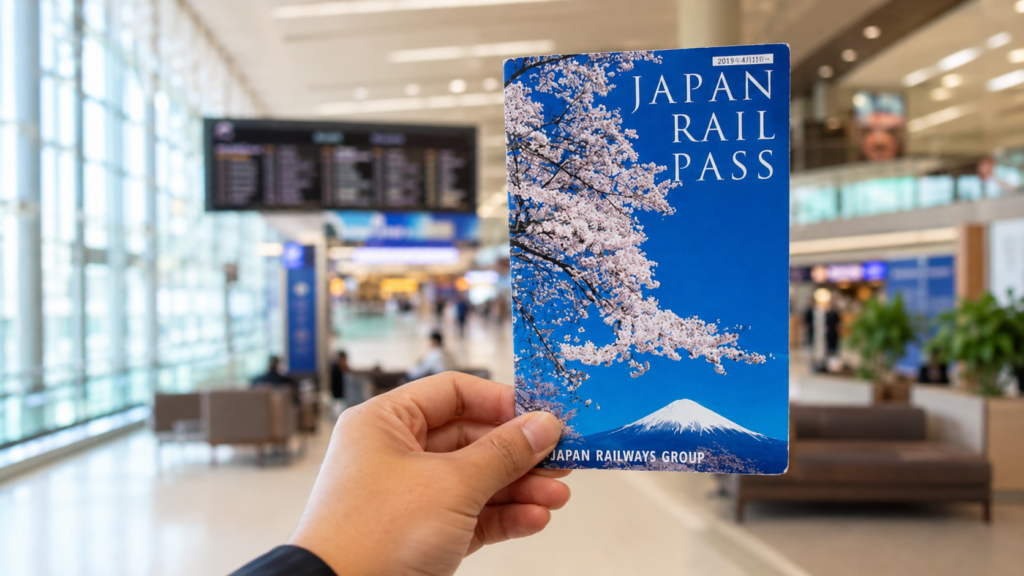
Quick Answer: Is the JR Pass worth it 2026?
For most travelers, the nationwide JR Pass is not worth it in 2026 if your trip is limited to the standard Tokyo, Kyoto, and Osaka route. Individual Shinkansen tickets usually cost less, and a route-specific Japan regional rail pass can save more if you are visiting places like Hiroshima, Miyajima, Kanazawa, Fukui, or Nagano.
The simplest rule is this: buy the nationwide JR Pass only if you are doing several long-distance JR trips across different regions in a short period. For many first-time visitors, individual tickets plus the right regional pass is the smarter choice.
2026 price note: Prices can change, so always check your travel dates before buying. As of May 2026, the nationwide 7-day Ordinary JR Pass is 50,000 JPY until September 30, 2026, and is scheduled to increase to 53,000 JPY from October 1, 2026. The Hokuriku Arch Pass is 35,000 JPY for 7 days, and the Kansai-Hiroshima Area Pass is 17,000 JPY for 5 days.
Which Pass Should You Buy for Your Itinerary?
Before comparing every rail pass in Japan, start with your actual route. A pass is only a good deal if it matches where you are really going.
| Your itinerary | Best choice | Why | Main warning |
|---|---|---|---|
| Tokyo, Kyoto, and Osaka only | Individual Shinkansen tickets | The nationwide JR Pass usually costs far more than a simple round trip. | Do not buy a pass just because older guides recommend it. |
| Osaka or Kyoto to Hiroshima and Miyajima | Kansai-Hiroshima Area Pass | This is one of the easiest Japan regional rail pass options to make worthwhile. | It does not cover Tokyo to Osaka. |
| Tokyo to Kanazawa, then Kyoto or Osaka | Hokuriku Arch Pass | Good for a slower scenic route through Nagano, Toyama, Kanazawa, and Fukui. | It does not cover the Tokaido Shinkansen. |
| Tokyo to Kyoto as fast as possible | Individual Tokaido Shinkansen ticket | This is the direct and fastest route. | The Hokuriku Arch Pass takes much longer. |
| Kansai only, such as Osaka, Kyoto, Nara, and Kobe | IC card or smaller regional pass | You may not travel far enough to justify a larger pass. | A Hiroshima-focused pass may be unnecessary. |
When Does the Nationwide JR Pass Lose Money?
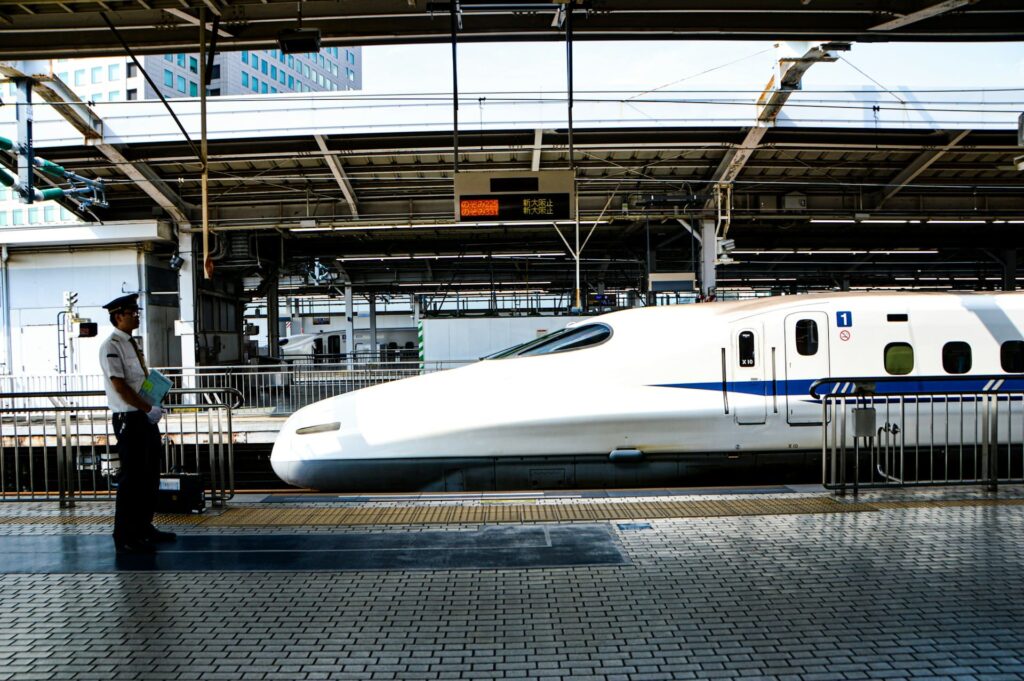
The nationwide JR Pass became much harder to justify after the major price increase in 2023. In 2026, the most common first-time Japan route still does not usually break even.
For example, a typical Tokyo to Kyoto round trip looks like this:
- Tokyo to Kyoto by reserved-seat Shinkansen: about 14,000 JPY one way
- Kyoto to Tokyo return trip: about 14,000 JPY
- Approximate round-trip total: about 28,000 JPY
Compared with a 7-day nationwide JR Pass at 50,000 JPY before October 1, 2026, that route can leave you paying roughly 22,000 JPY more than necessary. After the scheduled October 1, 2026 price increase to 53,000 JPY, the gap becomes even larger.
Adding a few local JR trains in Tokyo, Kyoto, or Osaka usually does not close that gap. Local train rides are often only a few hundred yen each, so they are not enough to rescue the value of a nationwide pass.
When Is the Nationwide JR Pass Still Worth Considering?
The nationwide JR Pass is not useless. It can still make sense for unusually aggressive long-distance routes, especially if you are crossing several regions within 7 days.
Consider the nationwide JR Pass only if your itinerary looks more like this:
- Tokyo to Hokkaido, then back through Tokyo and onward to Kansai
- Tokyo to Kyoto or Osaka, then Hiroshima, Fukuoka, and back toward Tokyo
- Several long Shinkansen rides across different JR regions within one pass period
For a normal Tokyo, Kyoto, and Osaka trip, it is usually better to buy individual tickets. For a trip focused on one region, a Japan regional rail pass is often a better fit.
Why Are Japan Regional Rail Passes Better for Many 2026 Trips?
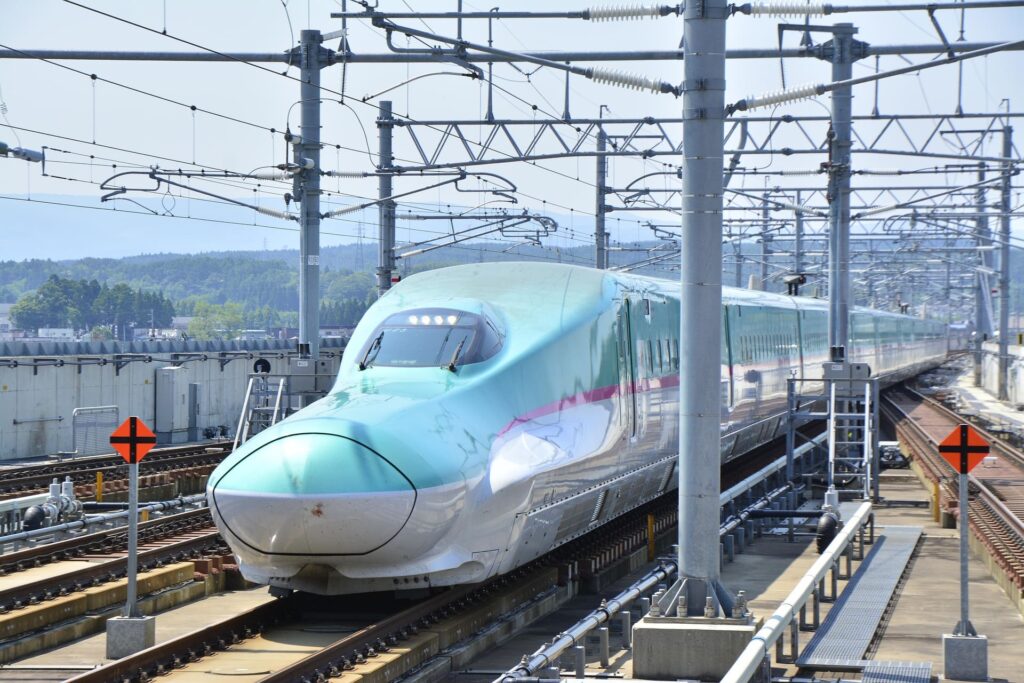
A Japan regional rail pass works differently from the nationwide JR Pass. Instead of covering almost the whole country, it focuses on a specific area. That makes regional passes cheaper and easier to match to a real itinerary.
The best regional passes are not useful for every traveler, but they can be excellent when your route fits the coverage area. Two of the strongest options for many visitors in 2026 are the Hokuriku Arch Pass and the Kansai-Hiroshima Area Pass.
Who Should Buy the Hokuriku Arch Pass?
The Hokuriku Arch Pass is a 7-day pass that connects Tokyo with the Kansai region through the Hokuriku route. Instead of taking the direct Tokaido Shinkansen from Tokyo to Kyoto or Osaka, you travel via places such as Nagano, Toyama, Kanazawa, and Fukui.
This pass is best for travelers who want to turn the journey between Tokyo and Kansai into part of the trip. It can be a good choice if you want to visit Kanazawa, see the Sea of Japan side of the country, or slow down your route with stops that many first-time visitors skip. If you are still planning your route, see our guide on whether Kanazawa is worth visiting.
Who is the Hokuriku Arch Pass best for?
- Travelers going from Tokyo to Kanazawa and then to Kyoto or Osaka
- Repeat visitors who want a different route from the standard Golden Route
- Travelers who prefer scenic stops over the fastest possible transfer
- People visiting Nagano, Toyama, Kanazawa, or Fukui within the same week
What is the main catch?
The big limitation is that the Hokuriku Arch Pass does not cover the Tokaido Shinkansen. That means you cannot use it for the fastest direct Tokyo to Kyoto or Tokyo to Osaka route.
If your main goal is to get from Tokyo to Kyoto quickly, buy an individual Tokaido Shinkansen ticket instead. The Hokuriku route can be rewarding, but it is slower and only makes sense if the stops along the way are part of your plan.
Weather is also worth considering. In winter, areas around Nagano and Hokuriku can be affected by snow, strong winds, or delays. This does not mean you should avoid the route, but you should avoid scheduling tight same-day connections before a flight or non-refundable activity.
Who Should Buy the Kansai-Hiroshima Area Pass?
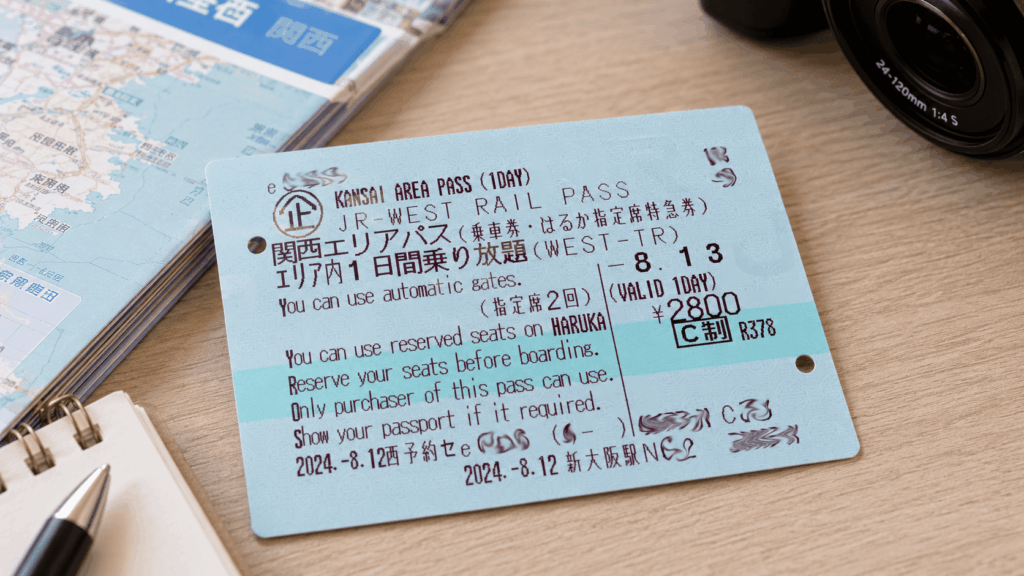
The Kansai-Hiroshima Area Pass is one of the strongest-value regional passes for travelers based in Osaka or Kyoto. It is valid for 5 consecutive days and covers travel from the Kansai region toward Hiroshima, including the Sanyo Shinkansen between Shin-Osaka and Hiroshima.
It also covers useful side trips such as Himeji, Okayama, and Miyajima via the JR West Miyajima Ferry. For many travelers, this pass becomes worthwhile with just one Osaka or Kyoto to Hiroshima and Miyajima trip. Read our honest guide to help decide if Hiroshima and Miyajima are worth adding to your itinerary.
Who is the Kansai-Hiroshima Area Pass best for?
- Travelers staying in Osaka or Kyoto who want to visit Hiroshima
- Travelers combining Hiroshima with Miyajima
- People who want to stop at Himeji or Okayama on the way
- Budget-focused travelers who want one simple pass for western Japan
What does the Kansai-Hiroshima Area Pass not cover?
The most important limitation is that it does not cover Tokyo to Osaka. If you are starting in Tokyo, you need a separate ticket or another transport option to reach Kansai first.
Do not buy this pass thinking it will take you from Tokyo all the way to Hiroshima. It is a western Japan pass, not a nationwide pass.
How much can the Kansai-Hiroshima Area Pass save?
The math is much easier than the nationwide JR Pass. If you are traveling from Shin-Osaka to Hiroshima and back, then adding Miyajima, the pass can already be cheaper than buying regular tickets separately.
| Expense | Regular tickets | Kansai-Hiroshima Area Pass |
|---|---|---|
| Shin-Osaka to Hiroshima round trip | About 21,200 JPY | Included |
| JR West Miyajima Ferry round trip | About 400 JPY | Included |
| Miyajima visitor tax | 100 JPY | Usually paid separately |
| Approximate total | About 21,700 JPY | 17,000 JPY |
| Potential saving | 0 JPY | About 4,700 JPY before extra local trips |
This is why the Kansai-Hiroshima Area Pass is often a better choice than the nationwide JR Pass for western Japan trips. It is focused, cheaper, and easier to justify if Hiroshima and Miyajima are already in your itinerary.
If your route is Osaka or Kyoto to Hiroshima and Miyajima, compare the current pass price with your exact travel dates before booking.
Check current Kansai-Hiroshima Area Pass prices on Klook
What Are the Main Mistakes to Avoid?
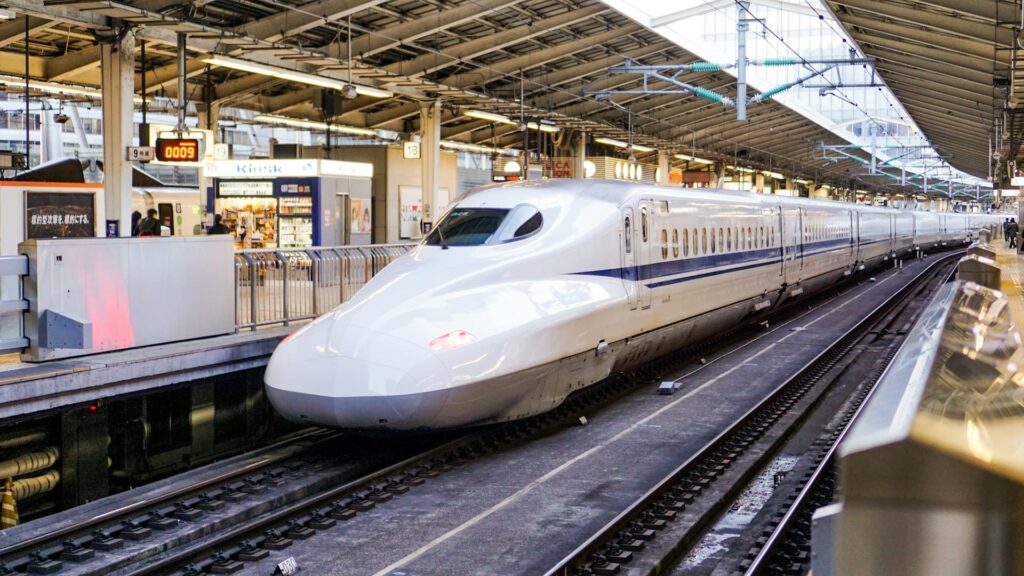
The biggest rail pass mistake in Japan is buying a pass because it sounds convenient, not because it fits your route. Before buying any JR Pass or Japan regional rail pass, check the actual train legs you plan to take.
Are you buying the nationwide JR Pass for a simple Tokyo, Kyoto, and Osaka trip?
This is the most common mistake. A Tokyo to Kyoto round trip is usually far cheaper with individual Shinkansen tickets than with the nationwide JR Pass. Unless you are adding several more long-distance JR trips within the same pass period, the pass is unlikely to pay off.
Are you choosing the Hokuriku Arch Pass when you really want the fastest route?
The Hokuriku Arch Pass can be a great scenic option, but it is not the fastest way from Tokyo to Kyoto or Osaka. It does not cover the Tokaido Shinkansen, so it is best for travelers who actually want to stop in places such as Nagano, Toyama, Kanazawa, or Fukui.
Are you buying the Kansai-Hiroshima Area Pass before reaching Kansai?
The Kansai-Hiroshima Area Pass is excellent for western Japan, but it does not cover the journey from Tokyo to Osaka or Kyoto. If your trip starts in Tokyo, you still need to pay separately to reach the Kansai region first.
Are you ignoring seat reservations?
Regional passes often allow seat reservations, but you still need to make those reservations before boarding reserved-seat cars. This matters during busy periods, especially around weekends, national holidays, cherry blossom season, autumn foliage season, and the New Year period.
Are you forgetting weather and disruption risks?
Japan’s trains are reliable, but weather can still affect travel. Snow can affect parts of Nagano and Hokuriku in winter, while heavy rain, typhoons, or strong winds can disrupt Shinkansen services and ferry connections. Avoid placing your longest rail journey right before an international flight or an expensive non-refundable activity.
Frequently Asked Questions
Is the JR Pass worth it in 2026?
For most standard first-time trips, no. If you are only visiting Tokyo, Kyoto, and Osaka, individual Shinkansen tickets usually cost less than the nationwide JR Pass. The pass is only worth considering if you are taking several long-distance JR trips across different regions within a short period.
Is the JR Pass worth it for a Tokyo to Kyoto round trip?
Usually not. A Tokyo to Kyoto round trip by Shinkansen is typically far below the cost of a 7-day nationwide JR Pass. Adding a few local JR train rides in Tokyo, Kyoto, or Osaka usually does not make up the difference.
What is the best Japan regional rail pass for Hiroshima and Miyajima?
For travelers based in Osaka or Kyoto, the Kansai-Hiroshima Area Pass is usually one of the strongest options. It covers the Sanyo Shinkansen between Shin-Osaka and Hiroshima, plus useful routes to places such as Himeji, Okayama, and Miyajima.
Can I use the Kansai-Hiroshima Area Pass from Tokyo?
No. The Kansai-Hiroshima Area Pass does not cover Tokyo to Osaka, Tokyo to Kyoto, or Tokyo to Hiroshima. You need to reach the Kansai region first using a separate ticket, flight, bus, or another transport option.
Does the Hokuriku Arch Pass cover the Tokaido Shinkansen or Nozomi?
No. The Hokuriku Arch Pass does not cover the Tokaido Shinkansen route between Tokyo, Kyoto, and Osaka. It uses the Hokuriku route via places such as Nagano, Toyama, Kanazawa, and Fukui.
Should I buy individual Shinkansen tickets or a regional pass?
Buy individual tickets if you are making one or two simple long-distance trips. Consider a regional pass if your route fits the pass area and you are making enough covered trips within the validity period. The best pass is not the one with the biggest coverage map, but the one that matches your actual itinerary.
Are seat reservations included with Japan regional rail passes?
Many regional passes include seat reservations on covered trains, but rules vary by pass and route. Always check the conditions before buying, and reserve seats before boarding if you want to use a reserved-seat car.
Do I need a JR Pass for local trains in Tokyo, Kyoto, or Osaka?
Usually no. Local rides are often inexpensive, and an IC card is usually more convenient for city travel. A rail pass becomes valuable when it covers expensive intercity trips, not because it replaces a few short subway or local train rides.
What Is the Best Choice in 2026?
For most travelers, the best 2026 strategy is not to start with the nationwide JR Pass. Start with your route first, then choose the ticket or pass that fits it.
- Tokyo, Kyoto, and Osaka only: buy individual Shinkansen tickets.
- Osaka or Kyoto to Hiroshima and Miyajima: consider the Kansai-Hiroshima Area Pass.
- Tokyo to Kanazawa, then Kyoto or Osaka: consider the Hokuriku Arch Pass.
- Fastest Tokyo to Kyoto route: buy an individual Tokaido Shinkansen ticket.
- Several long-distance trips across Japan: compare your full route against the nationwide JR Pass price.
The nationwide JR Pass is still useful for some intense cross-country itineraries, but it is no longer the automatic choice for most visitors. In 2026, many travelers will save more by combining individual tickets with the right Japan regional rail pass.
If Hiroshima and Miyajima are already in your Kansai-based itinerary, the Kansai-Hiroshima Area Pass is one of the easiest passes to compare because the main round trip does most of the work.
Check current Kansai-Hiroshima Area Pass prices on Klook

Hi, I’m Kai. I’m a Tokyo-based travel writer, tourism industry insider, and the author of a published guidebook for international visitors to Japan. With over 10 years of professional experience at a leading Japanese tourism company, my mission is to help you skip the tourist traps and navigate Japan’s best destinations like a local. I believe the perfect day trip is like a traditional kaiseki meal: a beautiful balance of precise planning and unforgettable seasonal discovery. When I’m not out conducting field research, you’ll usually find me drafting new itineraries with one of my favorite fountain pens!