
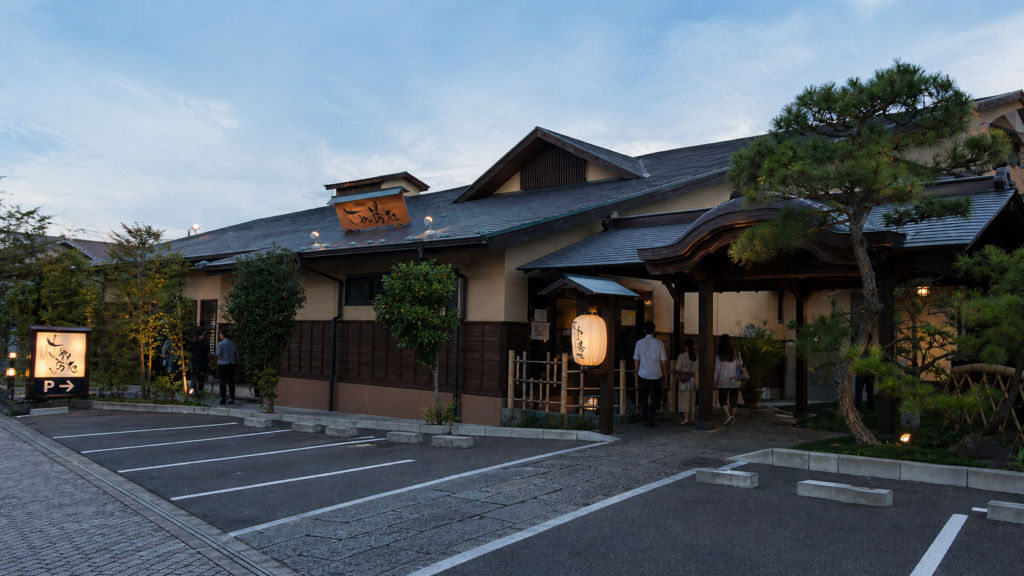
If you want a non-touristy onsen in Tokyo, Sayanoyudokoro in Itabashi is one of the most practical local choices inside the city. It is not a flashy tourist spa in a major sightseeing district. It is a neighborhood-style hot spring facility with natural onsen water, outdoor baths, a Japanese garden, and rules that feel closer to a local bathhouse than a visitor attraction.
This guide explains what first-time visitors need to know before going to Sayanoyudokoro Itabashi: tattoo cover rules, nudity etiquette, towel rules, access, prices, busy times, and whether it is the right Tokyo local bathhouse for your trip.
Is Sayanoyudokoro Worth Visiting?
- Best for: Travelers who want a quieter, more local-feeling Tokyo onsen instead of a large tourist spa.
- Location: Itabashi, north Tokyo. The nearest station is Shimura-Sakaue Station, about an 8-minute walk from Exit A2.
- Reservations: Regular bathing does not require a reservation. The private bath should be booked in advance.
- Price: As of May 2026, adult admission is ¥970 on weekdays and ¥1,300 on weekends and public holidays. A towel set costs ¥380.
- Opening hours: 9:00 AM to midnight, with last entry at 11:00 PM.
- Tattoos: Small tattoos are allowed only if they can be completely covered by up to two designated tattoo cover stickers.
- Bathing style: No swimsuits. You bathe naked, wash before entering the baths, and keep your towel out of the water.
- Access warning: There is no shuttle bus. On rainy, very hot, or cold nights, consider a taxi from the station or a private car if you do not want to walk after bathing.
Who Should Visit Sayanoyudokoro?
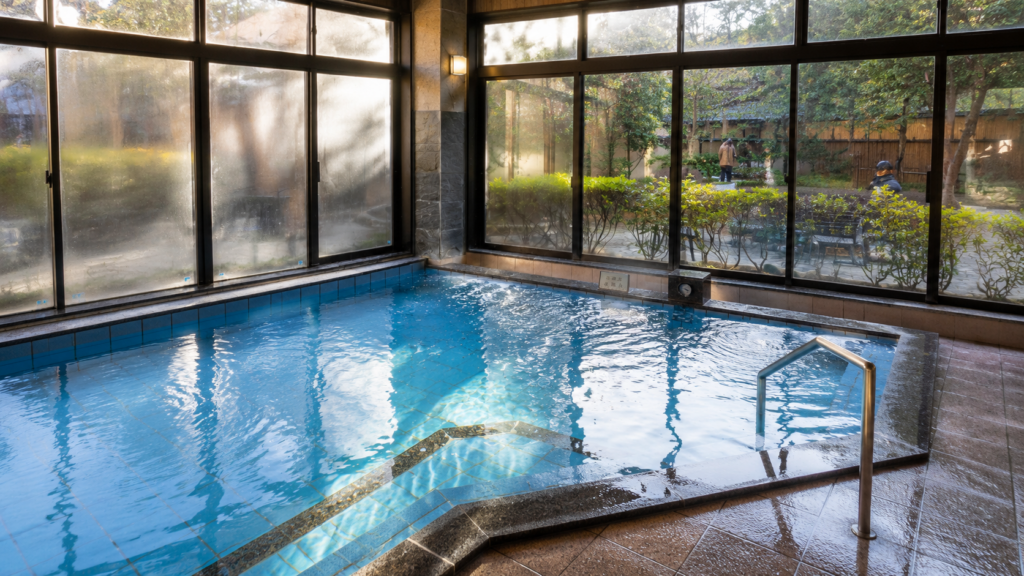
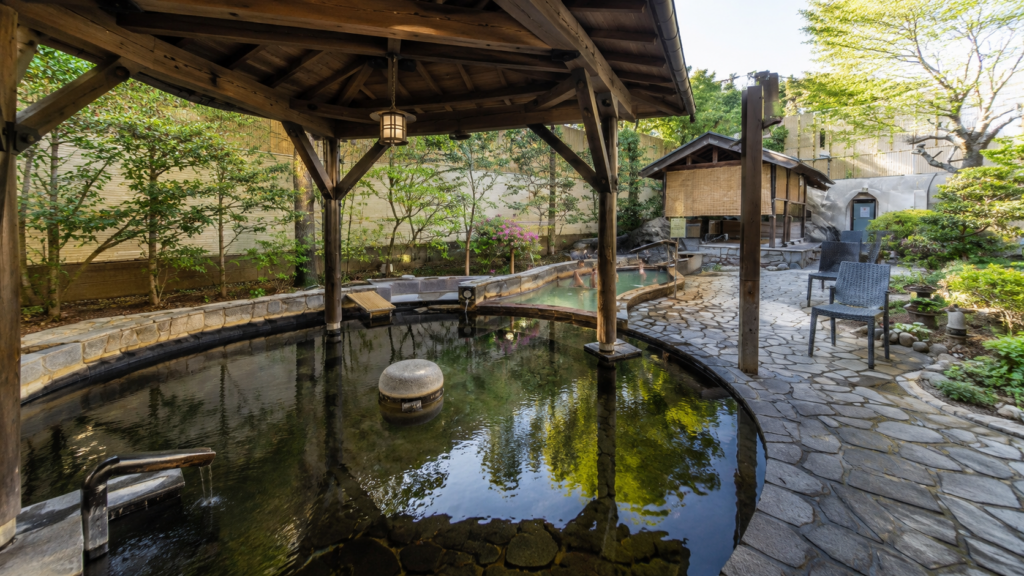
Sayanoyudokoro is a good fit if you want a Tokyo onsen that feels more local than tourist-focused, and you are comfortable following traditional Japanese bathhouse rules. It works especially well for travelers who want natural hot spring water, outdoor baths, and a calmer atmosphere without leaving Tokyo for Hakone or Kusatsu. It perfectly complements an itinerary based in one of Tokyo’s quieter neighborhoods.
It may not be the right choice if you have large tattoos, want to wear a swimsuit, expect men and women to bathe together, or need a fully English-speaking spa experience. It is also less convenient than central spa complexes, so you should be comfortable taking local trains, walking from the station, or arranging a taxi or car.
What Makes Sayanoyudokoro Feel Local?
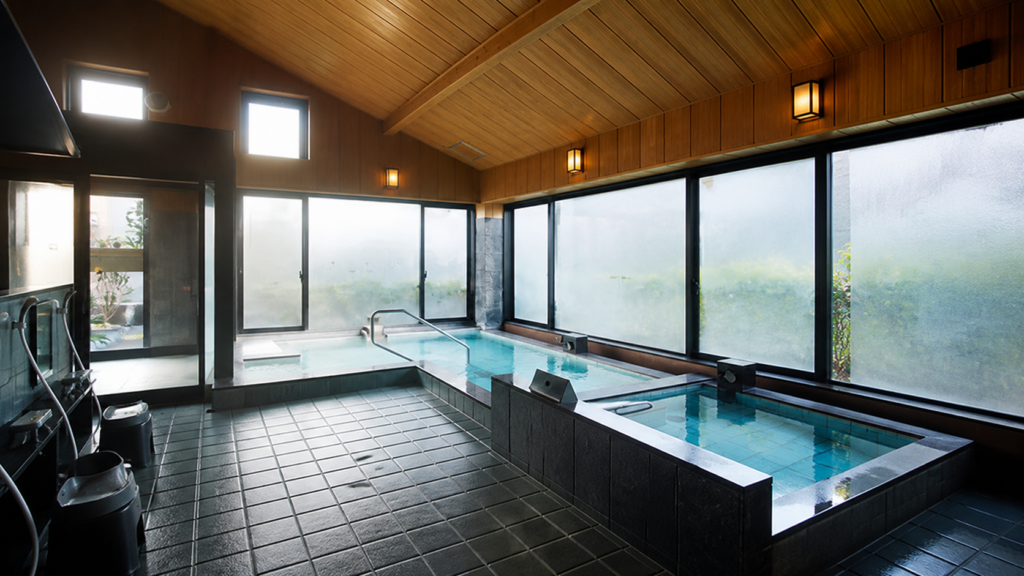
Maenohara Onsen Sayanoyudokoro in Itabashi, officially styled in English as Saya-No-Yudokoro, is built around natural hot spring water drawn from underground. The water has a dark greenish-brown color, and the outdoor bath area is designed around a traditional Japanese garden setting.
The appeal is not luxury in the hotel-spa sense. Instead, the experience feels closer to a high-quality neighborhood super sento: local bathers, practical rules, affordable entry, and a relaxed residential location. (If you enjoy this vibe, you might even consider staying in a residential area like Itabashi). That is why it often suits travelers searching for a non-touristy onsen Tokyo experience rather than a famous sightseeing facility.
For a quieter visit, avoid the busiest periods: Saturday evenings, Sunday afternoons, long weekends, and major holiday seasons. A weekday daytime visit is usually a safer choice if your schedule allows it.
Can You Enter Sayanoyudokoro with Tattoos?
Sayanoyudokoro is not fully tattoo-friendly, but it does have a limited tattoo cover policy. As of May 2026, visitors with tattoos may enter only if every tattoo can be completely hidden by up to two designated cover stickers. Each sticker is approximately 11 cm by 20 cm and costs ¥310.
This rule is strict. If your tattoo cannot be fully covered by two stickers, or if you do not agree to buy and use the official cover stickers, you should expect to be refused entry. Full sleeves, large back pieces, large leg tattoos, or multiple visible tattoos are unlikely to fit the rule.
If your tattoo is too large for Sayanoyudokoro’s two-sticker rule, look for a fully tattoo-friendly sento instead of risking being turned away at the front desk.
What Are the Local Bathhouse Rules in Tokyo?
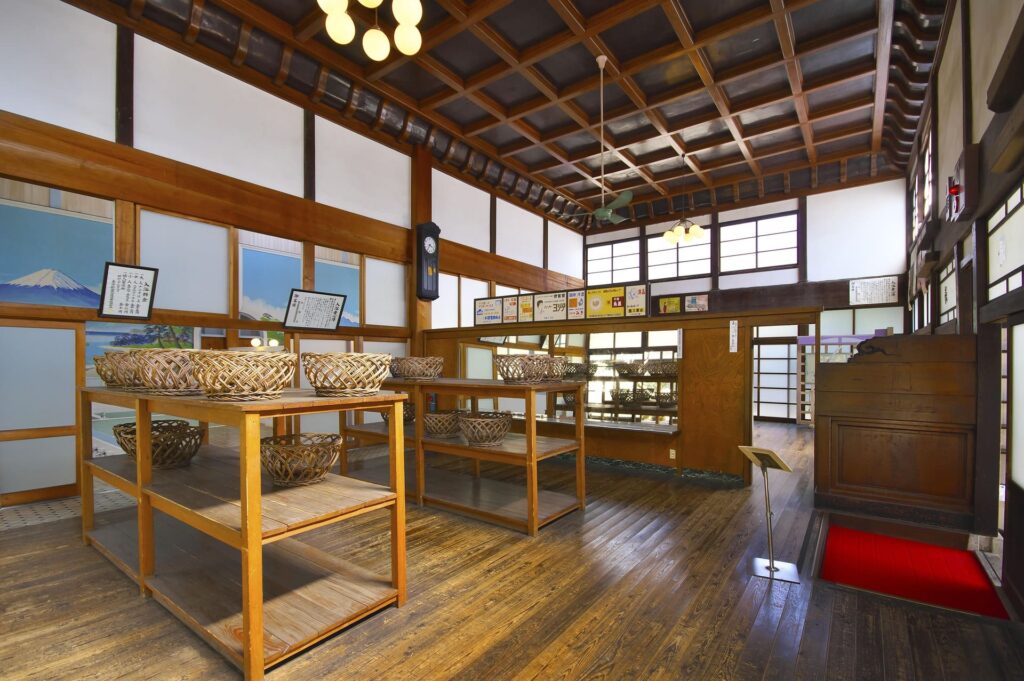
The rules at Sayanoyudokoro are similar to many local Japanese bathhouses. The important point is that the bath is for soaking, not washing. You clean your body first, then enter the shared hot spring water.
Do You Wear a Swimsuit?
No. Swimsuits are not allowed in traditional Japanese onsens and sentos. You undress completely in the changing room and enter the bathing area naked. Men and women use separate bathing areas.
What Should You Do Before Entering the Bath?
Before entering any bath, sit at a washing station and wash your body with soap and shampoo. Rinse off completely so that no soap, shampoo, sweat, or dirt enters the bathwater.
You may also see the word kakeyu, which means rinsing your body with warm water before entering the bath. For first-time visitors, the safest approach is to wash properly at the shower station before soaking.
Can Your Towel Touch the Water?
No. Keep your small modesty towel out of the bathwater at all times. You can use it to cover yourself while walking, then fold it and place it on your head or leave it beside the bath while soaking.
Do not wring the towel into the bath, wash it in the bath, or let it float in the water. This is one of the most common etiquette mistakes visitors make.
Can You Use Your Phone?
No. Do not use phones, cameras, smartwatches, sauna watches, or other electronic devices in the changing room or bathing area. Even checking messages can look like a serious privacy violation in a public bath setting.
What Should You Do Before Returning to the Locker Room?
Before leaving the bathing area, use your small towel to wipe off excess water from your body. This helps keep the changing room floor dry and safe for other guests.
How Do You Get to Sayanoyudokoro?
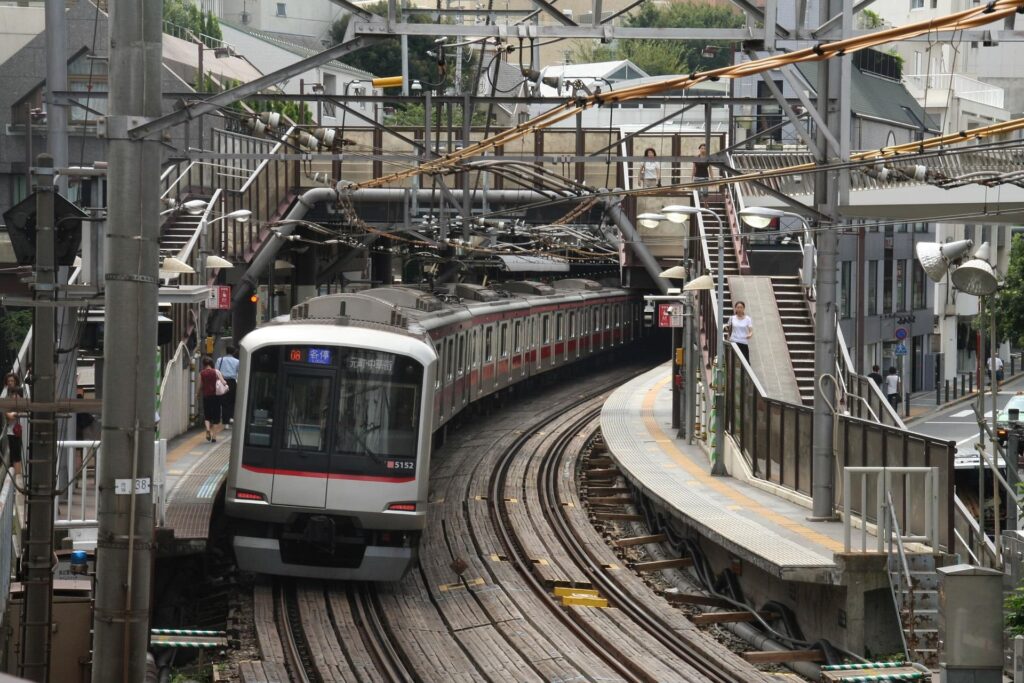
The easiest train route is to travel to Shimura-Sakaue Station and leave from Exit A2. From there, Sayanoyudokoro is about an 8-minute walk. Bus routes are also available from areas such as Tokiwadai and Akabane, but there is no dedicated shuttle bus.
The walk is manageable in normal weather, but it can feel less appealing after a hot bath, especially in rain, winter cold, or summer humidity. If you are traveling with children, older family members, hauling heavy luggage (make sure to store your luggage securely beforehand), or anyone with mobility concerns, a taxi from the station or a private car can make the visit much easier.
Should You Use the Train, a Taxi, or a Private Chauffeur?
Sayanoyudokoro is not difficult to reach, but the best transport choice depends on your budget, weather, group size, and how relaxed you want to feel after bathing. For many travelers, the train and walk are perfectly fine, especially if you are already using a Suica or subway pass to get around the city. For families, older travelers, or anyone visiting at night or in bad weather, a taxi or private car may be more comfortable.
| Option | Best For | Watch Out For |
|---|---|---|
| Train + 8-minute walk | Solo travelers, couples, and budget-focused visitors who are comfortable using local trains. | The walk can feel less pleasant after bathing in rain, cold weather, or summer humidity. |
| Taxi from the station | Travelers who want an easy final leg without paying for a full private tour. | You may need to use a taxi app or ask staff for help if you do not speak Japanese. |
| Private chauffeur or custom tour | Families, older travelers, visitors with mobility concerns, or anyone combining the onsen with other Tokyo stops. | It costs more than public transport, so it makes the most sense when comfort and door-to-door travel matter. |
Is a Private Chauffeur Worth It for Sayanoyudokoro?
A private chauffeur is not necessary for every visitor. If you are staying near the Toei Mita Line, traveling light, and visiting in good weather, the DIY train route is usually enough.
It becomes more useful if you are visiting with children, traveling with older family members, planning a late evening soak, or building Sayanoyudokoro into a wider Tokyo itinerary. In those cases, door-to-door transport can make the bathhouse feel like a calm final stop instead of one more navigation task.
Frequently Asked Questions About Sayanoyudokoro
Can I wear a swimsuit at Sayanoyudokoro?
No. Swimsuits are not allowed in the public bathing areas. Like most traditional Japanese onsens and sentos, Sayanoyudokoro requires visitors to bathe naked in gender-separated areas.
Do I need a reservation?
You do not need a reservation for regular bathing. You can arrive, check in at the front desk, and pay the admission fee. The private bath is different and should be booked in advance.
Does Sayanoyudokoro have a private bath?
Yes. Sayanoyudokoro has a private bath called AKARI. As of May 2026, it costs ¥2,100 per hour, separate from the regular admission fee.
There is an important rule for couples and families: due to Tokyo and Itabashi ward regulations, men and women aged 7 or older cannot use the private bath together, even if they are married or family members.
Can couples bathe together?
Not in the regular public baths. Men and women use separate bathing areas. The private bath also has restrictions for mixed-gender use by guests aged 7 or older, so do not assume it works like a mixed private onsen in a ryokan.
Can I enter if I have tattoos?
Only if every tattoo can be completely covered by up to two designated tattoo cover stickers. As of May 2026, each sticker costs ¥310 and measures about 11 cm by 20 cm. If your tattoos cannot be fully hidden by those two stickers, Sayanoyudokoro is not a safe choice.
What should I do if my tattoo is too large?
Choose a fully tattoo-friendly sento or bathhouse instead. It is better to plan an alternative than arrive at Sayanoyudokoro and be refused entry at the front desk.
Do I need to bring towels?
No. You can rent a towel set at the front desk. As of May 2026, a bath towel and face towel set costs ¥380. Bringing your own towel is also fine if you want to save money.
When is Sayanoyudokoro busiest?
The busiest times are usually weekends, holiday periods, and the afternoon-to-evening window. If you want a calmer experience, aim for a weekday daytime visit and avoid Saturday evenings, Sunday afternoons, long weekends, and major holidays.
Is Sayanoyudokoro beginner-friendly for foreign visitors?
Yes, if you prepare before going. The main rules are simple: remove your shoes at the entrance, undress fully in the changing room, wash before entering the bath, keep your towel out of the water, avoid phones and cameras, and stay quiet in shared bathing areas.
Is the onsen easy to reach from central Tokyo?
It depends on where you are staying. The nearest station is Shimura-Sakaue Station, and the walk from Exit A2 takes about 8 minutes. There is no shuttle bus, so plan extra comfort if you are visiting in bad weather or returning late at night.
If you want to combine Sayanoyudokoro with other Tokyo stops and avoid public transport after bathing, a private car can be a comfortable option.
Check Private Customizable City Tour options here
Final Verdict: Is Sayanoyudokoro the Right Non-Touristy Onsen in Tokyo for You?
Sayanoyudokoro is a strong choice if you want a local-feeling Tokyo onsen with natural hot spring water, outdoor baths, and traditional bathhouse etiquette without leaving the city. It is especially good for travelers who are comfortable bathing naked, following local rules, and making a short trip into a residential part of Tokyo.
It is not the best option if you have tattoos that cannot be covered by two official stickers, want to wear a swimsuit, need mixed-gender bathing, or prefer a central tourist spa with maximum English-language support.
For most first-time visitors, the smartest plan is to go on a weekday, check the official rules before visiting, bring or rent towels, and decide your transport based on the weather and your energy level after bathing.
If comfort matters more than saving on transport, a private chauffeur can turn the visit into an easy door-to-door evening instead of a train-and-walk trip.
Check availability and exact vehicle options for the Private Chauffeur Tour here
Hi, I’m Kai. I’m a Tokyo-based travel writer, tourism industry insider, and the author of a published guidebook for international visitors to Japan. With over 10 years of professional experience at a leading Japanese tourism company, my mission is to help you skip the tourist traps and navigate Japan’s best destinations like a local. I believe the perfect day trip is like a traditional kaiseki meal: a beautiful balance of precise planning and unforgettable seasonal discovery. When I’m not out conducting field research, you’ll usually find me drafting new itineraries with one of my favorite fountain pens!