
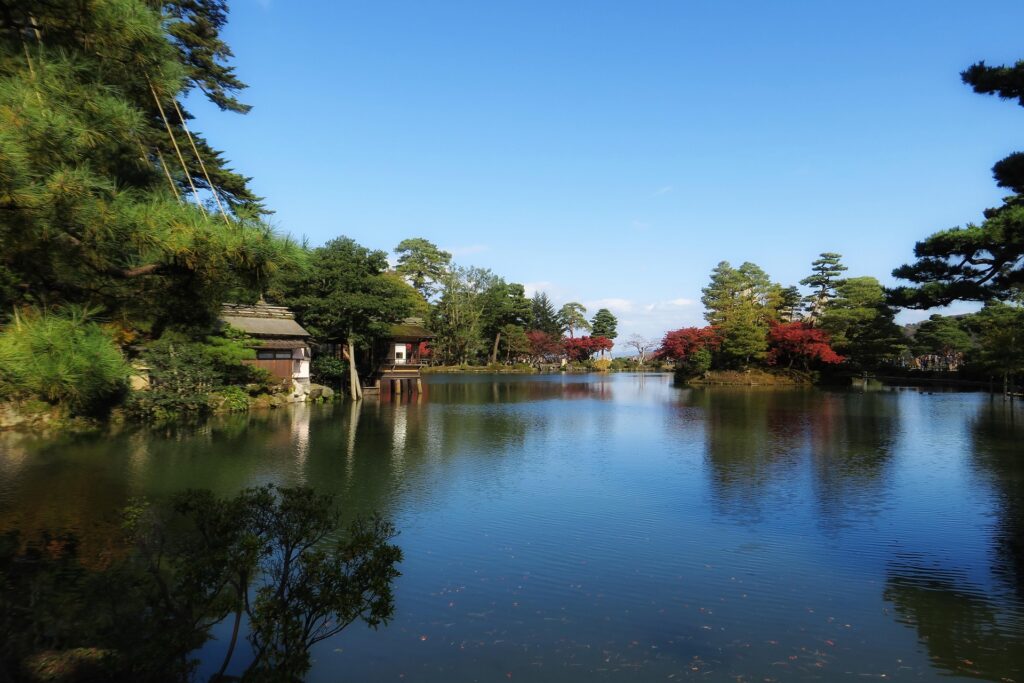
Kanazawa is best known for seafood, but that does not mean vegetarian, vegan, halal, or gluten-free travelers should skip it. You can eat well here, but Kanazawa is not a city where I would rely on random walk-ins if your dietary needs are strict.
Quick Answer: Kanazawa is manageable for travelers with dietary restrictions, but it rewards planning. Seafood culture, hidden dashi, standard soy sauce, and cooking alcohol make many traditional dishes harder to judge from the menu alone. Your safest plan is to choose a few restaurants that already understand your needs, check current hours and menu details before you go, and use local help if communication risk is a serious concern.
- Vegetarian and vegan: Possible, but hidden fish stock appears in many traditional dishes. Dedicated vegan or clearly vegetarian-friendly restaurants are your safest starting point.
- Halal: Limited, but there are practical international restaurants where ingredient questions are usually easier to handle than at standard local eateries.
- Gluten-free: Possible with planning. Standard soy sauce usually contains wheat, and many fried dishes use wheat flour. Rice-flour cafes and ingredient-aware restaurants are the most useful options.
If you only remember one thing: in Kanazawa, choose restaurants that already understand your dietary needs rather than hoping a traditional restaurant can adjust a dish on the spot.
If your dietary needs are strict and you want help with reservations, menu questions, or explaining restrictions in the moment, a private local guide can reduce stress during a short Kanazawa stay.
At a Glance: Best Kanazawa Picks for Dietary Restrictions
- Best for strict vegan travelers: SIU.COFFEE +VEG
- Best for halal-friendly full meals: Aashirwad
- Best for gluten-free breakfast or dessert: Cafe Tamon
- Best vegan-friendly sushi experience: COIL
- Best extra vegan option near Kenrokuen: Kenrokutei, if the vegan menu is available when you visit
- Best strategy for peace of mind: Check restaurants in advance and confirm ingredients before you go
Quick Dietary Reference Table
Use this table to decide where to eat first. These are practical places to start if you need restaurants that are easier for international travelers to understand and plan around. Prices, opening hours, holidays, menu items, and dietary handling can change, so always confirm current details before you visit.
| Restaurant Name | Best For | Location Area | Veg / Vegan | Halal | Gluten-Free | Budget Level | Planning Note |
|---|---|---|---|---|---|---|---|
| Aashirwad | Indian and Nepalese meals, vegetarian curries, Muslim-friendly dining questions | Nagamachi / Seseragi Street | Yes | Confirm by dish | Ask staff | Moderate | Useful for mixed-diet groups; confirm halal and gluten-free details before ordering |
| SIU.COFFEE +VEG | Plant-based cafe meals, sweets, coffee | Saiwai-machi | Yes, vegan | No | Some wheat-free options may be listed | Casual cafe | Check the current menu and opening days before building your route around it |
| COIL | Vegan-friendly hand-rolled sushi and interactive dining | Near Omicho Market | Yes | No | Limited; ask staff | Casual to moderate | Good for travelers who want a Japanese-style meal without relying on seafood |
| Cafe Tamon | Rice-flour pancakes, breakfast, sweets | Higashi Chaya District | Not vegan | No | Rice-flour pancakes; confirm cross-contact | Cafe | Useful for gluten-free travelers who are not vegan; check toppings and kitchen handling |
| Kenrokutei | Possible vegan seasonal vegetable meal inside Kenrokuen Garden | Kenrokuen Garden | Vegan menu may be available | No | Check | Varies by menu | Treat as a convenient bonus option, not your only lunch plan |
These restaurants are not the only places in Kanazawa where you may find suitable food, but they are useful first stops because they are easier to plan around than random walk-in restaurants.
Kai’s tip: The mistake I see travelers make is saving restaurant decisions until they are already hungry. In Kanazawa, I would choose one lunch candidate and one dinner candidate before leaving your hotel, then keep a backup within walking distance of your sightseeing route. This matters even more on days when you visit Kenrokuen Garden, Omicho Market, and Higashi Chaya in one loop.
Why Ordering in Kanazawa Can Be Tricky
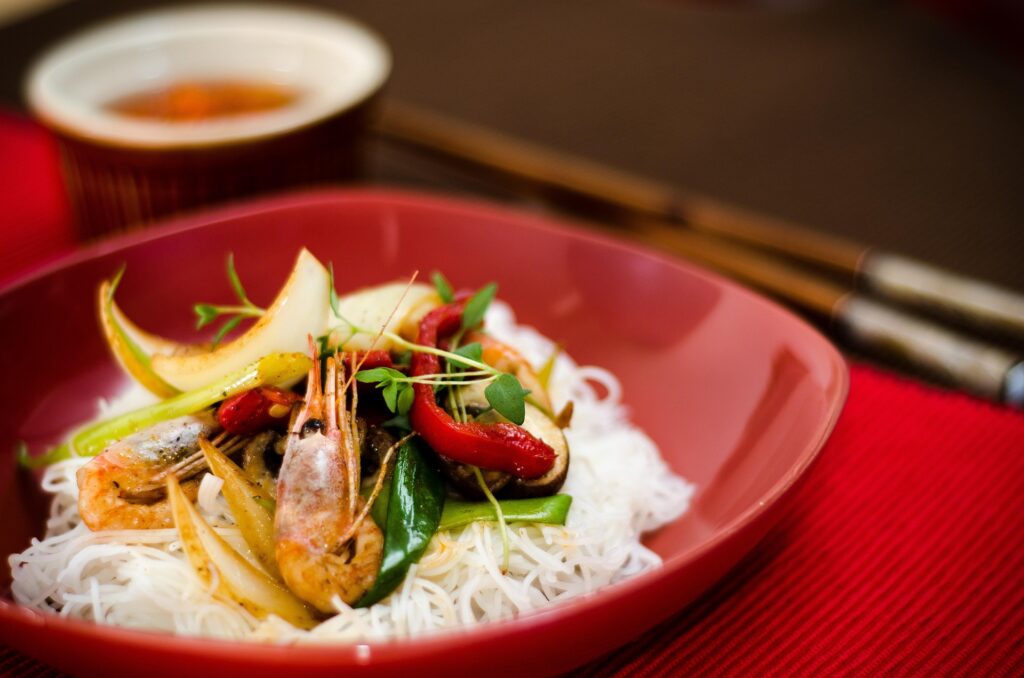
Before you look for specific restaurants, it helps to understand why a simple-looking dish in Japan is not always safe for your diet. In Kanazawa, the biggest problem is usually not the main ingredient. It is the seasoning, stock, or sauce used in the background.
- The dashi trap for vegetarians and vegans: Dashi is a traditional Japanese stock often made from bonito fish flakes. Even tofu, udon, simmered vegetables, and soups may contain it unless the restaurant clearly says otherwise.
- The soy sauce trap for gluten-free travelers: Standard Japanese soy sauce usually contains wheat, which means marinades, dipping sauces, and many cooked dishes are not automatically gluten-free.
- The mirin and sake trap for halal travelers: Cooking alcohol is widely used in Japanese sauces and glazes, even in dishes that do not obviously look alcohol-based.
This is why dedicated vegan restaurants, Muslim-friendly international restaurants, and clearly explained cafe menus are usually the lowest-stress options in Kanazawa.
For Strict Diets: When a Private Local Guide Is Worth It
If you have a mild preference, this restaurant list may be enough. If your restriction is strict, religious, medical, or allergy-related, the real challenge is not just finding a restaurant. It is confirming the details clearly enough before you commit to a meal.
A private walking tour is not a guaranteed allergy service, and it does not replace direct confirmation with restaurants. But for a short Kanazawa stay, local help can make the day feel much less uncertain, especially if you want sightseeing and safe meal planning to work together.
Why I’d book this one
- It is private and customizable: The value is flexibility. You can shape the walk around Kenrokuen, Higashi Chaya, Nagamachi, Omicho Market, or cafe stops instead of following a fixed group route.
- It helps with real-world communication: A local guide can help you ask better questions about dashi, soy sauce, mirin, meat stock, shared fryers, and whether a restaurant can realistically adapt a dish.
- Reviews point to useful local support: Travelers consistently mention customized routes, city orientation, easy conversation, and local recommendations. That is exactly the kind of support dietary travelers often need in Kanazawa.
| Option | Best For | Dietary Planning Strength | Price / Availability |
|---|---|---|---|
| Self-guided restaurant plan | Flexible travelers with mild restrictions | Works if you pre-check restaurants and carry translation notes | No tour cost; restaurant details still need checking |
| Private walking tour with a local guide | Strict vegan, halal, gluten-free, allergy-aware, or mixed-diet travelers | Best when you want sightseeing, restaurant questions, and route planning handled together | Check current availability and terms on the booking page |
Best Vegan & Vegetarian Restaurants in Kanazawa
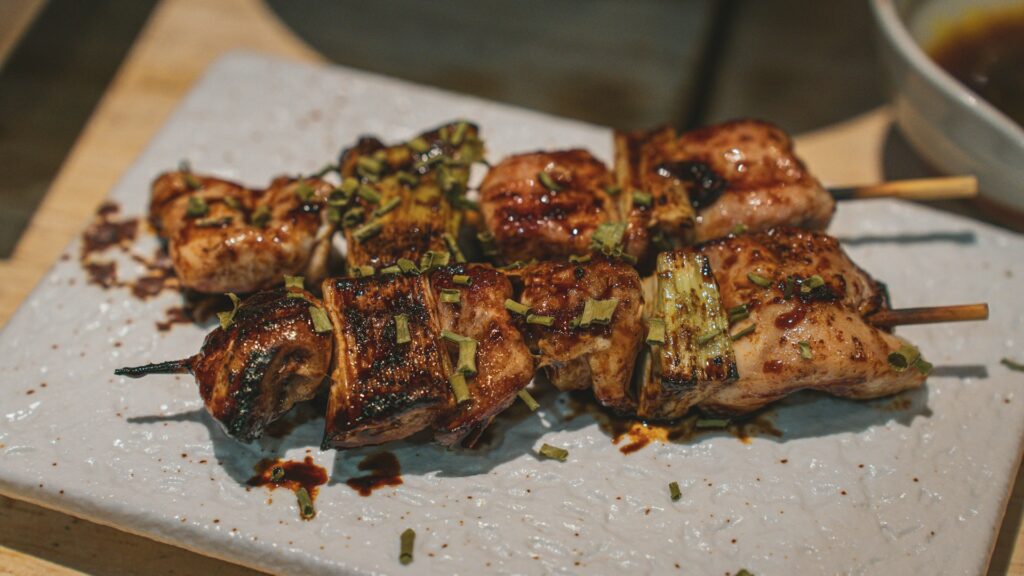
Kanazawa’s vegan dining scene has become more useful for travelers in recent years. You still need to plan, but you now have more than one practical plant-based option.
SIU.COFFEE +VEG — Fully Plant-Based Cafe
SIU.COFFEE +VEG is one of the easiest choices for strict vegan travelers in Kanazawa because it is listed as a plant-based cafe with vegan and vegetarian support. Located in Saiwai-machi, it is a good option when you want a low-stress meal away from seafood-heavy tourist areas.
- What to expect: Plant-based cafe food such as falafel-style meals, vegan sweets, coffee, and changing menu items.
- Why it works well: It removes much of the uncertainty around hidden fish stock, meat-based broth, eggs, and dairy.
- Planning note: Smaller cafes can have limited hours, menu changes, or irregular closing days. Check the latest social media or listing before visiting.
- Good fit for: Strict vegans, vegetarians who want a simple meal plan, and travelers who also need to ask about wheat-free options.
Kai’s tip: Do not assume tofu, vegetable tempura, miso soup, or rice balls are automatically vegan in Japan. What catches people out is the base seasoning, not the visible topping. When I send friends to smaller regional cities, I tell them to ask about stock and sauce first, then ask about the main ingredient second.
COIL — Vegan-Friendly Hand-Rolled Sushi
COIL is a useful option if you want a Japanese-style meal experience without relying only on seafood. The restaurant is known for hand-rolled sushi sets, and tourism listings have included vegetarian and vegan menu information.
- What to expect: A build-your-own hand-rolled sushi experience with vegetable-based fillings. Vegetarian and vegan choices should be separated carefully, as some vegetarian items may contain egg or dairy.
- Why it works well: It gives plant-based travelers a more interactive Japanese food experience than a standard cafe meal.
- Planning note: Holidays, last orders, and menu availability can change. Confirm current information before you go.
- Good fit for: Mixed-diet groups, travelers near Omicho Market, and visitors who want a fun Japanese dining experience with vegan-friendly options.
Kenrokutei — Possible Vegan Lunch Inside Kenrokuen Garden
Kenrokutei, located inside Kenrokuen Garden, has been reported as offering a vegan seasonal vegetable meal using local vegetables. This can be very convenient if you want a plant-based lunch without leaving the garden area.
- What to expect: A Japanese restaurant and cafe setting inside Kenrokuen Garden. Vegan menu availability may vary, so confirm before planning your lunch around it.
- Why it is useful: Vegan-friendly meals inside major sightseeing spots are still not common, so this can save time during a Kenrokuen-focused day.
- Planning note: Lunch and cafe hours may differ, and seasonal menus can change. Check current details before relying on it.
- Good fit for: Travelers visiting Kenrokuen Garden who want a convenient plant-based lunch, provided the vegan item is available that day.
Best Halal-Friendly Restaurant in Kanazawa
Halal dining is harder to find in Kanazawa than vegetarian or vegan dining, especially if you want to avoid the uncertainty of mirin, cooking sake, and unclear meat sourcing in traditional Japanese restaurants.
Aashirwad
Near the Nagamachi Samurai District, Aashirwad is one of the most practical options for Muslim travelers and mixed-diet groups in Kanazawa. It is an Indian and Nepalese restaurant with clear meal components, vegetarian options, and staff who are used to dietary questions.
- Why it works well: Indian and Nepalese dishes are usually easier to discuss than traditional Japanese set meals if you need to ask about meat, broth, alcohol, dairy, or wheat.
- Important halal note: Do not assume every dish automatically meets your personal halal requirements. If halal compliance is important for you, contact the restaurant or confirm with staff before ordering.
- What to expect: Curries, rice dishes, naan, dal, and vegetarian options. Vegan and gluten-free requests may be possible depending on the dish, but always ask.
- Planning note: Opening days and meal service hours can change. Check the latest restaurant information before you go.
- Good fit for: Halal-conscious travelers, vegetarians, mixed-diet groups, and travelers who want an easier ingredient conversation near Nagamachi.
Best Gluten-Free Spot in Kanazawa
Kanazawa is not an easy city for fully gluten-free Japanese meals, but it does have a very useful option for breakfast, dessert, or a sightseeing break.
Cafe Tamon
Right in the heart of the historic Higashi Chaya District, Cafe Tamon is a strong stop for travelers looking for rice-flour pancakes. The cafe is especially convenient if you want something sweet before or after walking through one of Kanazawa’s most atmospheric historic areas.
- Why it is useful: The pancakes are made with rice flour, making this a realistic option for travelers avoiding wheat flour in standard pancakes.
- Important dietary note: Cafe Tamon is not vegan. Menu items may include eggs, milk, butter, whipped cream, honey, or other animal-derived ingredients.
- Gluten-free caution: Do not treat it as a guaranteed dedicated gluten-free kitchen. If you have celiac disease or a serious allergy, confirm toppings, sauces, and cross-contact with staff before ordering.
- Planning note: Daytime hours, last orders, and closing days can change. Check the latest details before visiting.
- Good fit for: Gluten-free travelers who are not vegan, pancake lovers, and visitors who want a comfortable break in Higashi Chaya.
Other New or Useful Vegan-Friendly Options
Kanazawa’s food scene changes quickly, and some newer restaurants or bars have started adding vegan-friendly dishes. These can be useful, but they should be treated as bonus options rather than your only meal plan.
| Restaurant | Type | Dietary Focus | Area | Planning Note |
|---|---|---|---|---|
| Sansan | Izakaya / Japanese-style pub | Vegan-friendly dishes may include oden or plant-based comfort food | Katamachi area | Some vegan items may need advance confirmation or reservation |
| BAR Starlit | Bar with food menu | Vegan-friendly bar food such as tacos may be available | Central nightlife area | Better for dinner, drinks, or a late meal than a daytime plan |
Because bar and izakaya menus can change often, check current hours, food availability, and vegan menu details before building your evening around either option.
Backup Plan: What to Eat When Restaurants Are Closed
Even with careful planning, you may run into a closed restaurant, especially because some smaller restaurants in Kanazawa have irregular holidays or limited lunch hours. Here is what to do when your first-choice restaurant is unavailable.
- Convenience stores: 7-Eleven, FamilyMart, and Lawson can be useful for emergency snacks, drinks, fruit, plain rice balls, and packaged items. Always check labels, because bonito flakes, meat extracts, egg, dairy, and wheat can appear in unexpected places.
- Supermarkets: Larger grocery stores can be useful for fruit, rice, salads, packaged tofu, and simple snacks. Ingredient labels are usually in Japanese, so translation apps help.
- Indian and Nepalese restaurants: These are often easier for vegetarian travelers than traditional Japanese restaurants. Vegan, halal, and gluten-free needs still require confirmation by dish.
- Simple cafe meals: Coffee shops with plant-based milk can help for a break, but do not assume pastries or sandwiches are vegan or gluten-free without checking.
Kai’s tip: Convenience stores are useful, but I never treat them as a complete solution for strict diets. The safest emergency items are usually the plainest ones, but even then you need to read labels because flavor packets, fillings, and sauces can change the answer. A translation app is not perfect, but it is much better than guessing from the photo on the package.
Top Kanazawa Cafes for a Coffee Break
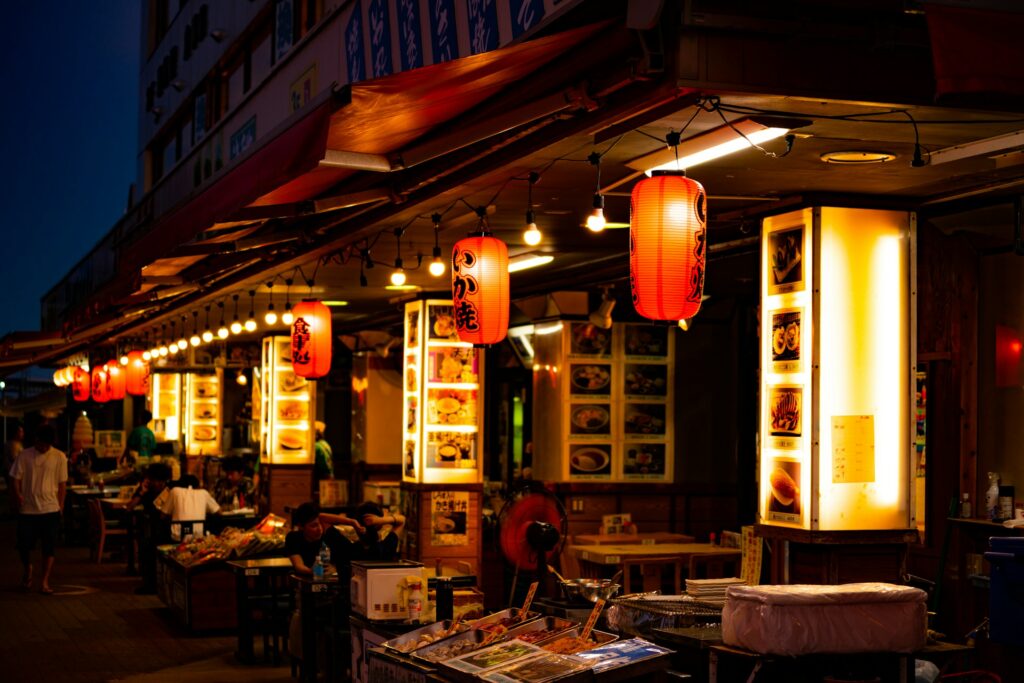
Not every meal needs to be a full restaurant stop. If you want a comfortable break with good coffee and possible non-dairy milk options, these cafes are useful additions to your Kanazawa plan.
Curio Espresso and Vintage Design
Located a short walk from Omicho Market, Curio Espresso and Vintage Design is a reliable choice for international travelers who want excellent coffee and easy communication. The welcoming atmosphere and English-friendly service make it especially appealing if you have been navigating ingredient questions all day.
- Best for: A central coffee stop near major sightseeing areas.
- Dietary note: Plant-based milk options may be available, but always confirm current choices before ordering.
Townsfolk Coffee
Townsfolk Coffee is a strong pick if you prefer a modern cafe with specialty coffee and a relaxed atmosphere. It is a simple place to pause, recharge, and ask about non-dairy milk if needed.
- Best for: Light-roast coffee fans and travelers looking for a quieter break.
- Dietary note: Useful for drinks, but do not assume food items are vegan or gluten-free without checking.
Plan Your Meals by Area
One of the easiest ways to avoid food stress in Kanazawa is to match your restaurant choices to your sightseeing route. That way, you are not searching for a safe meal only after you are already hungry.
Kai’s tip: If I had one day in Kanazawa with dietary restrictions, I would not build the route around Omicho Market for lunch. I would enjoy Omicho as a sightseeing stop, then aim for a clearer restaurant nearby or move toward the area where my confirmed meal option is located. That small shift prevents the common problem of standing in a seafood market trying to negotiate a custom meal at peak time.
Kenrokuen Garden Area
- Best possible meal option: Kenrokutei, if the vegan seasonal item is available when you visit.
- Good for: Travelers visiting Kenrokuen Garden who want a plant-based lunch without leaving the park area.
- What to keep in mind: Lunch hours, holidays, and vegan menu availability can change. Confirm before relying on it.
Omicho Market / Kanazawa Castle Area
- Best meal options: COIL for a vegan-friendly sushi experience, or SIU.COFFEE +VEG if it fits your route and opening hours.
- Good for: Plant-based travelers visiting Kanazawa Castle, Omicho Market, or nearby museums.
- What to keep in mind: Omicho Market itself is famous for seafood. Treat it as a sightseeing stop, not your main vegan or halal meal plan.
Higashi Chaya District
- Best stop: Cafe Tamon.
- Good for: Rice-flour pancakes, breakfast, sweets, or a slower cafe break.
- What to keep in mind: Not vegan. Confirm toppings and cross-contact if you have celiac disease or a serious allergy.
Nagamachi Samurai District
- Best meal option: Aashirwad.
- Good for: Vegetarian diners, halal-conscious travelers, gluten-free questions, and flexible lunch or dinner planning.
- What to keep in mind: Confirm opening days and halal details by dish if needed.
What to Double-Check Before You Order
Even when a restaurant looks suitable, it is still smart to confirm the details that matter most to your diet. In Japan, the problem is often not obvious from the menu name alone.
- For vegetarians and vegans: Ask whether the dish contains dashi, bonito flakes, oyster sauce, chicken extract, pork extract, or meat-based broth.
- For halal travelers: Ask about meat sourcing and whether sauces include mirin, cooking sake, wine, or other alcohol-based ingredients.
- For gluten-free travelers: Ask about soy sauce, marinades, fried coatings, noodles, shared fryers, and kitchen cross-contact.
- For everyone with strict needs: Check opening hours, seasonal menu changes, and whether the restaurant can realistically accommodate requests.
Kai’s tip: A Japanese phrase card helps, but it is not magic. If staff look unsure, hesitate, or say the base sauce is already prepared, I would take that seriously and choose a safer option. In Japan, politeness sometimes means people try hard to help even when the kitchen cannot truly change the dish.
Useful Japanese Phrase
You can show staff this phrase if you need to avoid meat and fish stock:
Niku to sakana no dashi wa nuki de onegaishimasu.
It means, “Please make it without meat or fish stock.” Even so, some restaurants may not be able to change their base ingredients once they have already been prepared.
If a restaurant seems unsure, it is usually better to choose a place that already understands your needs rather than trying to force a complicated custom order.
Need Extra Help? The Lowest-Stress Option in Kanazawa
If your dietary rules are strict, or if accidental ingredients are a serious concern, arranging local support can save time and stress. A bilingual guide can help with route planning, reservations, menu questions, and communication that is difficult to handle at the door of a busy restaurant.
- Best for: Strict vegan travelers, halal-conscious travelers, gluten-free travelers with serious concerns, mixed-diet groups, and anyone with severe allergies.
- Most useful when: You want to combine sightseeing with pre-planned meals instead of searching restaurant by restaurant.
- Important limit: A guide can help you ask better questions, but restaurants still make the final decision about ingredients, cross-contact, and whether substitutions are possible.
My recommendation for strict-diet travelers
If a wrong ingredient would only be disappointing, use the restaurant list above and plan carefully. If a wrong ingredient would ruin your day, violate a religious requirement, or create a health risk, I would seriously consider booking local help for your first Kanazawa day.
Reviewers of this private walking tour frequently highlight customized routes, friendly communication, local knowledge, and useful recommendations. For dietary travelers, that matters because the strongest value is not just sightseeing. It is having a local person help you make better decisions before you sit down to eat.
👉 Check availability and current details for a custom private Kanazawa walking tour with a local guide
FAQ: Dietary Needs in Kanazawa
Is Kanazawa easy for vegetarians?
Kanazawa is manageable for vegetarians, but it is not effortless. The biggest issue is hidden fish stock in traditional Japanese cooking, so it is much safer to go to places that already offer clearly vegetarian or vegan meals.
Is Kanazawa good for vegan travelers?
Kanazawa is possible for vegan travelers if you plan ahead. SIU.COFFEE +VEG is one of the easiest starting points for a plant-based meal, while COIL and some newer venues can add variety if their current menus match your needs.
Is Kanazawa good for halal travelers?
Kanazawa is more limited for halal travelers than larger cities like Tokyo or Osaka. Aashirwad is one of the most practical full-meal options, but you should confirm halal requirements by dish before ordering. Avoid relying on spontaneous restaurant choices if your requirements are strict.
Is Omicho Market vegan or halal friendly?
Omicho Market is famous for seafood, so it is not the easiest place for a full vegan or halal meal. It is worth visiting for the atmosphere, but it is better treated as a sightseeing stop than your main food plan.
Do regular Japanese restaurants offer vegetarian options?
Sometimes, but not always in the way international travelers expect. A dish may look vegetarian and still contain fish-based stock, bonito flakes, or a sauce that does not fit your diet. That is why dedicated or clearly accommodating restaurants are the safer choice.
What ingredients should I watch for in Japan?
The most common hidden issues are dashi for vegetarians and vegans, soy sauce for gluten-free travelers, and mirin or cooking sake for halal travelers. These ingredients appear in many dishes that do not look problematic at first glance.
How do I say “No meat or fish broth” in Japanese?
You can show staff this phrase:
Niku to sakana no dashi wa nuki de onegaishimasu.
It means, “Please make it without meat or fish stock.” Even so, some restaurants may not be able to change their base ingredients once they have already been prepared.
Is there halal food near Kanazawa Station?
Kanazawa Station area has limited halal dining. For a full meal, Aashirwad in Nagamachi is usually a more practical option than trying random restaurants near the station. For quick options, look for Indian or Nepalese restaurants and confirm meat sourcing and alcohol use with staff.
Should I check restaurant hours in advance?
Yes. This is especially important in Kanazawa, where some smaller restaurants and cafes may have irregular hours, limited lunch service, or unexpected closing days. Always check the latest information before you go.
Do I need a guide for dietary restrictions in Kanazawa?
Not always. If your diet is flexible, this guide may be enough. If your needs are strict, a private local guide can help with route planning, restaurant questions, and communication, although restaurants still need to confirm ingredients directly.
Final Verdict: Which Restaurant Should You Choose?
Your best choice depends on your dietary needs, your sightseeing route, and how much flexibility you have. Here is a quick breakdown by traveler type.
- Strict vegan or vegetarian travelers: Start with SIU.COFFEE +VEG for the clearest plant-based choice. Add COIL if you want a more interactive Japanese-style meal, and check whether Kenrokutei has its vegan item available if you are visiting Kenrokuen Garden.
- Halal-conscious travelers: Aashirwad is one of the most practical full-meal options, but confirm requirements by dish. Be careful with traditional Japanese restaurants unless you can clearly confirm ingredients.
- Gluten-free travelers who are not vegan: Cafe Tamon is useful for rice-flour pancakes, but confirm cross-contact if your needs are strict. For savory meals, ask carefully at Aashirwad or other ingredient-aware restaurants.
- Gluten-free and vegan travelers: SIU.COFFEE +VEG is your strongest starting point, but still confirm wheat-free menu availability on the day.
- Mixed-diet groups: Aashirwad or COIL are usually the easiest places to keep everyone at the same table.
- Travelers on a tight schedule: Plan one reliable restaurant near each sightseeing area, and keep convenience stores or supermarkets as your emergency backup.
If you still feel uncertain about navigating Kanazawa’s restaurants with your dietary restrictions, a private guide can help with reservations, menu interpretation, and real-time communication so you can focus on enjoying the city instead of worrying about your next meal.
👉 Check current availability and details for the private Kanazawa walking tour with a local guide
Prices, opening hours, regular holidays, menu items, halal support, gluten-free handling, vegan availability, payment methods, and seasonal operations can change. Always check official restaurant information and your selected booking page before finalizing your trip.

Hi, I’m Kai. I’m a Tokyo-based travel writer, tourism industry insider, and the author of a published guidebook for international visitors to Japan. With over 10 years of professional experience at a leading Japanese tourism company, my mission is to help you skip the tourist traps and navigate Japan’s best destinations like a local. I believe the perfect day trip is like a traditional kaiseki meal: a beautiful balance of precise planning and unforgettable seasonal discovery. When I’m not out conducting field research, you’ll usually find me drafting new itineraries with one of my favorite fountain pens!