
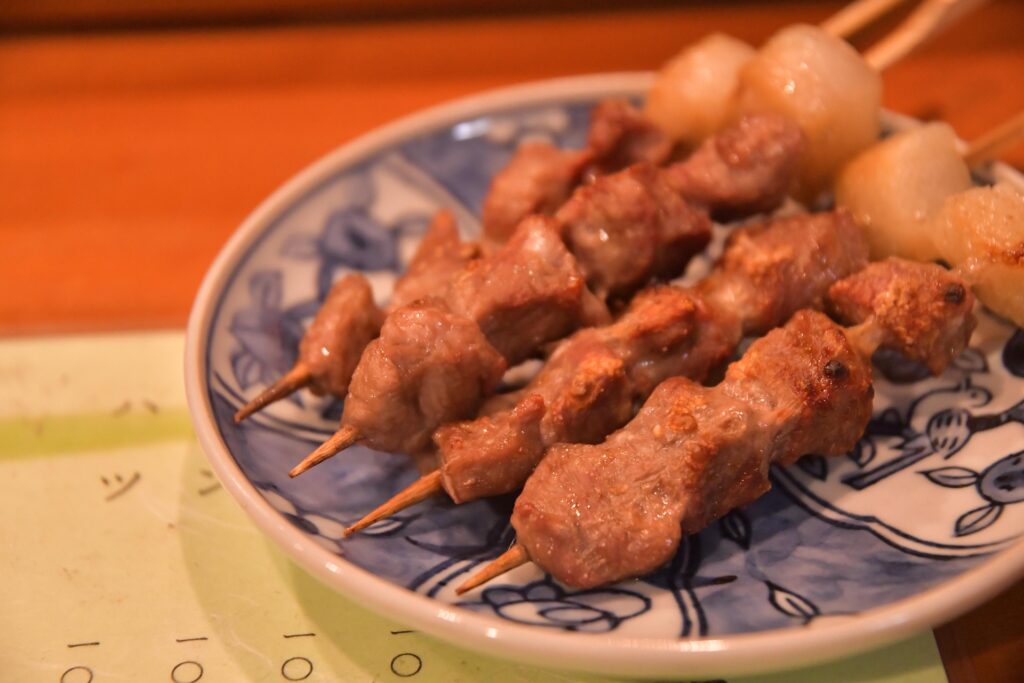
Kanazawa is one of Japan’s best food cities, yet many visitors arrive unsure what to eat first. The short answer: start with a kaisendon seafood rice bowl at Omicho Market for lunch, try nodoguro or Kanazawa oden for dinner, and grab a gold leaf soft serve in Higashi Chaya for dessert. This guide covers the must-try dishes, where to eat them, rough food costs, and how to plan a half-day Kanazawa food itinerary whether you love raw seafood or not.
Quick Answer: What Is Kanazawa Famous For?
Kanazawa is best known for exceptionally fresh seafood from the Sea of Japan, but the local food scene goes far beyond sushi and sashimi. If it is your first visit, focus on three things: a seafood bowl at Omicho Market, one traditional local dish such as Kanazawa oden or jibu-ni, and a gold leaf sweet in Higashi Chaya.
If you only eat three things in Kanazawa:
- Kaisendon — the classic market lunch
- Nodoguro or Kanazawa oden — a more local specialty for dinner
- Gold leaf soft serve — a fun and iconic Kanazawa treat
If you do not eat raw fish, Kanazawa is still worth it. Prioritize Kanazawa oden, jibu-ni, Kanazawa curry, croquettes, Kaga vegetables, Noto beef, and sweets rather than focusing only on sashimi.
If you want help choosing what to eat at Omicho Market and connecting it with Higashi Chaya in one easy route, compare the current food walk details before deciding.
Kanazawa Food at a Glance
| What you want | Best choice | Where to go |
|---|---|---|
| Best first meal in Kanazawa | Kaisendon | Omicho Market |
| Best premium local fish | Nodoguro | Sushi restaurants or seafood-focused dinner spots |
| Best local comfort food | Kanazawa oden | Local oden shops and izakayas |
| Best traditional dish | Jibu-ni | Traditional Japanese restaurants |
| Best sweet treat | Gold leaf soft serve | Higashi Chaya District |
| Best budget meal | Kanazawa curry or market snacks | Omicho Market, Katamachi, or station area |
| Best lunch area | Seafood and market snacks | Omicho Market |
| Best dinner area | Izakaya and local specialties | Katamachi and Korinbo |
Kanazawa Food Budget: What to Expect to Pay
The ranges below are rough planning prices, not fixed menu prices. Actual costs vary by restaurant, season, portion size, exchange rate, and booking platform, so always check the latest menu or booking page before you go.
| Dish / Experience | Typical planning price per person |
|---|---|
| Kaisendon seafood bowl | Often around ¥1,500–¥3,500 |
| Nodoguro sushi or sashimi | Usually a premium item; price varies widely by portion |
| Nodoguro whole grilled fish | Often several thousand yen or more at seafood restaurants |
| Kanazawa oden | Often around ¥800–¥2,000 for a casual serving |
| Jibu-ni set meal | Often around ¥2,000–¥4,000, or included in a course meal |
| Gold leaf soft serve | Usually around ¥900–¥1,200 depending on the shop and branch |
| Kanazawa curry | Often around ¥800–¥1,500 |
| Market snack | Often around ¥250–¥1,000 depending on the item |
| Casual Omicho Market lunch | Often around ¥1,500–¥3,500 |
| Izakaya dinner with drinks | Often around ¥3,000–¥6,000 |
| Kaiseki or multi-course dinner | Often from around ¥5,000 and much higher for premium courses |
| Guided food tour | Varies by date, inclusions, group size, and booking platform |
10 Must-Try Kanazawa Foods
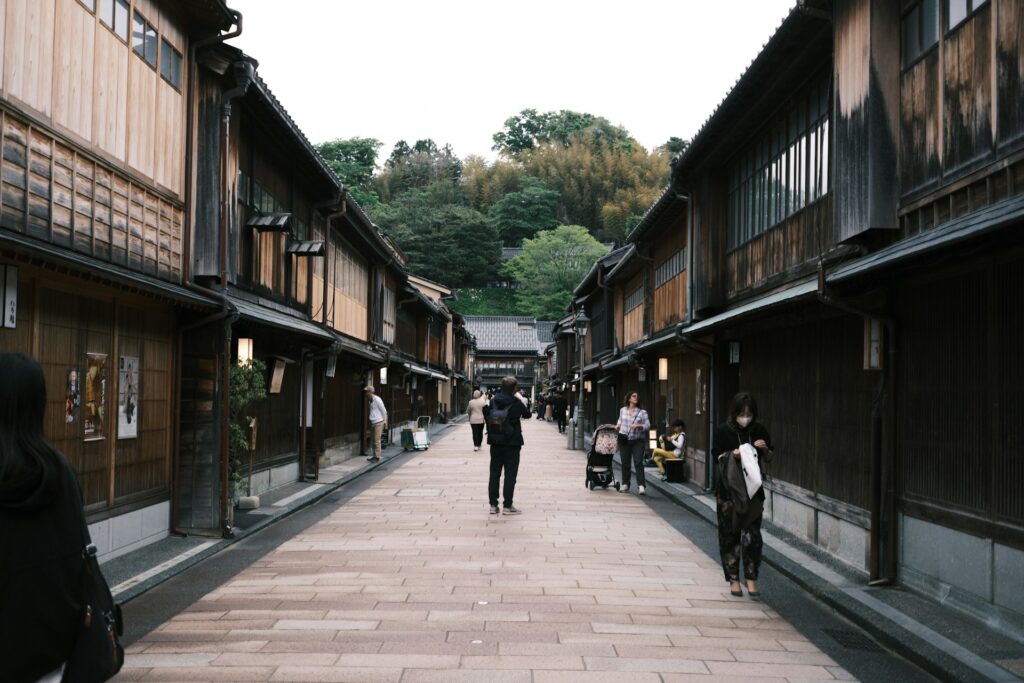
If you only have a short time in the city, prioritize the first five. The next five are useful if you have extra time, want more variety, or are traveling with someone who does not want raw seafood.
| Dish | What it is | Best place to try it | Best for | Approx. cost |
|---|---|---|---|---|
| Kaisendon | Rice bowl topped with fresh local seafood | Omicho Market or nearby seafood restaurants | First-time visitors and lunch | Often around ¥1,500–¥3,500 |
| Nodoguro | Premium fatty rosy seabass | Sushi restaurants or seafood-focused dinners | Travelers wanting a splurge-worthy local fish | Varies widely by cut and portion |
| Kanazawa Oden | Dashi-based hot pot with local ingredients | Local oden shops and izakayas | Anyone who does not want raw fish | Often around ¥800–¥2,000 |
| Gold Leaf Soft Serve | Soft serve topped with edible gold leaf | Higashi Chaya District | Snacking, photos, and sweets | Usually around ¥900–¥1,200 |
| Jibu-ni | Traditional duck or chicken stew in soy-dashi broth | Traditional Japanese restaurants | Travelers interested in historic local cuisine | Often around ¥2,000–¥4,000 as part of a set |
| Kanazawa Curry | Thick curry with tonkatsu, shredded cabbage, and a fork | Curry shops near the station, Omicho, or Katamachi | Budget meals and non-seafood eaters | Often around ¥800–¥1,500 |
| Kaga Vegetables | Traditional local vegetables from the Kanazawa area | Traditional restaurants or seasonal course meals | Travelers wanting local produce | Varies; often part of a set meal |
| Noto Beef | Premium regional wagyu-style beef from Ishikawa | Market stalls or specialty restaurants | Meat lovers and splurge seekers | Varies by cut and serving style |
| Seasonal Snow Crab | Sea of Japan crab, especially popular in winter | Omicho Market or crab-focused restaurants | Winter visitors and seafood enthusiasts | Varies significantly by size and season |
| Market Snacks | Croquettes, grilled seafood, fruit, and quick bites | Omicho Market food stalls | Grazing and light eating | Often around ¥250–¥1,000 each |
1. Kaisendon: Seafood Rice Bowl
Kaisendon is a bowl of rice topped with fresh seafood. In Kanazawa, it often includes ingredients such as sweet shrimp, crab, tuna, salmon roe, or seasonal local fish. This is the easiest and most satisfying Kanazawa lunch for first-time visitors, especially around Omicho Market.
Some bowls are simple and affordable, while premium bowls with crab, uni, nodoguro, or gold leaf toppings can cost much more. Choose based on freshness, portion size, and what you actually want to eat rather than just the most dramatic photo menu.
2. Nodoguro: Rosy Seabass
Nodoguro is a premium white-fleshed fish known for its rich fat and delicate texture. It is often treated as a special local seafood item in Kanazawa and the Hokuriku region. Try it as sushi, sashimi, grilled fish, or lightly seared if you want a more refined seafood experience than a casual market lunch.
Because nodoguro is a premium fish, prices vary widely. A small sushi serving and a whole grilled fish are not comparable, so do not judge value by price alone.
3. Kanazawa Oden
Kanazawa oden is one of the best choices if you want something warm, local, and easy to enjoy even if you do not eat raw seafood. Local versions often feature ingredients such as kuruma-fu, a wheel-shaped wheat gluten cake, and winter-only crab items.
One famous winter specialty is kani-men, made by stuffing the meat, eggs, and innards of female snow crab back into the shell. Availability depends on season and the shop, so treat it as a special winter find rather than something guaranteed year-round.
4. Gold Leaf Soft Serve Ice Cream
Kanazawa is famous for gold leaf, and this is the city’s most photogenic dessert. The gold leaf does not change the flavor, but it turns a simple matcha or vanilla soft serve into a very Kanazawa-style treat. You will easily find it in the Higashi Chaya District and around major sightseeing areas.
Expect prices to vary by shop and branch. Around ¥900–¥1,200 is a safer planning range than assuming one fixed price everywhere.
5. Jibu-ni: Traditional Duck or Chicken Stew
Jibu-ni is a comforting stew made with duck or chicken coated in flour and simmered in a soy sauce and dashi broth with local vegetables. It is one of the clearest links between Kanazawa’s food culture and the city’s samurai-era heritage, so it is worth trying if you want something more traditional than market food.
You may find it as part of a set meal or multi-course dinner rather than as a cheap standalone dish.
6. Kanazawa Curry
Kanazawa curry is thick, dark, and hearty. It is commonly served with tonkatsu, shredded cabbage, and a fork rather than chopsticks. It is filling, affordable, and useful when you want a non-seafood meal after several market snacks.
You can find Kanazawa curry near the station, around central shopping areas, and in casual restaurant districts such as Katamachi.
7. Kaga Vegetables
Kaga vegetables are traditional vegetables associated with Kanazawa and the surrounding area. Examples include local varieties such as Kaga renkon lotus root, Kinjiso greens, Kaga futokyuri cucumber, Gensuke daikon, and Kanazawa ippon negi.
They are often served in seasonal set meals, kaiseki courses, or simmered dishes. Vegetarians should still confirm the broth, because vegetable dishes in Japan may use fish-based dashi.
8. Noto Beef
Noto beef is a premium regional beef from Ishikawa Prefecture. It can appear as steak, grilled beef, or sometimes as beef sushi-style bites at market stalls or specialty restaurants. It is a useful option if your group includes someone who prefers meat over seafood.
Prices vary widely by cut, portion, and restaurant style, so check the menu before ordering.
9. Seasonal Snow Crab
Winter is the best time to look for snow crab from the Sea of Japan. You may see it at Omicho Market as whole crab, crab sashimi, grilled crab, or as part of a seafood bowl. Crab prices can change dramatically by size, season, and catch conditions.
If you visit in winter and love seafood, crab is worth prioritizing. Outside the main season, focus more on kaisendon, nodoguro, oden, and other local dishes.
10. Market Snacks
Even if you do not want a full meal, Omicho Market is perfect for grazing. Look for croquettes, grilled scallops, oysters, fruit, and other quick bites. Small snacks let you sample several local flavors without committing to one restaurant.
Just remember that eating while walking is not good market etiquette. Buy your snack, then eat it near the stall or in a designated area.
Self-Guided Kanazawa Food Itinerary: Half-Day Plan
This half-day route covers Kanazawa’s three key food areas in a logical order. It works well for most first-time visitors and can be adjusted if you are on a tighter schedule.
| Approx. time | Activity | Area |
|---|---|---|
| Around 10:00 AM | Arrive at Omicho Market and browse before the main lunch rush. Try a light market snack if you are hungry. | Omicho Market |
| Late morning to lunch | Have kaisendon or sushi at a market restaurant. Arriving before peak lunch time usually gives you more options. | Omicho Market |
| Early afternoon | Walk or take a short bus/taxi ride toward Higashi Chaya. Browse tea houses, shops, and sweets. | Higashi Chaya |
| Mid-afternoon | Try gold leaf soft serve, matcha sweets, or a tea-house dessert. | Higashi Chaya |
| Late afternoon | Optional sightseeing at Kenrokuen Garden, Kanazawa Castle, or nearby central areas. | Central Kanazawa |
| Evening | Dinner in Katamachi or Korinbo: izakaya, oden, nodoguro, local sake, or Kanazawa curry. | Katamachi / Korinbo |
If you prefer a guided version of this route with curated tastings and cultural context, a food tour can save time and remove the guesswork. The Kanazawa Cultural Food Walk typically connects Omicho Market with the Higashi Chaya area in about 2.5 hours, but exact inclusions and start times can change.
Omicho Market Food Guide: What to Eat, Best Time & Local Rules
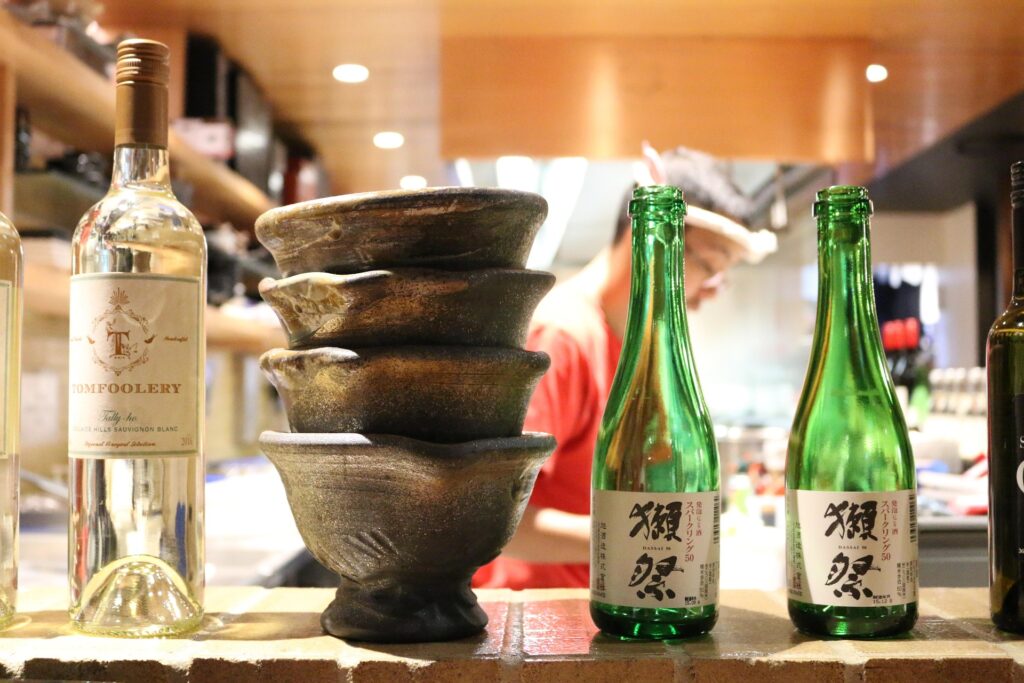
Known as Kanazawa’s kitchen, Omicho Market is the best place to understand the city’s food scene quickly. It is a lively network of more than 170 shops and stalls selling seafood, produce, snacks, and casual meals. For many travelers, this is the single best place to start a food-focused day in Kanazawa.
Getting to Omicho Market from Kanazawa Station
Omicho Market is about a 15-minute walk from Kanazawa Station. If you take the Kanazawa Loop Bus, get off at Musashigatsuji / Omicho Market. As of 2026, the standard Kanazawa Loop Bus fare is ¥220 for adults, and the one-day pass is ¥800 for adults. Taxis are also quick and convenient for groups or bad weather, but fares vary by traffic and route.
Why Go to Omicho Market?
- Best for first-timers: you can sample Kanazawa seafood without booking a formal restaurant
- Best for lunch: kaisendon, sushi, oysters, crab, croquettes, and seasonal snacks are all easy to find
- Best for variety: it is the easiest place to compare what to eat before choosing a bigger dinner later
Best Time to Visit
Omicho Market is generally most useful from late morning through lunch. A good target is around 10:00 AM, when the market feels active, seafood displays are fresh, and the biggest lunch lines have not fully formed yet.
Important: market hours and closing days vary by shop. The market is commonly listed around 9:00 AM to 4:00 PM, but individual restaurants and stalls may open later, close earlier, or take different days off. Wednesdays, Sundays, holidays, and the New Year period can be quieter depending on the shop, so check the latest information if Omicho is a major part of your plan.
What to Eat at Omicho Market
If it is your first visit, prioritize a kaisendon or sushi lunch. After that, add one or two smaller market snacks depending on the season, such as grilled seafood, croquettes, fruit, oysters, or crab. If you want to avoid a heavy lunch, sampling one specialty and saving a full meal for dinner is also a smart plan.
Top Restaurants Inside and Around the Market
Popular names include Mori Mori Sushi and Omicho Ichiba Zushi, both known among visitors for accessible seafood in or near the market area. Expect lines at peak lunch times, especially on weekends and holidays.
Hours, queue systems, menus, and reservation rules can change, so do not rely on old blog information for exact opening times. If you have a specific restaurant in mind, check the latest shop details before going.
Important Rule: Do Not Eat While Walking
Unlike some street food markets, eating while walking is not the norm here. If you buy a skewer, croquette, or seafood snack, eat it in front of the stall or in a designated area. This is simply better local etiquette and makes the market more comfortable for everyone.
Is Omicho Market Worth It?
Yes, especially for first-time visitors. It is the easiest place to try Kanazawa’s seafood culture in one stop, and it works well even if you only have half a day in the city. Travelers who prefer a slower, more formal meal can still use Omicho as a quick browse-and-snack stop before heading elsewhere for lunch or dinner.
Best Kanazawa Restaurant Areas for Lunch & Dinner
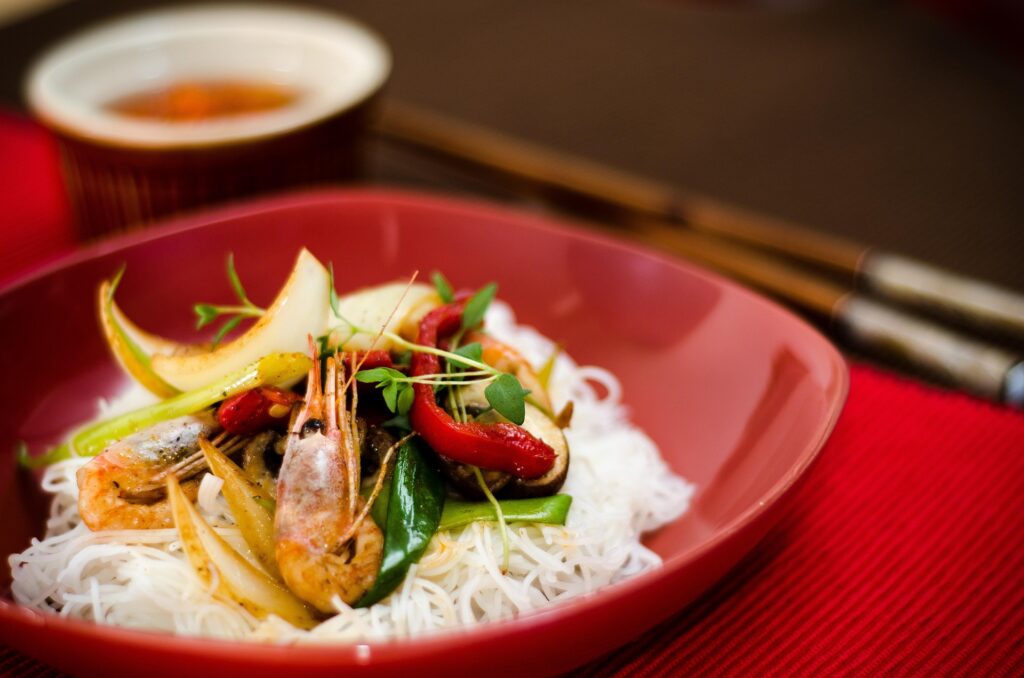
Once you know what to eat, the next question is where to eat it. In Kanazawa, lunch and dinner often work best in different parts of the city.
Best for Lunch: Omicho Market Area
If your priority is fresh seafood, stay close to Omicho Market for lunch. This is the easiest area for kaisendon, sushi, oysters, and other casual seafood meals without needing a formal reservation.
- Best for: first-time visitors, seafood lovers, quick lunches
- What to expect: busy counters, market energy, limited seating at some spots
- Best strategy: arrive before the main lunch rush or keep a backup restaurant in mind
Best for Dinner: Katamachi and Korinbo
For dinner, head to Katamachi or Korinbo. These central districts are better for izakayas, local sake, Kanazawa oden, grilled fish, and more relaxed evening meals. They also give you more variety if not everyone in your group wants the same kind of food.
- Best for: izakaya dinners, local specialties, drinks, mixed groups
- Try here: Kanazawa oden, nodoguro, sashimi, Kaga vegetables, local sake
- Good to know: popular dinner spots may fill up quickly, especially on Friday and Saturday nights
If you want more evening ideas after dinner, bars, dessert stops, and late-night areas are covered in our practical Kanazawa nightlife guide.
Best for Convenience: Kanazawa Station Area
If you arrive hungry or need a quick meal before a train, the area around Kanazawa Station has several convenient options. Station buildings and nearby shopping complexes usually have sushi, oden, noodles, curry, and casual Japanese restaurants. These options are practical, especially on rainy days or tight schedules, but they feel less atmospheric than Omicho Market, Higashi Chaya, or Katamachi.
Best for Traditional Local Cuisine
If you want a meal that feels more rooted in Kanazawa’s history, look for traditional Japanese restaurants serving dishes such as jibu-ni, seasonal seafood, Kaga vegetables, and multi-course meals. This style suits travelers who want a slower dining experience rather than a quick market lunch.
Best for Sweets and Tea-House Atmosphere
For a lighter stop, the Higashi Chaya District is the best area for gold leaf sweets, matcha desserts, and a more atmospheric snack break between sightseeing stops. It works particularly well in the afternoon after lunch at Omicho Market.
What to Eat in Kanazawa If You Do Not Eat Raw Fish
Kanazawa is famous for seafood, but raw fish is not the only reason to eat well here. If sushi and sashimi are not for you, the city still has plenty of worthwhile local food.
- Kanazawa oden — warm local comfort food
- Jibu-ni — a traditional historic dish
- Kanazawa curry — thick curry with tonkatsu, cabbage, and a fork
- Noto beef — premium regional beef for meat lovers
- Croquettes and fried snacks — easy market snacks
- Gold leaf sweets — fun dessert stops around Higashi Chaya
- Kaga vegetable dishes — seasonal local produce, with broth confirmation for vegetarians
This matters because some visitors wrongly assume Kanazawa food means raw seafood only. In reality, it is easy to build a satisfying food day around cooked dishes, market snacks, traditional comfort food, and sweets.
Kanazawa Food by Season
| Season | Best seasonal foods to look for |
|---|---|
| Winter | Snow crab, oden, hot sake, rich seafood, and warm traditional dishes |
| Spring | Seasonal vegetables, bamboo shoots, mountain vegetables, and spring sweets |
| Summer | Cold noodles, lighter seafood, seasonal vegetables, and refreshing sweets |
| Autumn | Seasonal fish, mushrooms, Kaga vegetables, and richer izakaya dishes |
If you are visiting in winter, prioritize crab and warm local dishes such as oden. In spring and autumn, look for seasonal vegetable dishes and traditional meals that showcase the best of each season.
Kanazawa Vegetarian & Halal Options
Traveling with dietary restrictions in Kanazawa takes more planning than in larger cities such as Tokyo or Osaka, but it is manageable if you know what to watch for. The most important point is that many Japanese dishes contain hidden fish-based ingredients even when they look vegetarian at first glance.
Vegetarian Tips: Watch for the Dashi Trap
If you are looking for Kanazawa vegetarian food, your biggest challenge is dashi, the fish-based broth used in soups, noodles, simmered dishes, and sauces. Even foods that appear meat-free may still contain bonito-based stock.
- Safer choices: dedicated vegan or vegetarian cafes, clearly labeled plant-based meals, temple-style cuisine, and vegetable dishes with confirmed broth
- Riskier choices: udon broth, miso soup, simmered vegetables, standard Japanese set meals, and sauces that may contain fish stock
- Best strategy: research ahead and use dedicated vegetarian spots when possible
For a fuller list of options, see our guide to vegetarian, halal, and gluten-free dining in Kanazawa.
Halal-Friendly Tips in Kanazawa
Strictly halal-certified Japanese restaurants are still limited in Kanazawa, so Muslim travelers usually need to plan ahead. Raw seafood may seem straightforward, but sauces, marinades, and seasonings can include alcohol-based ingredients such as mirin.
- Best strategy: look for clearly halal-friendly restaurants or rely on restaurants that explicitly state halal options
- For seafood meals: confirm sauces when possible and do not assume soy-based seasonings are alcohol-free
- Useful travel hack: carrying your own halal-certified soy sauce can make simple seafood meals easier
Frequently Asked Questions
What is the most famous food in Kanazawa?
Kanazawa is most famous for fresh seafood, especially kaisendon, nodoguro, and seasonal snow crab. On the non-seafood side, Kanazawa oden, jibu-ni, and gold leaf soft serve are also iconic local picks.
How much does a meal in Kanazawa cost?
A casual lunch at Omicho Market often costs around ¥1,500–¥3,500 per person, while an izakaya dinner with drinks often lands around ¥3,000–¥6,000. Market snacks can be much cheaper, while crab, nodoguro, kaiseki, and premium seafood meals can cost significantly more. Use these as planning ranges, not guaranteed prices.
Is Omicho Market worth it for first-time visitors?
Yes. It is the easiest place to try Kanazawa seafood, compare different foods in one area, and fit a food stop into a short itinerary. It is especially useful if you only have time for one major lunch stop.
Do I need cash at Omicho Market?
It is smart to carry cash. Some larger restaurants and shops accept cards or mobile payments, but smaller stalls and snack counters may still prefer cash, especially for low-cost purchases. Payment methods can change by shop, so cash is the safest backup.
Do I need to make reservations for restaurants in Kanazawa?
For casual market restaurants, you usually join the queue, although rules vary by shop. For popular izakayas in Katamachi on Friday and Saturday nights, a reservation is recommended if you have a specific place in mind. For high-end kaiseki restaurants, book ahead.
What food should I try in Kanazawa if I do not eat raw fish?
Start with Kanazawa oden, jibu-ni, Kanazawa curry, croquettes, Noto beef, Kaga vegetables, and gold leaf sweets. You can still eat very well in Kanazawa without focusing on sushi or sashimi.
Is Kanazawa good for vegetarians?
It can be challenging, mainly because of hidden fish broth in many dishes. With research and a focus on dedicated vegetarian or vegan spots, it is possible, but it is not as easy as in bigger Japanese cities.
What is the best season for food in Kanazawa?
Winter is especially strong for seafood lovers because crab and warm local dishes are major highlights. Spring and autumn are excellent for seasonal vegetables and milder weather for walking between food spots.
Is English widely spoken at restaurants in Kanazawa?
English is not as widely spoken in Kanazawa as in Tokyo or Kyoto. Many market stalls have picture menus or simple English signs, but smaller restaurants may not. Having a translation app ready is a good idea, especially at izakayas and traditional restaurants.
DIY Omicho Market vs. Guided Food Walk Tour
Exploring Omicho Market on your own is completely possible, but the better choice depends on your travel style. A self-guided visit gives you flexibility, while a guided walk removes the stress of choosing where to eat and adds cultural context.
| Feature | DIY Visit | Guided Food Walk Tour |
|---|---|---|
| Flexibility | High | More structured |
| Language support | Limited at some stalls | Easier with an English-speaking guide |
| Food selection | You choose everything yourself | Curated tastings are usually included |
| Cultural context | Minimal unless you research in advance | Much stronger |
| Cost | Lower; you pay only for what you order | Higher, but may include tastings and guide service |
| Time commitment | Flexible | Usually fixed by the tour schedule |
| Best for | Independent travelers | First-time visitors, nervous eaters, and context lovers |
If you enjoy wandering, comparing stalls, and translating menus as you go, a DIY visit is a good fit. If you want to connect food, history, and the city layout in one smooth experience, a guided walk can offer better value than it first appears.
Final Verdict: Is a Food Tour Worth It?
A guided food tour is not essential for every traveler, but it can be one of the easiest ways to make a short Kanazawa visit feel richer and less stressful. It is most useful if you want help choosing stalls, understanding what you are eating, and linking Omicho Market with nearby cultural areas in one well-planned route.
Choose a food tour if:
- You are a first-time visitor who wants a fast introduction to Kanazawa food
- You want to try several specialties without spending time researching and comparing stalls
- You enjoy food more when there is cultural and historical context
- Language or menu anxiety is holding you back from exploring independently
A food tour is probably not necessary if:
- You are a budget traveler happy to explore independently
- You already know exactly where you want to eat
- You prefer one long sit-down meal over multiple tastings
- You want complete control over timing and pace
If you decide a guided experience suits your travel style, the Kanazawa Cultural Food Walk is a convenient option to compare because it connects Omicho Market with the Higashi Chaya area and is designed for English-speaking visitors. Exact tastings, meeting points, reviews, prices, and cancellation rules can change, so check the current booking page before deciding.
👉 Check the latest Kanazawa Cultural Food Walk details on GetYourGuide
Prices, opening hours, transport fares, shop holidays, restaurant rules, seasonal seafood availability, payment methods, tour inclusions, meeting points, and cancellation policies can change. Always check official sources and your selected booking page before finalizing your trip.

Hi, I’m Kai. I’m a Tokyo-based travel writer, tourism industry insider, and the author of a published guidebook for international visitors to Japan. With over 10 years of professional experience at a leading Japanese tourism company, my mission is to help you skip the tourist traps and navigate Japan’s best destinations like a local. I believe the perfect day trip is like a traditional kaiseki meal: a beautiful balance of precise planning and unforgettable seasonal discovery. When I’m not out conducting field research, you’ll usually find me drafting new itineraries with one of my favorite fountain pens!